Blood
Overview
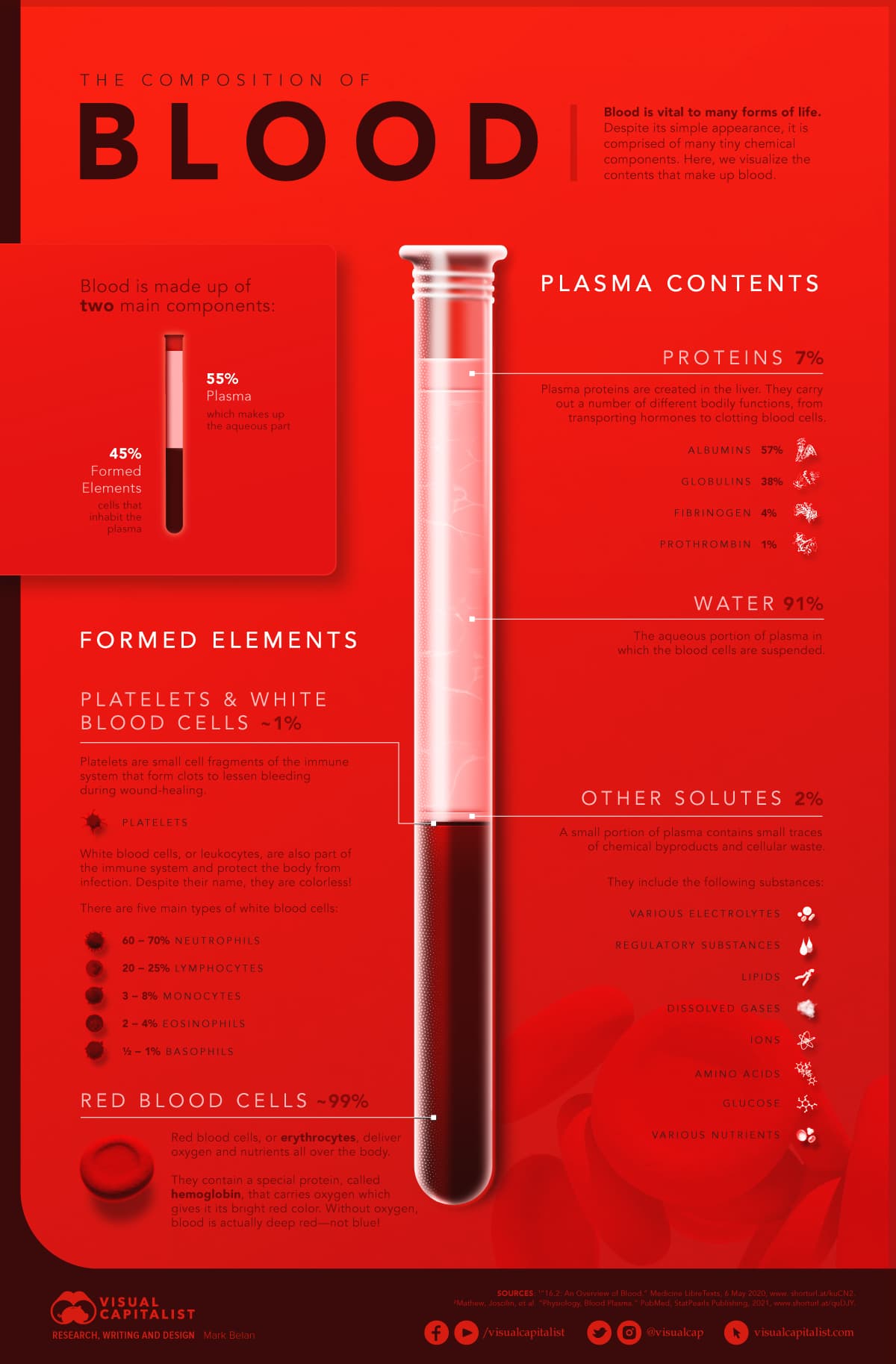
Blood carries nourishment and oxygen throughout the body and carries away waste products. The earliest evidence in the fossil record of a blood-like substance, found in the remains of an armored arthropod, dates to at least 520 million years ago.
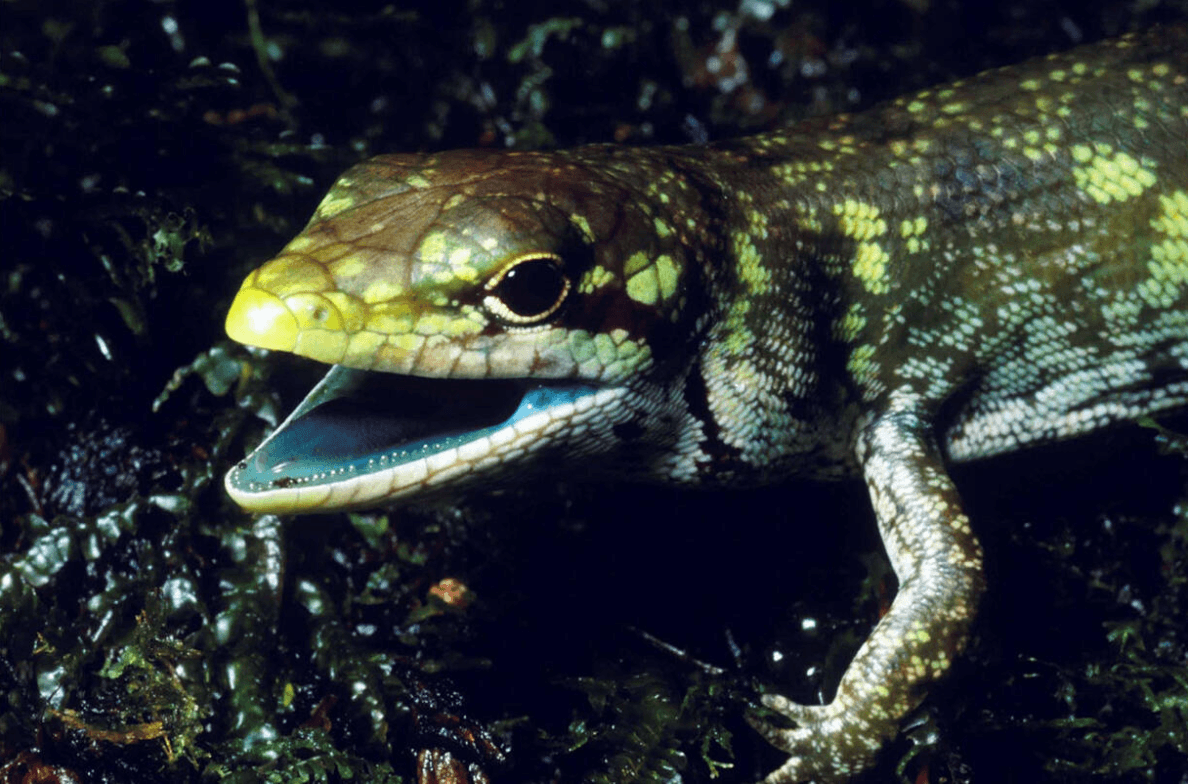
Blood has evolved several times across the animal kingdom, giving rise to substances of different colors, compositions, and purposes. Yet not all animals require it: Some have developed alternative workarounds, including obtaining the oxygen they need from their environment.
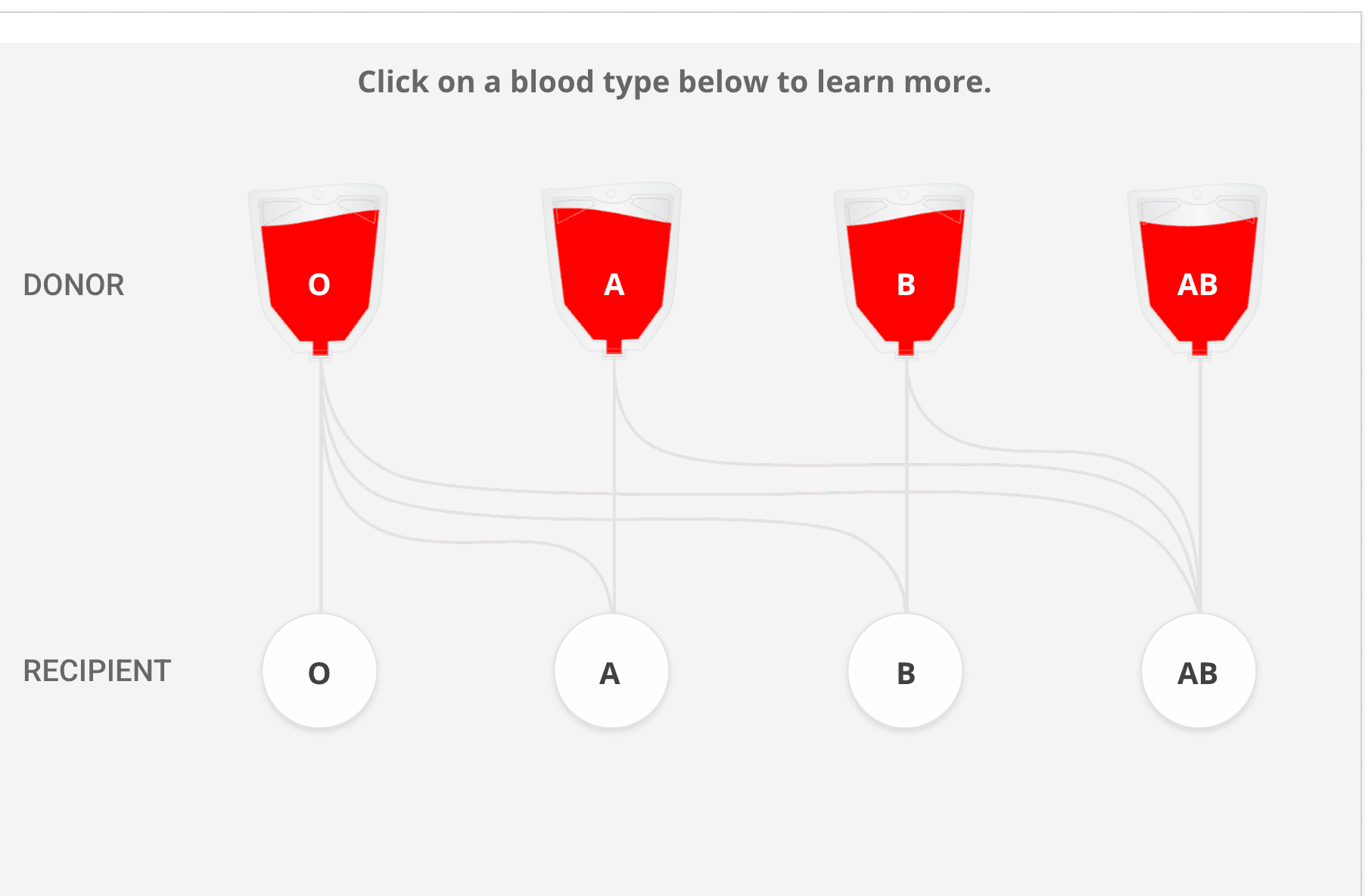
Human blood appears red due to its iron content, though veins appear blue because of how light and skin scatter colors. There are numerous blood types in humans, determined by the presence or absence of specific A and/or B antigens and also the presence or absence of a certain protein called the Rh factor. Different permutations of those combinations result in the eight main known blood types, though there are more than 40 human blood types overall. The eight main blood types are A, B, AB, and O, with positive and negative variations. A person's blood type determines how their immune system responds to foreign blood following a transfusion.
1440 Findings
Hours of research by our editors, distilled into minutes of clarity.






Explore Health & Medicine
Indulge your curiosity, from the inner workings of our bodies and minds to the latest in medical research and treatments, all aimed at enhancing your understanding of health, wellness, and medicine. Our resources are meticulously curated to offer precise and pertinent information to anyone interested in learning more about the medical sciences.