Do people really look younger than they used to?
Why do people today look younger than they used to? From style to science, there are 3 surprising reasons we age differently now.

Hours of research by our editors, distilled into minutes of clarity.
Why do people today look younger than they used to? From style to science, there are 3 surprising reasons we age differently now.

Aging is more than wrinkles and gray hair—it’s a gradual decline in cellular function. Over time, DNA damage, telomere shortening, and mitochondrial inefficiency contribute to weaker bones, slower memory, and reduced vitality. While aging is inevitable, regular exercise, quality sleep, and stress management maintain health and extend one’s years.

With each passing decade, researchers uncover additional causes and effects of this seemingly unstoppable process. This visually stimulating video dives into our current understanding of aging, complete with the biological hallmarks researchers use to study aging at the cellular level (biological age).

Aging has always been inevitable, but fasting, epigenetic reprogramming, and parabiosis seem to help people stay young. By studying centenarians, memory, and even the humble roundworm, scientists are looking for the genetic basis to live not just a long life, but a healthy one.

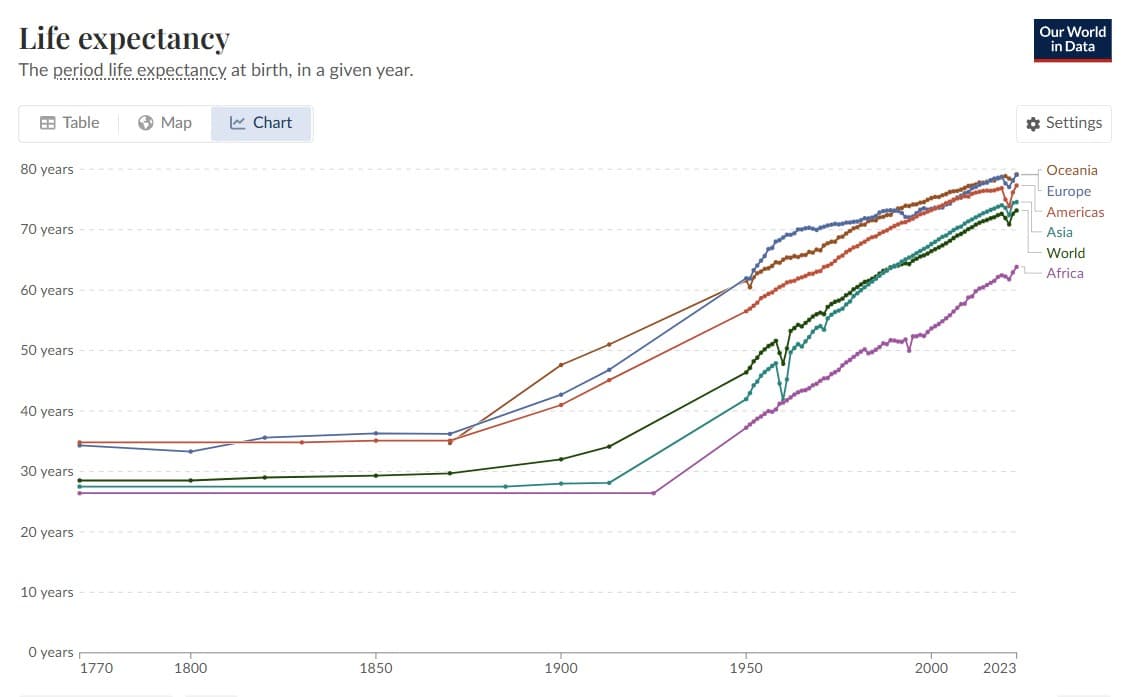
The human species experienced a dramatic increase in expected lifespan over the past 150 years. Antibiotics, improved sanitation, and better worldwide food distribution are a few factors contributing to this rapid transformation. Use this interactive resource to explore longevity gains over time and compare these improvements across the globe.

Created by entrepreneur Bryan Johnson in 2022, the Rejuvenation Olympics asks participants to find ways, including exercise and dietary supplements, to slow their biological aging. But some of these tactics are extreme in cost or nature—such as Johnson's regular injections of blood from his teenage son.
As scientific advances continue to extend the average human lifespan, many are now turning their attention toward extending "health span." The ultimate goal would be to extend one’s health span to match one’s lifespan, necessitating a shift in focus toward the pursuit of healthy aging.
A cumulative breakdown of cellular and tissue processes combines to result in decreased organ function, disrupting the systems driving normal human physiology. This five-minute video provides a primer on the subject, complete with a discussion of risk factors, cellular changes, and potential future treatments in the fight against aging.

Science has come to understand different types of aging. What we call age is simply the number of years since birth, or chronological age. At the cellular level, biological aging happens at different rates for different people, and explains why some seem to age more quickly (or slowly).
Stem cells—special cells that can self-renew and evolve into new cell types—may provide a path to address aging. Instead of repairing aging cells, stem cells can replace a cell's "repair kit," effectively rebooting the internal processes of tissues to a more youthful state.

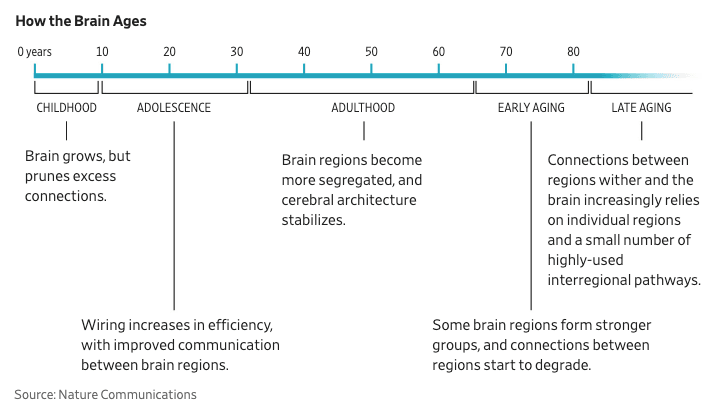
Aging affects the brain perhaps more than any other organ in the body. Throughout life, the brain experiences radical shifts in the number of neurons, synaptic connections between neurons, and hormone levels that regulate our mood and processing.

Discover a broad spectrum of topics, from fundamental anatomy to the latest in medical research and treatments, all aimed at enhancing your understanding of health, wellness, and our bodies. Our resources are meticulously curated to offer precise and pertinent information to students, professionals, and anyone interested in learning more about the medical sciences. Dive in to stay informed, make well-informed health decisions, and explore the intriguing world of medicine.