Back

Posted by

Without the option of modern blood transfusions, some doctors in the mid-1800s tried to help save cholera patients by injecting them with cow's milk, hoping it would boost their nutrition and hydration.

Findings

Additional insights we found via Tiny Matters

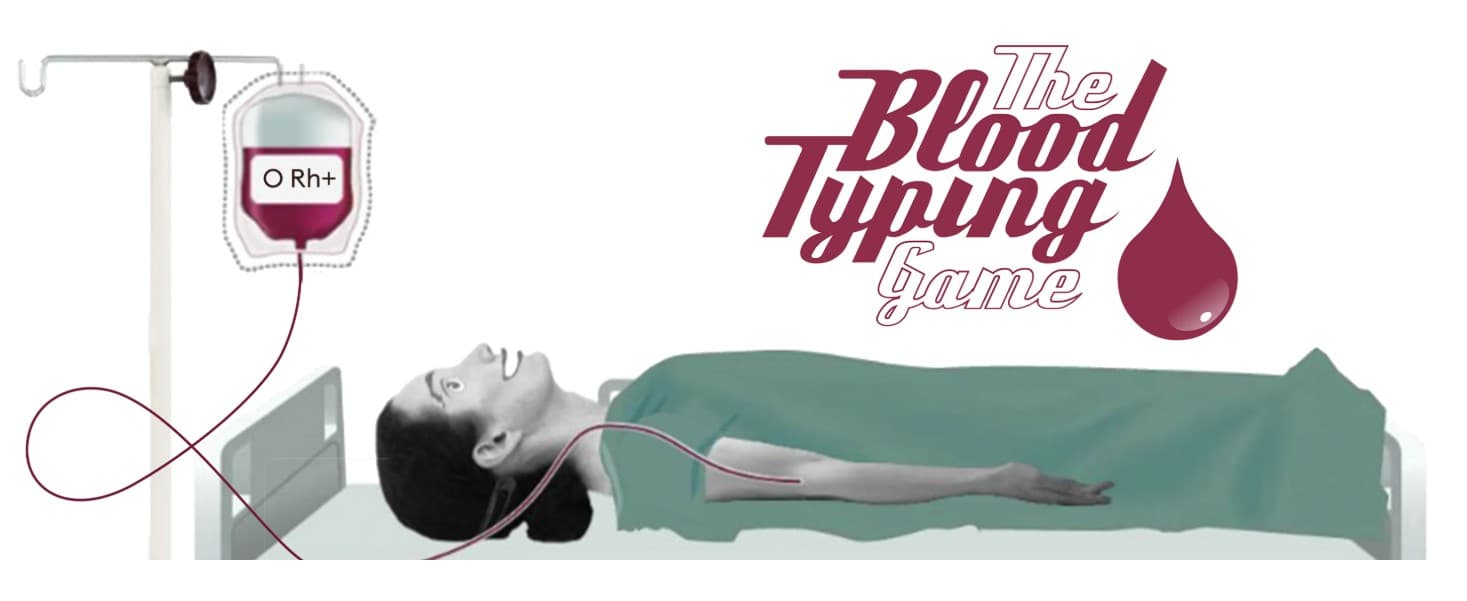
  1. The first successful dog-to-dog blood transfusion predated the first successful human-to-human one by more than 150 years. The successful human experience occurred in 1818, when a British obstetrician transfused blood from a man to his wife when she was experiencing postpartum hemorrhage.

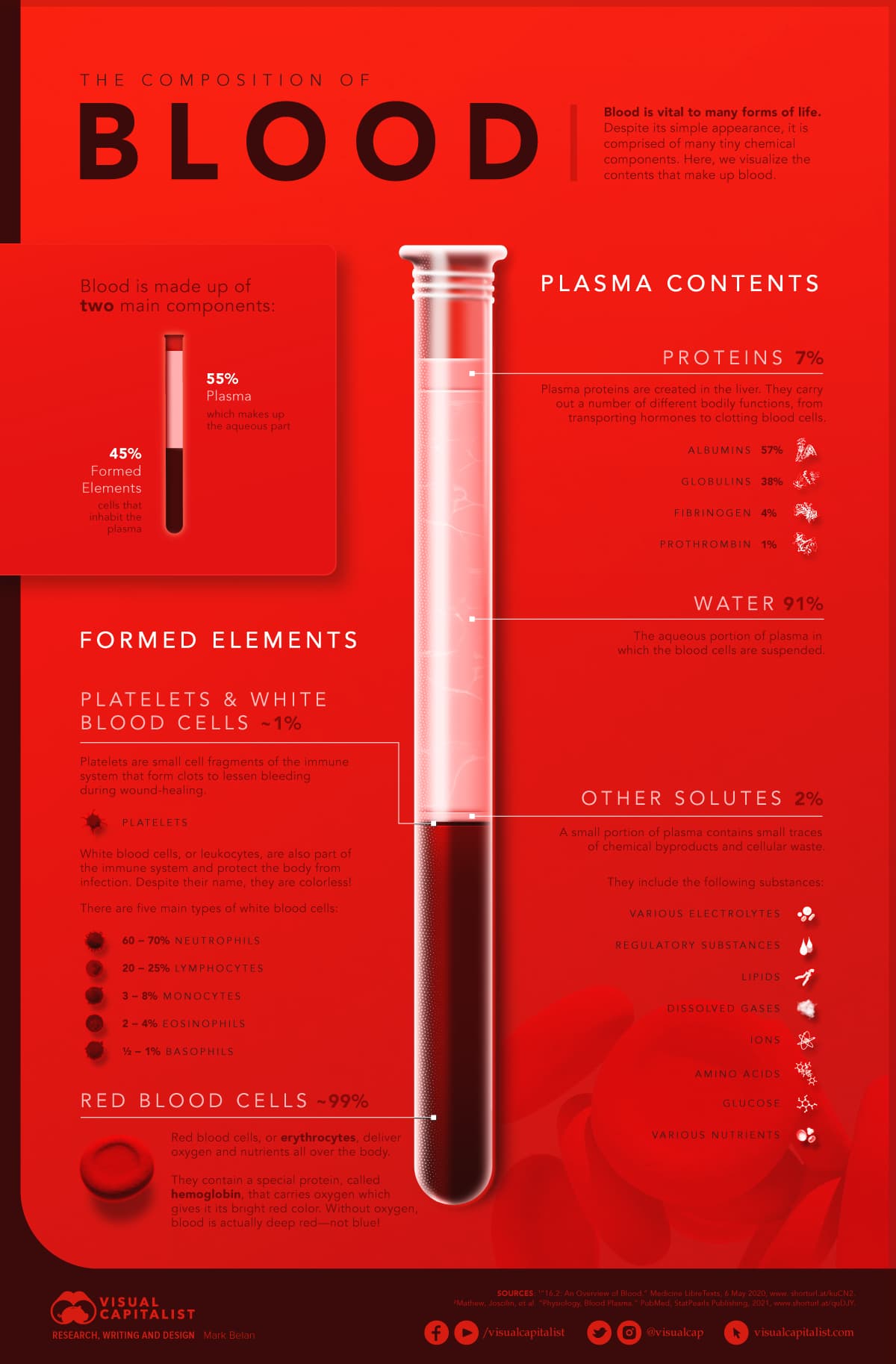
  2. In modern times, when someone donates blood, the donation is separated into its components—red blood cells, platelets, and plasma. Red blood cells are responsible for carrying oxygen around the body. Platelets help stop bleeding. And plasma, which makes up more than half of one's blood, has essential clotting factors.

  3. Patients receive transfusions of either reconstituted whole blood or component parts. Red blood cells are the most common type of transfusion, because if a patient is bleeding—due to injury, surgery, or disease—it can lead to a dangerously low red blood cell count.

  4. There is no proven effective blood substitute approved by the US FDA, though numerous attempts have been made to develop one.

Similar Posts

Showing 1440 posts similar to Without the option of modern blood transfusions, some doctors in the mid-1800s tried to help save cholera patients by injecting them with cow's milk, hoping it would boost their nutrition and hydration.

You've reached the end.