Society & Culture

Art, music, sports, entertainment, movies, and many other subjects—these elements define who we are as a society and how we express ourselves as a culture. Take a deep dive into the topics shaping our shared norms, values, institutions, and more.

1440 Findings

Hours of research by our editors, distilled into minutes of clarity.

  • Explore works by essential female pop artists

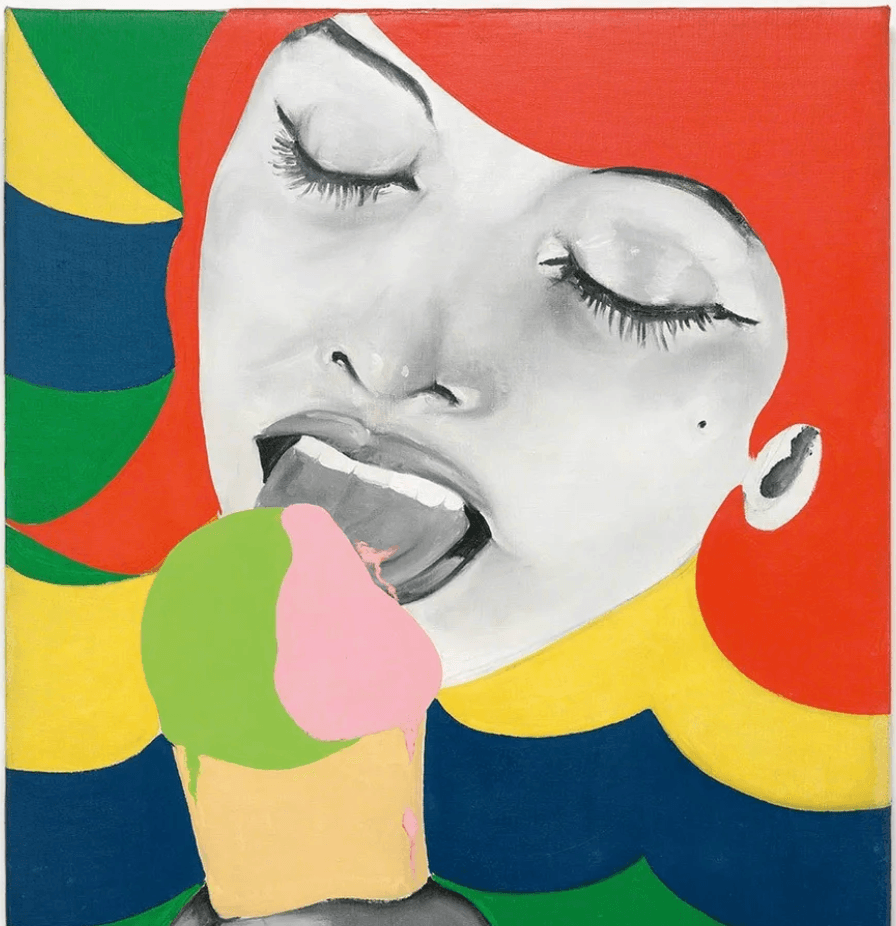
    Like so many art movements, the pantheon of pop art was mostly men, despite the contributions of several important women artists to its aesthetics and history. See paintings from British pop founder Pauline Boty and several artists who worked with, or exhibited alongside, the likes of Warhol and Haring.
  • Simone de Beauvoir's 'The Second Sex' merged existentialism with feminism

    De Beauvoir’s 1949 philosophical treatise criticized patriarchy and its negative impact on women. She argued that gender differences were mainly due to socialization rather than innate qualities, writing that “one is not born, but rather becomes, a woman.” In turn, de Beauvoir believed women should refuse predetermined gender roles and instead define themselves, echoing a key tenet of existentialism.

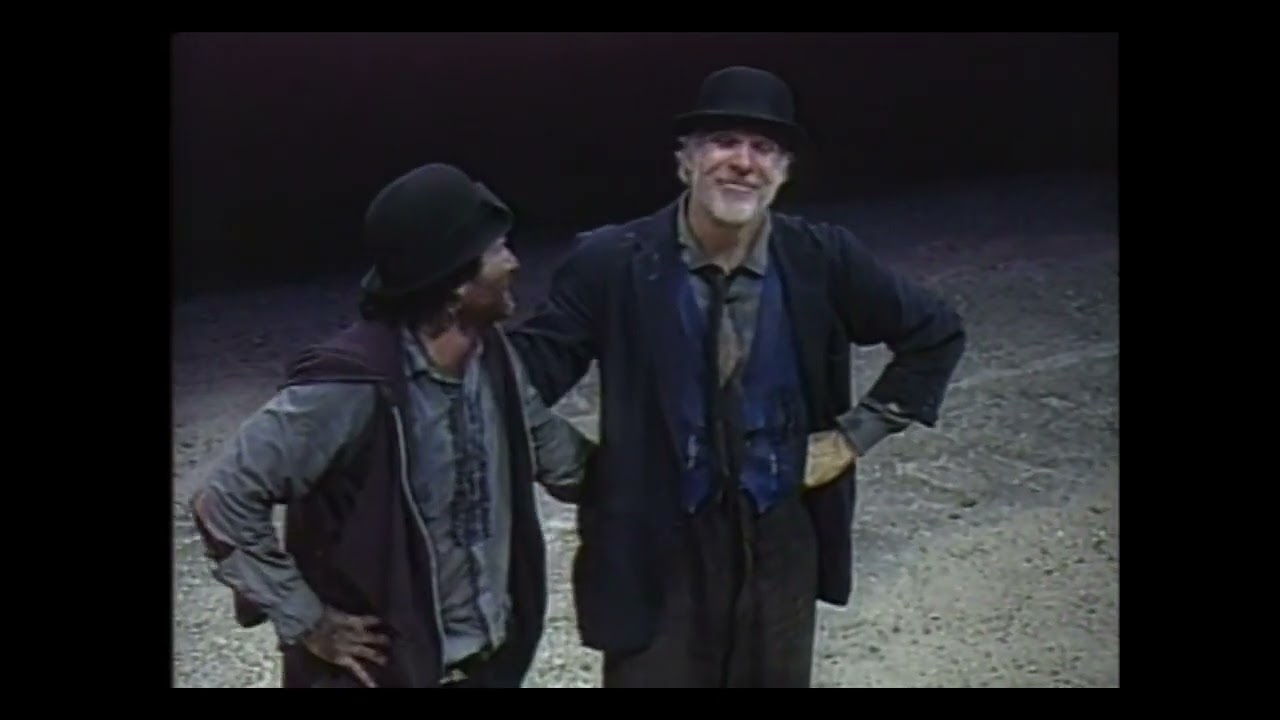
  • Steve Martin and Robin Williams once starred in 'Waiting for Godot'

    The duo starred as Vladimir and Estragon, respectively, in a 1988 production of Samuel Beckett's play. Since then, the show has become an opportunity for other famous duos to engage with the Theater of the Absurd, including Patrick Stewart and Ian McKellen (in 2009, and then again from 2013 to 2014) and Alex Winter and Keanu Reeves (from 2025 to 2026). The only complete recording of a Williams and Martin production is available for researchers at the New York Public Library, though you can watch a few scenes below.

    "Waiting For Godot" with Steve Martin and Robin Williams (Full scene).
    Video

    "Waiting For Godot" with Steve Martin and Robin Williams (Full scene).

  • An existentialist reading list

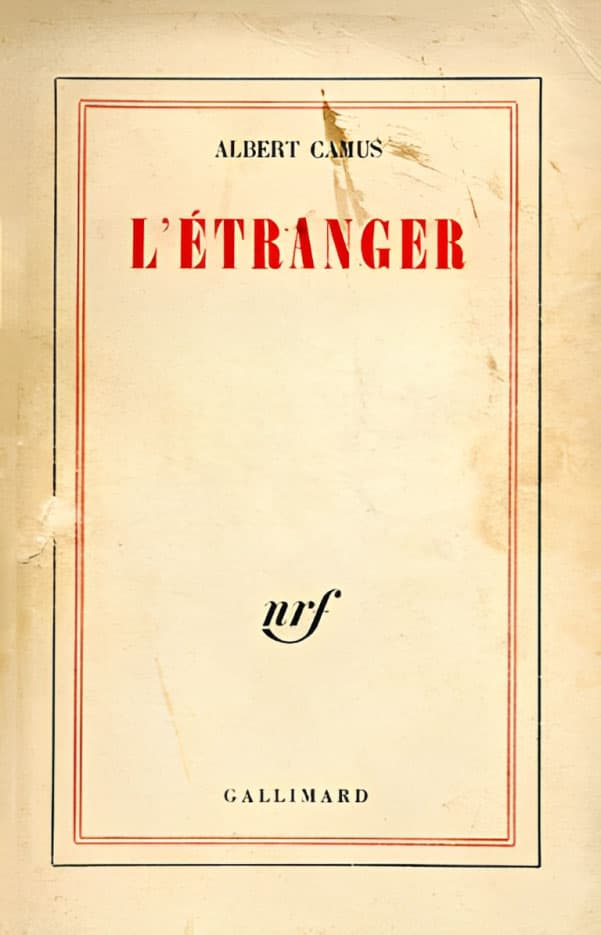
    If you’re looking for a starting point for diving into existentialist thought, this is a great resource. Its titles are not exactly obscure—Albert Camus’ “The Stranger,” Franz Kafka’s “The Trial,” and Søren Kierkegaard’s “Either/Or” are among the most famous works in Western literature—but the list provides some digestible context for each text, which will help you decide the best place to begin your journey.

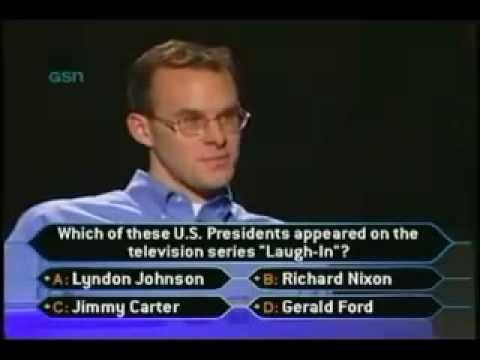
  • Before his final answer, the first US ‘Millionaire’ winner called his dad to tell him he’d won

    John Carpenter was the first US contestant on “Who Wants to Be a Millionaire?” to win the top prize. Impressively, he did it without using any of his “lifelines,” which could provide hints. Well, that’s not exactly true: Carpenter did use his “Phone a Friend” lifeline, but it was just to let his father know that he’d be winning a million bucks.

    Millionaire   Smartest Person
    Video

    US Winner Calls Dad To Say He's Gonna Be A Millionaire! | Who Wants To Be A Millionaire?

Next page
Society & Culture | 1440