Visa
Overview
Visa was the first credit card network—a payment infrastructure that allows a consumer's bank to "talk to" a merchant's bank when a purchase is made. Today, Visa holds more than half the US credit card market share by purchase volume, with a global business that processed about 257.5 billion transactions worth about $14T in 2025.
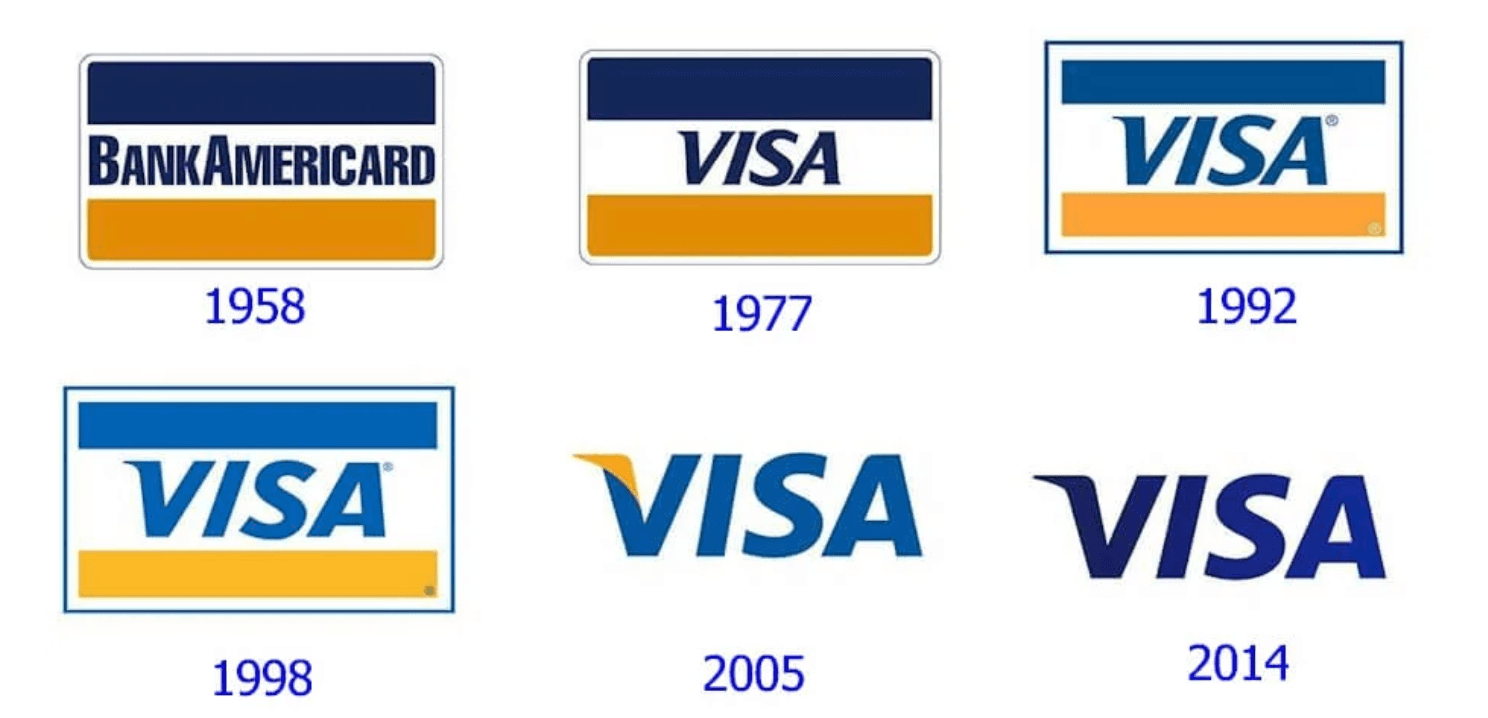
Bank of America launched the network to facilitate transactions after its famous 1958 "Fresno Drop," when 60,000 people woke up to find a strange rectangular piece of plastic on their doorstep in a stunt the bank pulled to distribute the first credit cards.
Bank of America soon needed to license the network to other banks so they could participate in the growing national credit card system. A Seattle banker named Dee Hock was tapped to organize the increasingly chaotic system. By 1976, Hock had given the network the name "Visa" and had become Visa USA's first CEO.
Today, many other banks (as well as institutional investors) help govern and profit from the network, with Bank of America maintaining a roughly 1.5% share. Visa primarily makes money through fees it collects with each credit card transaction and by charging banks to use its services.
1440 Findings
Hours of research by our editors, distilled into minutes of clarity.





Explore Business & Finance
The United States is home to more than 33 million businesses, the vast majority of which are small businesses, with millions being created (and others closing shop) every year. These businesses often rely on loans, provide the goods and services that keep the economy flowing, and sometimes even grow large enough to enter public markets or provide private investment opportunities. Explore key topics central to business and finance, from the role of the Federal Reserve to how initial public offerings work, how millions of American students finance higher education, and more.
Featured Topics
- 401(k)
- Amazon
- Bankruptcy
- Bitcoin
- Bonds
- Capital Gains
- College Tuition
- Consulting
- Creator Economy
- Credit Unions
- Federal Reserve
- Gig Economy
- Individual retirement accounts
- Inflation
- Initial Public Offerings
- Investment Banking
- Labor Unions
- Life Insurance
- Macy’s
- Minimum Wage
- Mutual Funds
- OpenAI
- Startups
- Stock Market
- Student Debt
- US Currency
- Venture Capital
- Wall Street
- Warren Buffett
- Y Combinator