Macy's
Overview
Macy’s is more than just a 168-year-old department store—it’s an American cultural institution. In 2006, Macy’s ran more than 800 stores and was estimated to be worth more than $20B. But in recent years, the brand has struggled to keep up with the ever-evolving retail industry: As of 2026, Macy's had fallen to around 400 stores, with a market cap of roughly $6B.
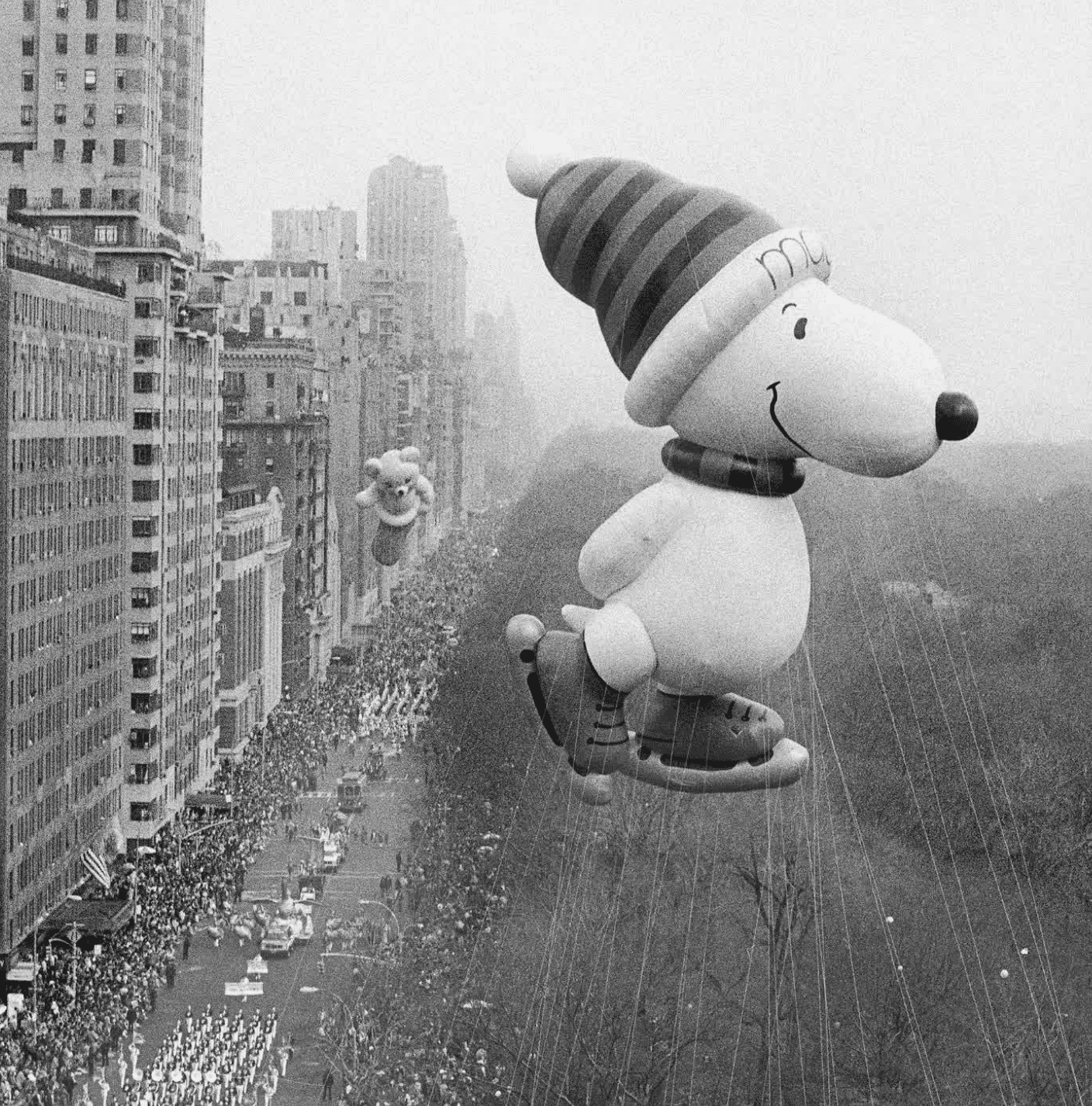
The first Macy’s Thanksgiving Day Parade took place in 1924 and was originally intended to promote Macy’s upcoming holiday sales. Although it took place on Thanksgiving Day, the parade was initially called the Macy’s Christmas Parade—the name didn’t change until 1927. The 1924 parade drew a crowd of thousands and included animals from the Central Park Zoo, with Macy’s employees and professional entertainers walking alongside the animals. The large balloons associated with the parade also debuted in 1927, replacing the zoo animals.
Given the brand's swift downward trend, it’s easy to forget that the department store was an early retail-industry disruptor. The way Americans shop, celebrate holidays, and pay for goods and services likely wouldn’t be the same without a few innovations from Macy’s founder, Rowland H. Macy.
1440 Findings
Hours of research by our editors, distilled into minutes of clarity.







Explore Business & Finance
The United States is home to more than 33 million businesses, the vast majority of which are small businesses, with millions being created (and others closing shop) every year. These businesses often rely on loans, provide the goods and services that keep the economy flowing, and sometimes even grow large enough to enter public markets or provide private investment opportunities. Explore key topics central to business and finance, from the role of the Federal Reserve to how initial public offerings work, how millions of American students finance higher education, and more.
Featured Topics
- 401(k)
- Amazon
- Bankruptcy
- Bitcoin
- Bonds
- Capital Gains
- College Tuition
- Consulting
- Creator Economy
- Credit Unions
- Federal Reserve
- Gig Economy
- Individual retirement accounts
- Inflation
- Initial Public Offerings
- Investment Banking
- Labor Unions
- Life Insurance
- Macy's
- Minimum Wage
- Mutual Funds
- OpenAI
- Startups
- Stock Market
- Student Debt
- US Currency
- Venture Capital
- Wall Street
- Warren Buffett
- Y Combinator