Poison Ivy
Overview
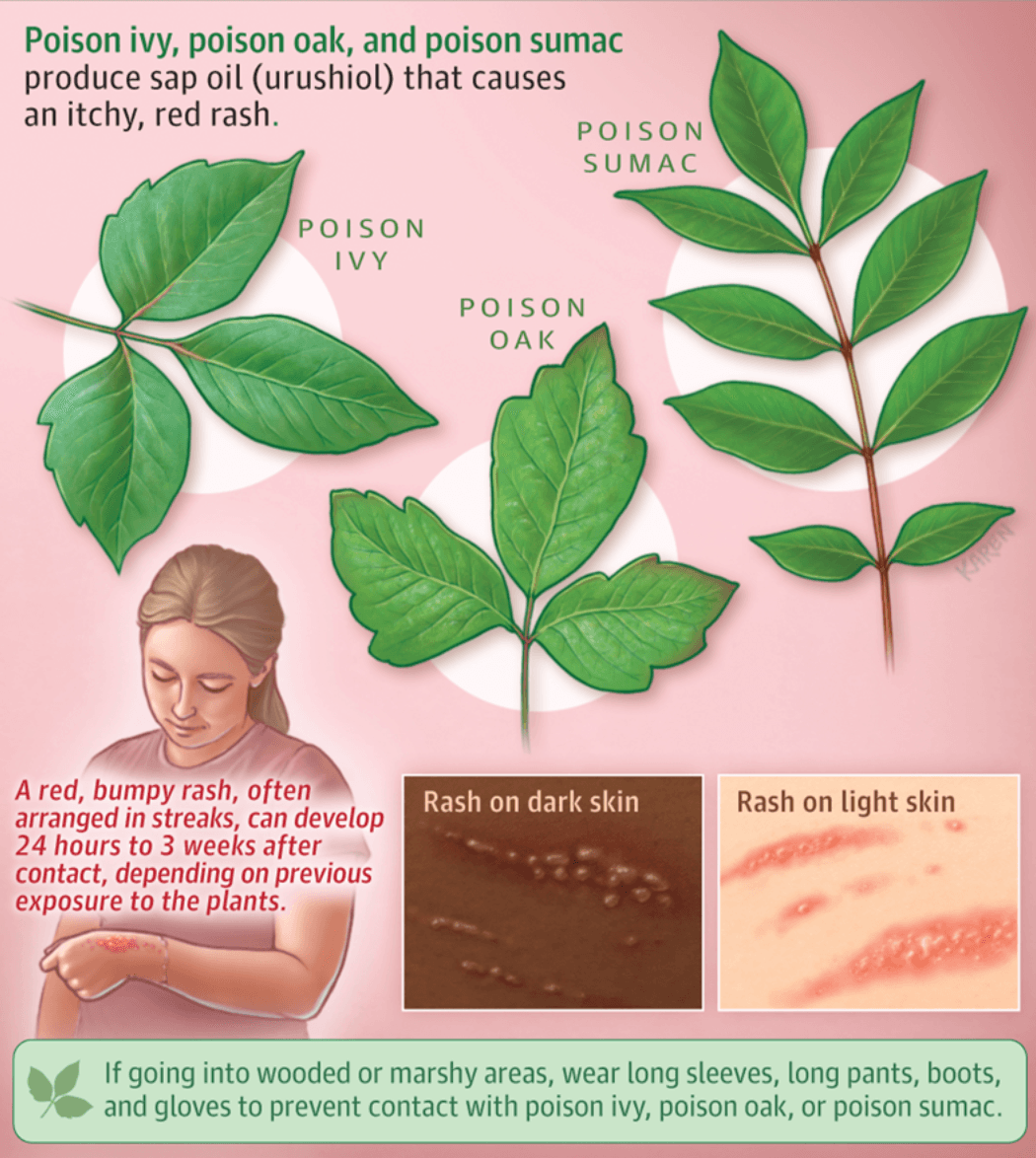
Poison ivy produces an oily sap called urushiol throughout the plant. Exposure to that oil causes an allergic reaction in about 85% of people. Urushiol is extremely durable and can remain on clothing, fur, or tools for long periods after initial exposure. If exposed, wash thoroughly with cool water and a degreasing soap, then use rubbing alcohol and scrub under the fingernails with a brush, and wash all the exposed clothing. Poison ivy can also be extremely toxic if inhaled, so the plant should never be burned.
When urushiol comes into contact with our skin, it binds to skin proteins, ultimately triggering an immune system response as if the body's under attack. The resulting inflammatory response leads to the rash and other uncomfortable symptoms.
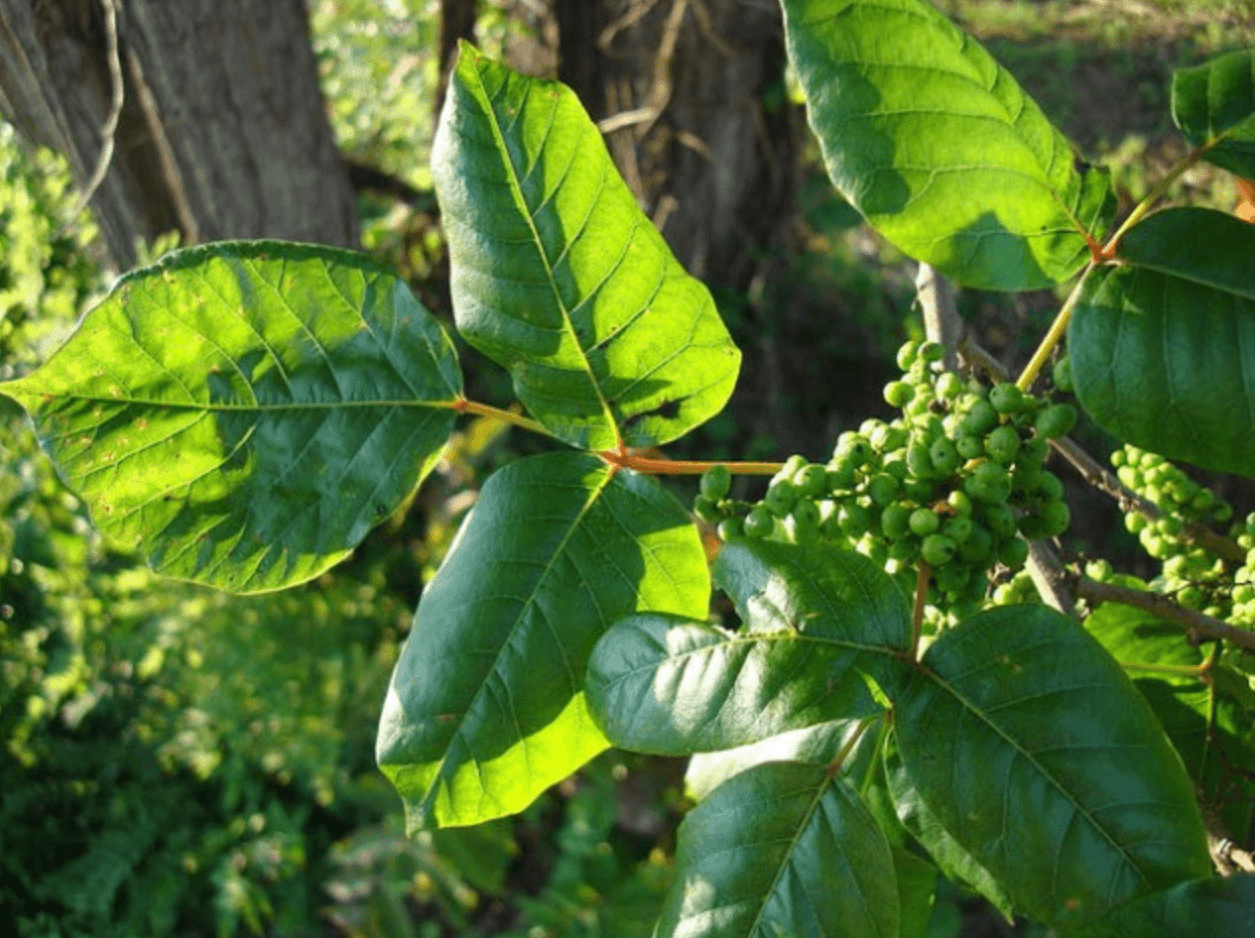
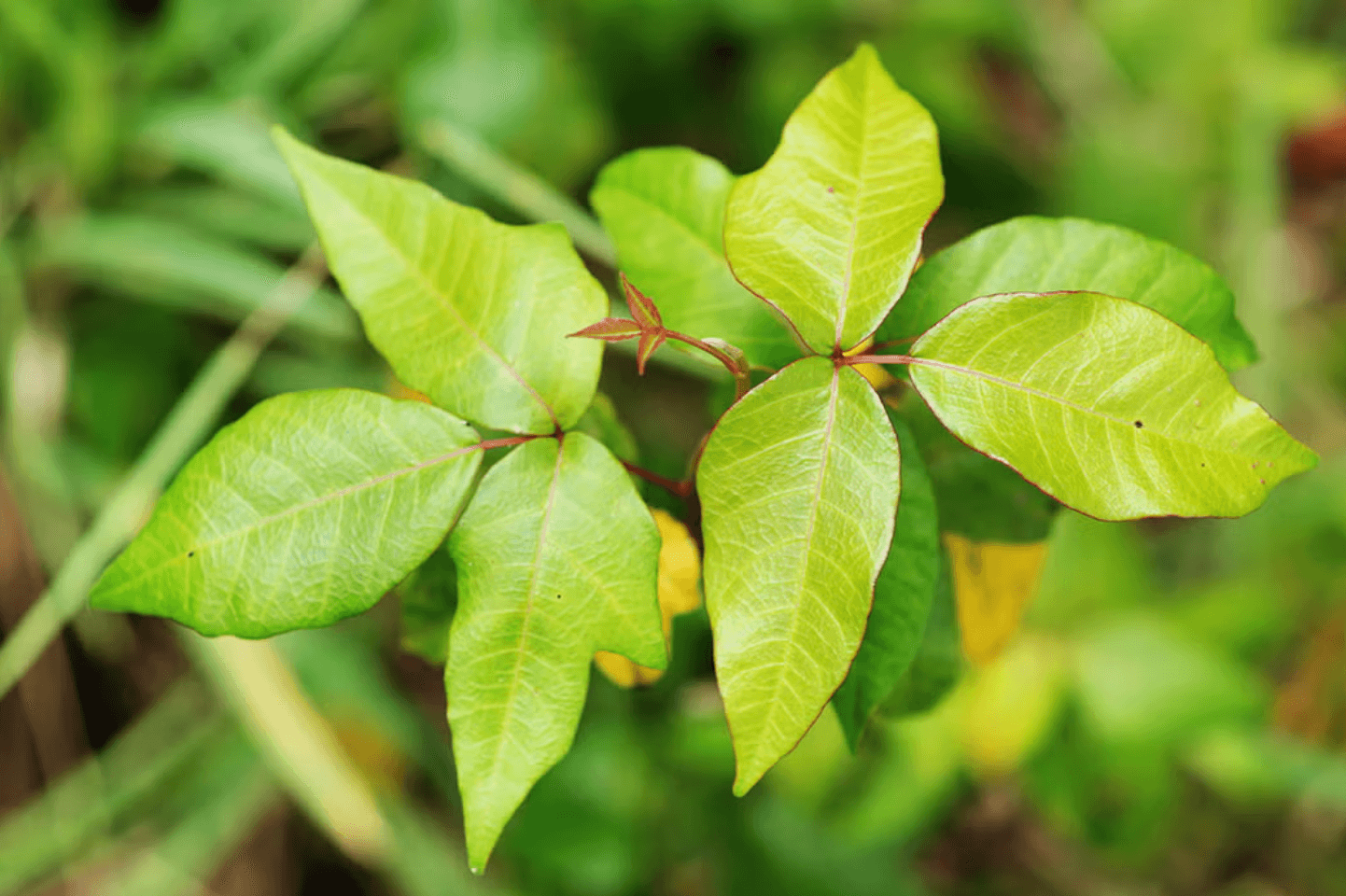
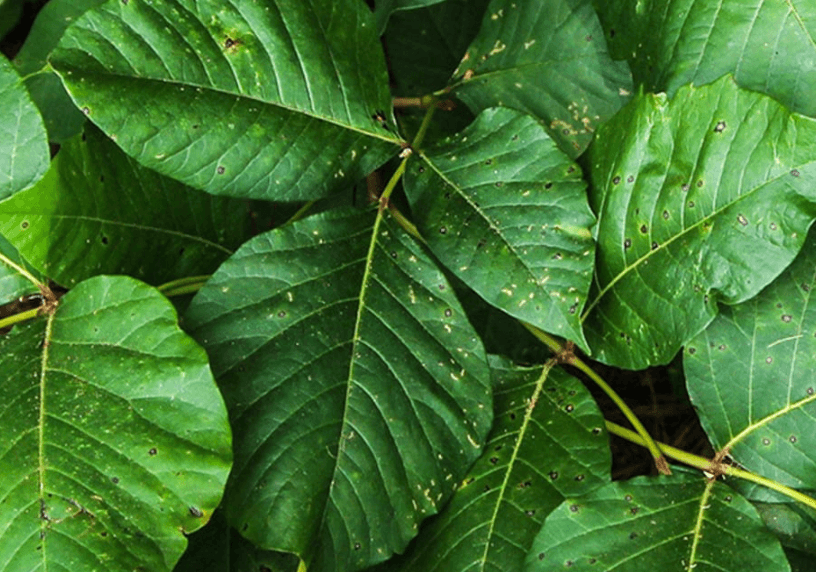
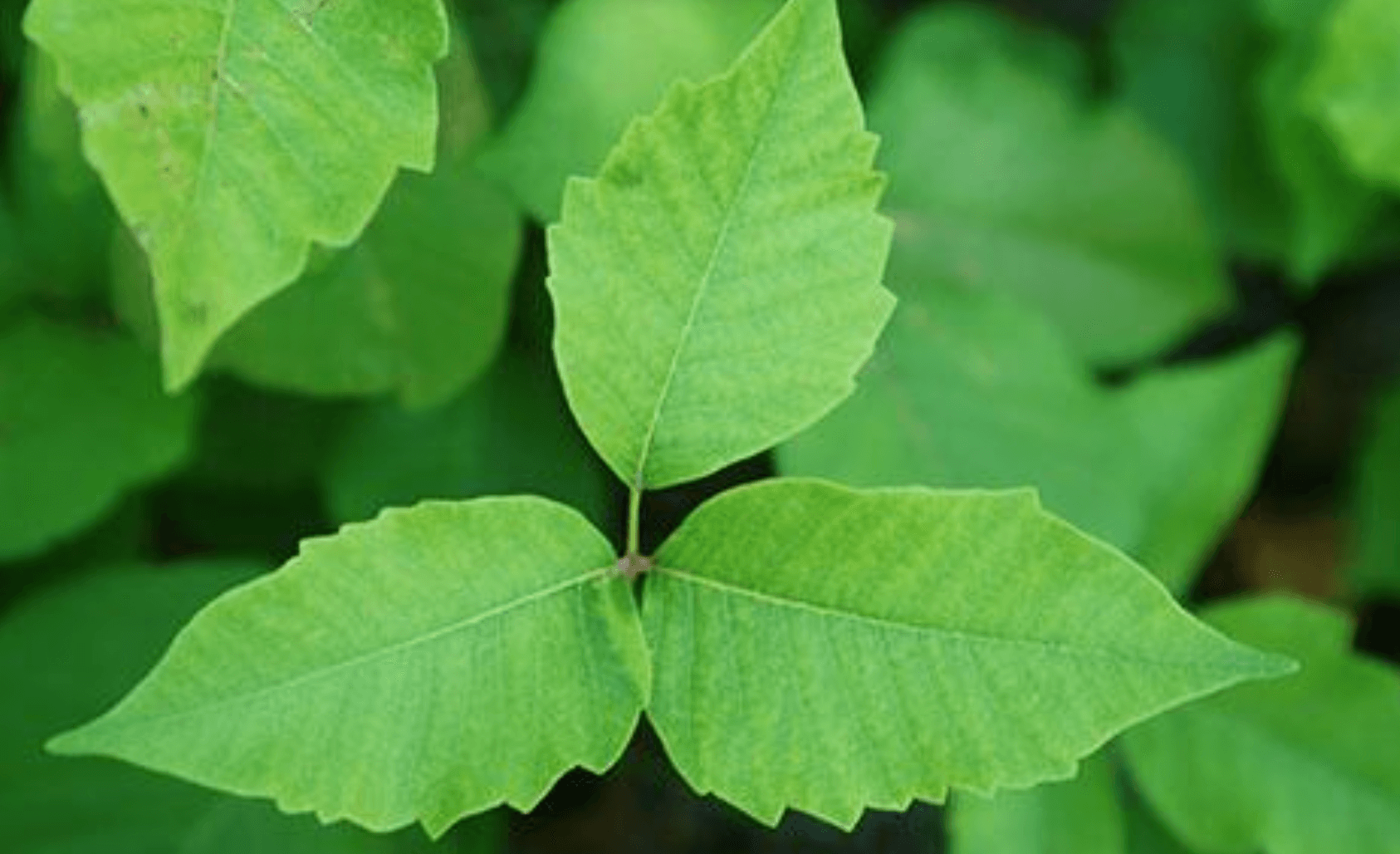
The plant typically has three leaves, but can otherwise look highly variable. It can grow as a ground shrub or a vine, and it can vary in color and even in its leaf shapes—though generally the leaves are broad. Urushiol can cause itching and a red rash within a few days of contact. Fluids from resulting blisters are not contagious. Poison ivy's effects may be seen at different times depending on the area of the body and the thickness of the skin there.
1440 Findings
Hours of research by our editors, distilled into minutes of clarity.










Explore Health & Medicine
Indulge your curiosity, from the inner workings of our bodies and minds to the latest in medical research and treatments, all aimed at enhancing your understanding of health, wellness, and medicine. Our resources are meticulously curated to offer precise and pertinent information to anyone interested in learning more about the medical sciences.