Posted by Dina Fine MaronMay 26Poison ivy is projected to be larger and more resilient due to climate change.Show 2 more findings ZoomHow Poison Ivy Works - JSTOR DailyJSTORhttps://daily.jstor.org/how-poison-ivy-works/
Posted by Dina Fine MaronMay 26Scientists testing how climate change affected plants found in a yearslong simulation study that poison ivy grew 70% faster than it did without extra carbon dioxide. Show 3 more findings ZoomPoison ivy is poised to be one of the big winners of a warming worldNPRhttps://www.npr.org/sections/health-shots/2023/09/17/1199909434/poison-ivy-rash-climate-change
Posted by Dina Fine MaronMay 26Poison ivy's rash-causing compound is found in the plant's roots, stem, and leaves—so coming into contact with any part of the plant can lead to rashes for the 85% of people who are allergic to it.Show 6 more findingsHow Poison Ivy WorksStuff You Should Knowhttps://open.spotify.com/episode/2mhpXWjd46gFJXmNvZhrIj
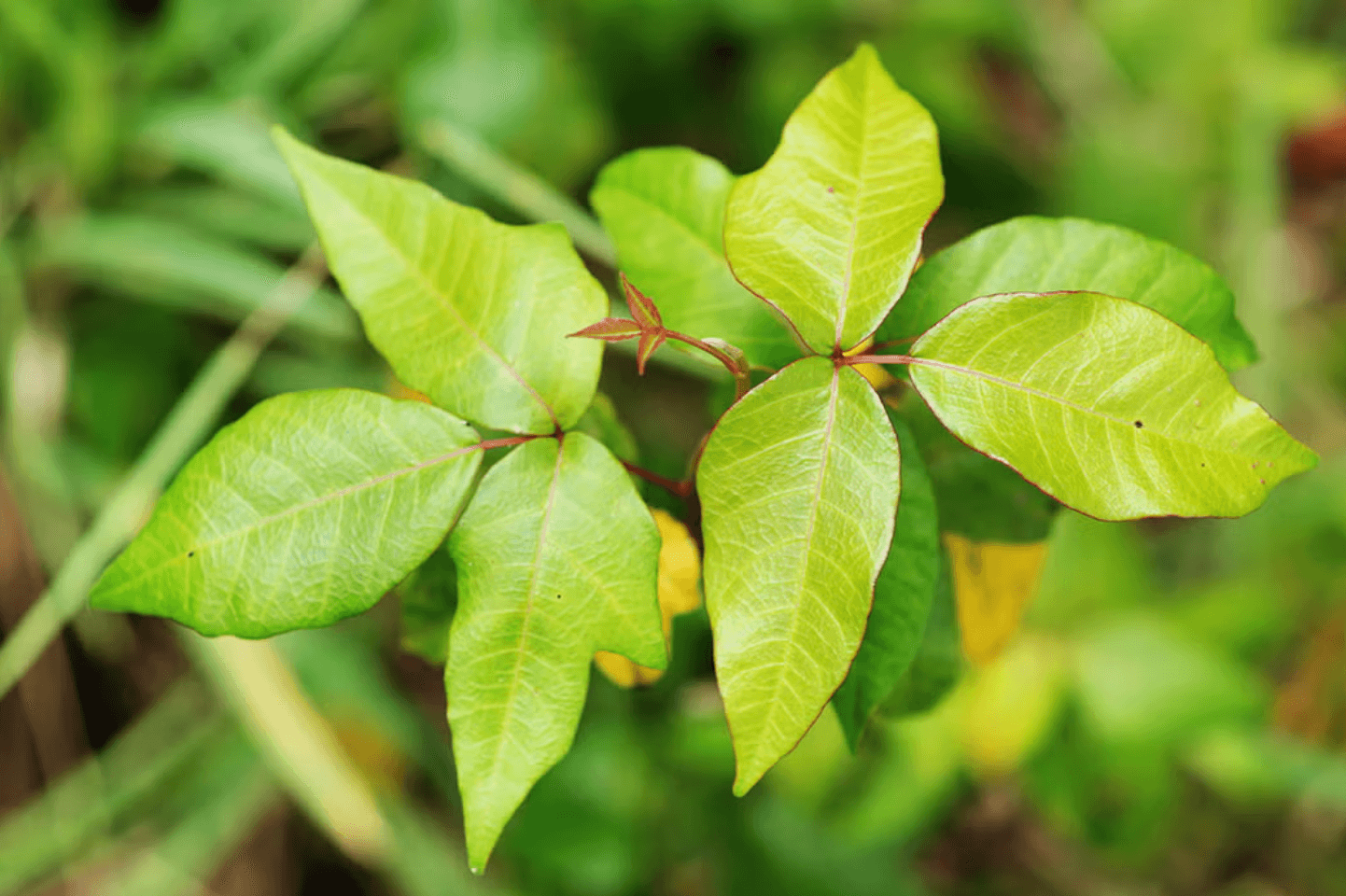
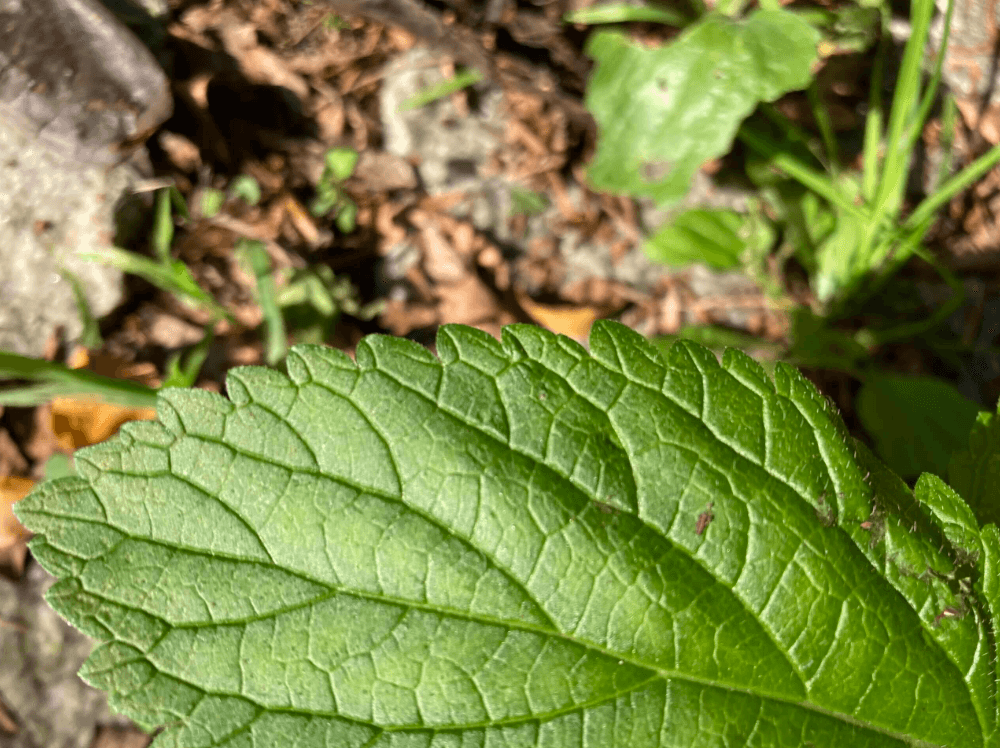
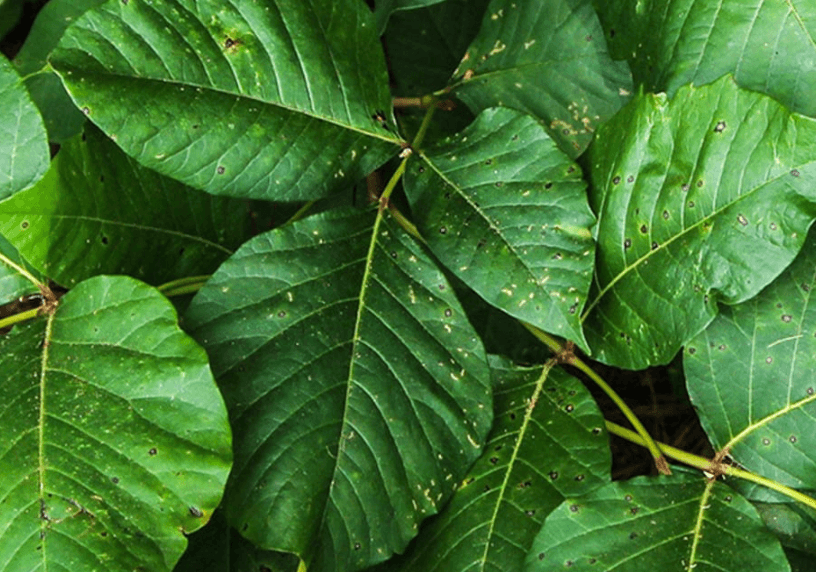
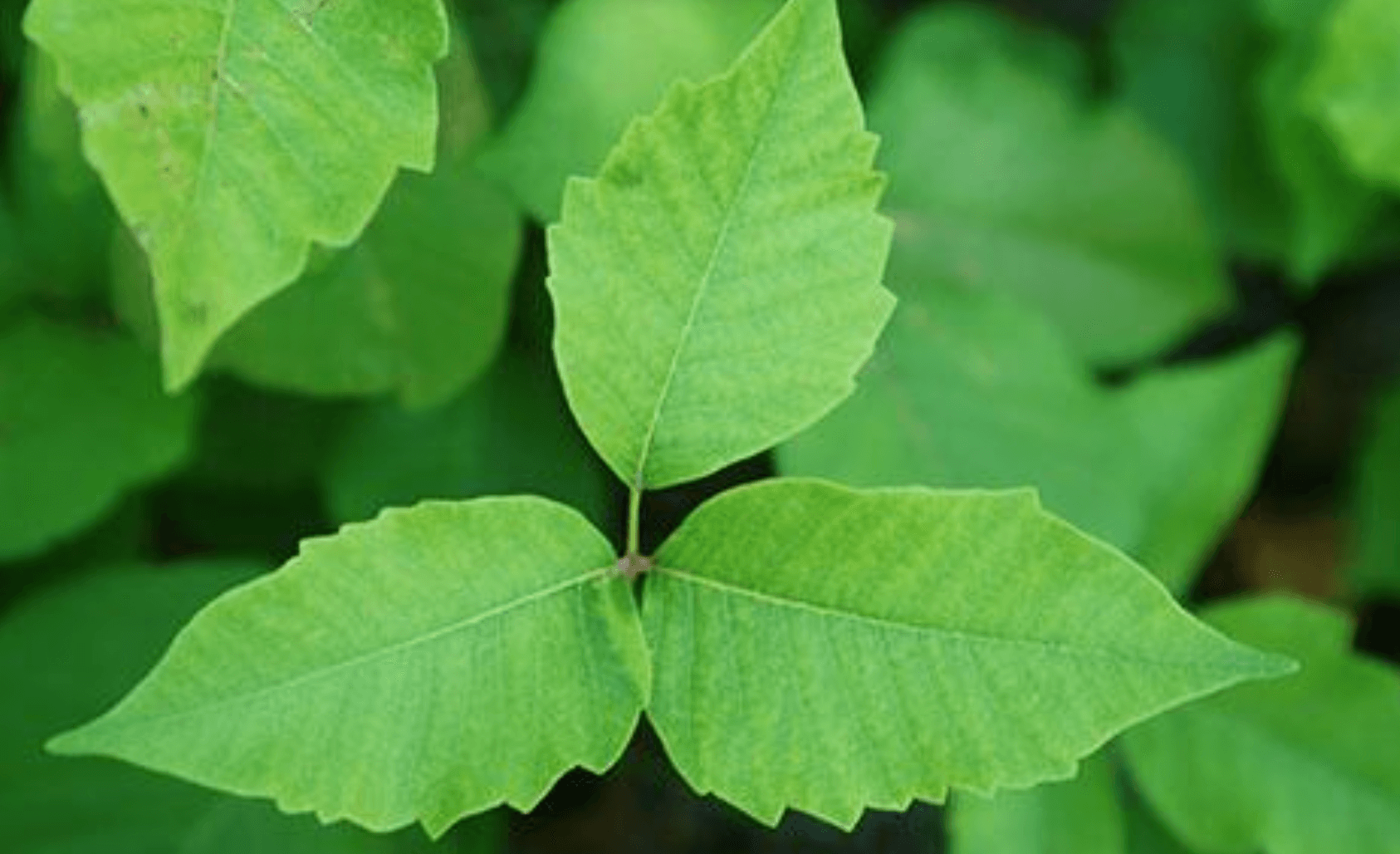
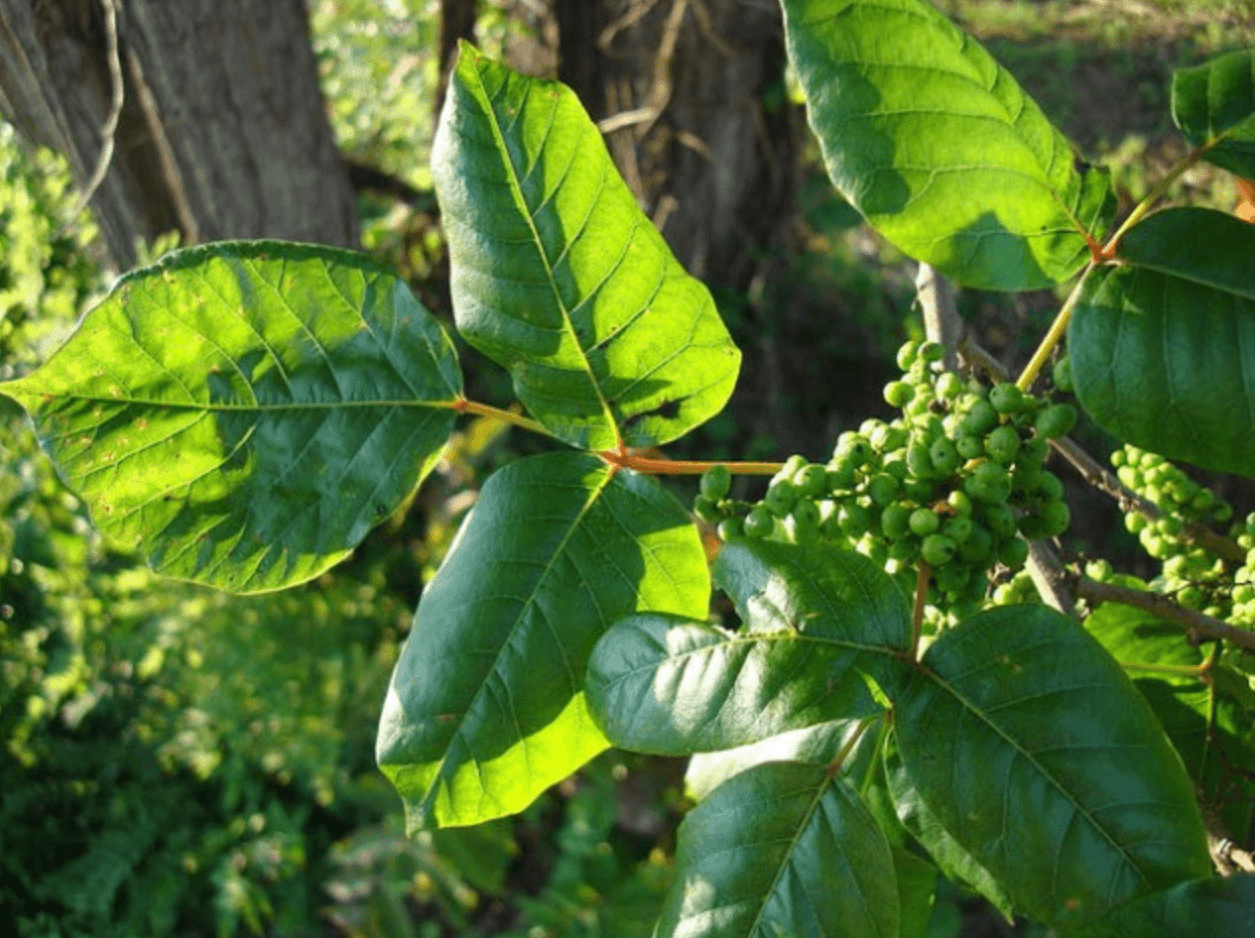
Posted by Dina Fine MaronMay 26See if you know how to recognize poison ivy with this quiz.Show 2 more findings ZoomQUIZ: How good are you at identifying poison ivy?NPRhttps://www.wbur.org/news/2023/08/22/massachusetts-new-england-poison-ivy-quiz
Posted by Dina Fine MaronMay 26Urushiol, the oily toxin in poison ivy, can remain allergenic on clothing for up to 5 years—or even longer.Show 3 more findings ZoomEverything You Need to Know About Poison IvyDes Moines University Clinichttps://www.dmuclinic.org/health-topics/posts/everything-you-need-to-know-about-poison-ivy/
Posted by Dina Fine MaronMay 26Poison ivy, which produces urushiol throughout the plant, not just in the leaves, can cause year-round rashes.Show 2 more findings ZoomMyths vs. Facts: Poison Ivy Rash and How to Get Rid Of ItUniversity of Virginia Healthhttps://www.uvahealth.com/healthy-balance/poison-ivy-rash
Posted by Dina Fine MaronMay 26Poison ivy's characteristic rash is caused by an allergic response to an oily substance in the plant called urushiol.Show 4 more findingsEp 63 Poison Ivy: It's Just UsThis Podcast Will Kill Youhttps://open.spotify.com/episode/5Nhh8uAJ0bfbFYHIwSfUP4
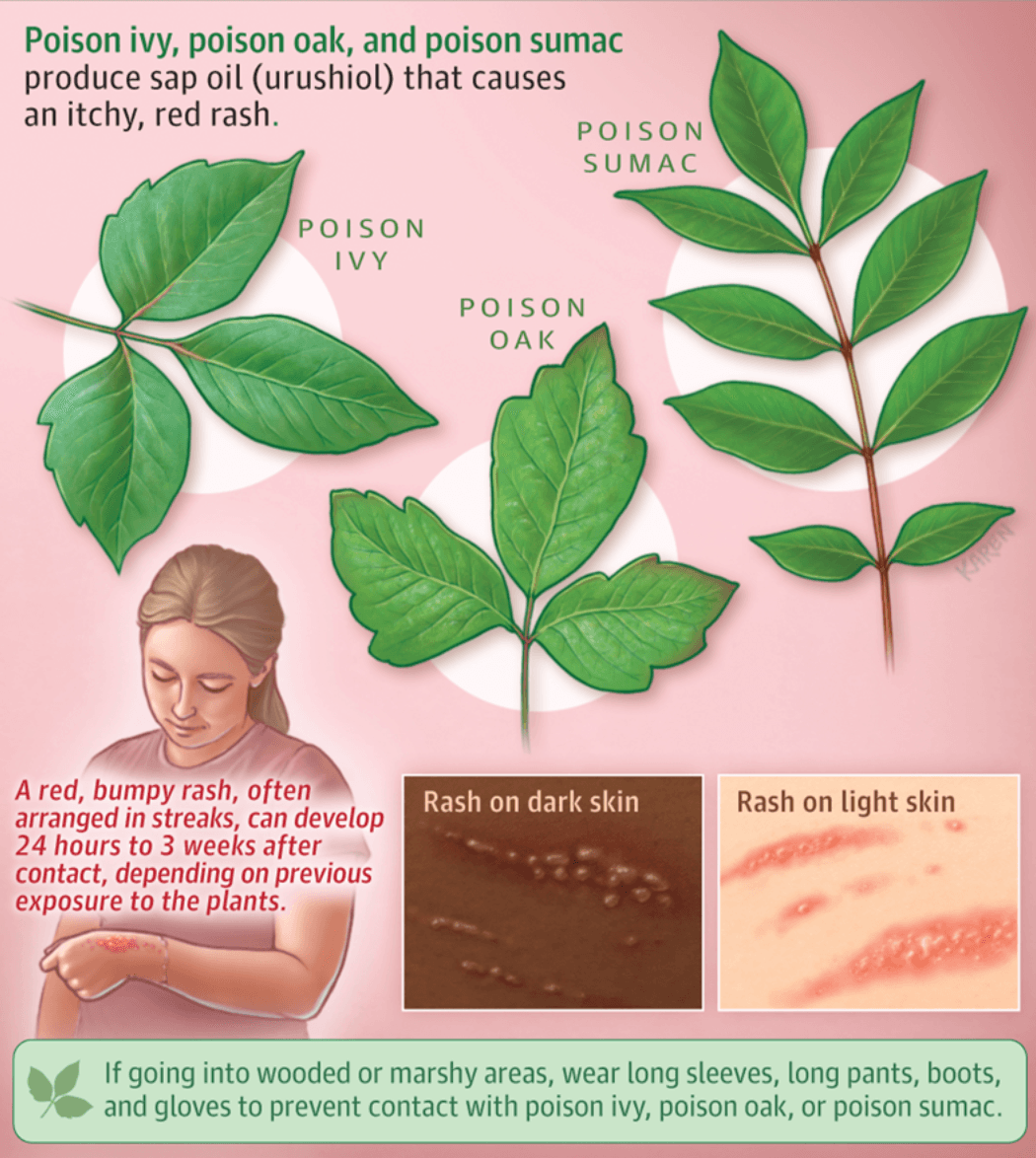
Posted by Dina Fine MaronMay 26Between 10 million and 50 million people in the US develop rashes from poison ivy, poison sumac, and poison oak annually.Show 5 more findings ZoomPatient Information: Poison Ivy, Poison Oak, and Poison SumacJAMA Networkhttps://jamanetwork.com/journals/jama/fullarticle/2818663
Posted by Dina Fine MaronMay 26Poison ivy was sent to Europe in the 1600s as an exotic, ornamental oddity.Show 3 more findings ZoomNo Ill Nature: The Surprising History and Science of Poison Ivy and Its RelativesScience History Institutehttps://www.sciencehistory.org/stories/magazine/no-ill-nature-the-surprising-history-and-science-of-poison-ivy-and-its-relatives/
Posted by Dina Fine MaronMay 26Poison ivy is in the same family as mangoes, cashews, and pistachios, and they all produce oily urushiol in their raw, unprocessed state—but they are typically prepared in ways to avoid causing human discomfort.Show 3 more findings ZoomA poison ivy primerSmithsonianhttps://www.si.edu/stories/poison-ivy-primer
Posted by Dina Fine MaronMay 26During the French Revolution, a botanist's letter asking about "dear Rhus" (poison ivy) was intercepted and led to authorities' suspicions he was conspiring with the Russians.Show 3 more findingsSawbones: Poison IvySawbones: A Marital Tour of Misguided Medicinehttps://open.spotify.com/episode/2ZR4wP5SkTr8LWy9gpzEMI
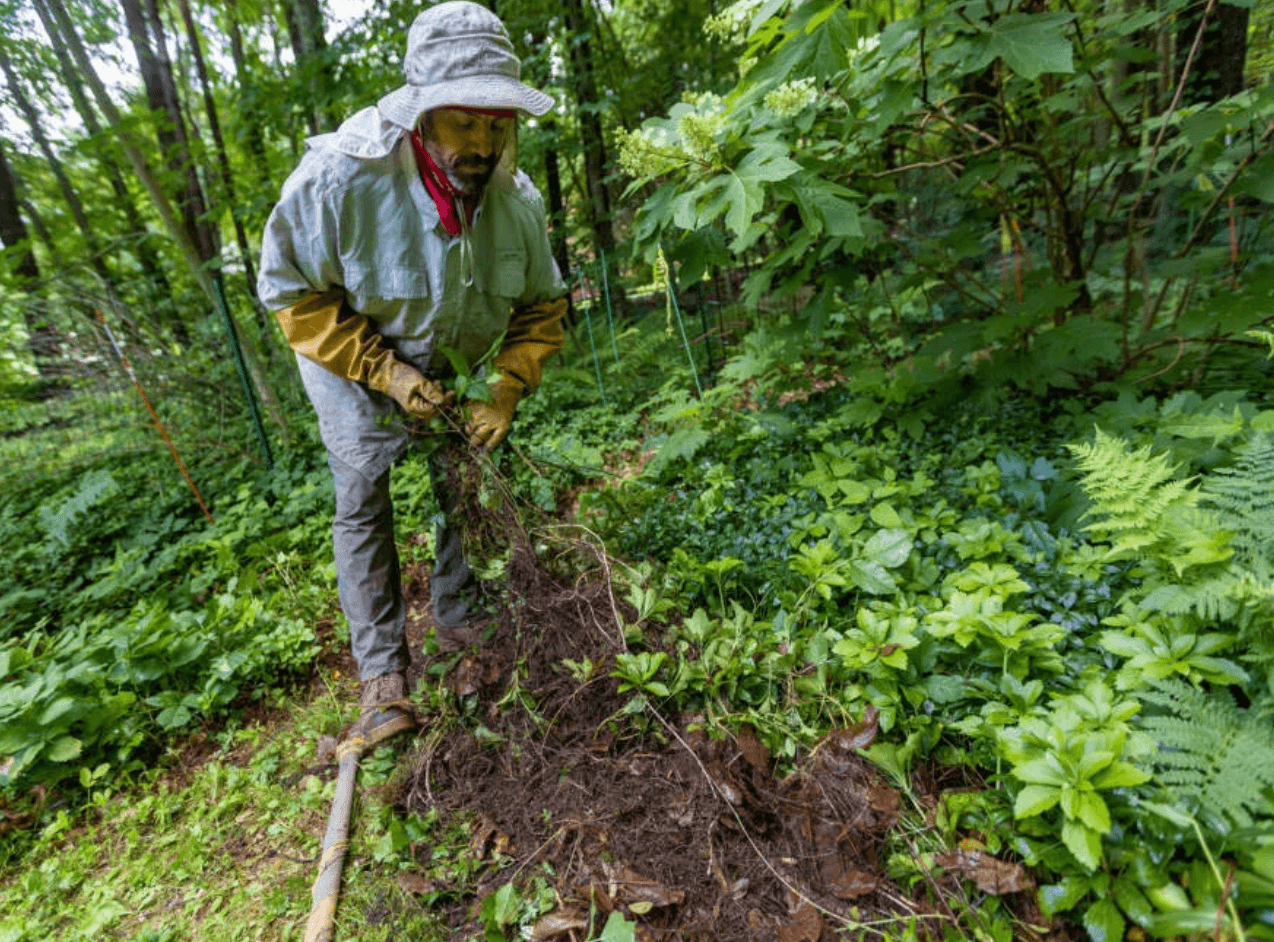
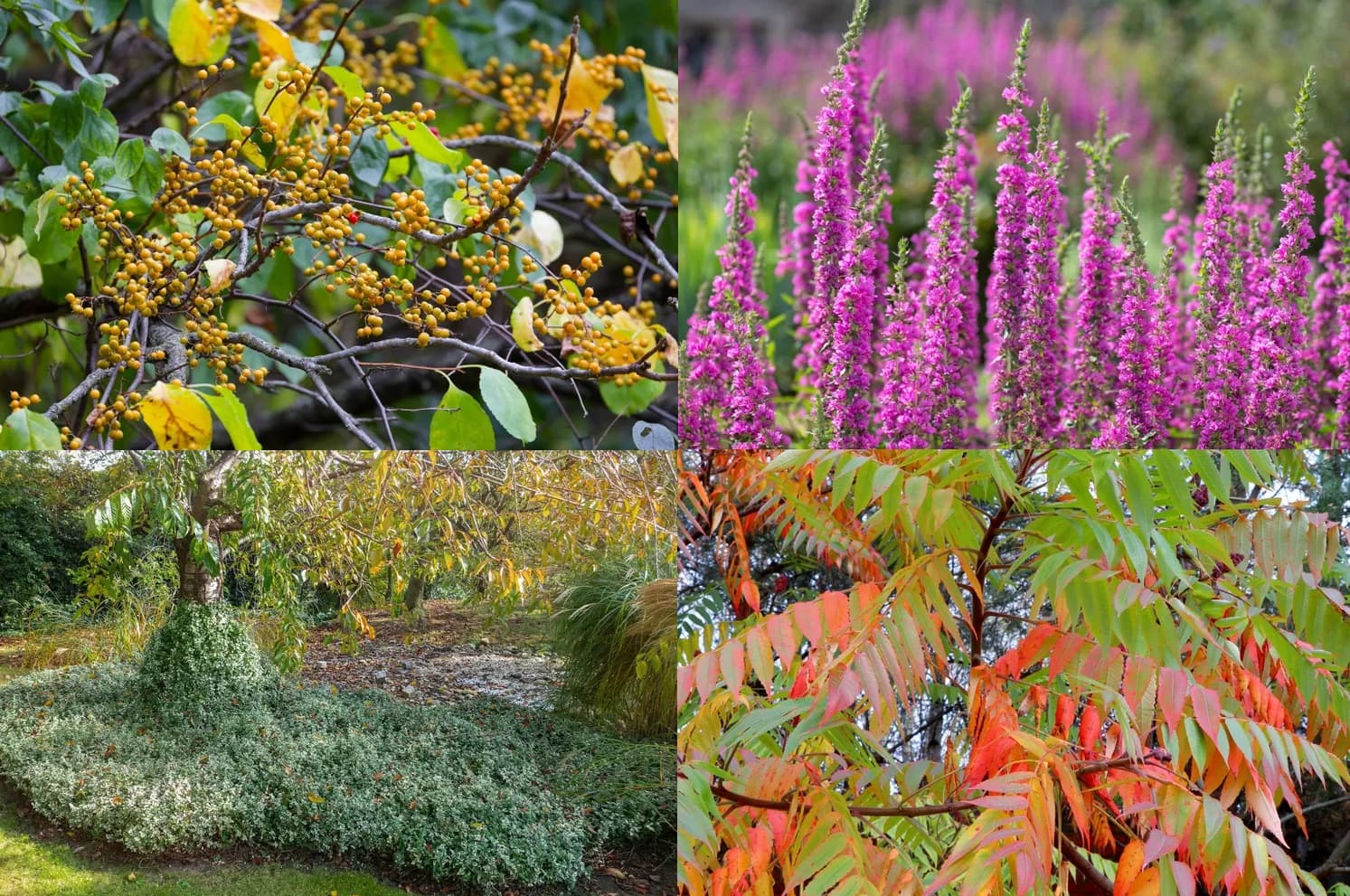
Posted by Marco Daniel MachadoJun 18Some invasive plants, such as English ivy, maiden grass, and Norway maple, can swiftly take over gardens and damage yard structures if left unchecked.Show 6 more findings ZoomPlant Them Once, and Watch Them Wreak Havoc—7 Invasive Plants That Will Take Over Your GardenThe Sprucehttps://www.thespruce.com/invasive-plants-that-will-take-over-your-garden-11928902
Posted by Dina Fine MaronJan 12Increases in atmospheric carbon dioxide lead plants to produce more pollenPollen issues are emerging earlier in the year and lasting longer as rising levels of carbon dioxide in the atmosphere boost plants’ pollen production and also simultaneously extend warmer, pollen-producing seasons.WIREDhttps://www.wired.com/story/welcome-to-the-worst-allergy-season-ever-pollen/
Posted by Dina Fine MaronJun 15In 1982, around 20% of the people who ate some of the roughly 7,400 bags of cashews sold as part of a Little League fundraiser in Pennsylvania broke out in rashes because of natural urushiol residue on the nuts' shells that hadn't been removed and fully cooked off—the same allergy-inducing substance found in poison ivy. Show 4 more findingsDermatitis Associated with Cashew Nut Consumption -- PennsylvaniaMorbidity and Mortality Weeklyhttps://www.cdc.gov/mmwr/preview/mmwrhtml/00001269.htm
Posted by Marco Daniel MachadoFeb 18Climate change creates conditions for more invasive speciesIncreasing temperatures shift the conditions native organisms are accustomed to, allowing those from warmer climates to move in with a greater chance of survival. Drought stress can cause invasive plants to absorb less herbicide, limiting the effectiveness of the control method, while melting ice can open new Arctic shipping routes, expanding the transport of species.Columbia Climate Schoolhttps://news.climate.columbia.edu/2024/03/12/how-climate-change-drives-the-spread-of-invasive-plants/
Posted by Marco Daniel MachadoFeb 11Plants use physical and chemical defenses to protect themselvesTree bark is difficult to chew and resistant to pathogens, while the waxy cuticle on the surface of leaves deters insects and microbes. Some plants possess thorns, spines, and prickles to discourage predators. Plant cells can also produce antimicrobial toxins or release compounds to alert parasitic wasps to lay eggs in attacking insects. 6:12The amazing ways plants defend themselves - Valentin HammoudiTED-Edhttps://www.youtube.com/watch?v=Hja0SLs2kus
Posted by Dina Fine MaronJan 26The ‘humongous fungus’ may be the largest organism on Earth at more than 2,300 acresDiscovered in 1988, when it was only covering 400 acres, this massive colony of Armillaria ostoyae, based in Oregon, has taken hold among the tree roots of the Malheur National Forest. It consists of a vast network of unique long black filaments of fungal tissue called rhizomorphs that grow under the soil and infect tree roots, nourishing the fungus but killing the trees. Researchers believe this fungal growth dates back more than 8,000 years and currently weighs approximately 35,000 tons.https://www.oregonencyclopedia.org/articles/humongous-fungus-armillaria-ostoyae/
Posted by Marco Daniel MachadoJul 23While invasive species typically harm ecosystems by outcompeting native organisms for resources, some provide unexpected benefits, including new shelters, nesting habitats, and reduced environmental heat stress.Show 4 more findings 12:147 Times Invasive Species Actually HelpedSciShowhttps://www.youtube.com/watch?v=pJVX0h_8pV8
Posted by Dina Fine MaronApr 2Seasonal allergies don't always show up in childhoodThe human immune system may become sensitized to pollen and develop an allergic reaction to it after prolonged exposure. Other triggers for new seasonal allergies may include exposure to new environments and changing climate conditions that affect allergy season length and conditions for various pollens. 5:02TED-Edhttps://www.youtube.com/watch?v=-q7Fz7NIMWM
Posted by Marco Daniel MachadoApr 8How greenhouse gases and climate change impact the efficiency of photosynthesisA review in the Journal of Experimental Botany found that higher temperatures reduce the efficiency of enzymes involved in photosynthesis and impair a plant's ability to control water loss and regulate carbon dioxide uptake. While increased carbon dioxide levels are understood to accelerate plant growth by boosting photosynthesis, researchers suggest these effects more than offset the potential gain.University of Illinois Urbana-Champaignhttps://news.illinois.edu/not-just-co2-rising-temperatures-also-alter-photosynthesis-in-a-changing-climate/
Posted by Teddy BurkhardtJan 26You can be allergic to grass—but there are other reasons it can make you itch ZoomWhy does grass make my skin itch?The Conversationhttps://theconversation.com/why-does-grass-make-my-skin-itch-243046
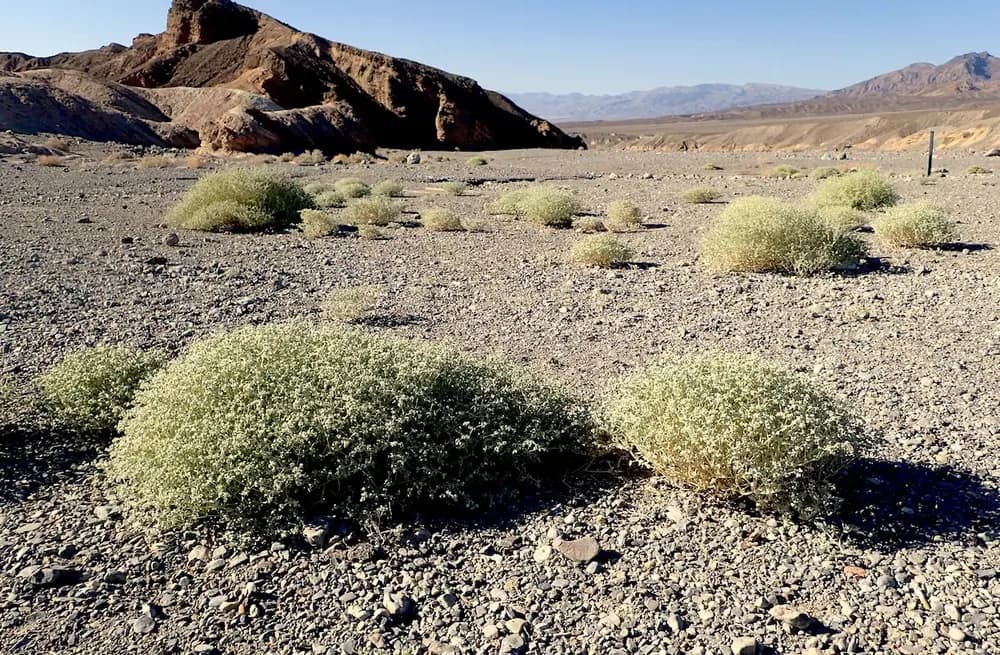
Posted by Marco Daniel MachadoApr 8A Death Valley shrub optimizes its cells' organelles to photosynthesize in extreme heatExamining the cellular structure of the plant under heat, scientists observed the formation of novel, cup-shaped chloroplasts and mitochondrial relocation, which shifted the plant's optimal photosynthesis temperature to 45 degrees Celsius (113 degrees Fahrenheit) as it tripled in mass over 10 days. Engineering these mechanisms in crops may help optimize them for hotter environments. ZoomIn a Death Valley Shrub, Scientists See a Blueprint for Heat-Proof CropsYale e360https://e360.yale.edu/digest/death-valley-shrub-heat-resistant-crops
Posted by Dina Fine MaronJan 12Zoo animals have developed allergies, tooAlthough scientists do not know if allergies manifest among wild animals—and if animals can survive with them—in a zoo setting, veterinarians have observed zoo animals with common allergy symptoms, including itchiness, crusty skin, and runny eyes. Veterinarians have identified Asian elephants with pollen allergies and at least one jaguar with an allergy to fleas.Discover Magazinehttps://www.discovermagazine.com/animals-may-not-get-allergies-in-the-wild-but-zoos-tell-a-different-story-46790
Posted by Marco Daniel MachadoMar 6Volatile chemical contamination can last in burn areas long after urban wildfiresLead, arsenic, asbestos, and other chemicals have been found trapped in smoke-exposed rugs, couches, pillows, and other furniture that appeared otherwise undamaged from the 2025 LA wildfires. The gradual release of these substances has produced dangerous indoor air concentrations and contributed to increased emergency room visits and abnormal blood tests.Tracking The Toxic Fallout Of The LA Fires • Science FridayScience Fridayhttps://open.spotify.com/episode/1qev1YsDGHo6cVvshtiYE3
Posted by Dina Fine MaronJan 8, 2024Climate change is influencing the spread of diseaseRising temperatures and water levels are forcing animals and pathogens beyond their typical boundaries. This article and its data visualizations explore the proliferation of climate-driven diseases. ZoomClimate ConnectionsAP Newshttps://projects.apnews.com/features/2023/climate-change-disease-animals-warming-earth/index.html
Posted by Teddy BurkhardtAug 30, 2023The fragility of the alpine tundraThis article takes readers into Rocky Mountain National Park's Alpine Tundra, an area above the tree line where only specially adapted plants can survive. One such plant is the cushion plant, which avoids strong winds by growing close to the ground... ZoomAlpine Tundra Ecosystem - Rocky Mountain National Park (U.S. National Park Service)National Park Servicehttps://www.nps.gov/romo/learn/nature/alpine_tundra_ecosystem.htm
Posted by Marco Daniel MachadoFeb 19Microforests in urban environments may help combat climate changeAreas of densely packed native trees and drought-tolerant plants within cities can pull carbon dioxide from the air, cool surrounding neighborhoods, and support local wildlife. The idea behind microforests traces back over 50 years to Japanese ecologist Dr. Akira Miyawaki, who promoted planting whole ecosystems to restore degraded land.Micro forests: an emerging climate hero? - Short Wave | Podcast on SpotifyShort Wavehttps://open.spotify.com/episode/5x3pl43CgbctojqQqomcY5
Posted by Marco Daniel MachadoJan 2While humans have been genetically modifying plants for millennia by selectively breeding organisms with certain traits, gene-editing tools like CRISPR have further enhanced plants, conferring resistance to drought, pests, and diseases.Show 1 more finding ZoomCRISPR in Agriculture: 2024 in ReviewInnovative Genomics Institutehttps://innovativegenomics.org/news/crispr-in-agriculture-2024/
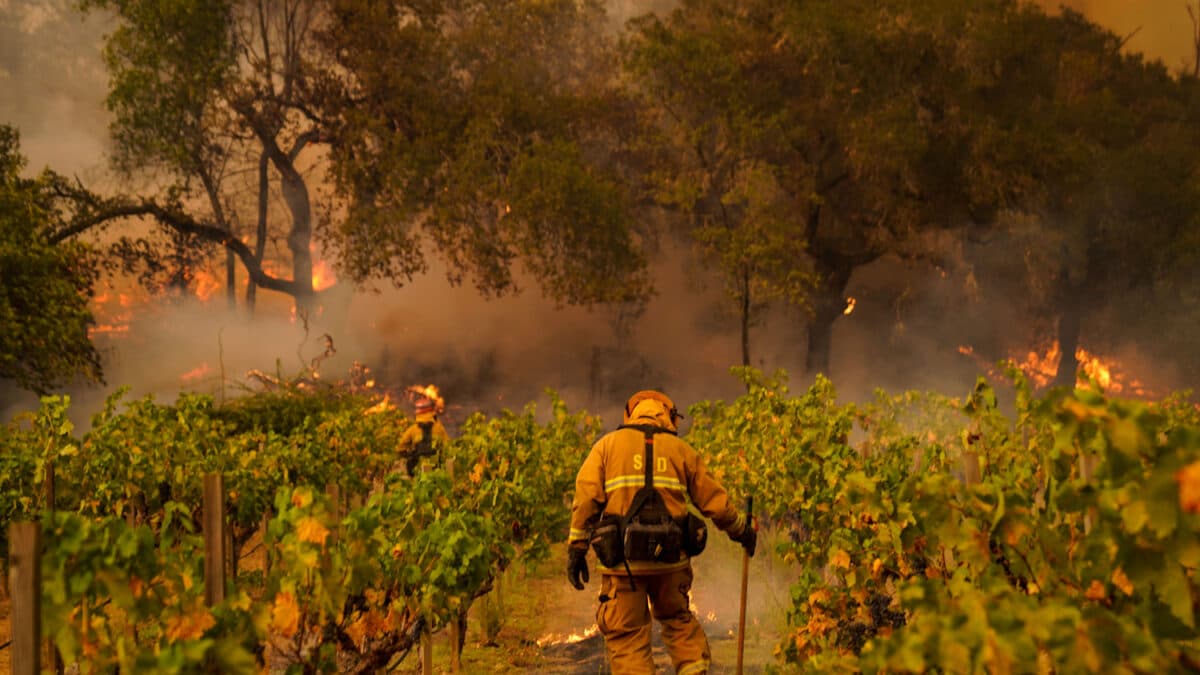
Posted by Marco Daniel MachadoDec 10, 2025A third of Americans now live in wildfire risk zonesClimate change and human development into fire-prone regions have extended the wildfire season, with some areas experiencing fire conditions year-round. Extreme conditions, poor compensation, and exposure to carcinogens have complicated firefighter recruitment, further exacerbating wildfire risks. 6:36Why fire "season" doesn't endVoxhttps://www.youtube.com/watch?v=roniU1iEZJs
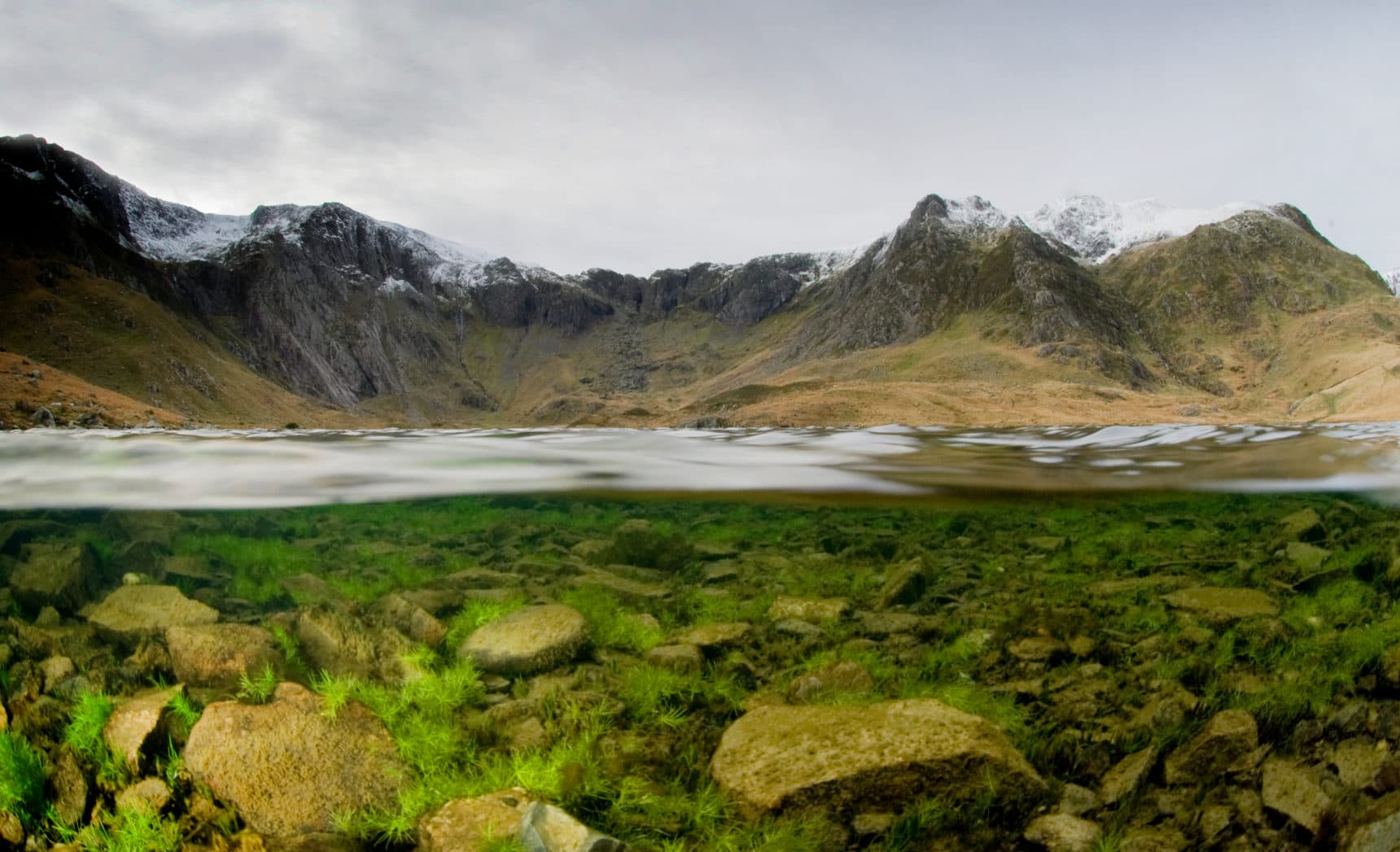
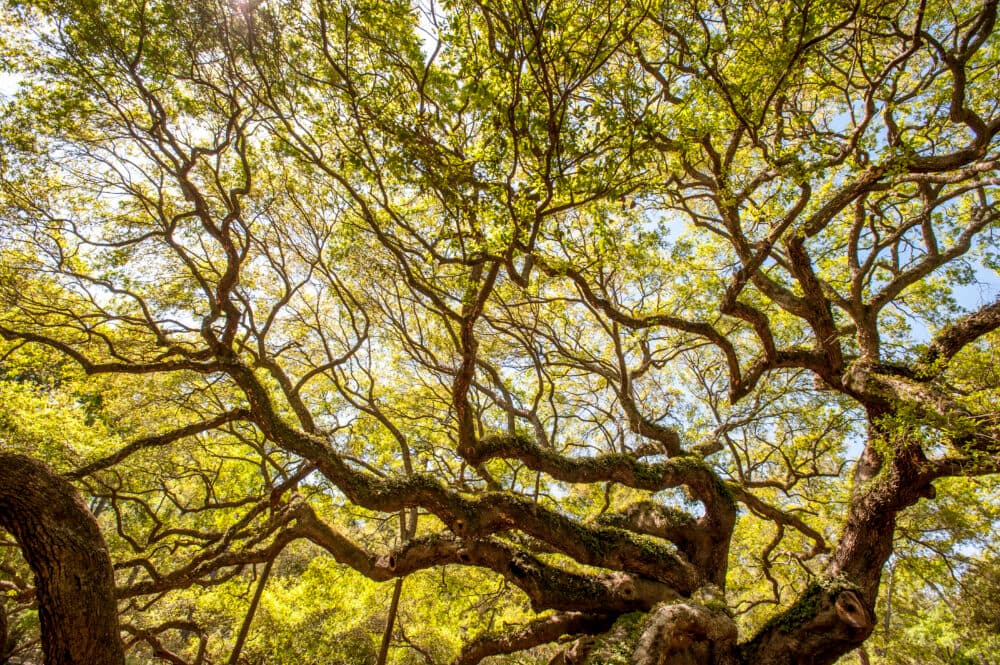
Posted by Marco Daniel MachadoAug 4Keystone species with average lifespans exceeding a century, oak trees support more organisms than any other North American tree genus by providing ecosystems with pollen, shelter, and nutrient-rich acorns.Show 4 more findings ZoomBuilding Wildlife Havens, One Oak at a Time - The National Wildlife Federation BlogNational Wildlife Federationhttps://blog.nwf.org/2024/05/building-wildlife-havens-one-acorn-oak-at-a-time/
Posted by Dina Fine MaronJan 26Most fungal pathogens can't survive the heat of our bodies.Show 2 more findings 0:56Kurzgesagt – In a Nutshellhttps://www.youtube.com/shorts/omNvSHfIv7s
Posted by Dina Fine MaronJan 27Natural toxins produced on plants or consumed by animals may cause food poisoningWhen humans eat plants with certain natural toxins on them—including a family of toxins called aflatoxins that fungi produce on crops like peanuts and corn— they can become ill with food poisoning. Toxins can still harm humans even if animals or plants appear fine to the human eye. The World Health Organization advises that we should throw away moldy or discolored foods, refrain from eating wild plants or mushrooms that aren’t definitively nonpoisonous, and remember that just because something is “natural” it’s not always safe to eat.World Health Organizationhttps://www.who.int/news-room/fact-sheets/detail/natural-toxins-in-food
Posted by Marco Daniel MachadoApr 28See examples of hyperaccumulators, the plants that can harvest heavy metalsThese ideal species for phytoremediation possess biochemistry that allows them to absorb and store these elements without being poisoned by their accumulation. Pycnandra acuminata, one such plant, has blue-green sap due to an abundance of nickel, which it captures from the nickel-rich soil in which it grows. 7:04Meet the hyperaccumulators: plants that can mine metalsGardening Australiahttps://www.youtube.com/watch?v=GcLH6WxkVkI
Posted by Marco Daniel MachadoFeb 18Invasive species can harm infrastructure and threaten human healthThe wildfires in Hawaii in 2022 were made worse by flammable invasive grasses introduced from Africa as livestock pasture, and Zebra mussels native to the Caspian and Black Seas have spread across Europe and the US, where they can clog power plant pipes. Invasive mosquitoes can carry diseases, such as dengue and malaria.World Economic Forumhttps://www.weforum.org/stories/2023/09/invasive-species-cost-global-economy-billions/
Posted by Dina Fine MaronApr 28Environmental conditions, shifting immunity, and viral strain could help explain 2025 spikeThe surge in HFMD in the summer and early fall of 2025 in the mid-Atlantic could be the result of a confluence of factors, including a more virulent strain of disease-causing virus, good environmental conditions for the virus to spread—hot, humd—and a potential immunity gap among kids due to milder HFMD outbreaks the previous year.MedPage Todayhttps://www.medpagetoday.com/infectiousdisease/generalinfectiousdisease/118631
Posted by Dina Fine MaronJan 12Inhalers, antihistamines, immunotherapy, and more have made allergies a multimillion-dollar marketMarket research suggests that the allergies market will continue to grow in the years ahead as the number of allergy diagnoses increases, identifying new patients. Areas of growth include the increasing interest in immunotherapies designed to retrain the immune system through regular exposure to potential allergens via injections and under-the-tongue medical formulations, among other approaches.https://www.cognitivemarketresearch.com/articles/which-are-the-top-manufacturing-companies-in-the-allergy-treatment-market
Posted by Marco Daniel MachadoNov 5, 2025Biosphere 2 revealed limitations in maintaining wildlife in unfamiliar environmentsTrees appeared to become weak and more prone to breaking because a lack of wind caused them to no longer need to develop stress wood. The extinction of pollinators—potentially due to an explosion in the population of longhorn crazy ants—was also unexpected.The B2 missions revealed limitations of maintaining wildlife in unfamiliar environmentsBBChttps://www.bbc.com/future/article/20250703-how-the-biosphere-2-experiment-changed-our-understanding-of-the-earth
Posted by Marco Daniel MachadoJun 24Green algae have lived on Earth for about 1 billion years, roughly twice as long as the first plants.Show 2 more findings ZoomBillion-Year-Old Algae and Newer Genes Hint at Land Plants’ OriginQuanta Magazinehttps://www.quantamagazine.org/billion-year-old-algae-and-newer-genes-hint-at-land-plants-origin-20200326/
Posted by Dina Fine MaronJan 12Allergies occur when our immune system mistakenly considers a substance a threatImmunoglobulin E antibodies, or IgE antibodies, may bind to an allergen, effectively labeling it as a threat. That triggers a cascade of actions in the body, including the release of histamine, which causes the characteristic itching and hives of allergies. Sometimes a cooked version of an allergen—like a cooked carrot—may look different enough from its raw form to the immune system that antibodies ignore it, and no allergic response takes place. 29:13https://www.youtube.com/watch?v=6cOWzQA3jPc
Posted by Dina Fine MaronJan 12Unlike food allergens, encountering inhaled allergens—like pollen—rarely causes life-threatening illness. Show 3 more findings ZoomAnaphylaxis: A Severe Allergic ReactionCleveland Clinichttps://my.clevelandclinic.org/health/diseases/8619-anaphylaxis