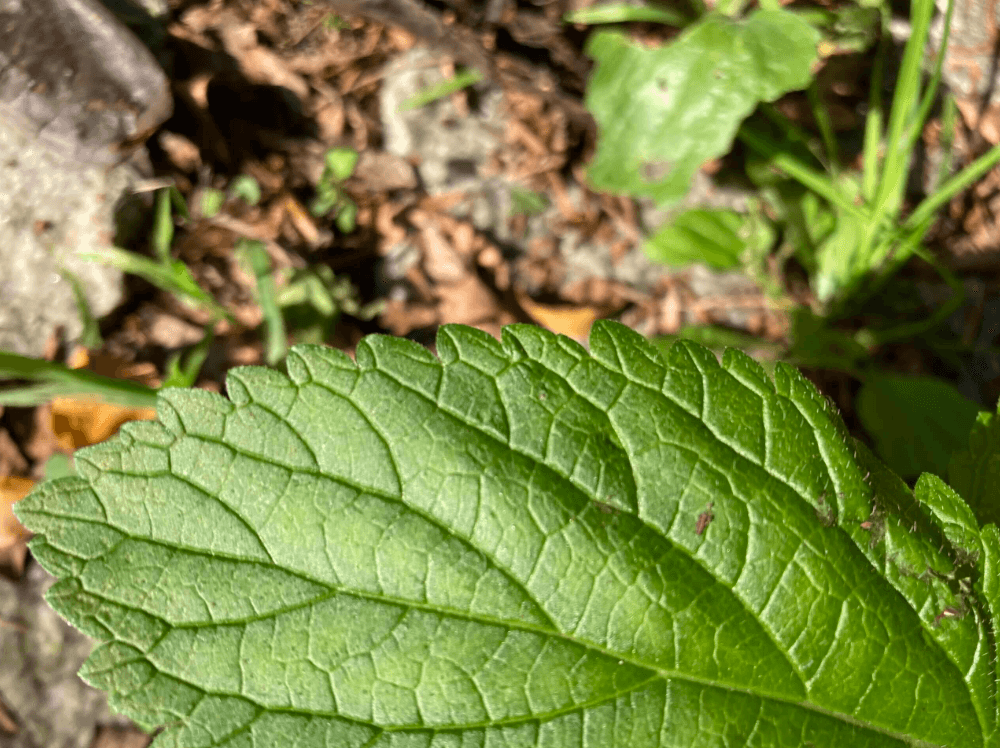
Posted by Teddy BurkhardtJan 26You can be allergic to grass—but there are other reasons it can make you itch ZoomWhy does grass make my skin itch?The Conversationhttps://theconversation.com/why-does-grass-make-my-skin-itch-243046
Posted by August MoonFeb 18, 2025Why some people have allergiesWhy do some people have allergies while others don’t? One theory suggests allergies are a relic of our evolutionary past. Our immune system, once primed to fight parasites, now mistakes harmless substances for threats. 1:25Why Some People Have Allergies1440 Originalshttps://www.youtube.com/shorts/tP-n9-dg8GM
Posted by Dina Fine MaronApr 2Seasonal allergies don't always show up in childhoodThe human immune system may become sensitized to pollen and develop an allergic reaction to it after prolonged exposure. Other triggers for new seasonal allergies may include exposure to new environments and changing climate conditions that affect allergy season length and conditions for various pollens. 5:02TED-Edhttps://www.youtube.com/watch?v=-q7Fz7NIMWM
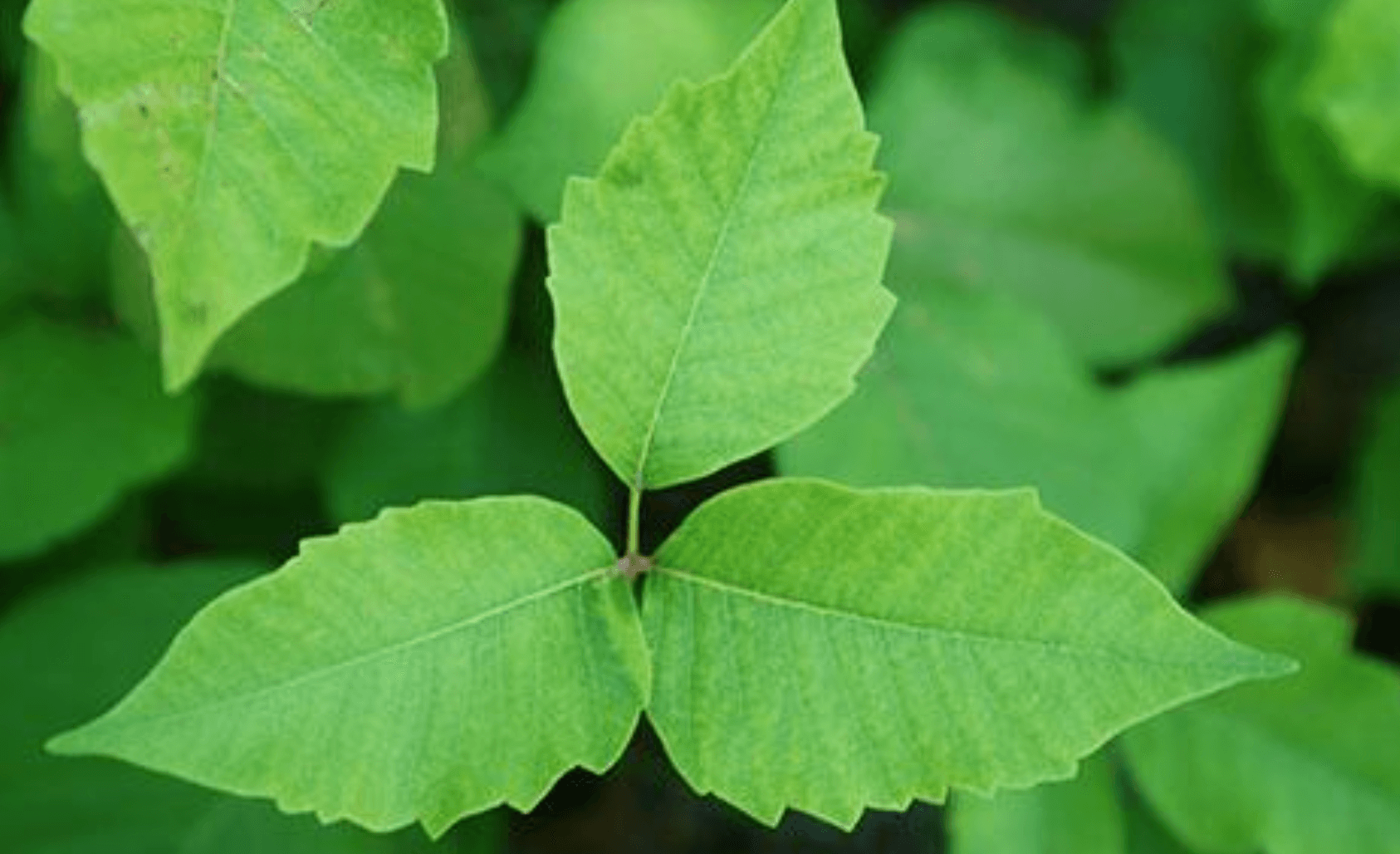
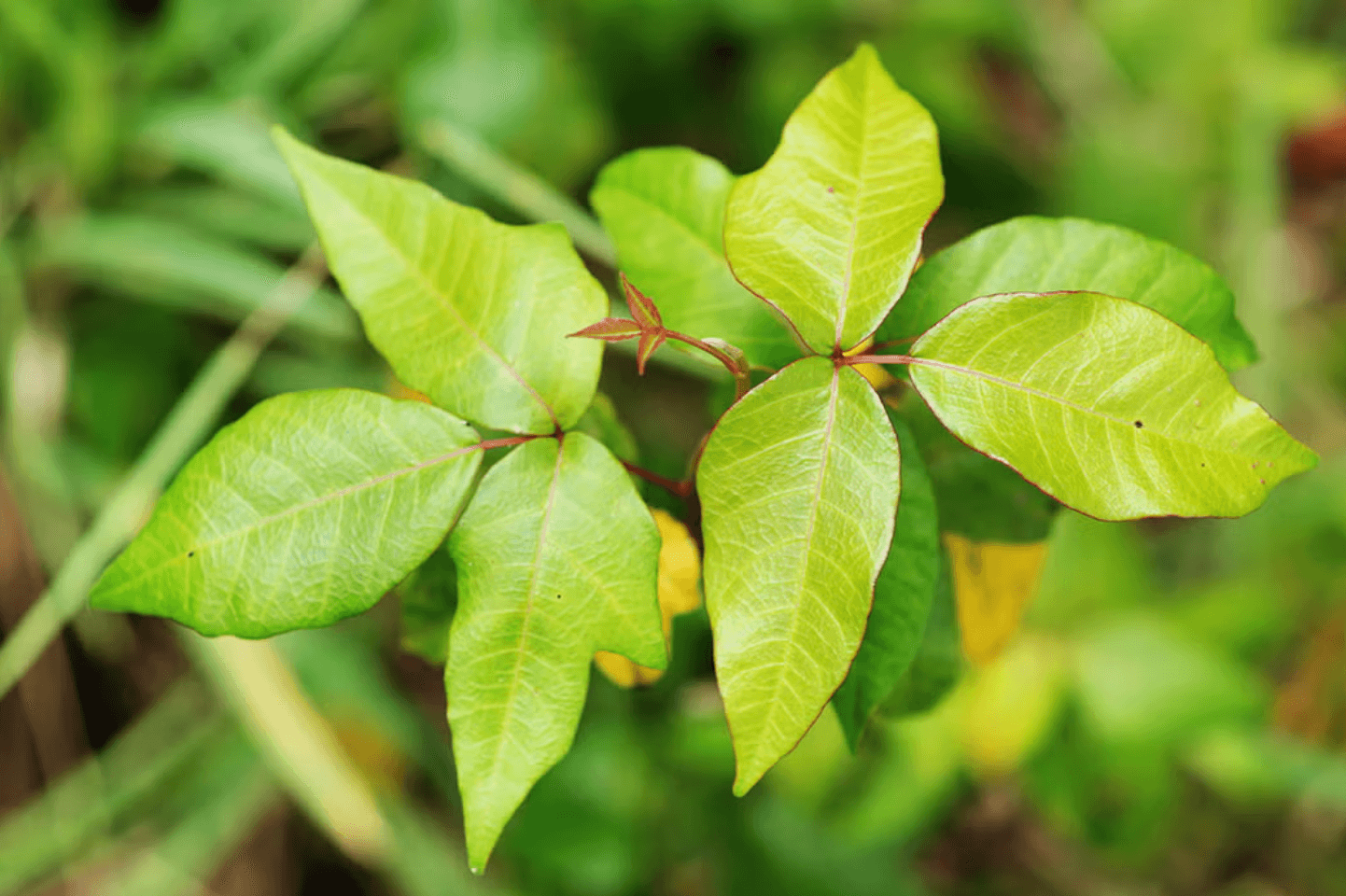
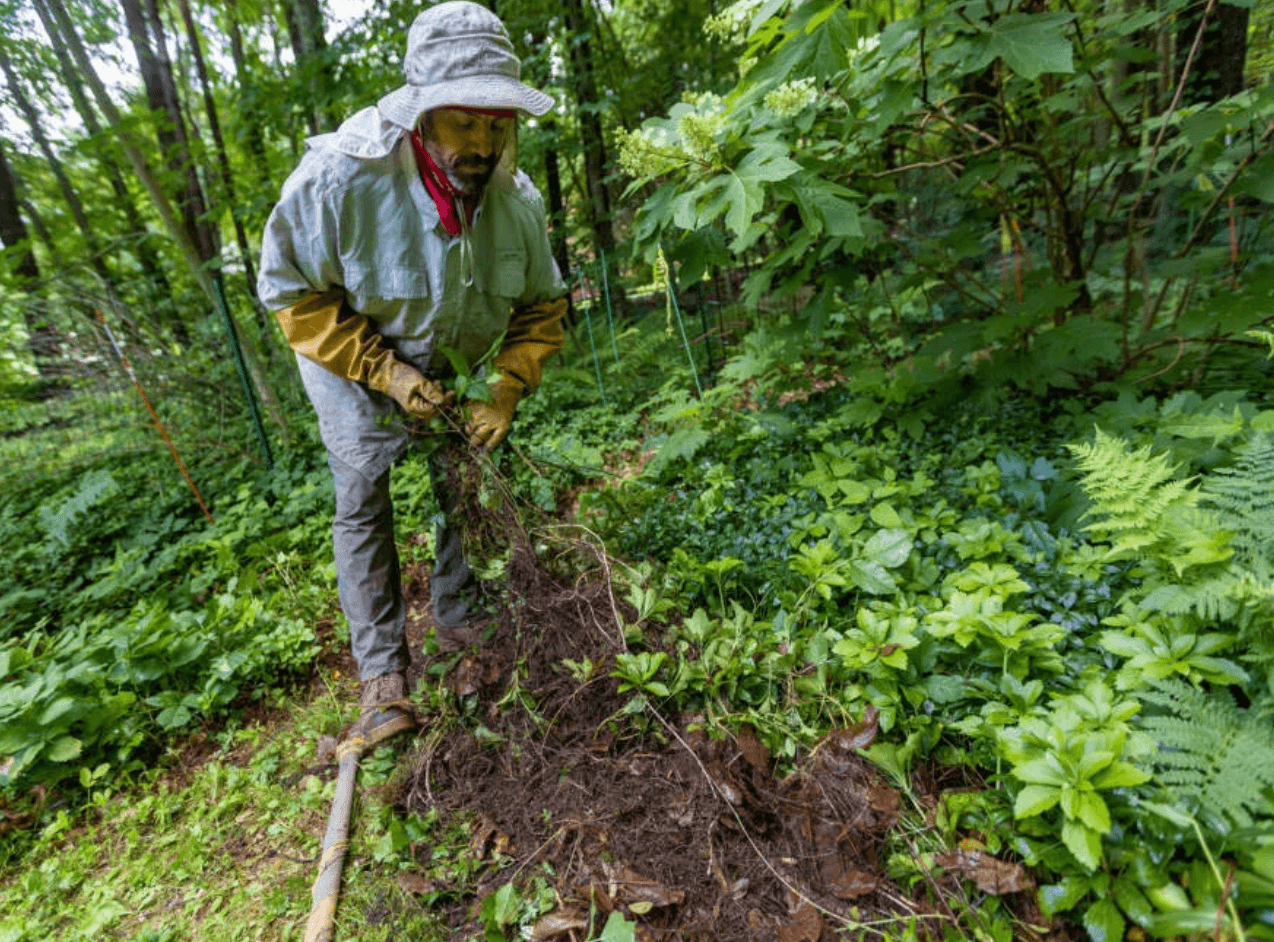
Posted by Dina Fine MaronMay 26Poison ivy, which produces urushiol throughout the plant, not just in the leaves, can cause year-round rashes.Show 2 more findings ZoomMyths vs. Facts: Poison Ivy Rash and How to Get Rid Of ItUniversity of Virginia Healthhttps://www.uvahealth.com/healthy-balance/poison-ivy-rash
Posted by Dina Fine MaronJan 12Allergies occur when our immune system mistakenly considers a substance a threatImmunoglobulin E antibodies, or IgE antibodies, may bind to an allergen, effectively labeling it as a threat. That triggers a cascade of actions in the body, including the release of histamine, which causes the characteristic itching and hives of allergies. Sometimes a cooked version of an allergen—like a cooked carrot—may look different enough from its raw form to the immune system that antibodies ignore it, and no allergic response takes place. 29:13https://www.youtube.com/watch?v=6cOWzQA3jPc
Posted by Dina Fine MaronJan 12Zoo animals have developed allergies, tooAlthough scientists do not know if allergies manifest among wild animals—and if animals can survive with them—in a zoo setting, veterinarians have observed zoo animals with common allergy symptoms, including itchiness, crusty skin, and runny eyes. Veterinarians have identified Asian elephants with pollen allergies and at least one jaguar with an allergy to fleas.Discover Magazinehttps://www.discovermagazine.com/animals-may-not-get-allergies-in-the-wild-but-zoos-tell-a-different-story-46790
Posted by Dina Fine MaronApr 23The word allergy is partly derived from the Greek word 'allos' for 'other' For people with allergies, their immune systems recognize substances as a harmful "other"—cuing an inflammatory response. This podcast explores allergy details and related topics, including how scientists are interested in if the same allergic response mechanisms could underpin other health issues, including severe, painful symptoms around the time of menstrual cycles. Since estrogen acts on white blood cells called mast cells, which leads to the release of histamines—similar to what happens during allergic responses—an understudied question is whether the same process is fueling some of the uncomfortable symptoms around menstruation. An allergist guest notes this raises questions about if antihistamine medications like Pepsid might alleviate them, something that hasn't yet been explored in clinical trials. Ologies with Alie Wardhttps://open.spotify.com/episode/22nj0dXRBJrJeGsy6tOx35
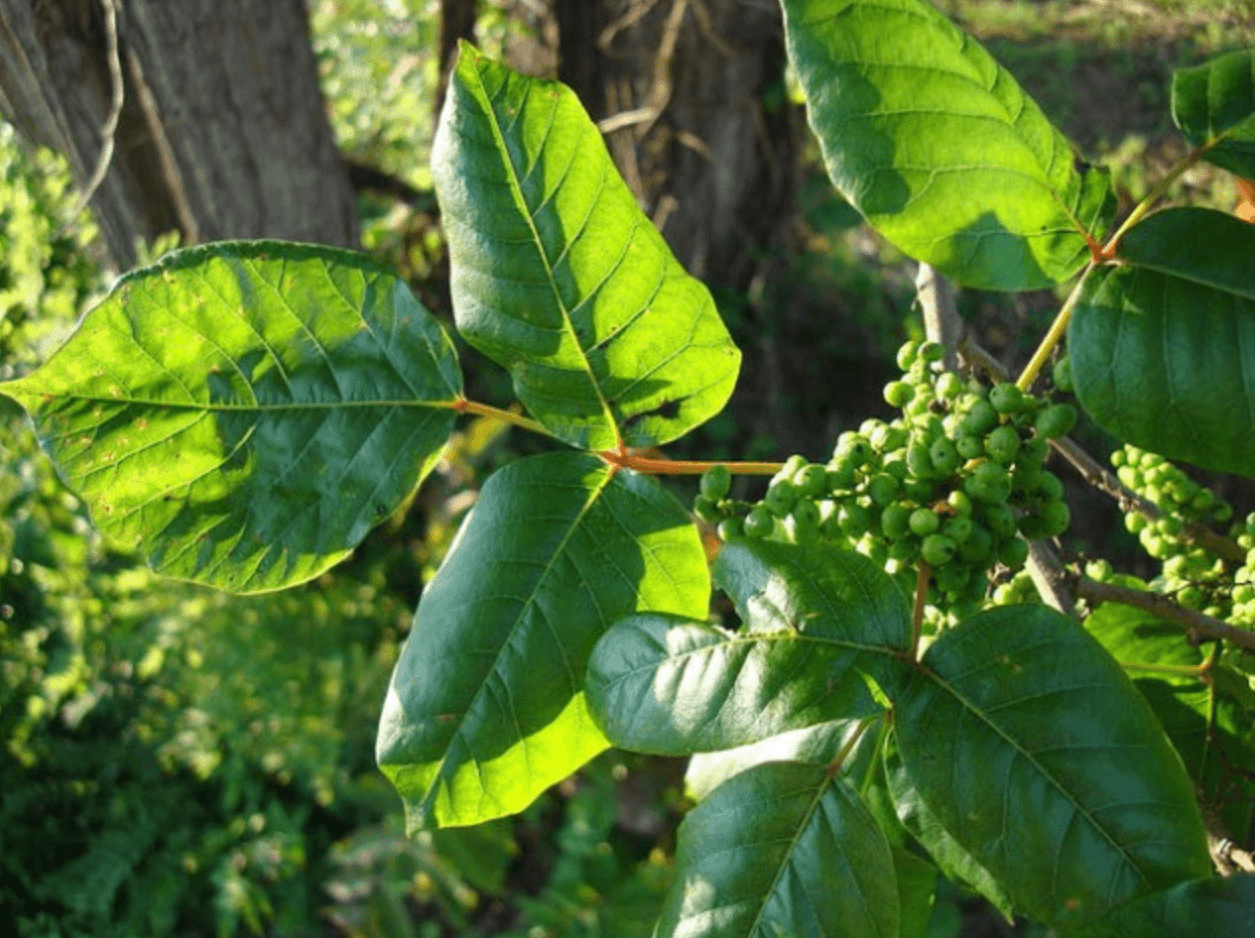
Posted by Dina Fine MaronMay 26Poison ivy's rash-causing compound is found in the plant's roots, stem, and leaves—so coming into contact with any part of the plant can lead to rashes for the 85% of people who are allergic to it.Show 6 more findingsHow Poison Ivy WorksStuff You Should Knowhttps://open.spotify.com/episode/2mhpXWjd46gFJXmNvZhrIj
Posted by Dina Fine MaronMay 26Poison ivy is in the same family as mangoes, cashews, and pistachios, and they all produce oily urushiol in their raw, unprocessed state—but they are typically prepared in ways to avoid causing human discomfort.Show 3 more findings ZoomA poison ivy primerSmithsonianhttps://www.si.edu/stories/poison-ivy-primer
Posted by Dina Fine MaronJan 12Amish kids have far fewer allergies than the general populationOnly about 7% of Amish children in a northern Indiana community have tested positive for common allergens in routine skin prick tests, whereas half of the general US population tests positive for them. Asthma is also extremely uncommon among the Amish, even when compared with other farming communities. Researchers are interested in exploring if approaches like exposing kids across the general population to Amish farm dust might stave off some allergies. 1:20The Washington Posthttps://www.youtube.com/watch?v=sAGRa8nlKqU
Posted by Dina Fine MaronMay 26Urushiol, the oily toxin in poison ivy, can remain allergenic on clothing for up to 5 years—or even longer.Show 3 more findings ZoomEverything You Need to Know About Poison IvyDes Moines University Clinichttps://www.dmuclinic.org/health-topics/posts/everything-you-need-to-know-about-poison-ivy/
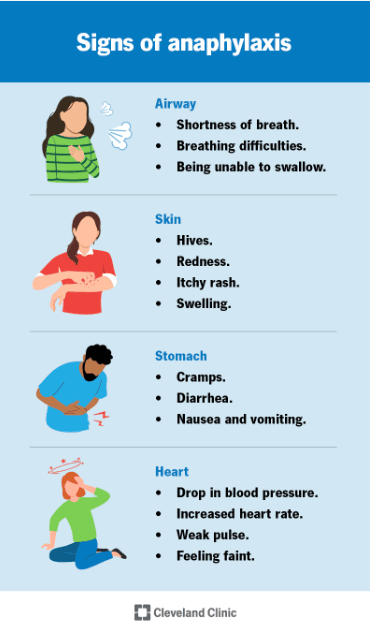
Posted by Dina Fine MaronJan 12Unlike food allergens, encountering inhaled allergens—like pollen—rarely causes life-threatening illness. Show 3 more findings ZoomAnaphylaxis: A Severe Allergic ReactionCleveland Clinichttps://my.clevelandclinic.org/health/diseases/8619-anaphylaxis
Posted by Dina Fine MaronJan 12Tick bites can fuel an allergy to a sugar molecule in red meatAlpha-gal syndrome is on the rise globally as ticks spread due to climate shifts. Bites from some ticks can trigger a sensitivity to a sugar molecule called alpha-gal found in mammal meat, which can lead to allergic responses to hamburgers and steak, among other products. Listen to an expert’s tips for avoiding this allergy, including quickly removing any ticks to limit exposure to their saliva or vomit.The Guardianhttps://www.scientificamerican.com/podcast/episode/what-is-alpha-gal-syndrome-symptoms-causes-and-way-to-get-tested/
Posted by Dina Fine MaronJan 12Allergy tests identify antibodies, but not whether allergy symptoms may appearSkin prick tests and blood tests, the two most common allergy tests, both detect the presence of allergen-specific antibodies. But just because the body has those antibodies doesn’t mean that a person is “allergic” to a substance or that they will develop symptoms of an allergy when encountering the substance. Allergists work with families to interpret the results and sometimes combine that data with approaches including exposure challenges—giving someone a tiny bit of the food or substance they may be allergic to—under medical supervision.https://www.aaaai.org/tools-for-the-public/conditions-library/allergies/allergy-testing
Posted by Dina Fine MaronJan 12Modern conveniences may be contributing to allergy increasesA combination of genetics and how the environment changes our genes are likely contributing to the rise in allergies. But daily conveniences, such as dishwashers and packaged baby food, also change the level of bacterial exposures in early life, with potential implications for allergy development, experts from Mount Sinai Health System state in this video discussion. 51:40https://www.youtube.com/watch?v=9OFjKY9RiMY
Posted by Dina Fine MaronJun 15In 1982, around 20% of the people who ate some of the roughly 7,400 bags of cashews sold as part of a Little League fundraiser in Pennsylvania broke out in rashes because of natural urushiol residue on the nuts' shells that hadn't been removed and fully cooked off—the same allergy-inducing substance found in poison ivy. Show 4 more findingsDermatitis Associated with Cashew Nut Consumption -- PennsylvaniaMorbidity and Mortality Weeklyhttps://www.cdc.gov/mmwr/preview/mmwrhtml/00001269.htm
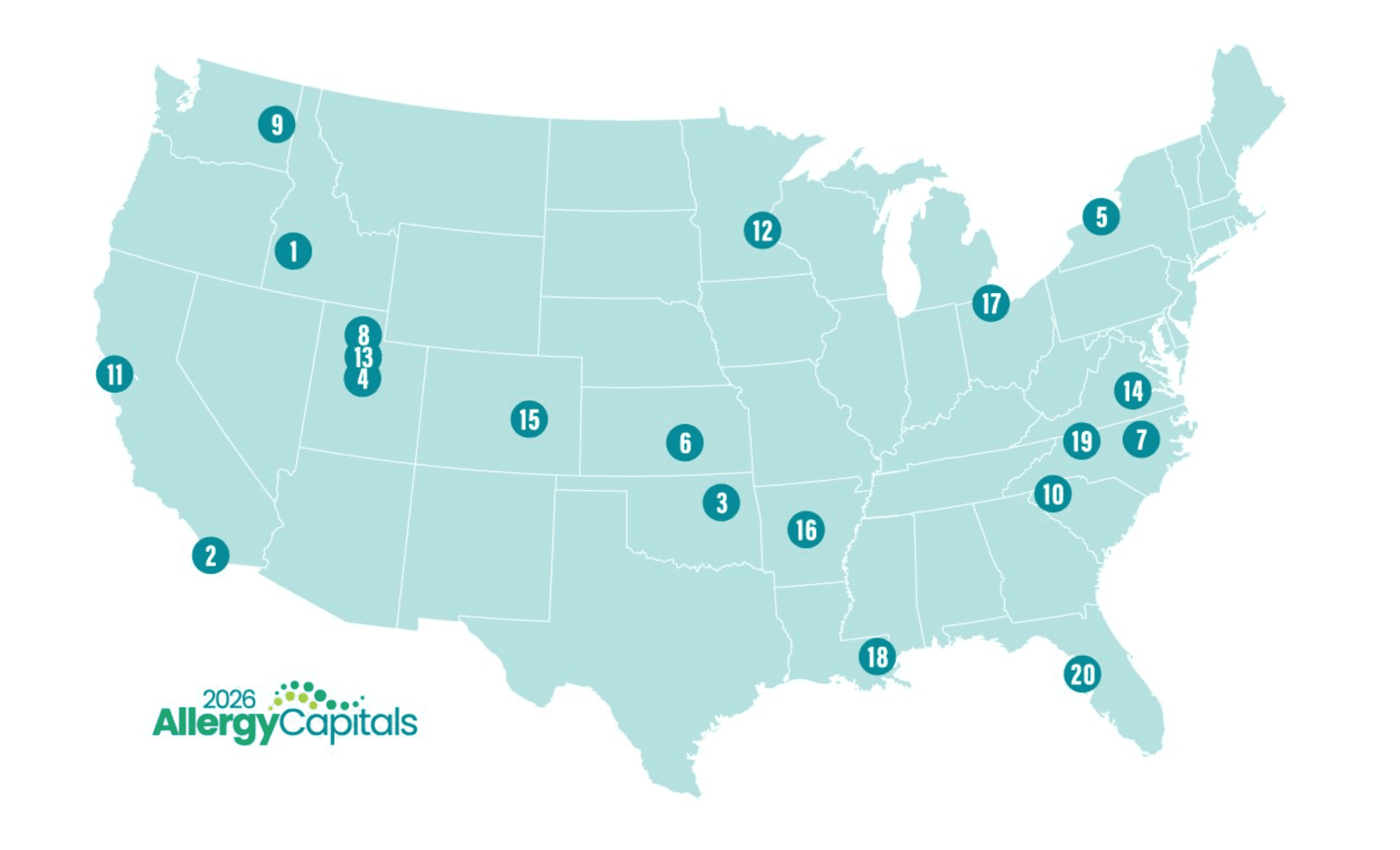
Posted by Dina Fine MaronJan 12Wichita is the worst US city to live in if you suffer from seasonal allergiesMore than 100 million people in the United States suffer from allergies each year. But Wichita, Kansas, tops the charts year after year as the worst city in America for those suffering from seasonal allergies. Longer and more intense pollen allergy seasons, however, are increasing the burden of living with seasonal allergies in numerous locations across the country. Zoomhttps://aafa.org/asthma-allergy-research/allergy-capitals/
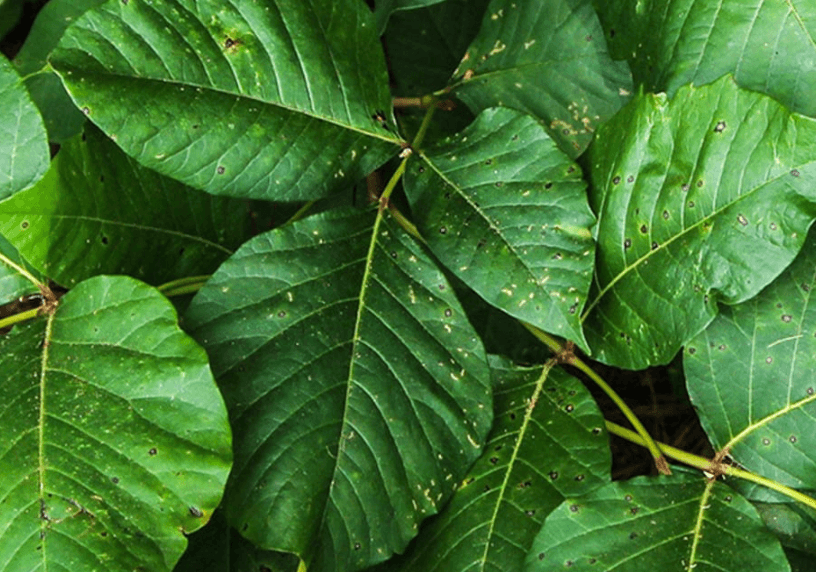
Posted by Dina Fine MaronMay 26See if you know how to recognize poison ivy with this quiz.Show 2 more findings ZoomQUIZ: How good are you at identifying poison ivy?NPRhttps://www.wbur.org/news/2023/08/22/massachusetts-new-england-poison-ivy-quiz
Posted by Marco Daniel MachadoOct 6, 2025Itching is caused by stimulated nerve cells in the skinScratching produces low-level pain signals to the brain, distracting from the itch. Scratching also releases serotonin, a neurotransmitter that creates a happy sensation, which resets the itch signal. This can cause a cyclical itch-scratch cycle. ZoomWhy Do We Itch? Why Does Scratching Feel Better?Healthlinehttps://www.healthline.com/health/why-do-we-itch
Posted by Dina Fine MaronMay 17, 2023The science of food allergiesWhy do certain substances trigger an immune response while others don't? Listen to researchers explain the science in this five-minute video. Food allergies affect around 8% of children and 2% of adults in the US, and—unlike sensitivity or intolerance—they involve the immune system mistaking certain harmless proteins in foods as dangerous invaders, triggering a rapid and sometimes severe defense response. 4:42What Causes Food Allergies?https://www.youtube.com/watch?v=10JjhsKUxz8
Posted by Dina Fine MaronJan 12Inhalers, antihistamines, immunotherapy, and more have made allergies a multimillion-dollar marketMarket research suggests that the allergies market will continue to grow in the years ahead as the number of allergy diagnoses increases, identifying new patients. Areas of growth include the increasing interest in immunotherapies designed to retrain the immune system through regular exposure to potential allergens via injections and under-the-tongue medical formulations, among other approaches.https://www.cognitivemarketresearch.com/articles/which-are-the-top-manufacturing-companies-in-the-allergy-treatment-market
Posted by Dina Fine MaronMay 26Poison ivy is projected to be larger and more resilient due to climate change.Show 2 more findings ZoomHow Poison Ivy Works - JSTOR DailyJSTORhttps://daily.jstor.org/how-poison-ivy-works/
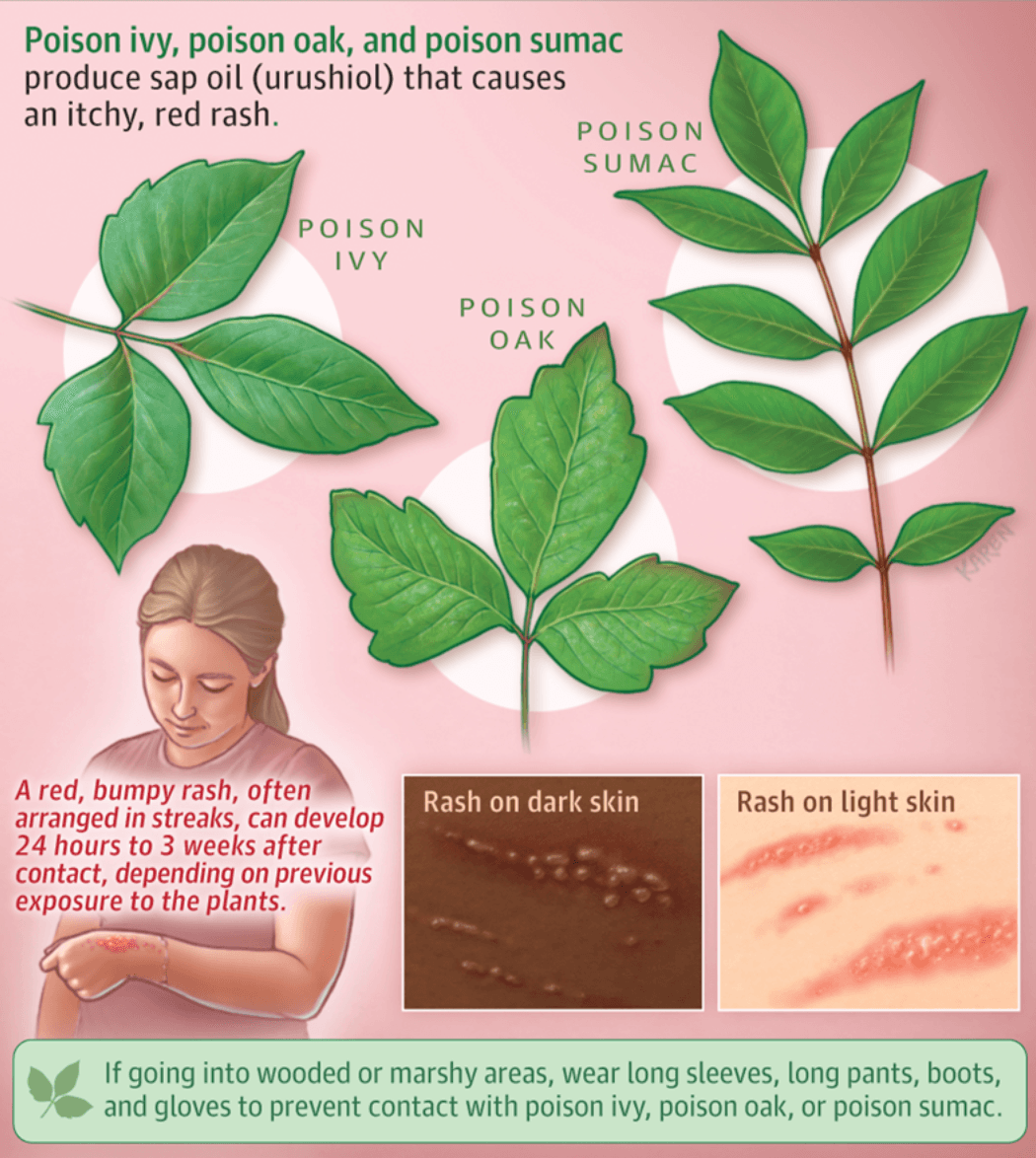
Posted by Dina Fine MaronMay 26Between 10 million and 50 million people in the US develop rashes from poison ivy, poison sumac, and poison oak annually.Show 5 more findings ZoomPatient Information: Poison Ivy, Poison Oak, and Poison SumacJAMA Networkhttps://jamanetwork.com/journals/jama/fullarticle/2818663
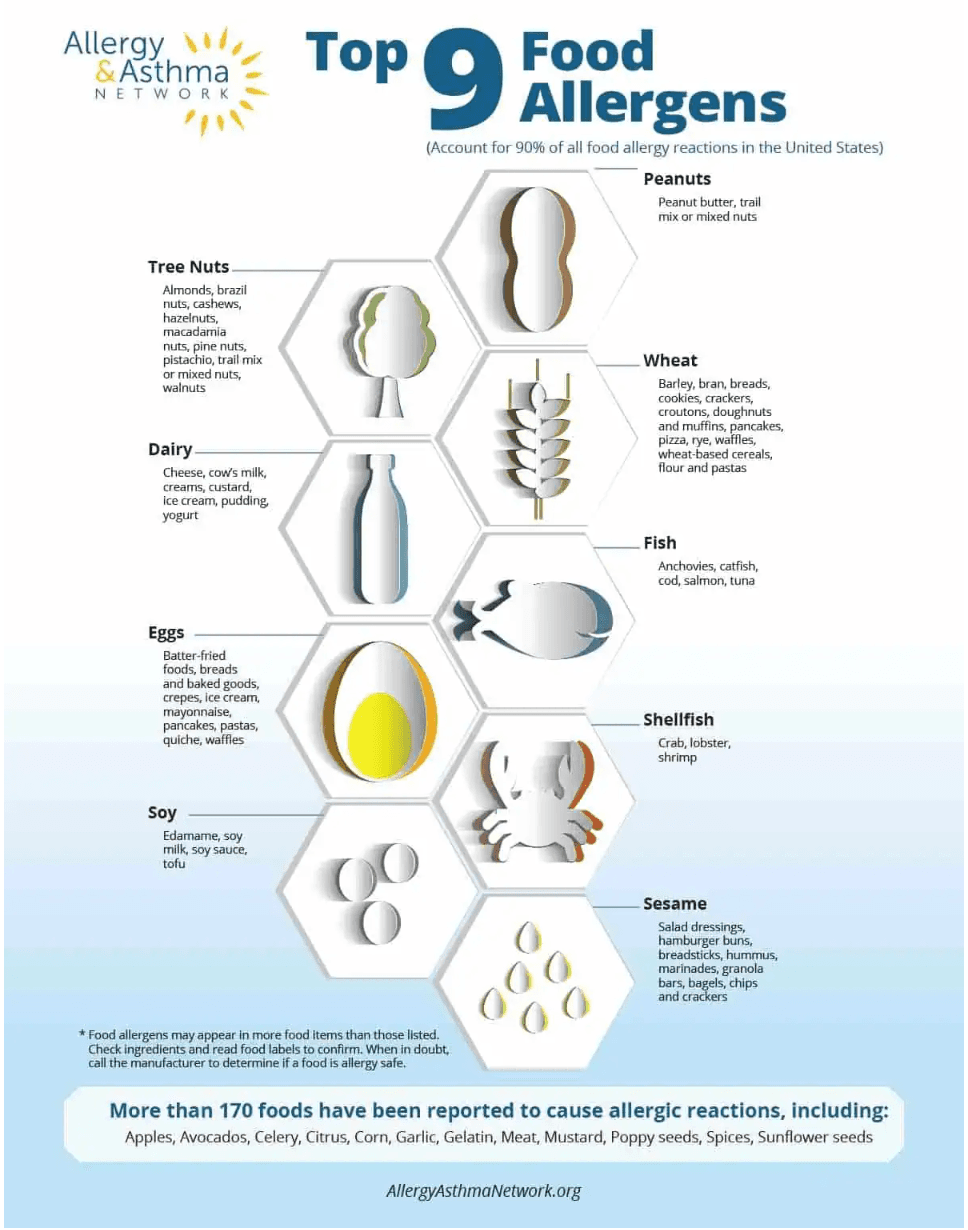
Posted by Dina Fine MaronJan 12More than 90% of America's food allergies are triggered by 9 foods.Show 2 more findings ZoomFood Allergies | Allergy & Asthma Networkhttps://allergyasthmanetwork.org/food-allergies/
Posted by Dina Fine MaronJan 16Alpha-gal allergy is a problem for red meat lovers, and that same alpha-gal sugar is an issue for xenotransplants, too—since it's present in pigs, human bodies reject pig-to-human transplants as foreign once they detect the substance.Show 2 more findingsReturn of Alpha GalRadiolabhttps://open.spotify.com/episode/3k70ez6iqTMJLZ5Of0qX7g
Posted by Dina Fine MaronJan 12Embracing poor hygiene in early life won't stave off allergiesThe hygiene hypothesis, first proposed in 1989 by British immunologist David Strachan, suggests that early life exposure to microbes—like those from farm dust or pets—properly trains our immune systems to respond to threats. But sometimes the idea is misinterpreted: It doesn’t mean that poor hygiene—like failing to wash hands–will help ward off allergies; that type of behavior leads to infections and won’t help with allergy prevention.National Institutes of Healthhttps://pmc.ncbi.nlm.nih.gov/articles/PMC8007786/
Posted by Dina Fine MaronJan 12Adults are developing food allergies that they didn’t have as childrenResearch published in 2019 found that almost half of 40,000 surveyed adults with food allergies developed a new food allergy as adults, underscoring that our immune systems may newly misclassify substances later in life.https://jamanetwork.com/journals/jamanetworkopen/fullarticle/2720064
Posted by Dina Fine MaronJan 12Kids often grow out of allergies to milk and eggsBetween 60% and 80% of kids with allergies to milk or eggs outgrow them by age 16. The immune system doesn’t always recognize and respond to baked forms of these allergens, so when kids eat muffins and other cooked food products, their immune system may become more habituated to them and overcome food sensitivities. Aging out of other allergies is less common.https://www.healthline.com/health/allergies/can-you-outgrow-them
Posted by Dina Fine MaronJan 12Long-term goose bumps are something to flag to your doctorAlthough rarely a cause for concern, persistent goose bumps with no known cause could be a symptom of something to discuss with your doctor, including anxiety, a hair follicle blockage, or conditions that arise from an overreaction of the autonomic nervous system.Cleveland Clinichttps://health.clevelandclinic.org/why-do-you-get-goosebumps
Posted by Dina Fine MaronJan 12Gut microbiome rewrites may help reduce allergiesResearchers are investigating different strategies to determine if one day they could give people a combination of gut microbes to set them up for fewer allergies. In animal research, scientists have already prevented severe allergic responses in allergy-prone mice—supplying them with gut microbes from healthy, non-allergic human babies.Big Thinkhttps://knowablemagazine.org/content/article/health-disease/2020/could-gut-microbes-solve-food-allergies
Posted by Dina Fine MaronMay 28Autoimmune disease prevalence and incidence are on the rise—but no one knows whyResearchers theorize that environmental factors, including shifts to less healthy diets, air pollution, infections, stress, climate change, and exposures to xenobiotics—substances like pesticides, plastics, and toxins that incite immune responses—may all be fueling epigenetic changes to our bodies that make people's immune responses go awry. ZoomThe increasing prevalence of autoimmunity and autoimmune diseases: an urgent call to action for improved understanding, diagnosis, treatment, and prevention Current Opinion in Immunologyhttps://www.sciencedirect.com/science/article/abs/pii/S0952791522001133
Posted by Dina Fine MaronMay 26Poison ivy's characteristic rash is caused by an allergic response to an oily substance in the plant called urushiol.Show 4 more findingsEp 63 Poison Ivy: It's Just UsThis Podcast Will Kill Youhttps://open.spotify.com/episode/5Nhh8uAJ0bfbFYHIwSfUP4
Posted by Dina Fine MaronJan 12Home allergy tests don’t work well and experts urge cautionDoctors do not recommend at-home allergy test kits because their results may be inaccurate and confusing, and lead people to make lifestyle changes that are not warranted. Tests that require sending in a hair sample, for example, will not be helpful because hair does not have the relevant antibodies that blood testing would detect.Cleveland Clinichttps://health.clevelandclinic.org/reasons-why-home-allergy-tests-probably-wont-help-you
Posted by Dina Fine MaronJan 26Most people breathe fungal spores daily without getting sickMost people breathe in hundreds of Aspergillus fumigatus spores daily without getting sick—it’s a common microscopic fungus in our environment. But people who are severely ill, including those who have undergone an organ transplant, are at risk of developing infections from these spores. 3:55https://www.youtube.com/watch?v=II-A31HaKmI
Posted by Dina Fine MaronAug 27Eczema appears to heighten the risk of developing shingles.Show 3 more findingsAtopic dermatitis is associated with herpes zoster in adults – A matched cohort study using electronic health records data in EnglandJDDGhttps://onlinelibrary.wiley.com/doi/full/10.1111/ddg.70329?user_id=693c593f2818738ab30d8769
Posted by Marco Daniel MachadoJan 3CRISPR technology is removing allergens from common foodsProteins responsible for allergies to eggs, milk, wheat, peanuts, and other foods can be genetically edited out of foods to reduce the risk of life-threatening reactions. The technique has also been used to produce caffeine-free coffee beans, spicier tomatoes, allergen-free pets, and more nutritious fish. Zoom10 Unusual Applications of CRISPR Gene Editinghttps://www.labiotech.eu/best-biotech/crispr-applications-gene-editing/
Posted by Dina Fine MaronJan 12Most of the world’s population has difficulty processing lactose—but that’s not an allergyLactose intolerance is a digestive condition that occurs when the small intestine has difficulty breaking down lactose, a sugar found in products like milk or cheese, leading to symptoms such as diarrhea or bloating. Almost 70% of the world’s population may have lactose processing issues, particularly in Asia and Africa. This is different from a condition called cow's milk protein allergy—an immune system disorder that can cause hives and anaphylaxis.National Institutes of Healthhttps://www.niddk.nih.gov/health-information/digestive-diseases/lactose-intolerance/definition-facts
Posted by Dina Fine MaronMay 26Scientists testing how climate change affected plants found in a yearslong simulation study that poison ivy grew 70% faster than it did without extra carbon dioxide. Show 3 more findings ZoomPoison ivy is poised to be one of the big winners of a warming worldNPRhttps://www.npr.org/sections/health-shots/2023/09/17/1199909434/poison-ivy-rash-climate-change
Posted by Dina Fine MaronJan 26Black mold isn’t more worrisome than other colors of moldBlack mold typically refers to Stachybotrys chartarum, a mold that commonly appears in damp or water-damaged areas of the home. Black mold—and other molds—won’t typically make otherwise healthy people ill, and all molds should be treated the same with respect to health risks and removal. If you have mold allergies, mold can cause an allergic response, and it can trigger asthma attacks for people with asthma. If you have a compromised immune system, then black mold exposure can also cause a fungal infection in your airways or elsewhere in the body.Cleveland Clinichttps://my.clevelandclinic.org/health/diseases/24862-black-mold