National Mall
Overview
The National Mall is a roughly 2-mile-long open symmetrical landscape that functions as the central arena for democratic identity and protest in the US, stretching from the US Capitol building to the Lincoln Memorial in Washington, DC. Lined with more than 30 monuments and memorials and 11 Smithsonian museums, the Mall is a deliberately planned civic space intended to symbolize openness and egalitarianism.
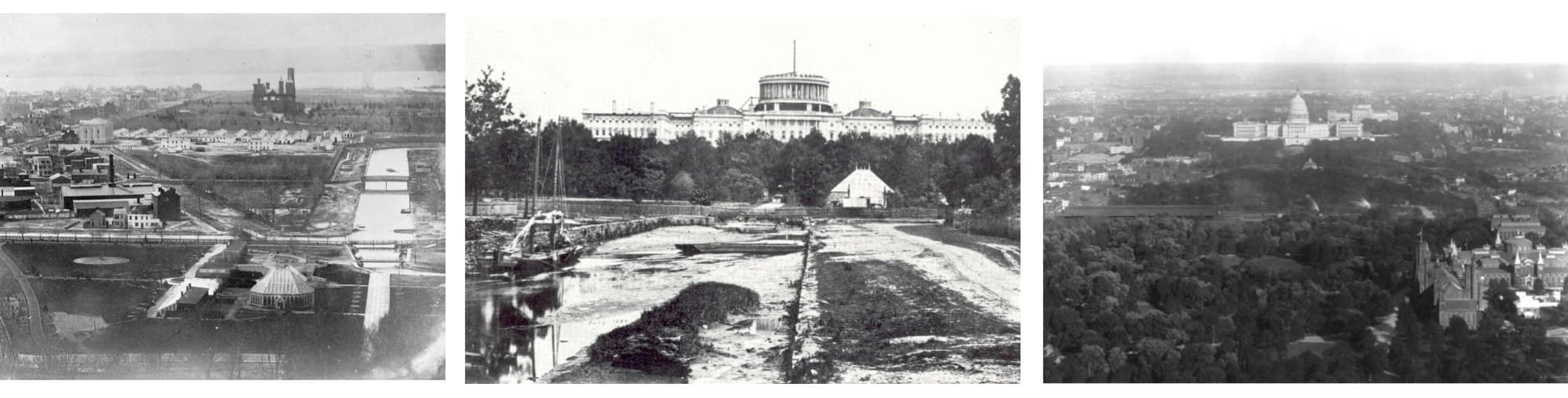
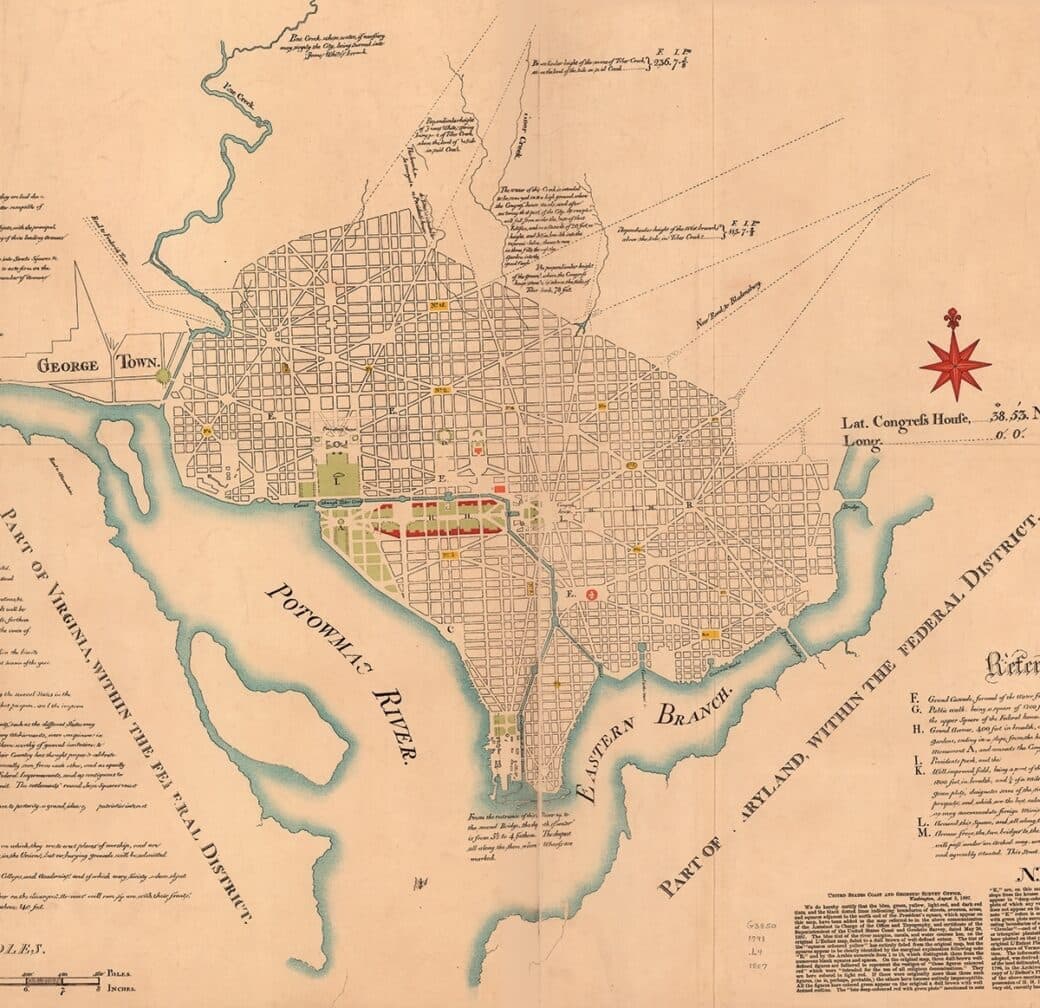
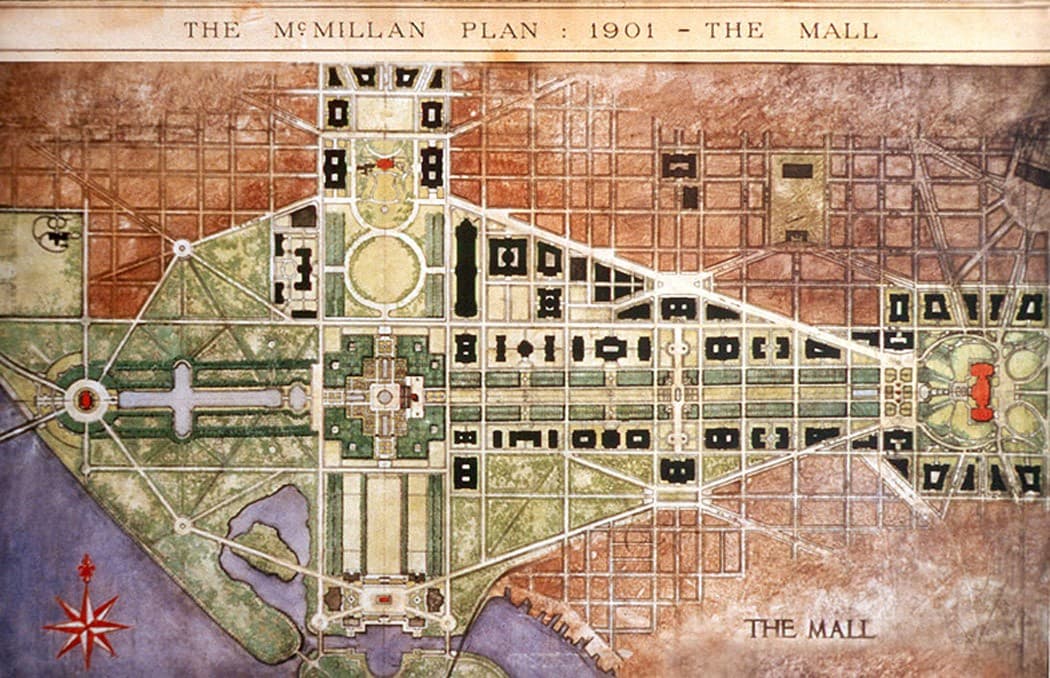
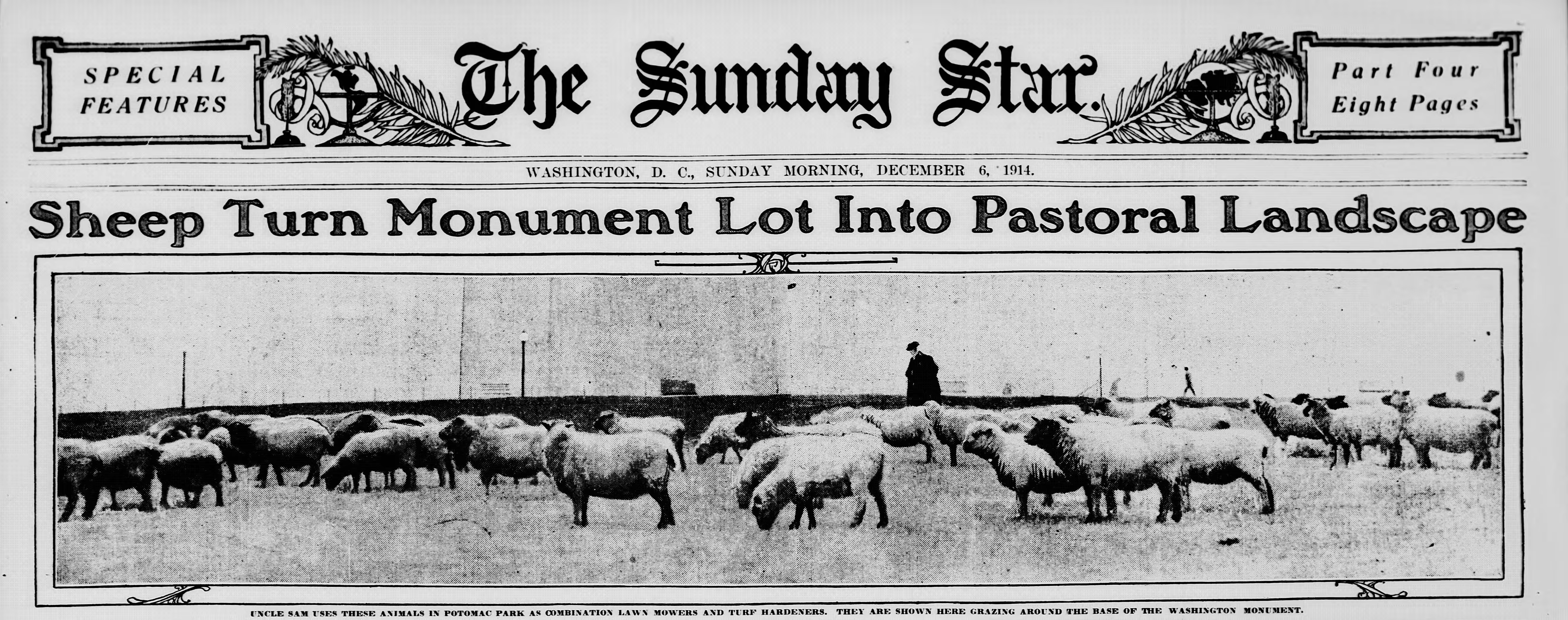
In the 1800s, the Mall was fragmented by rail lines, canals, markets, and industrial buildings, including slaughterhouses, making it look nothing like today's continuous open landscape. In 1902, Congress implemented a plan by the McMillan Commission that cleared these obstructions, and revived Washington, DC's, original vision by Pierre L'Enfant—the French-born planner of the city—restoring long sight lines, formal geometry, and a center anchored by national institutions and monuments. Today, the Mall receives approximately 24 million visitors annually.
Throughout American history, the National Mall has hosted some of the nation's largest and most consequential public demonstrations, including the 1963 March on Washington, the 1987 unveiling of the AIDS Memorial Quilt, and the annual March for Life.
1440 Findings
Hours of research by our editors, distilled into minutes of clarity.



Explore Civics
An informed citizenry is the backbone and bulwark of a vibrant democracy. From the principles behind the founding of the country to the forces that shaped our modern institutions, explore the most illuminating and insightful Civics resources from across the internet.