Pollinators

1440 Findings

Hours of research by our editors, distilled into minutes of clarity.

  • Pinned

    Human beekeeping has been traced back to 7000 BCE

    Eighty-seven of the world's leading crops rely on pollination in some way, including 43 that are highly dependent or entirely reliant on it. Without pollinators, key foods such as apples, avocados, and almonds would likely become extinct, pushing entire ecosystems into collapse.

  • One-third of the world’s food supply relies on pollinators

    By supporting crop production and farmland ecosystems, these animals contribute over $200B to the global economy. A 3% to 5% decrease in this production may result in as many as 427,000 deaths due to nutritional deficiencies.

  • Pollinators help develop seeds by transferring pollen between flowering plants

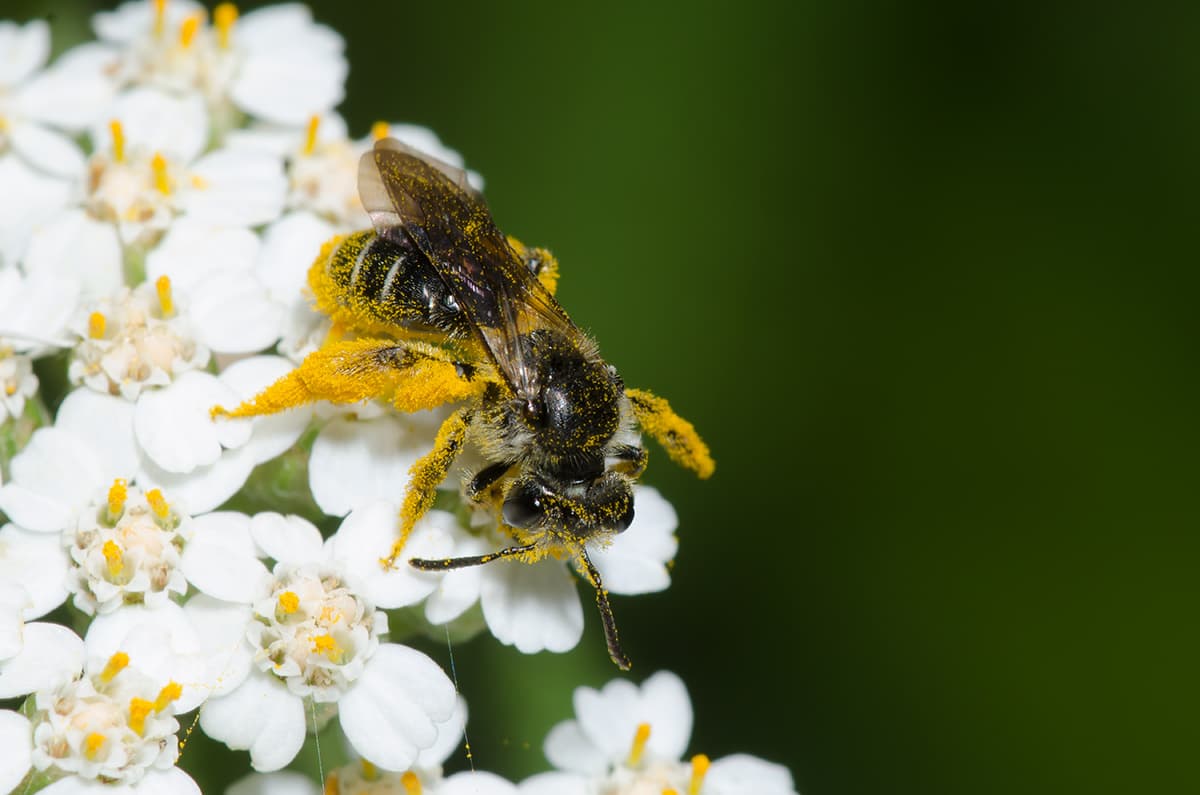
    As bees approach a bright, colorful flower for nectar, they bump into its stamen—the flower's male reproductive organ—and pollen gets stuck to the pollinator's body. This pollen can then be deposited on another flower's sticky pistil—the flower's female reproductive organ—which brings the pollen down to the ovule for fertilization.

Explore Science & Technology

Since our ancient human relatives began using stone tools to perform tasks, humans have harnessed scientific knowledge and new technologies to expand the boundaries of our understanding of the natural world. From quantum computing and microplastics to artificial intelligence and memory, explore these topics and more with our concise yet informative overviews and expert-curated resources.

View All Science & Technology