Initial Public Offerings
Overview
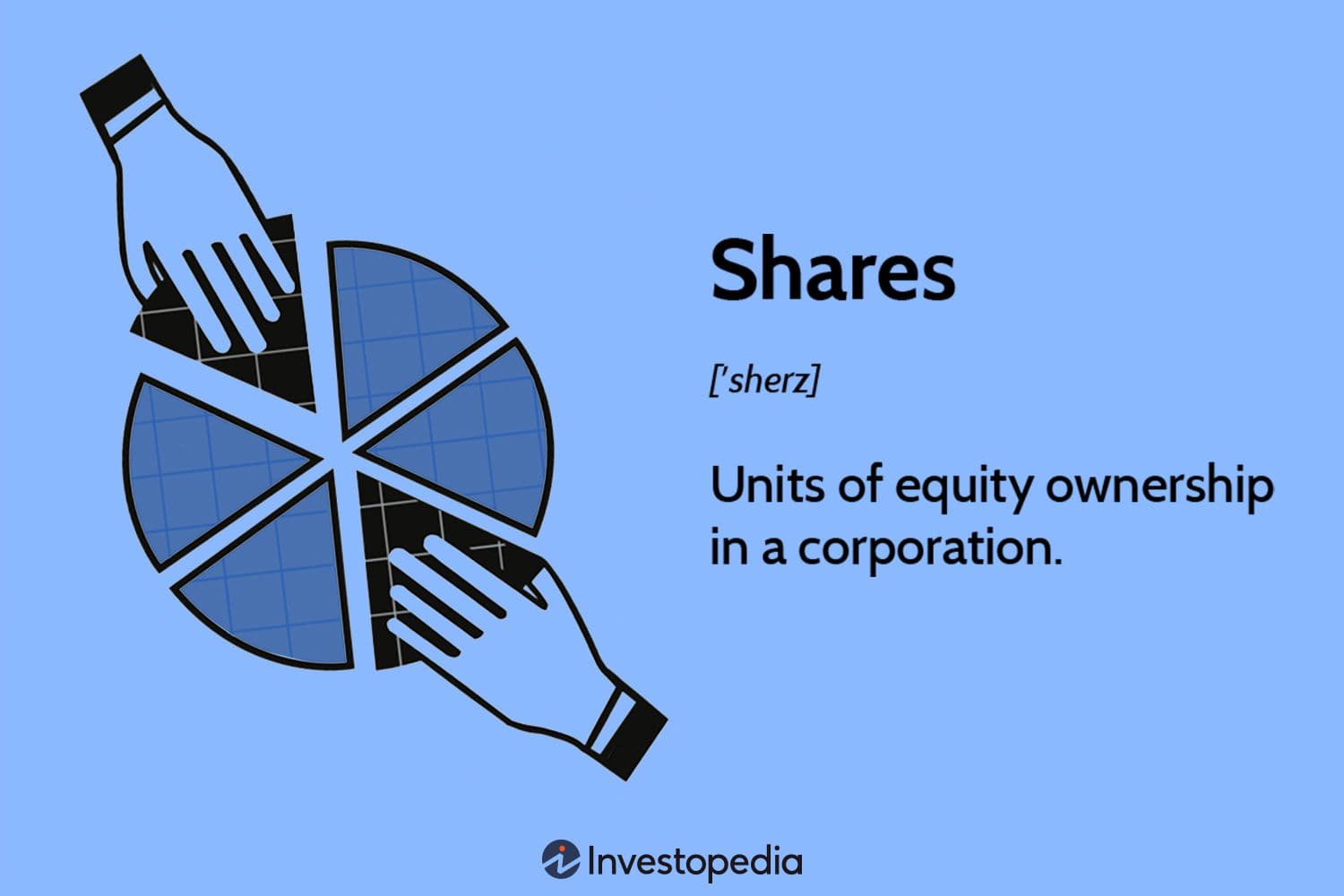
An initial public offering is the process of a private company becoming public. In an IPO, a company puts shares of the company on the stock market for the public to purchase.
IPOs often have all the pomp and circumstance of a graduation ceremony, as they are one of the biggest milestones a company can achieve. From Apple in 1980 to Reddit in 2024, every public company has gone through an IPO at some point.
To begin the process, a company hires investment bankers (who earn roughly 7% of the IPO's gross proceeds) to help set the organization's target valuation range—an estimate of how much the company is worth—and schedule an IPO date. From there, the bankers market the IPO to hedge funds and other large potential investors.
Transitioning from a private to a public company allows an organization to more easily raise a significant amount of capital. This helps the company expand.
1440 Findings
Hours of research by our editors, distilled into minutes of clarity.







Explore Business & Finance
The United States is home to more than 33 million businesses, the vast majority of which are small businesses, with millions being created (and others closing shop) every year. These businesses often rely on loans, provide the goods and services that keep the economy flowing, and sometimes even grow large enough to enter public markets or provide private investment opportunities. Explore key topics central to business and finance, from the role of the Federal Reserve to how initial public offerings work, how millions of American students finance higher education, and more.
Featured Topics
- 401(k)
- Amazon
- Bankruptcy
- Bitcoin
- Bonds
- Capital Gains
- College Tuition
- Consulting
- Creator Economy
- Credit Unions
- Federal Reserve
- Gig Economy
- Individual retirement accounts
- Inflation
- Initial Public Offerings
- Investment Banking
- Labor Unions
- Life Insurance
- Macy’s
- Minimum Wage
- Mutual Funds
- OpenAI
- Startups
- Stock Market
- Student Debt
- US Currency
- Venture Capital
- Wall Street
- Warren Buffett
- Y Combinator