Food Poisoning
Overview
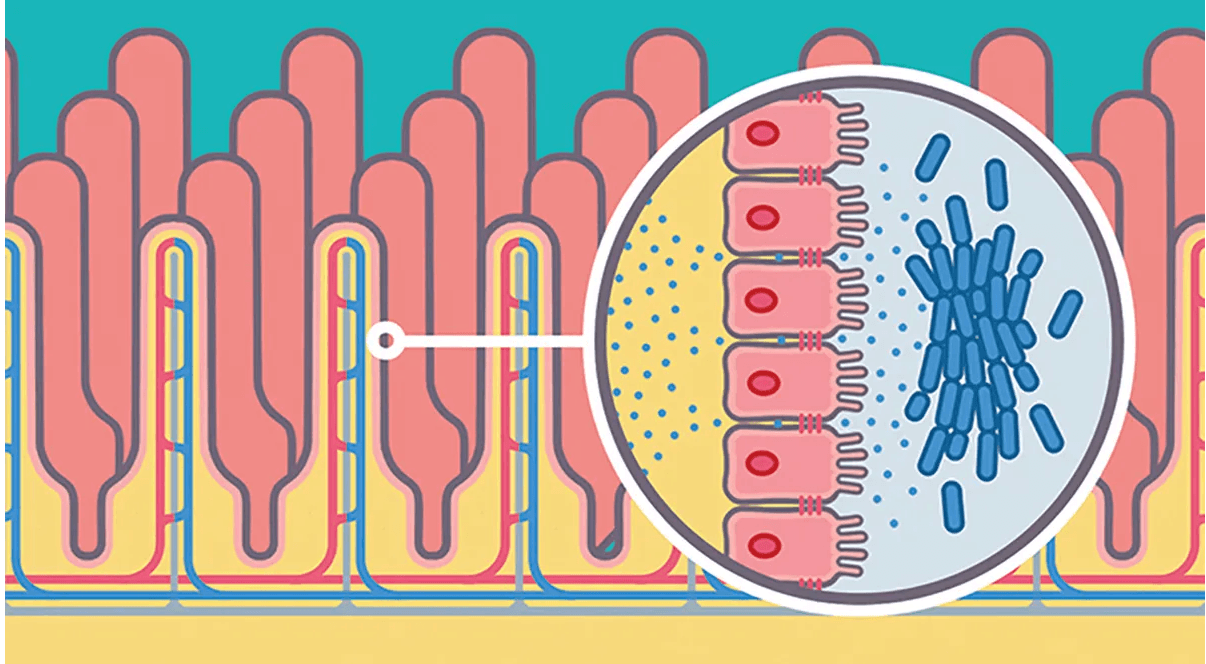
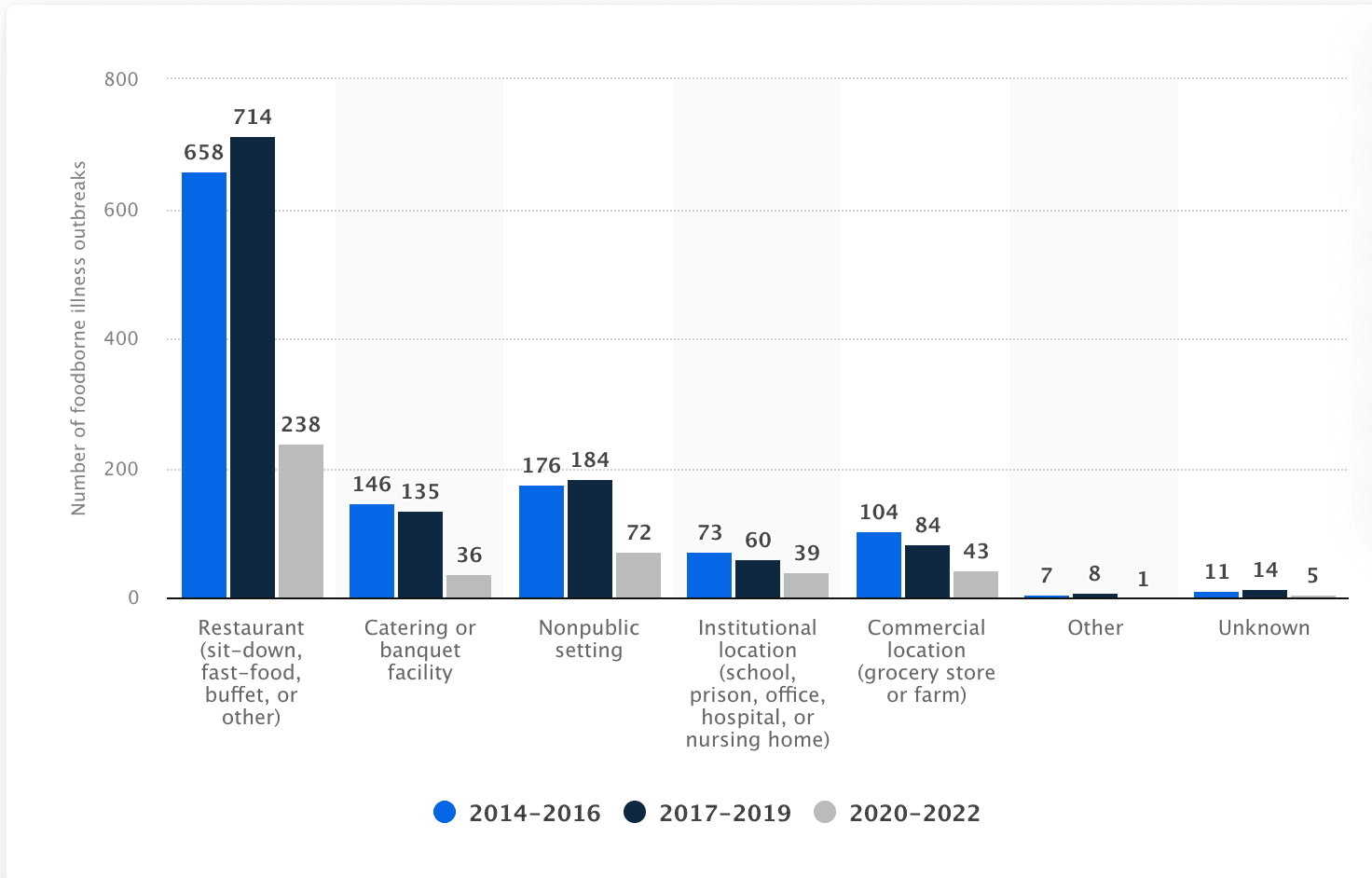
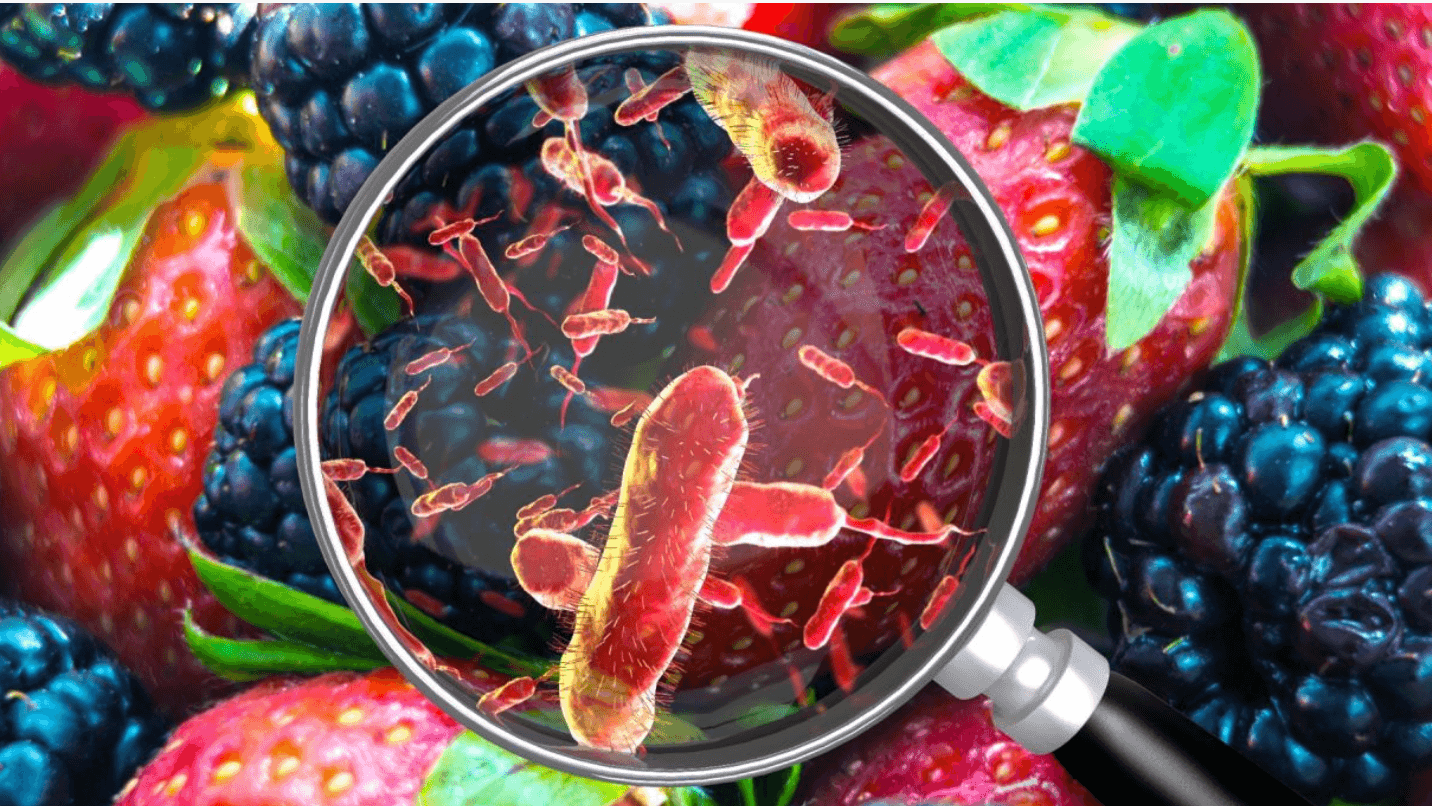
Food poisoning is a common illness, affecting one in six Americans annually. It occurs when people consume any food or drink tainted with certain bacteria, viruses, or parasites. Food poisoning can also be caused by consuming a variety of toxins that develop on crops or are consumed by animals that humans may then slaughter and eat.
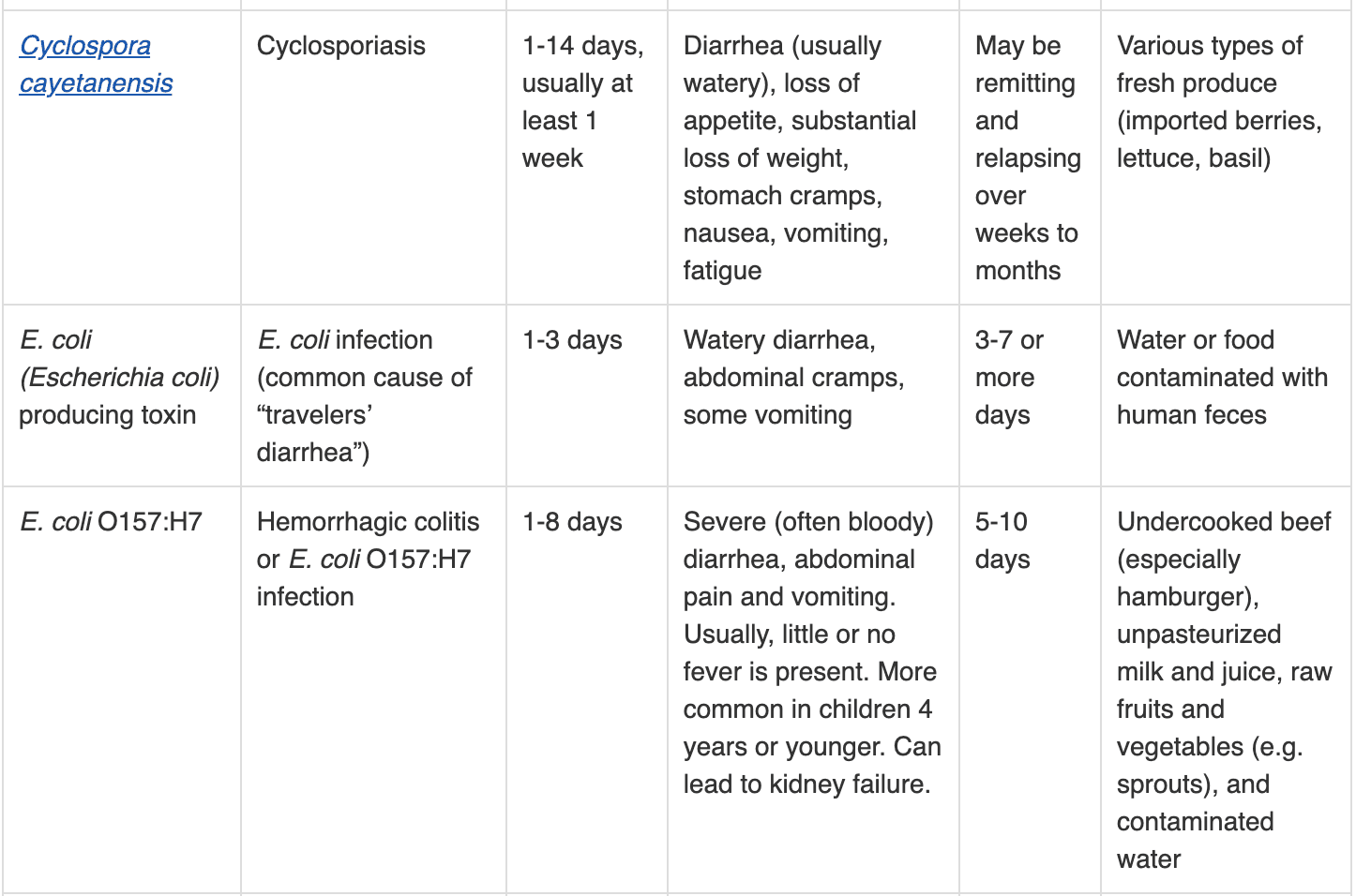
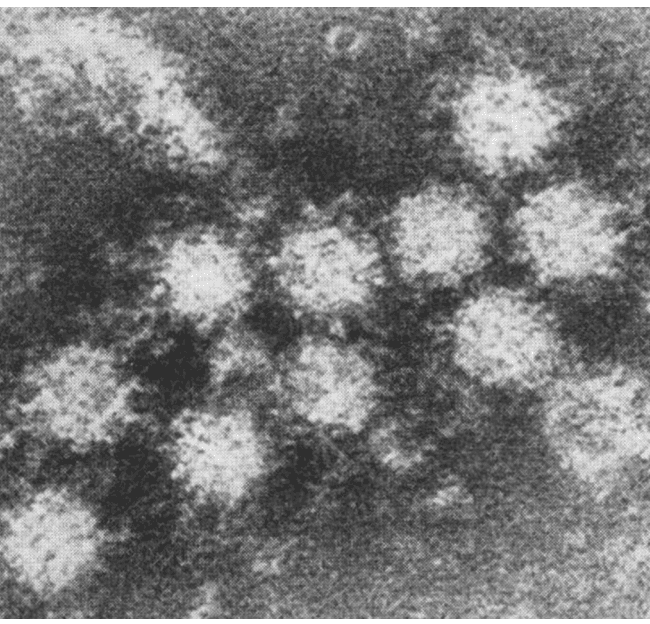
Norovirus is the leading cause of food poisoning in the US. Other top sources include salmonella, listeria, and E. coli, which are all bacteria. Food poisoning's common symptoms include: nausea, vomiting, diarrhea, and fever. Symptoms may begin hours or days after eating a contaminated substance. When your body is exposed to one of these disease-causing pathogens, it often leads to vomiting, diarrhea, or both, as it tries to remove the toxins from the digestive tract. Beyond short-term sickness, these infections can also lead to more severe, longer-term health complications. Thorough hand-washing, proper cooking, and safe food preparation are key steps to prevent illness.
The economic burden of food poisoning in the US totaled almost $75B in 2023, mostly due to the high cost of treating serious illnesses and lost employee wages.
1440 Findings
Hours of research by our editors, distilled into minutes of clarity.








Explore Health & Medicine
Indulge your curiosity, from the inner workings of our bodies and minds to the latest in medical research and treatments, all aimed at enhancing your understanding of health, wellness, and medicine. Our resources are meticulously curated to offer precise and pertinent information to anyone interested in learning more about the medical sciences.