Counterfeiting
Overview
Counterfeiting, as it pertains to currency, is any fraudulent creation or alteration of currency designed to replicate legal tender. For about as long as humans have been using money, they have been counterfeiting it—and facing serious consequences when caught. The amount of counterfeit US currency currently in circulation is estimated to be anywhere between $15M to $30M as of 2025.
In 1690, for instance, an English husband and wife were sentenced to death for “coin clipping,” the early counterfeiting practice of shaving the edges off coins to decrease their weight and keep the valuable metal for themselves.
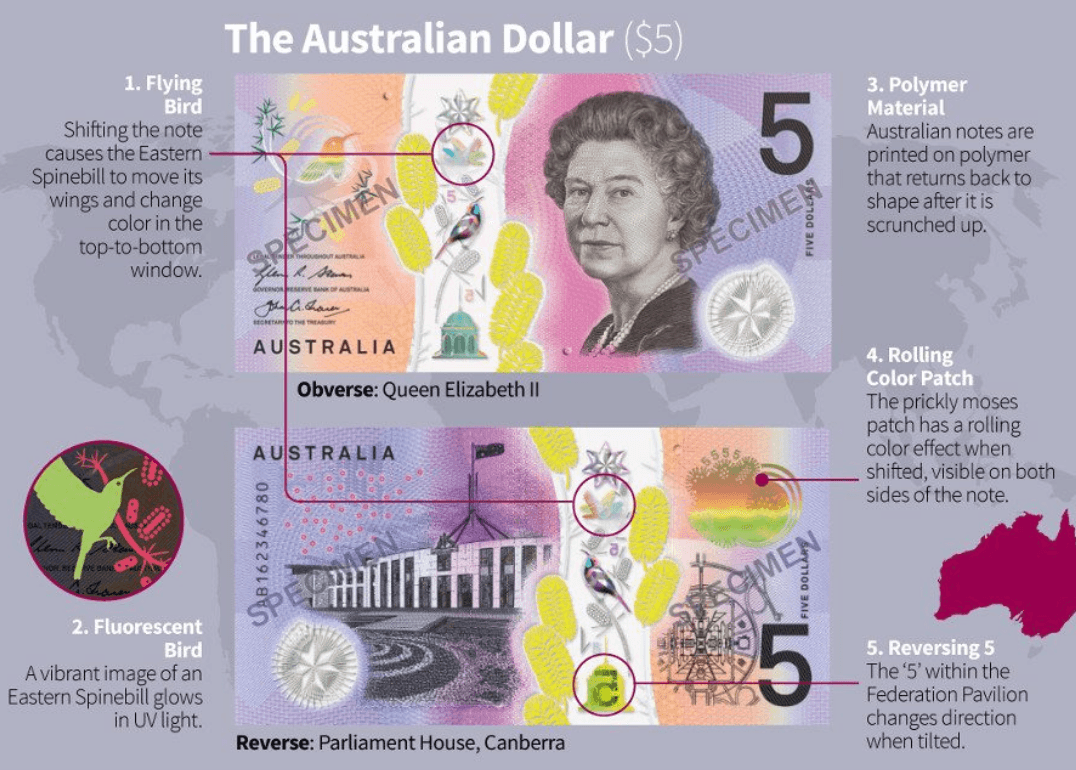
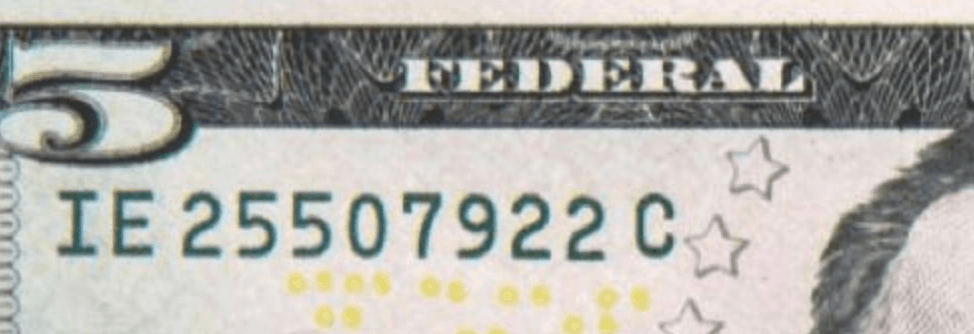
Today, in the United States, both the Bureau of Engraving and Printing and the US Mint are tasked with implementing security features into the designs of their respective notes and coins to combat counterfeiting. Among other things, the US Mint adds tough-to-replicate small ridges on quarters and dimes called “reeds” to prevent counterfeiting, while the BEP takes steps like ensuring each of its printed bills has its own serial number.
1440 Findings
Hours of research by our editors, distilled into minutes of clarity.



Explore Business & Finance
The United States is home to more than 33 million businesses, the vast majority of which are small businesses, with millions being created (and others closing shop) every year. These businesses often rely on loans, provide the goods and services that keep the economy flowing, and sometimes even grow large enough to enter public markets or provide private investment opportunities. Explore key topics central to business and finance, from the role of the Federal Reserve to how initial public offerings work, how millions of American students finance higher education, and more.
Featured Topics
- 401(k)
- Amazon
- Bankruptcy
- Bitcoin
- Bonds
- Capital Gains
- College Tuition
- Consulting
- Creator Economy
- Credit Unions
- Federal Reserve
- Gig Economy
- Individual retirement accounts
- Inflation
- Initial Public Offerings
- Investment Banking
- Labor Unions
- Life Insurance
- Macy’s
- Minimum Wage
- Mutual Funds
- OpenAI
- Startups
- Stock Market
- Student Debt
- US Currency
- Venture Capital
- Wall Street
- Warren Buffett
- Y Combinator