Posted by Jeremy CronigMay 20Benjamin Franklin donated the books that became the first true public library in the US.Show 3 more findings ZoomBeginningsDigital Public Library of Americahttps://dp.la/exhibitions/history-us-public-libraries/beginnings/first-public-libraries
Posted by Jeremy CronigMay 20Benjamin Franklin founded America's first lending library, the Library Company of Philadelphia, in 1731.Show 3 more findingsAbout LCP – The Library Company of PhiladelphiaLibrary Company of Philadelphiahttps://librarycompany.org/about-lcp/
Posted by Jeremy CronigMay 20See inside the Boston Public Library, the first city-run free public library in the USFounded in 1848, the McKim building opened in 1895 during a period of cultural optimism and social reform. Its Beaux-Arts architecture features marble staircases, murals by John Singer Sargent, and a Renaissance-inspired courtyard. ZoomStep inside the Boston Central Library, a beaux arts monument to democracy - MonocleMonoclehttps://monocle.com/culture/inside-the-boston-central-library/
Posted by Phoebe BainJul 22Benjamin Franklin advocated for the use of paper money and even engineered some key anticounterfeiting techniques used today. Show 4 more findings ZoomWe analyzed paper money printed by Ben Franklin to uncover his anti‑counterfeiting techniques and materials innovationsThe Conversationhttps://theconversation.com/we-analyzed-paper-money-printed-by-ben-franklin-to-uncover-his-anti-counterfeiting-techniques-and-materials-innovations-282943
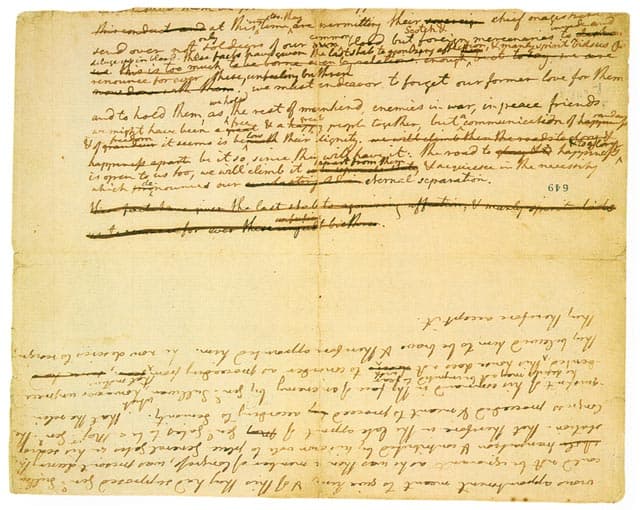
Posted by Meher QazilbashJul 2, 2025Ben Franklin’s edit helped define the Declaration’s philosophyWhen Thomas Jefferson drafted the Declaration, he wrote that its truths were “sacred and undeniable.” Benjamin Franklin urged replacing that phrase with “self-evident,” grounding the document in reason rather than religious authority and sharpening its Enlightenment logic. ZoomThe Declaration of Independence | Benjamin FranklinPBShttps://www.thirteen.org/programs/benjamin-franklin/declaration-independence-ev7upl/
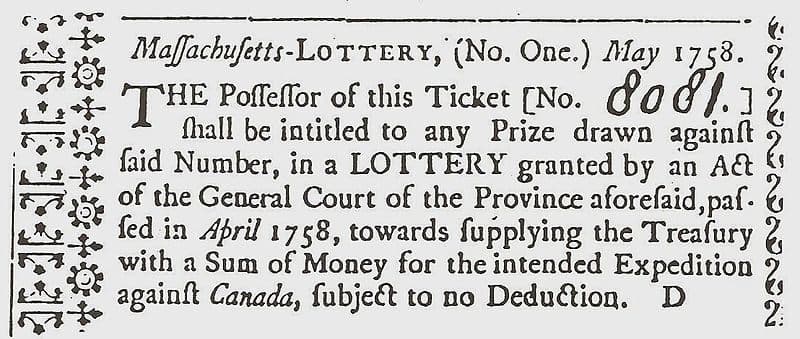
Posted by Drew SteigerwaldAug 9Gambling and lotteries funded America's early expansion, funding infrastructure and capital projects.Show 3 more findings ZoomColonial America Was Built on Lottery RevenueAtlas Obscurahttps://www.atlasobscura.com/articles/early-american-lottery-ticket-colonial
Posted by Jeremy CronigMay 20Andrew Carnegie donated $56M to build 2,509 public libraries worldwideCarnegie, who left school at 12 and credited borrowed books for his self-education, began funding libraries in 1881. Of the 2,509 libraries built, 1,681 were in the United States. He required each community to maintain the library as a condition of his gift. ZoomAndrew Carnegie's Library Legacy: A Timeline | Libraries | Carnegie Corporation of New YorkCarnegie Corporation of New Yorkhttps://www.carnegie.org/our-work/article/andrew-carnegies-library-legacy/
Posted by Teddy BurkhardtNov 3, 2022The Benjamin Franklin letter that anticipated daylight saving timeBenjamin Franklin did not invent daylight saving time. But while living in Paris, he did pen a satirical letter to Parisians suggesting they could save money on lamp oil by changing their sleep schedules. Read it in full here. ZoomFull text - Benjamin Franklin - The Journal of Paris, 1784http://www.webexhibits.org/daylightsaving/franklin3.html
Posted by Jeremy CronigAug 9The Founding Fathers were divided in their reactions to the Boston Tea Party.Show 4 more findings ZoomWhy Some Founding Fathers Disapproved of the Boston Tea Party | HISTORYHISTORYhttps://www.history.com/articles/boston-tea-party-critics-ben-franklin
Posted by Phoebe BainJun 24Read the financial advice America's founding fathers gave, including Benjamin Franklin, Thomas Jefferson, and Alexander Hamilton. ZoomFinancial Advice from America’s Founding FathersKiplingerhttps://www.kiplinger.com/slideshow/credit/t065-s001-financial-advice-from-the-founding-fathers/index.html
Posted by Kevin KearneyJul 2The Library of America, a reissue series that began in 1982, repackaged classic works of American writers at a low cost to encourage readers to engage with what it considered the American literary canon.Show 3 more findings ZoomHow Library of America Helped Shape the Modern American Literary CanonLiterary Hubhttps://lithub.com/how-library-of-america-helped-shape-the-modern-american-literary-canon/
Posted by Jeremy CronigJun 23A letter drafted by a Boston town committee in 1772 helped unite the colonies behind independence.Show 4 more findings ZoomThe Letter That Helped Start a Revolution - JSTOR DailyJSTORhttps://daily.jstor.org/the-letter-that-helped-start-a-revolution/
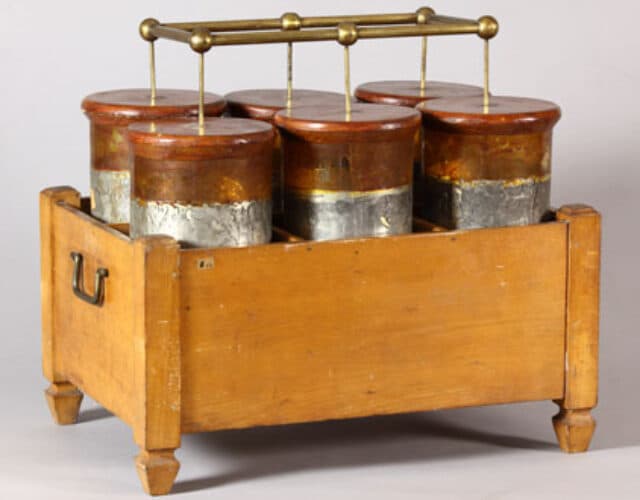
Posted by Marco Daniel MachadoFeb 2Benjamin Franklin described a series of static electricity storage jars as 'batteries'Discovered over 50 years before the first electrochemical cell was invented, Leyden jars stored electric charge between the metals inside and outside a liquid-filled container. Franklin was the first to use the term "battery" in an electrical sense, though his multiple-jar device—lacking chemical reactions—was actually a series of capacitors. ZoomScience History Institutehttps://www.sciencehistory.org/stories/magazine/leyden-jar-battery/
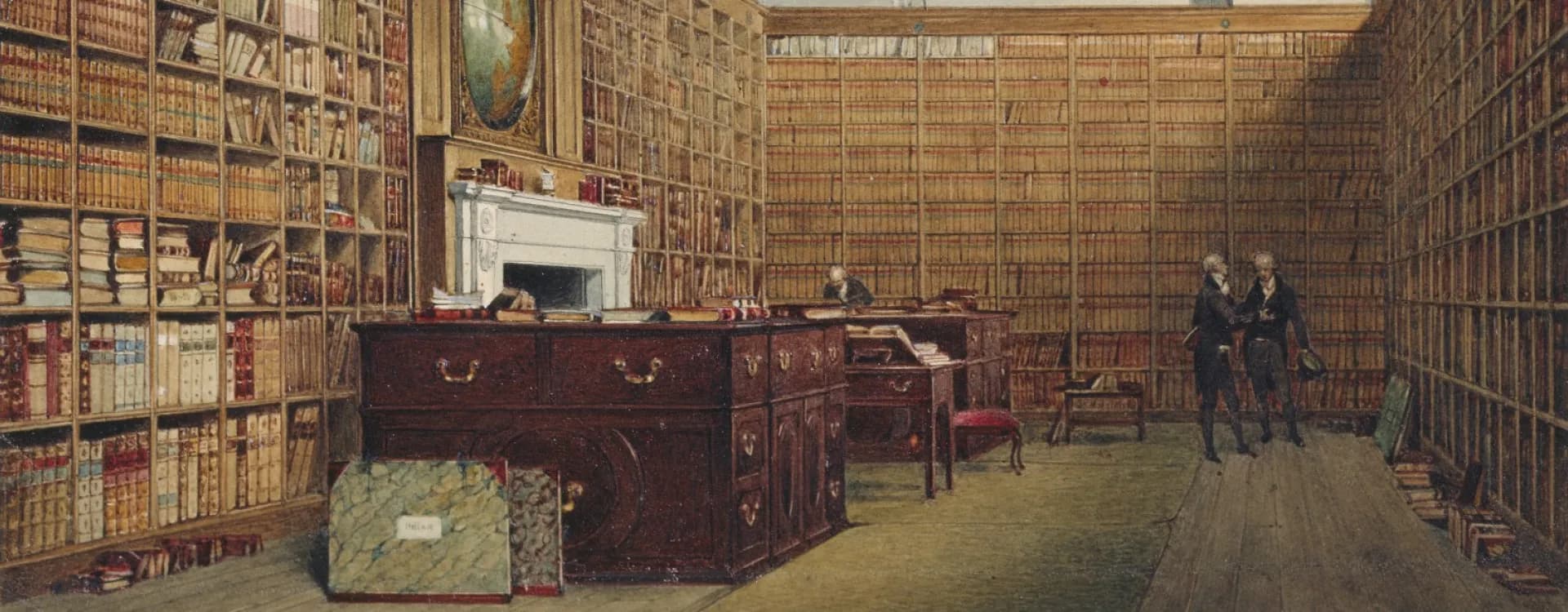
Posted by Jeremy CronigAug 9King George III assembled a 65,000-volume personal library.Show 3 more findings ZoomThe Libraries of George IIIhttps://www.rct.uk/collection/stories/the-libraries-of-george-iii
Posted by Kevin KearneyApr 26, 2025Circulating libraries helped the novel's popularity surgeAs literacy rates began to rise in the 19th century, so did the demand for reading materials. The only problem? Newspapers and books weren’t cheap, and newly literate middle-class families struggled to afford literature. That changed when booksellers began offering small fees for patrons who decided to borrow rather than purchase books. This was eventually called a circulating library, an innovation that would satisfy the burgeoning readership of novels and increase literacy rates further. ZoomThe Rise of Circulating Libraries - Random Bits of Fascinationhttps://randombitsoffascination.com/2018/09/11/the-rise-of-circulating-libraries/
Posted by Kevin KearneyJan 12Benjamin Franklin once wrote a satirical essay about passing gasThe Founding Father was asked to judge a contest for the Royal Academy of Brussels, but was incensed by one of the contest's questions, which he believed was highly impractical. In response, he wrote a piece suggesting that the most essential problem for scientists to solve was the "fetid Smell" that came with passing gas. ZoomFounders Online: Benjamin Franklin to the Royal Academy of Brussels, [after 19 …https://founders.archives.gov/documents/Franklin/01-32-02-0281
Posted by Meher QazilbashSep 3, 2025The origins of public education in the US stem from Puritan religious viewsThe 1647 Old Deluder Satan law reflects Puritan belief that illiteracy allowed Satan’s influence. The law—the first of its kind in the colonies—mandated towns of over 50 households hire a teacher and over 100 support a grammar school. ZoomThat Old Deluder Satan: Puritan Emphasis on Compulsory Education - Paul Revere Househttps://www.paulreverehouse.org/that-old-deluder-satan-puritan-emphasis-on-compulsory-education/
Posted by Jeremy CronigMay 20Public libraries are funded by a mix of local taxes, state grants, and federal programs.Show 2 more findings ZoomHow Libraries Are Funded - I Love Librarieshttps://ilovelibraries.org/how-libraries-are-funded/
Posted by Jeremy CronigJan 30The Smithsonian was first funded by a man who never visited the USThe Smithsonian Institution was established through a gift in the will of James Smithson, a British scientist who never visited America but left his fortune to establish an institution dedicated to the "increase and diffusion of knowledge."Library of Congresshttps://blogs.loc.gov/law/2023/08/the-smithsonian-institution-the-history-of-the-worlds-largest-museum-and-research-complex/
Posted by Jeremy CronigFeb 11Hamilton founded what many regard as the first commercial bank in the United StatesIn 1784, Alexander Hamilton helped found the Bank of New York, which initially operated without a charter, financed early federal operations, provided what is considered the US government's first loan, and became the first stock traded on the New York Stock Exchange.https://www.historiclowermanhattan.org/finance/blog-post-title-two-5x4s5
Posted by Jeremy CronigMar 17Roger Williams founded the first American colony without an established churchBanished from Massachusetts in 1636 for preaching religious dissent, Williams founded Providence, Rhode Island—one of the earliest governments in the Western world to guarantee broad religious liberty. His phrase "wall of separation" between church and state directly influenced Jefferson and the Constitution's framers.God, Government and Roger Williams' Big IdeaSmithsonian Magazinehttps://www.smithsonianmag.com/history/god-government-and-roger-williams-big-idea-6291280/
Posted by Jeremy CronigMay 20Washington DC's first public library, built in 1903, now operates as an Apple storeThe Carnegie Library served as DC's central library until 1972, when overcrowding forced a move to the Martin Luther King Jr. Memorial Library. After sitting unused for five years, the building changed hands several times before Apple agreed to restore it and open a store there in 2016.About the Carnegie LibraryDC History Centerhttps://dchistory.org/about-the-carnegie-library/
Posted by Jeremy CronigJun 29The first newspaper to report the Declaration of Independence was a German-language Philadelphia publication, simply because it was the only one that published on July 5.Show 4 more findings ZoomThe German-Language Newspaper That Got the Scoop on American IndependenceAtlas Obscurahttps://www.atlasobscura.com/articles/german-language-newspaper-declaration-independence-day-signing
Posted by Teddy BurkhardtJun 30The Americans abandoned Philadelphia to the British in 1777.Show 2 more findingsThe Philadelphia Campaign: When Britain Took Over Ben Franklin's House • Key Battles of the Revolutionary Warhttps://open.spotify.com/episode/1K9aldadX6SpXdBwkHqpsR
Posted by Meher QazilbashSep 2, 2025The earliest colonial schools were often religiousThe earliest American schools were far from our notions of “public” or “private”—they were neighborhood institutions, often founded by religious groups, that sought to educate children academically and spiritually. ZoomWhat School Was Like in the 13 ColoniesHISTORYhttps://www.history.com/articles/13-colonies-school
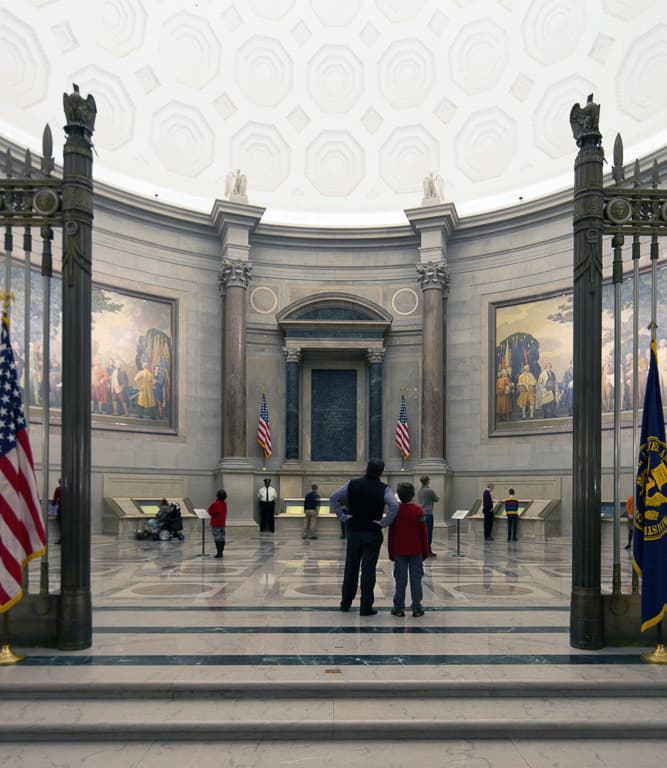
Posted by Teddy BurkhardtJan 16, 2025America’s founding documents were once housed in other government buildingsToday, the Constitution and Declaration are displayed at the National Archives. Still, for more than a century, they were kept by other federal institutions—including the State Department and the Library of Congress—before gaining a permanent home in the 1930s. ZoomHow the National Archives Became Home to the US Constitution, Declaration of Independence, and Bill of Rights (U.S. National Park Service)National Park Servicehttps://www.nps.gov/articles/000/how-the-national-archives-became-home-to-the-us-constitution-declaration-of-independence-and-bill-of-rights.htm
Posted by Jeremy CronigMay 20Virtually all public libraries in the US offer free internet accessBeyond providing internet access, libraries have also expanded into broad digital hubs for communities. Ninety percent offer basic digital literacy training, 76% help patrons navigate online government services, and 73% assist people with job applications. ZoomInternet Access and Digital Holdings in LibrariesAmerican Library Associationhttps://www.ala.org/tools/libfactsheets/alalibraryfactsheet26
Posted by Meher QazilbashJan 6Since 1776, the Declaration of Independence has served as a model for more than 100 nations and freedom organizations writing their own declarations.Show 3 more findingsEpisode 141: A Declaration in DraftBen Franklin's Worldhttps://open.spotify.com/episode/4HHqcG4o50SNcHGdOuseLF
Posted by Phoebe BainDec 31, 2025The New York Stock Exchange wouldn't have been made if not for municipal bond salesThe Funding Act of 1790 nationalized and consolidated the debt held by the 13 colonies to be sold off in the form of bonds.History of Municipal Bonds on NYSE TV - 2025 - New York Stock Exchange - An Ice Exchangehttps://tv.nyse.com/videos/history-of-municipal-bonds-on-nyse-tv
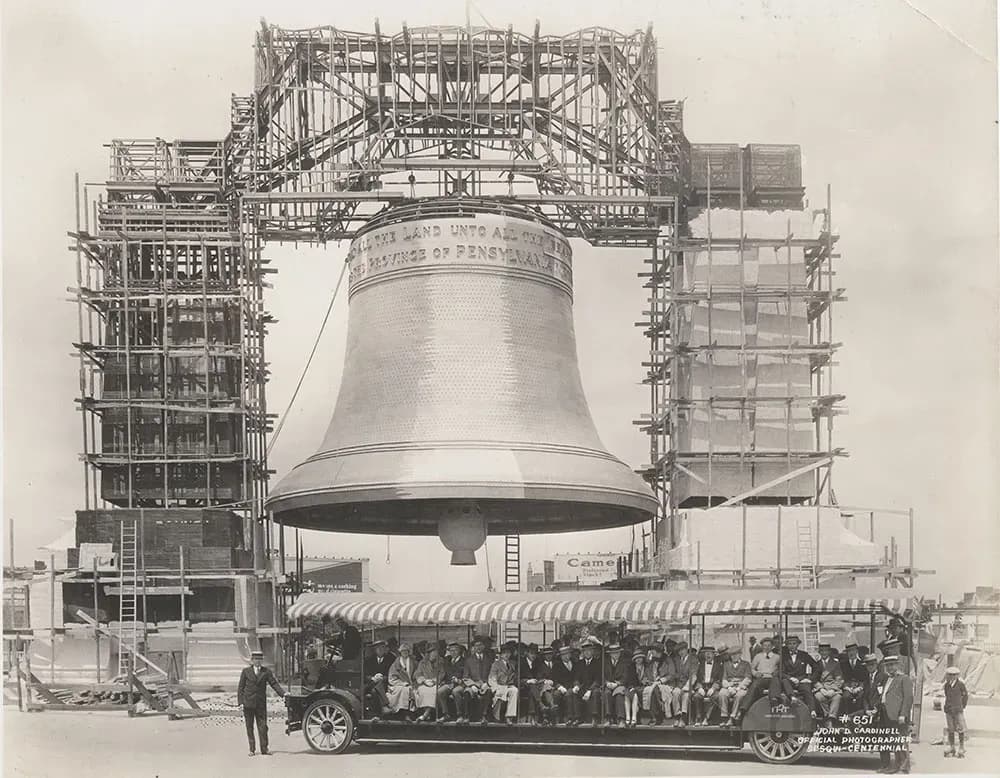
Posted by Kevin KearneyJun 27Celebrations for America's 150th birthday in 1926 were a poorly organized mess that nearly bankrupted the host city of Philadelphia.Show 4 more findings ZoomAmerica's 150th Birthday Celebration Was Deemed the Nation's 'Greatest Flop.' What Went Wrong With the Sesquicentennial?Smithsonian Magazinehttps://www.smithsonianmag.com/history/americas-150th-birthday-celebration-was-deemed-the-nations-greatest-flop-what-went-wrong-with-the-sesquicentennial-180988946/
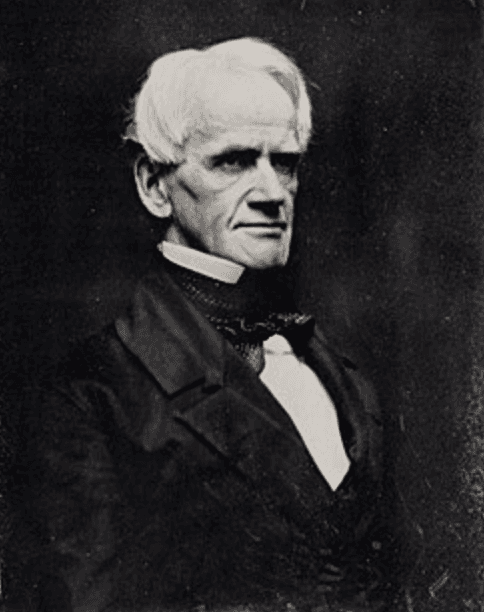
Posted by Meher QazilbashAug 27Horace Mann was America's leading champion for free, standardized public schooling in the 19th century and helped build the template for the modern public school system.Show 3 more findings ZoomHorace Mann | Biography & Facts | BritannicaBritannicahttps://www.britannica.com/biography/Horace-Mann
Posted by Jeremy CronigAug 9America's first newspaper, 'Publick Occurrences Both Forreign and Domestick,' lasted only one issue.Show 3 more findings ZoomWhy the Debut Issue of America's First Newspaper Was Also the Publication's LastSmithsonian Magazinehttps://www.smithsonianmag.com/smart-news/why-debut-issue-americas-first-newspaper-also-publications-last-180985122/
Posted by Jeremy CronigMay 20The federal government distributes more than $160M in grants directly to libraries each yearThe Institute of Museum and Library Services distributes funds annually to State Library Administrative Agencies, which support statewide initiatives and channel funds to public and academic libraries. ZoomGrants to StatesInstitute of Museum and Library Serviceshttps://www.imls.gov/find-funding/funding-opportunities/grants-to-states-overview
Posted by Jeremy CronigMay 20Explore the unexpected ways people use public libraries in this 'This American Life' episodeLibraries serve as far more than book repositories. This episode follows a family experiencing homelessness that spent months living in their local library, Iranian students reuniting with family across the US-Canada border because the library straddled both countries, and a Vermont man who built his own library to house unpublished manuscripts. ZoomThe Room of Requirement - This American LifeThis American Lifehttps://www.thisamericanlife.org/664/the-room-of-requirement
Posted by Jeremy CronigJan 9See the documents that shaped the Declaration before it was writtenThis Library of Congress collection comprises early arguments for Colonial rights, protests against British authority, draft constitutions, and multiple working drafts of the Declaration of Independence. It traces the ideas and language that preceded the final document adopted in 1776. ZoomLibrary of Congresshttps://www.loc.gov/exhibits/jefferson/jeffdec.html
Posted by Meher QazilbashAug 9The First Continental Congress did not meet to discuss independence from BritainShow 3 more findings ZoomThe First Continental Congress — Carpenters’ Hallhttps://www.carpentershall.org/the-first-continental-congress
Posted by Teddy BurkhardtFeb 20Trace how the Bill of Rights, inspired by centuries of political theory, took shape between 1774 and 1789.This interactive resource from the National Constitution Center traces the complex drafting process behind the Bill of Rights, showing how state proposals and revisions evolved into the first 10 amendments.Show 3 more findings ZoomConstitutional Rights Origins and Travels - Writing RightsNational Constitution Centerhttps://constitutioncenter.org/rights/writing.php
Posted by Jeremy CronigFeb 11Hamilton created the First Bank of the United StatesAs Treasury secretary, Alexander Hamilton proposed the First Bank of the United States to stabilize national finances—serving as the government's fiscal agent, managing debt, and expanding credit through a public-private banking model.Investopediahttps://www.investopedia.com/first-bank-united-states-5217537
Posted by Kevin KearneyAug 13Ray Bradbury's 'Fahrenheit 451' was originally called 'The Fireman,' but he changed the title after learning the temperature at which paper burns.Show 4 more findings 22:19NEA Big Read: Meet Ray BradburyNational Endowment for the Artshttps://www.youtube.com/watch?v=Pqp38_uS-eg