Posted by Meher QazilbashAug 26Massachusetts passed the first law requiring children to be educated as early as 1642.Show 3 more findings ZoomHistory of Public Education in the U.S | History | Research Starters | EBSCO ResearchEBSCOhttps://www.ebsco.com/research-starters/history/history-public-education-us
Posted by Meher QazilbashSep 3, 2025The origins of public education in the US stem from Puritan religious viewsThe 1647 Old Deluder Satan law reflects Puritan belief that illiteracy allowed Satan’s influence. The law—the first of its kind in the colonies—mandated towns of over 50 households hire a teacher and over 100 support a grammar school. ZoomThat Old Deluder Satan: Puritan Emphasis on Compulsory Education - Paul Revere Househttps://www.paulreverehouse.org/that-old-deluder-satan-puritan-emphasis-on-compulsory-education/
Posted by Kevin KearneyAug 28A 1972 Supreme Court decision about Amish children and education paved the way for homeschooling in the US.Show 4 more findingsWisconsin v. Yoder | Constitution CenterNational Constitution Centerhttps://constitutioncenter.org/the-constitution/supreme-court-case-library/wisconsin-v-yoder-1972
Posted by Meher QazilbashSep 2, 2025The earliest colonial schools were often religiousThe earliest American schools were far from our notions of “public” or “private”—they were neighborhood institutions, often founded by religious groups, that sought to educate children academically and spiritually. ZoomWhat School Was Like in the 13 ColoniesHISTORYhttps://www.history.com/articles/13-colonies-school
Posted by Kevin KearneyAug 28Homeschooling was illegal in some US states until 1993.Show 4 more findings ZoomHow Homeschooling Evolved from Subversive to Mainstream - JSTOR DailyJSTORhttps://daily.jstor.org/how-homeschooling-evolved-from-subversive-to-mainstream/
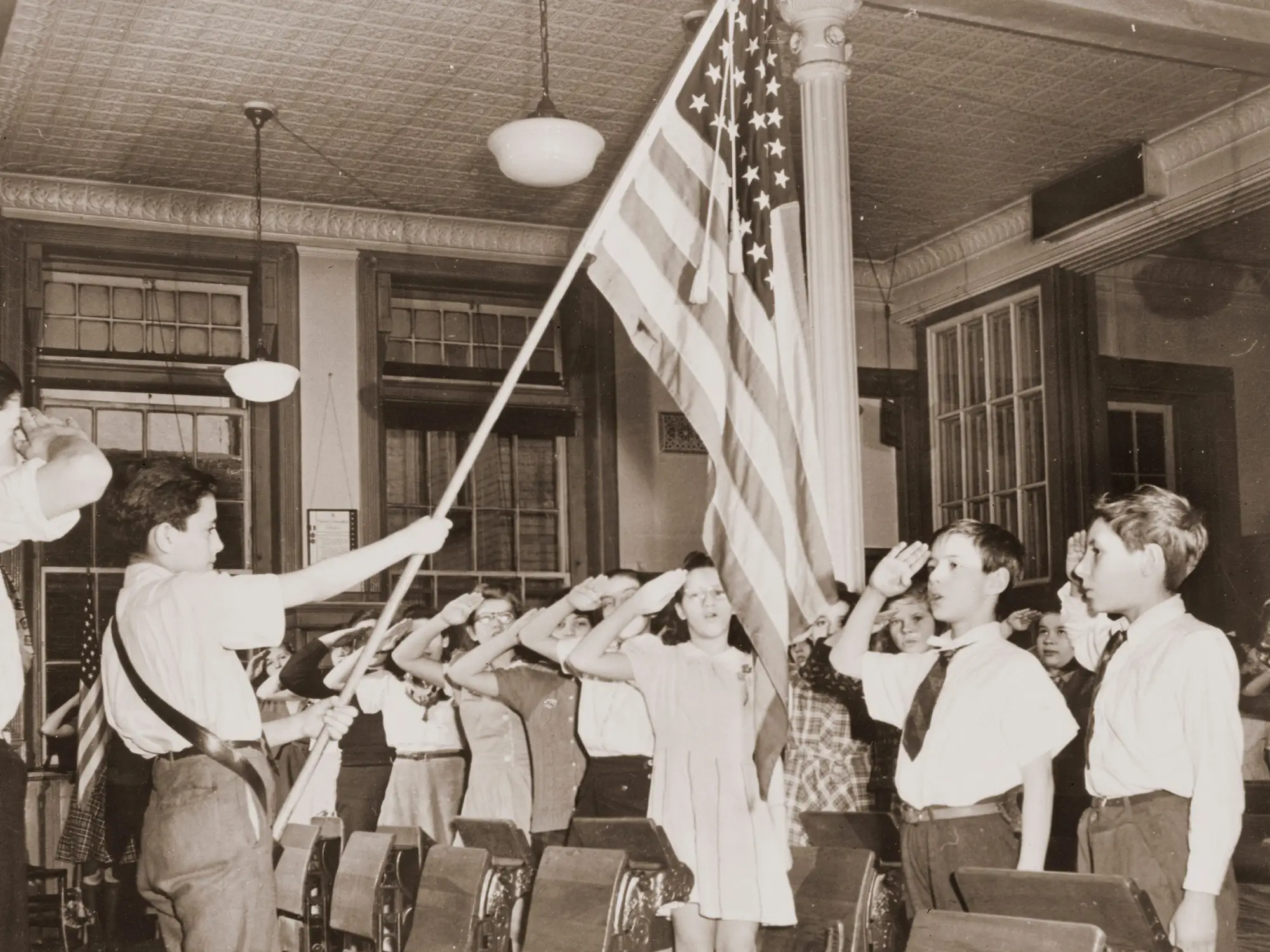
Posted by Meher Qazilbash6 hours agoVisually explore the federal government's evolving role in education.Show 4 more findings ZoomVintage photos show how the US government's involvement in education has changedBusiness Insiderhttps://www.businessinsider.com/federal-government-role-in-education-evolution-photos
Posted by Jeremy CronigMar 17Religion dominated many aspects of Colonial life and was enforced by the governmentEight of the 13 British Colonies in America had official, established churches, and laws mandated that everyone attend a house of worship and pay taxes that funded ministers' salaries.Religion in Colonial America: Trends, Regulations, and Beliefshttps://www.facinghistory.org/resource-library/religion-colonial-america-trends-regulations-beliefs
Posted by Meher QazilbashAug 26A 1922 Oregon initiative that sought to ban private education inadvertently strengthened parents' ability to pursue options outside the public school system, building the legal case for homeschooling.Show 4 more findingsPierce v. Society of Sisters | Constitution CenterNational Constitution Centerhttps://constitutioncenter.org/the-constitution/supreme-court-case-library/pierce-v-society-of-sisters
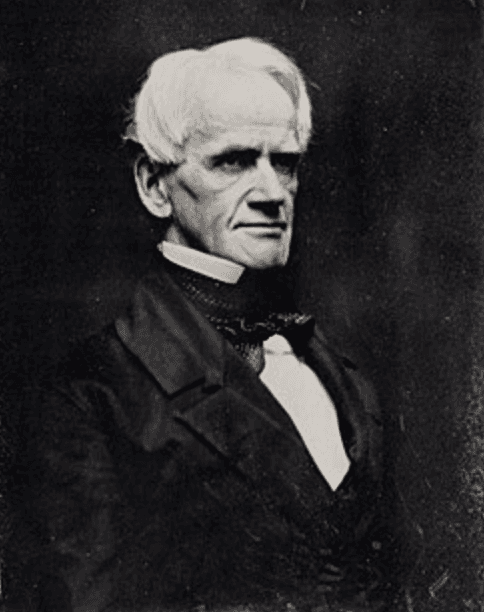
Posted by Meher QazilbashAug 27Horace Mann was America's leading champion for free, standardized public schooling in the 19th century and helped build the template for the modern public school system.Show 3 more findings ZoomHorace Mann | Biography & Facts | BritannicaBritannicahttps://www.britannica.com/biography/Horace-Mann
Posted by August MoonAug 28Child labor was widespread until the formation of the National Child Labor Committee in 1904.Show 3 more findings 1:23How Did Exploitative Child Labor End in the US?1440 Originalshttps://youtube.com/shorts/jAKNF4dg7es
Posted by Jeremy CronigMar 27New England towns have practiced direct democracy since the 1700sTown meetings in New England let residents vote directly on local budgets, laws, and policies. One of the oldest surviving forms of participatory democracy in the United States, the tradition dates back nearly 250 years.AP Newshttps://apnews.com/article/new-england-town-meeting-democracy-photo-gallery-d33f1f005e945250982adb8199e05908
Posted by Kevin KearneyJan 16In 1639, Puritans in the Massachusetts Bay Colony banned toastingLike the Anglo-Saxons and the ancient Greeks before them, the American colonists tended to party when they got to toasting. That led to a 1639 law banning the practice, which they viewed as excessive and superstitious. Alcohol remained legal, but the hope was that banning toasting might reduce excessive drinking.https://newengland.com/yankee/history/puritan-laws-only-in-new-england/
Posted by Meher QazilbashSep 2, 2025...and allowed newly arrived European immigrants to maintain their cultures19th-century public schools often included Protestant spiritual instruction, something that was disturbing for Catholic immigrants from Ireland, Italy, Poland, and elsewhere, who found homes in neighborhood “parochial” schools. ZoomRoman Catholic Education(Elementary and Secondary) - Encyclopedia of Greater Philadelphiahttps://philadelphiaencyclopedia.org/essays/roman-catholic-education/
Posted by Meher QazilbashApr 29, 2025Massachusetts banned happy hour in 1984 during a surge in advocacy around preventing drunk drivingMassachusetts was the first US state to ban happy hours. The ban, which prohibits selling discounted drinks during designated times, occurred after a 20-year-old woman died in a drunken driving accident in Braintree, Massachusetts. ZoomThe Sad Truth of Happy Hour in Massachusetts | News | The Harvard Crimsonhttps://www.thecrimson.com/article/2024/12/9/massachusetts-cambridge-happy-hour/
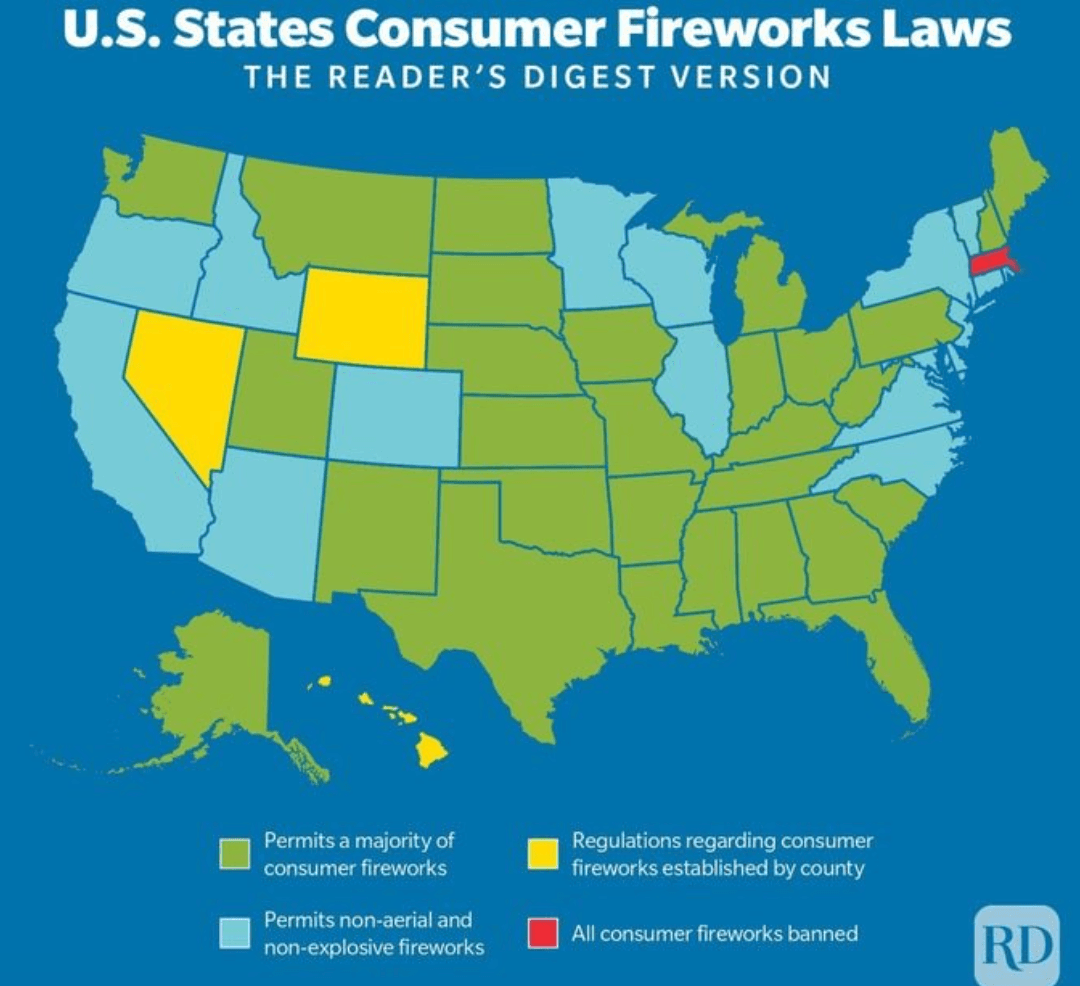
Posted by Dina Fine MaronJun 1Massachusetts is the only state that bans all nonprofessional fireworks.Show 1 more finding ZoomThese Are the States Where Fireworks Are LegalReader's Digesthttps://www.rd.com/article/states-where-fireworks-are-legal/
Posted by Teddy BurkhardtDec 17, 2025Christmas was briefly banned in 17th-century EnglandIn the 1640s, Puritans outlawed Christmas, deeming it wasteful and unbiblical. For nearly two decades, celebrations were suppressed and violators fined, though many ignored the ban. The law was repealed in 1660.https://www.cromwellmuseum.org/cromwell/did-oliver-cromwell-ban-christmas
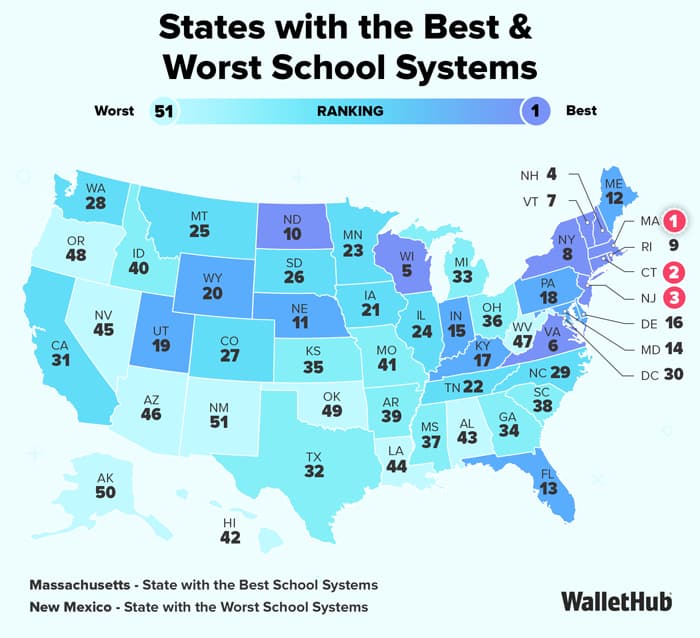
Posted by Teddy BurkhardtAug 10See where your state ranked in an analysis of the best public school systems in the US.Show 3 more findings ZoomStates With the Best & Worst School Systems in 2026WalletHubhttps://wallethub.com/edu/e/states-with-the-best-schools/5335
Posted by Jeremy CronigMar 17Mahmoud v. Taylor (2025) broadened parents' rights regarding what their children learn in public schoolsThe case, brought by parents in Maryland, focused on religious objections to books with same-sex and transgender characters in elementary classrooms. The court ruled that the district's denial of parents' opt-out requests violated the free exercise clause of the First Amendment.OyezOyezhttps://www.oyez.org/cases/2024/24-297
Posted by Jeremy CronigMar 17Maryland required officeholders to declare a belief in God until 1961In Torcaso v. Watkins (1961), the Supreme Court unanimously ruled that a Maryland requirement that officeholders declare belief in God violated the First and 14th Amendments. The decision struck down religious tests for public office across all states.OyezOyezhttps://www.oyez.org/cases/1960/373
Posted by Jeremy CronigMar 17Many early colonists came to America to escape religious persecution in EuropeFleeing state-sponsored religious oppression in England and Europe, many early colonists sought freedom of conscience in the New World. Many—especially in New England—established their own religiously exclusive communities: They persecuted dissenters, expelled nonconformists, and enforced orthodoxy.America as a Religious Refuge: The Seventeenth Century, Part 1 - Religion and the Founding of the American RepublicLibrary of Congresshttps://www.loc.gov/exhibits/religion/rel01.html
Posted by Kevin KearneyDec 16, 2025The American colonies recognized New Year’s Eve in March until 1752England followed the Julian calendar, established by Julius Caesar, which had an inaccurate method of calculating leap years. Because of that, New Year’s Day eventually slipped into the spring and was linked with the Christian festival of the Annunciation, which was on March 25. That date carried over to the American colonies, which didn’t change the first day of the new year until 1752, after England adopted the newer Gregorian calendar.https://www.mass.gov/news/happy-new-year
Posted by Jeremy CronigMar 173 states did not officially ratify the Bill of Rights until 1939Massachusetts, Connecticut, and Georgia originally rejected or tabled the amendments in 1791. With Virginia's ratification already clearing the three-fourths threshold of adoption, there was no legal pressure to revisit it—until all three states acted symbolically on the 150th anniversary of Congressional approval of the amendments.Ratifying the Bill of Rights . . . in 1939National Archiveshttps://www.archives.gov/publications/prologue/2016/winter/poh-bill-of-rights
Posted by Phoebe BainFeb 20With the help of one photographer who took photos of children at work, child labor in the US was eventually restricted by law in the mid-1900s.Show 3 more findings 6:36These photos ended child labor in the USVoxhttps://www.youtube.com/watch?v=ddiOJLuu2mo
Posted by Kevin KearneyMar 2Austen left formal school at 9Jane Austen was the seventh of eight children. At 9, her father, a clergyman in the Church of England, removed her and her sister from the Abbey School in Reading because he could not afford the tuition. Jane continued her education at home, where the family read aloud and performed plays.https://www.chipublib.org/jane-austen-biography/
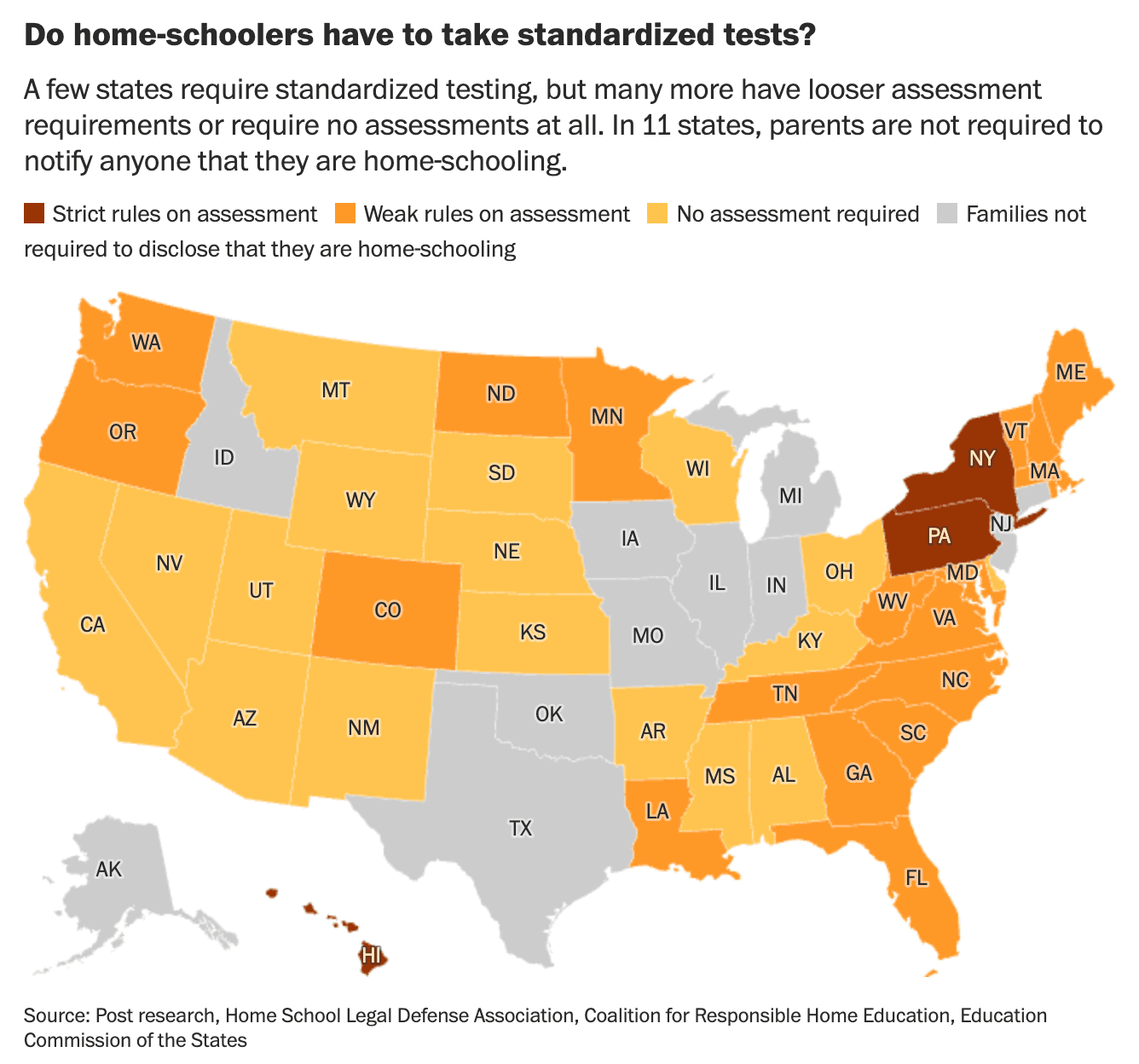
Posted by Kevin KearneyAug 28Most states don't require homeschool students to take standardized tests.Show 3 more findings ZoomHome-schoolers dismantled state oversight. Now they fear pushback.Limited AccessThe Washington Posthttps://www.washingtonpost.com/education/2023/12/28/homeschooling-regulation-esa-school-choice/
Posted by Jeremy CronigMar 17Roger Williams founded the first American colony without an established churchBanished from Massachusetts in 1636 for preaching religious dissent, Williams founded Providence, Rhode Island—one of the earliest governments in the Western world to guarantee broad religious liberty. His phrase "wall of separation" between church and state directly influenced Jefferson and the Constitution's framers.God, Government and Roger Williams' Big IdeaSmithsonian Magazinehttps://www.smithsonianmag.com/history/god-government-and-roger-williams-big-idea-6291280/
Posted by Jeremy CronigFeb 21John Marshall had roughly 1 year of formal schoolingBorn in a log cabin, along with many of his siblings, Marshall received only about a year of formal education. He briefly attended lectures at the College of William & Mary before beginning a legal career that ultimately led to the nation's highest court. 2:45Americana Cornerhttps://www.youtube.com/watch?v=KiLSMPH7eQs
Posted by Jeremy CronigMay 20Benjamin Franklin donated the books that became the first true public library in the US.Show 3 more findings ZoomBeginningsDigital Public Library of Americahttps://dp.la/exhibitions/history-us-public-libraries/beginnings/first-public-libraries
Posted by Dina Fine MaronAug 3In a spring 2026 survey, more Americans said they support a ban on students using cellphones during the entire school day than oppose it.Show 5 more findings ZoomMore Americans now support than oppose all-day school cellphone bansPew Research Centerhttps://www.pewresearch.org/short-reads/2026/07/29/more-americans-now-support-than-oppose-all-day-school-cellphone-bans/?user_id=66c4bde45d78644b3a9e49ec
Posted by Jeremy CronigMay 20See inside the Boston Public Library, the first city-run free public library in the USFounded in 1848, the McKim building opened in 1895 during a period of cultural optimism and social reform. Its Beaux-Arts architecture features marble staircases, murals by John Singer Sargent, and a Renaissance-inspired courtyard. ZoomStep inside the Boston Central Library, a beaux arts monument to democracy - MonocleMonoclehttps://monocle.com/culture/inside-the-boston-central-library/
Posted by Kevin KearneySep 2, 2025Private education offered an alternative for Black AmericansThe early public school system was ostensibly designed for all Americans, but it was also racially segregated, offering substandard schools for Black Americans. Some private schools were founded to combat that problem, including St. Frances Academy in Baltimore, the United States' oldest predominantly Black Catholic high school. 8:29Five Minute Histories: St. Frances Academyhttps://www.youtube.com/watch?v=yIKbsgNHEVI
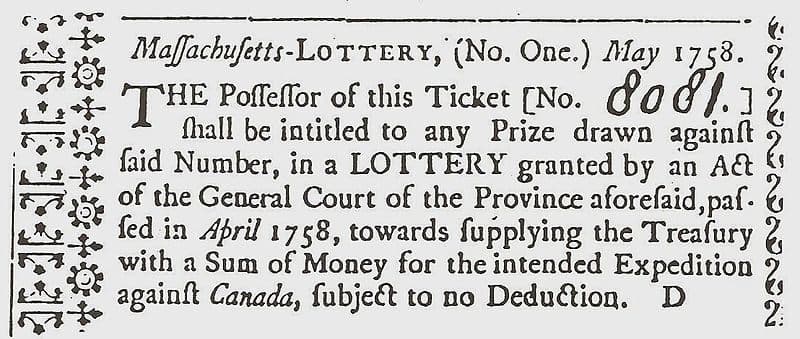
Posted by Drew SteigerwaldAug 9Gambling and lotteries funded America's early expansion, funding infrastructure and capital projects.Show 3 more findings ZoomColonial America Was Built on Lottery RevenueAtlas Obscurahttps://www.atlasobscura.com/articles/early-american-lottery-ticket-colonial
Posted by Meher QazilbashApr 29, 2025Some US states are now revising their happy hour bansWhile states like Massachusetts started banning happy hour in the 1980s as an anti-overconsumption measure, not every state has kept these bans intact. This article dives into the arguments for and against revising the happy hour ban in Massachusetts, the first state to institute such a ban. ZoomRaise a glass or pour one out? Happy hour back on legislative menu - CommonWealth Beaconhttps://commonwealthbeacon.org/politics/raise-a-glass-or-pour-one-out-happy-hour-back-on-legislative-menu/
Posted by Jeremy CronigMar 17The US Bill of Rights drew directly from England's own Bill of RightsEngland's 1689 Bill of Rights established protections against cruel and unusual punishment and the right to petition the government. Many of its provisions were adopted nearly word for word by America's founders a century later.English Bill of Rights - Definition & Legacy | HISTORYHISTORYhttps://www.history.com/articles/english-bill-of-rights
Posted by Jeremy CronigMar 17Thomas Jefferson wrote the Virginia Statute for Religious Freedom in 1786, which directly influenced the US ConstitutionDrafted by Jefferson, the statute guaranteed freedom of worship to people of all faiths. Jefferson considered it one of his greatest achievements, and it served as the direct model for the First Amendment's religion clauses.Virginia Statute for Religious FreedomThomas Jefferson's Monticellohttps://www.monticello.org/encyclopedia/virginia-statute-religious-freedom
Posted by Jeremy CronigMar 20Abigail Adams received no formal schooling, but educated herself through readingDespite receiving no formal education—standard for women of her era—Adams became well-read, largely through self-directed reading and extensive correspondence with leading political thinkers of her time, such as Thomas Jefferson and Mercy Otis Warren.Abigail AdamsGeorge Washington's Mount Vernonhttps://www.mountvernon.org/library/digitalhistory/digital-encyclopedia/article/abigail-adams
Posted by Jeremy CronigMar 17Native religious practices were suppressed for centuries before receiving federal protection in 1978During the first two centuries of American history, the government frequently banned Native ceremonial dances, took sacred sites, and enrolled children in boarding schools where they were prevented from practicing their faith. The American Indian Religious Freedom Act of 1978 committed the federal government to safeguarding Native spiritual practices.American Indian Religious Freedom Act | Religion and Philosophy | Research Starters | EBSCO ResearchEBSCOhttps://www.ebsco.com/research-starters/religion-and-philosophy/american-indian-religious-freedom-act
Posted by Jeremy CronigJun 23A letter drafted by a Boston town committee in 1772 helped unite the colonies behind independence.Show 4 more findings ZoomThe Letter That Helped Start a Revolution - JSTOR DailyJSTORhttps://daily.jstor.org/the-letter-that-helped-start-a-revolution/
Posted by Jeremy CronigMay 20Benjamin Franklin founded America's first lending library, the Library Company of Philadelphia, in 1731.Show 3 more findingsAbout LCP – The Library Company of PhiladelphiaLibrary Company of Philadelphiahttps://librarycompany.org/about-lcp/