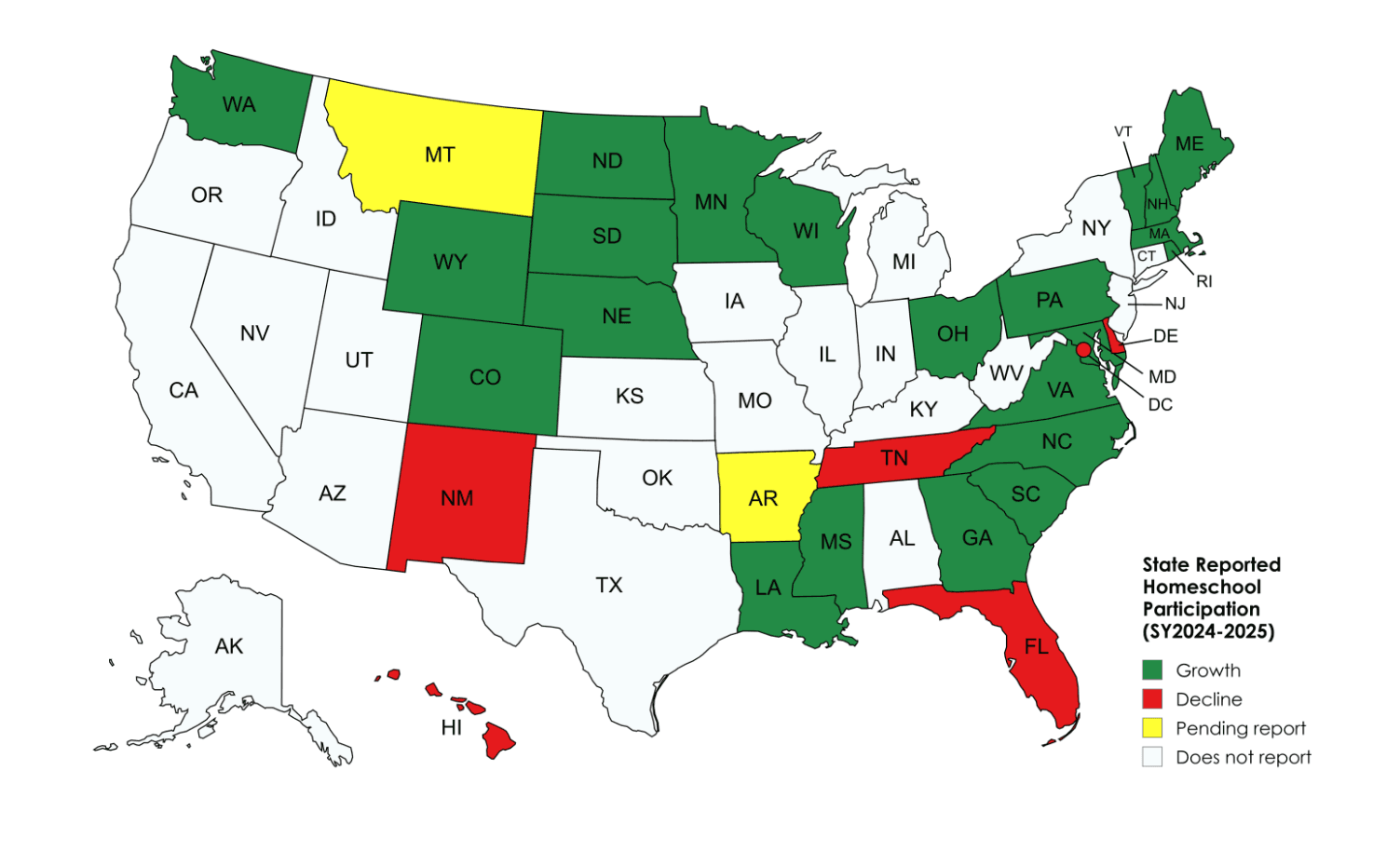
Posted by Meher QazilbashMar 10Homeschooling expanded significantly during the COVID-19 pandemic, with 11% of families homeschooling.Show 3 more findings ZoomHomeschooling Statisticshttps://education.jhu.edu/edpolicy/policy-research-initiatives/homeschool-hub/homeschool-growth-2024-2025/
Posted by Kevin KearneyAug 28Some parents who began homeschooling their children during the COVID-19 pandemic said the experience convinced them it was more beneficial than traditional school.Show 2 more findings ZoomThe lasting appeal of homeschooling: What motivated families to continue after schools reopened post-pandemicThe Conversationhttps://theconversation.com/the-lasting-appeal-of-homeschooling-what-motivated-families-to-continue-after-schools-reopened-post-pandemic-280118
Posted by Kevin KearneyAug 28Homeschooling was illegal in some US states until 1993.Show 4 more findings ZoomHow Homeschooling Evolved from Subversive to Mainstream - JSTOR DailyJSTORhttps://daily.jstor.org/how-homeschooling-evolved-from-subversive-to-mainstream/
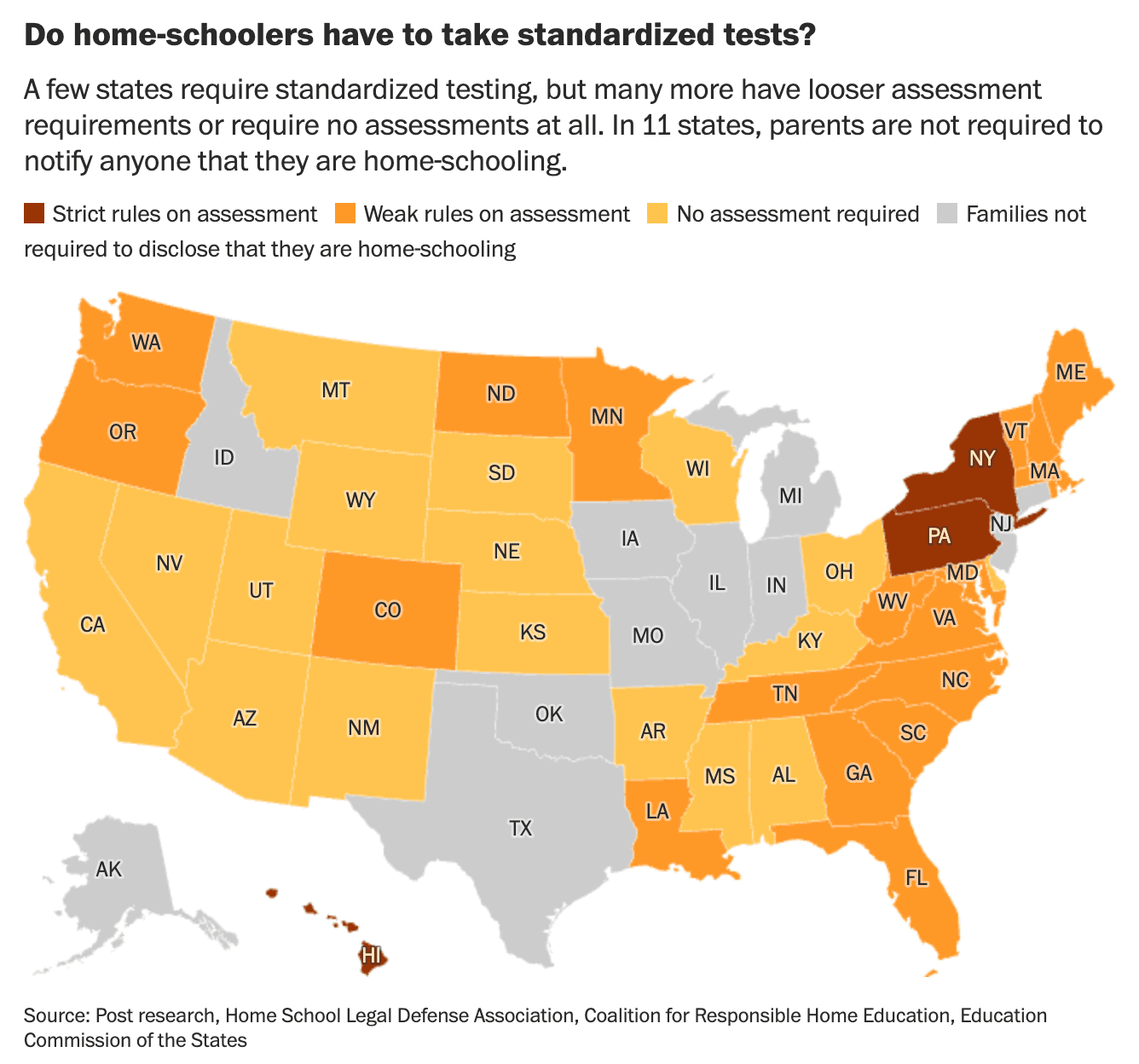
Posted by Kevin KearneyAug 28Most states don't require homeschool students to take standardized tests.Show 3 more findings ZoomHome-schoolers dismantled state oversight. Now they fear pushback.Limited AccessThe Washington Posthttps://www.washingtonpost.com/education/2023/12/28/homeschooling-regulation-esa-school-choice/
Posted by Meher QazilbashSep 2, 2025During the COVID-19 pandemic, many private schools offered in-person classesBy early 2021, approximately 76% of private schools offered some form of in-person learning compared with 38% of public schools. ZoomPublic and private schools show a pandemic learning divideNBC Newshttps://www.nbcnews.com/nightly-news/video/public-and-private-schools-show-a-pandemic-learning-divide-99949637830
Posted by Kevin KearneyAug 28Homeschooling's 1970s advocates came from both the left and the right of the political spectrum.Show 2 more findings ZoomRight And Left Joined Forces In Fight To Legalize Home SchoolingNPRhttps://www.npr.org/sections/ed/2014/09/26/351831387/right-and-left-joined-forces-in-fight-to-legalize-home-schooling
Posted by Meher QazilbashSep 2, 2025In recent years, many private schools have seen enrollment increaseThe pandemic realigned schools’ demographics, with steady enrollment increases reported since 2020. In school years 2023 to 2024 and 2024 to 20225, 40% of private schools saw enrollments increase, though the overall trend appears to be slowing. ZoomThe post-COVID private school enrollment boom is slowinghttps://www.k12dive.com/news/private-school-enrollment-growing-post-covid/756727/
Posted by Kevin KearneyAug 28A 1972 Supreme Court decision about Amish children and education paved the way for homeschooling in the US.Show 4 more findingsWisconsin v. Yoder | Constitution CenterNational Constitution Centerhttps://constitutioncenter.org/the-constitution/supreme-court-case-library/wisconsin-v-yoder-1972
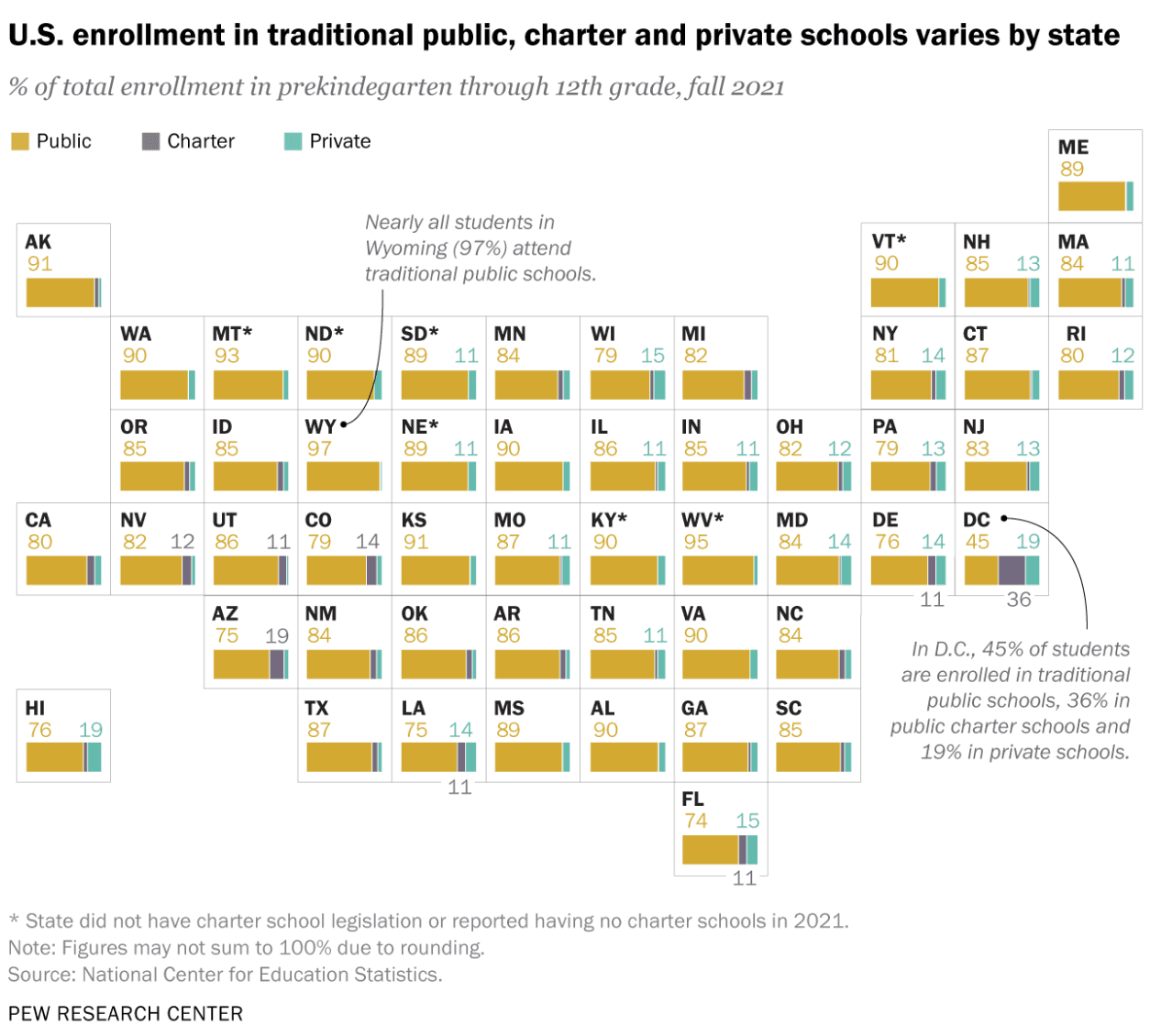
Posted by Meher QazilbashMar 10Approximately 10% of American K-12 students are enrolled in private schools.Show 2 more findings ZoomU.S. public, private and charter schools in 5 chartsPew Research Centerhttps://www.pewresearch.org/short-reads/2024/06/06/us-public-private-and-charter-schools-in-5-charts/
Posted by Kevin KearneyAug 28Explore an archive of 'Growing Without Schooling,' the influential homeschooling newsletter published by 'unschooling' advocate John Holt.Show 2 more findingsGrowing Without Schooling (GWS) Back Issue Set Stack - IssuuIssuuhttps://issuu.com/patfarenga/stacks/bb179dac91264c10bb183f89bf955935?ps=25
Posted by Meher QazilbashJan 27, 2025Private school demographics in the USPrivate school is a costly alternative to public school. As a result, there are numerous demographic differences between public and private school attendees, typically tied to income level. This source presents the latest statistics about private school attendance, as well as a searchable database to see the differences for schools near you. ZoomPrivate school demographicsFlowingDatahttps://flowingdata.com/2025/01/24/private-school-demographics/
Posted by Kevin KearneyAug 28'Unschooling' advocates believe education should be student-directed, with adults merely providing access to information and opportunities.Show 2 more findings 3:42'Unschooling' movement has parents teaching kids outside of classroomsNBC Newshttps://www.youtube.com/watch?v=Si1icmeFRPc
Posted by Meher QazilbashAug 26A 1922 Oregon initiative that sought to ban private education inadvertently strengthened parents' ability to pursue options outside the public school system, building the legal case for homeschooling.Show 4 more findingsPierce v. Society of Sisters | Constitution CenterNational Constitution Centerhttps://constitutioncenter.org/the-constitution/supreme-court-case-library/pierce-v-society-of-sisters
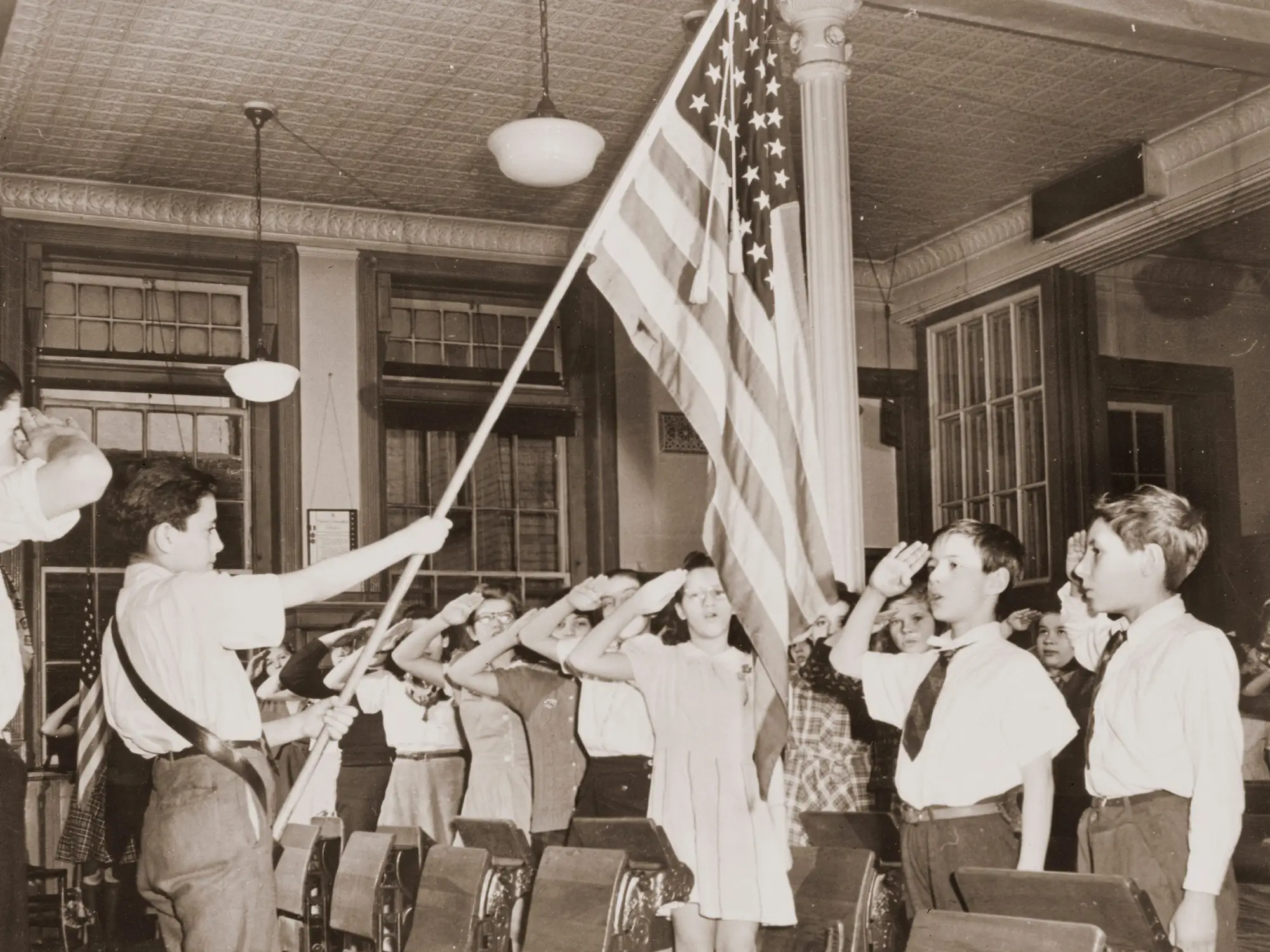
Posted by Meher QazilbashAug 31Visually explore the federal government's evolving role in education.Show 4 more findings ZoomVintage photos show how the US government's involvement in education has changedBusiness Insiderhttps://www.businessinsider.com/federal-government-role-in-education-evolution-photos
Posted by Jeremy CronigMar 27US school distrists have greatly consolidated since 1940Consolidation significantly decreased the number of independent school districts from approximately 117,000 in 1940 to just over 13,000 today, mainly driven by efforts to boost efficiency and balance funding across communities.https://www.newamerica.org/insights/redrawing-the-lines-school-system-redistricting-increase-funding-fairness-decrease-segregation/ii-the-past-present-and-future-of-school-system-redistricting/
Posted by Meher QazilbashSep 3, 2025Explore 2024 polling on curriculum debates relating to social issuesA 2023 nationwide Pew survey found that 56% of K–12 teachers report discussing race or racial inequality in class, while only 29% mention LGBTQ topics. Many teachers (41%) say these debates have negatively impacted their work. ZoomRace and LGBTQ Issues in K-12 SchoolsPew Research Centerhttps://www.pewresearch.org/social-trends/2024/02/22/race-and-lgbtq-issues-in-k-12-schools/
Posted by Meher QazilbashSep 3, 202515 states offer school voucher programs, serving nearly 350,000 studentsVoucher programs direct public K–12 funding to families in the form of tuition grants for private schools and are typically targeted to low-income or special-needs students. ZoomWhat Are School Vouchers and How Do They Work?https://www.edweek.org/policy-politics/what-are-school-vouchers-and-how-do-they-work/2017/01
Posted by Phoebe BainMay 4The share of workers with remote-capable jobs working from home peaked in 2020Every year, it seems like some study is claiming that remote work is over, and that employers are forcing workers to return to office en masse. This chart shows a much more nuanced picture of how remote work has fluctuated before, during, and after the 2020 COVID-19 pandemic—remote, hybrid, and in-person work levels have remained relatively stable since 2023.Gallup.comhttps://www.gallup.com/401384/indicator-hybrid-work.aspx
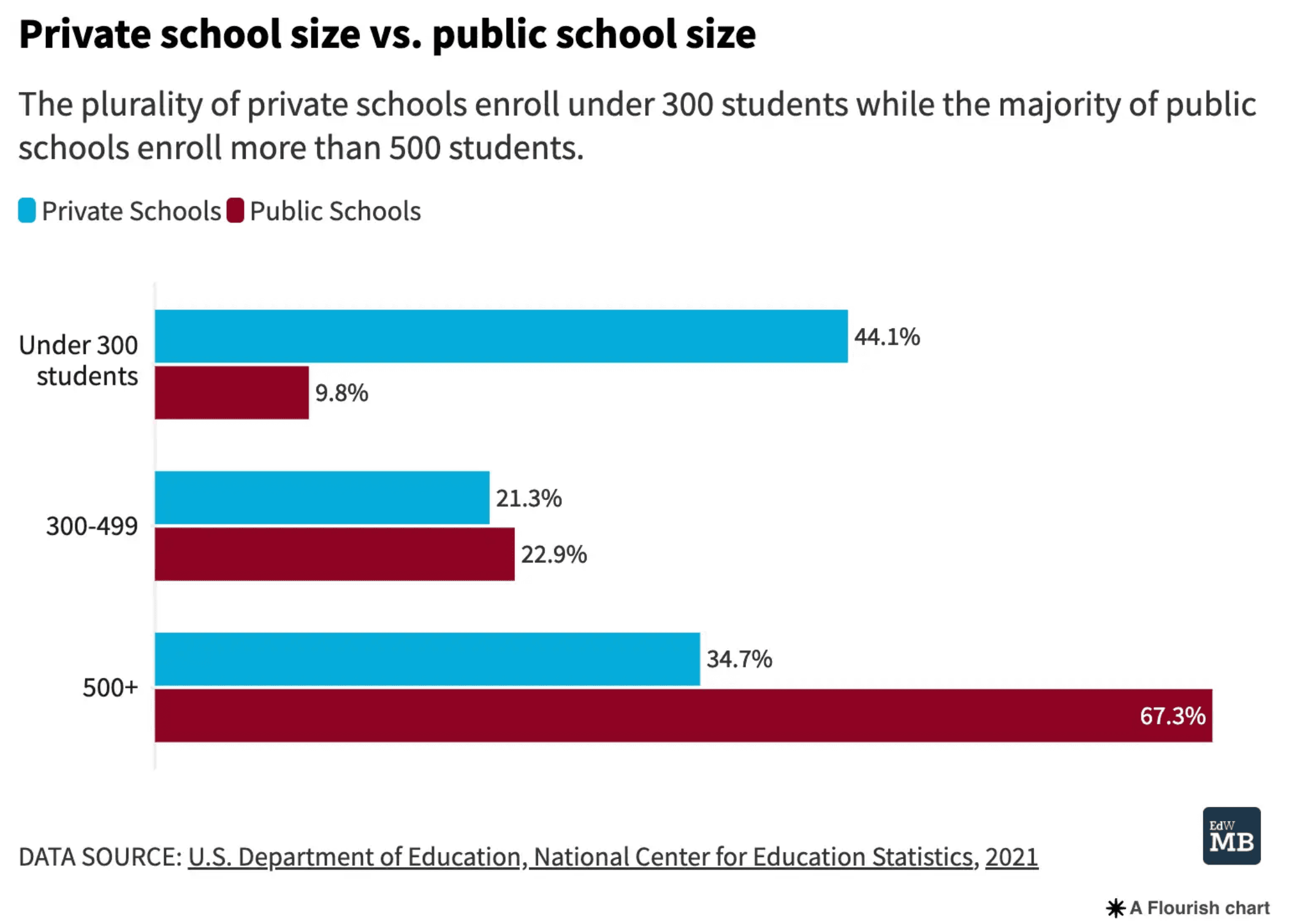
Posted by Meher QazilbashSep 2, 2025Private schools are generally smaller than public schoolsAs of 2021, 44% of private schools enrolled fewer than 300 students. By comparison, over 60% of public schools enroll more than 500 students. ZoomThe U.S. Private School Market: An Explainerhttps://marketbrief.edweek.org/education-market/the-u-s-private-school-market-an-explainer/2025/04
Posted by Kevin KearneySep 2, 2025School choice allows families to use public funds for private educationSome private school advocates support school choice, a broad policy that provides families with public money (sometimes called “vouchers”) to spend on private education, including religiously affiliated schools. 3:12School Choice, Explainedhttps://www.youtube.com/watch?v=-3JXbdi7vvA
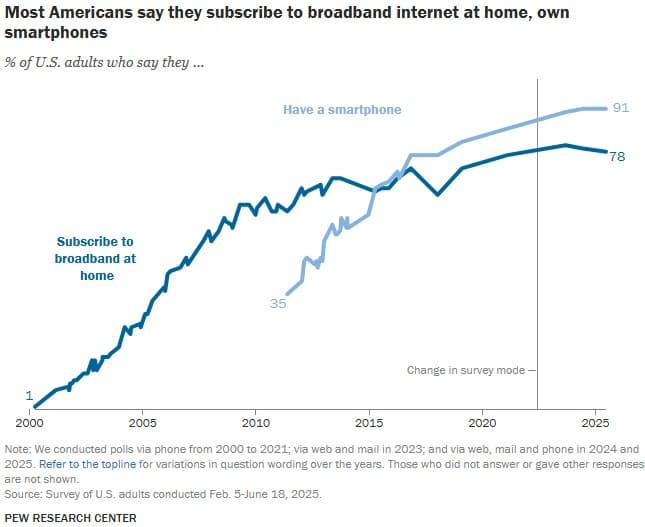
Posted by Marco Daniel MachadoJan 13As of 2025, about 9 in 10 Americans use the internet dailyPolling finds that while most Americans have home broadband and smartphones, digital divides persist. Young adults, Hispanic adults, and lower-income households are significantly less likely to subscribe to home broadband and more likely to rely on smartphones as their primary means of internet access. ZoomPew Research Centerhttps://www.pewresearch.org/short-reads/2026/01/08/internet-use-smartphone-ownership-digital-divides-in-u-s/
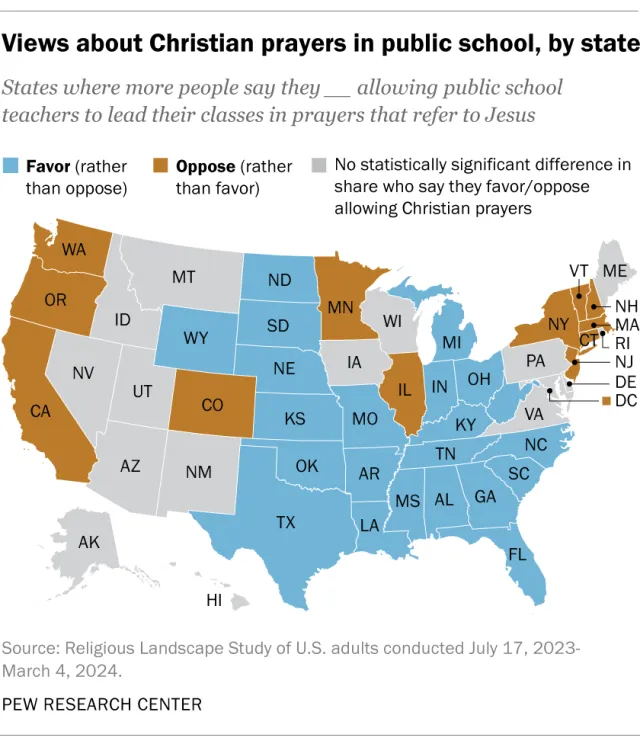
Posted by Jeremy CronigMar 17Americans are divided over Christian prayer in public schoolsA 2024 Pew survey found that over half (52%) of US adults favor allowing teachers in the public school system to lead their classes in prayers that mention Jesus, though results vary widely by state. ZoomSupport for Christian prayer in public schools varies by statePew Research Centerhttps://www.pewresearch.org/short-reads/2025/06/23/support-for-christian-prayer-in-us-public-schools-varies-widely-by-state/
Posted by Meher QazilbashSep 2, 2025Catholic education has grown smaller in the 21st Century Declining numbers of priests and nuns, who often worked in the schools for free, led schools to increase tuition, which inadvertently turned away the schools’ primary demographic: working-class immigrant families. At the same time, the sexual abuse scandals of the early 2000s left many others feeling like Catholic schools were dangerous. ZoomCan Catholic Schools Be Saved?https://www.bostonmagazine.com/education/2024/05/05/catholic-schools/
Posted by Phoebe BainJun 10US homeownership rates declined from the start of the Great Recession through 2016.Show 2 more findings ZoomWhat is the homeownership rate in the US? | USAFactsUSAFactshttps://usafacts.org/answers/what-is-the-homeownership-rate/country/united-states/
Posted by Meher QazilbashSep 2, 2025The earliest colonial schools were often religiousThe earliest American schools were far from our notions of “public” or “private”—they were neighborhood institutions, often founded by religious groups, that sought to educate children academically and spiritually. ZoomWhat School Was Like in the 13 ColoniesHISTORYhttps://www.history.com/articles/13-colonies-school
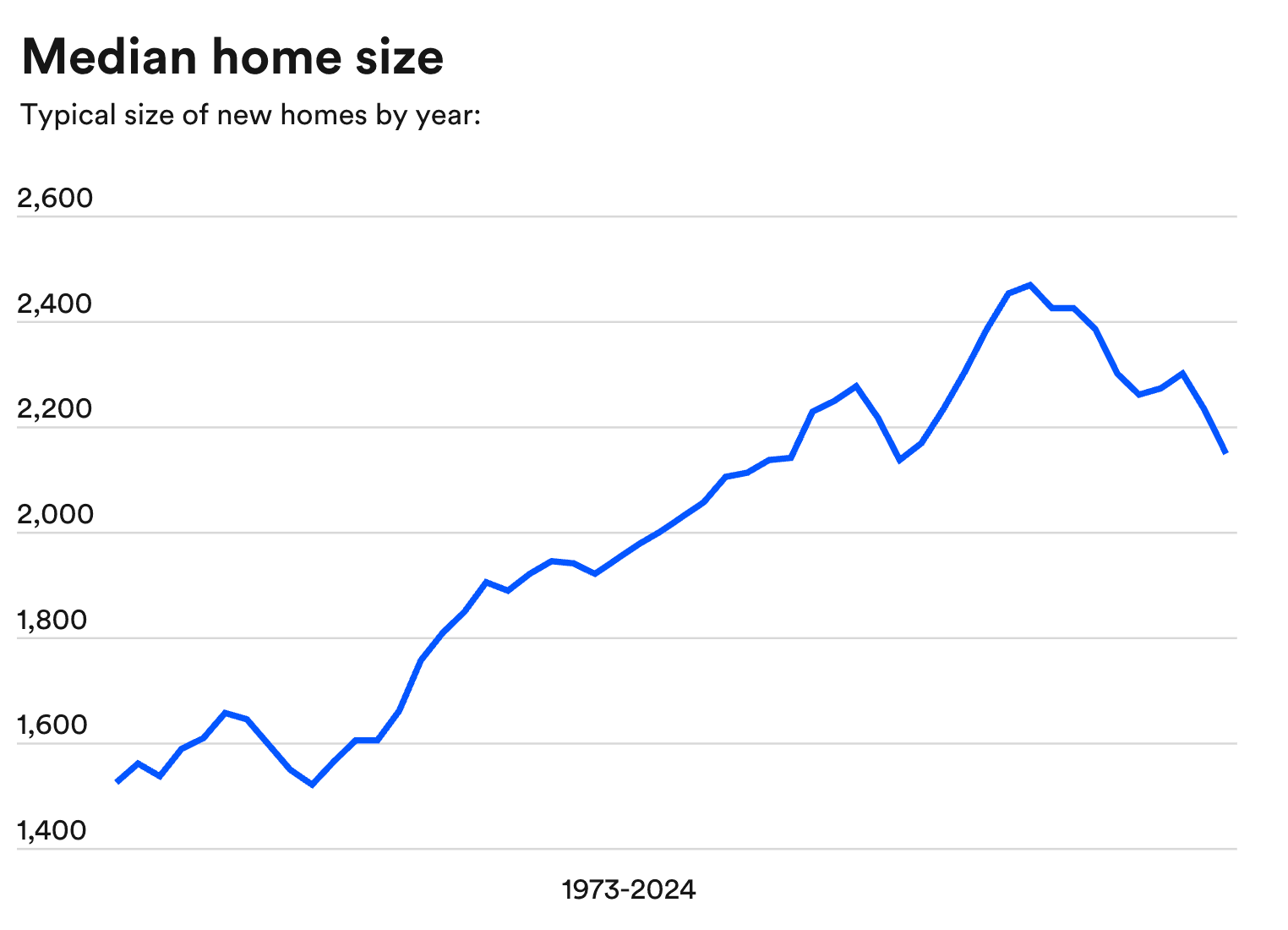
Posted by Phoebe BainNov 14, 2025US homes have been shrinking in recent yearsSpecifically, the median square footage of new single-family homes in the US has decreased in each of the past several years. In 2015, the typical new-construction home was about 2,467 square feet—but by 2024, that number had shrunk to 2,146 square feet. ZoomUS homes have been shrinking in recent yearsBankratehttps://www.bankrate.com/real-estate/average-home-size/
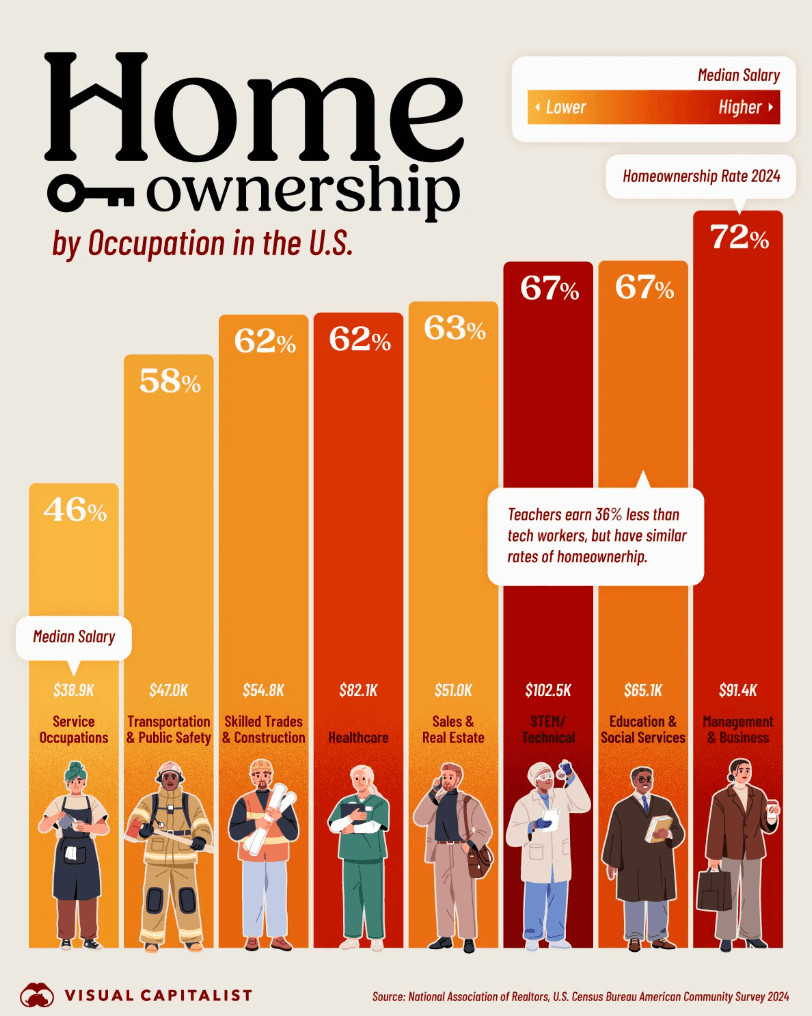
Posted by Phoebe BainMay 4Despite earning less than most tech workers, educators have one of the highest rates of homeownershipAnnual income largely determines homeownership. In the US, 72% of people in management roles own a home, but educators, who on average earn much less than those working in business, have the second-highest rate of homeownership. ZoomRanked: Homeownership Rates by U.S. OccupationVisual Capitalisthttps://www.visualcapitalist.com/ranked-homeownership-rates-across-major-u-s-occupations/
Posted by Dina Fine MaronMay 151 in 31 kids in the US has autismThat figure comes from an analysis published by the US Centers for Disease Control and Prevention based on data gathered on eight-year-olds in 2022. Its figures mark a significant increase from 2000, when the estimated autism figure was one in 150, but improvements in diagnosis and changes to the disease criteria that broadened the diagnostic criteria are widely believed to be driving that increase. ZoomUS Centers for Disease Control and Preventionhttps://www.cdc.gov/mmwr/volumes/74/ss/ss7402a1.htm
Posted by Dina Fine MaronFeb 16The COVID-19 pandemic led to a decrease in immunizations in the US and worldwidePublic health funds and resources that were diverted to COVID-19 response reduced efforts to combat polio and vaccinations for polio and other diseases declined during the pandemic, putting more people at risk for polio. 3:43https://www.youtube.com/watch?v=27MAgWSYrvI
Posted by Dina Fine MaronMay 5Teen depression levels jumped during the pandemicUS government data published in 2025 but gathered from August 2021 through August 2023 indicated that depression prevalence among teens aged 12 to 19 was at 19.2%. It was even higher among females of that age group—26.5%US Centers for Disease Control and Preventionhttps://www.cdc.gov/nchs/products/databriefs/db527.htm
Posted by Kevin KearneyJun 30Fewer middle-class students now attend private schoolsStanford professor Sean Reardon says there are two primary reasons behind this trend. The first is that many parochial schools, which tend to offer more affordable tuition, have closed. The second is that tuition for the remaining private schools has outpaced middle-class salaries. https://open.spotify.com/episode/1n3eYIg4n7R5UDhLWC56Ur
Posted by Dina Fine MaronMar 9More than 90% of American deaf children are born to hearing parentsThe National Institute on Deafness and Other Communication Disorders have collated top statistics about hearing loss in the US including differences by age, racial groups, and other factors.https://www.nidcd.nih.gov/health/statistics/quick-statistics-hearing
Posted by Kevin KearneyJun 30Economists warn that private schools can negatively affect public schoolsLower public school enrollment often means less public school funding. Private school parents, however, frequently argue that public schools simply aren't offering the right education for their children. This podcast episode investigates that back-and-forth in San Francisco, where 30% of children attend private schools, nearly three times the national figure.https://open.spotify.com/episode/6ImvUOEtCMR15ZOZfaEn7B
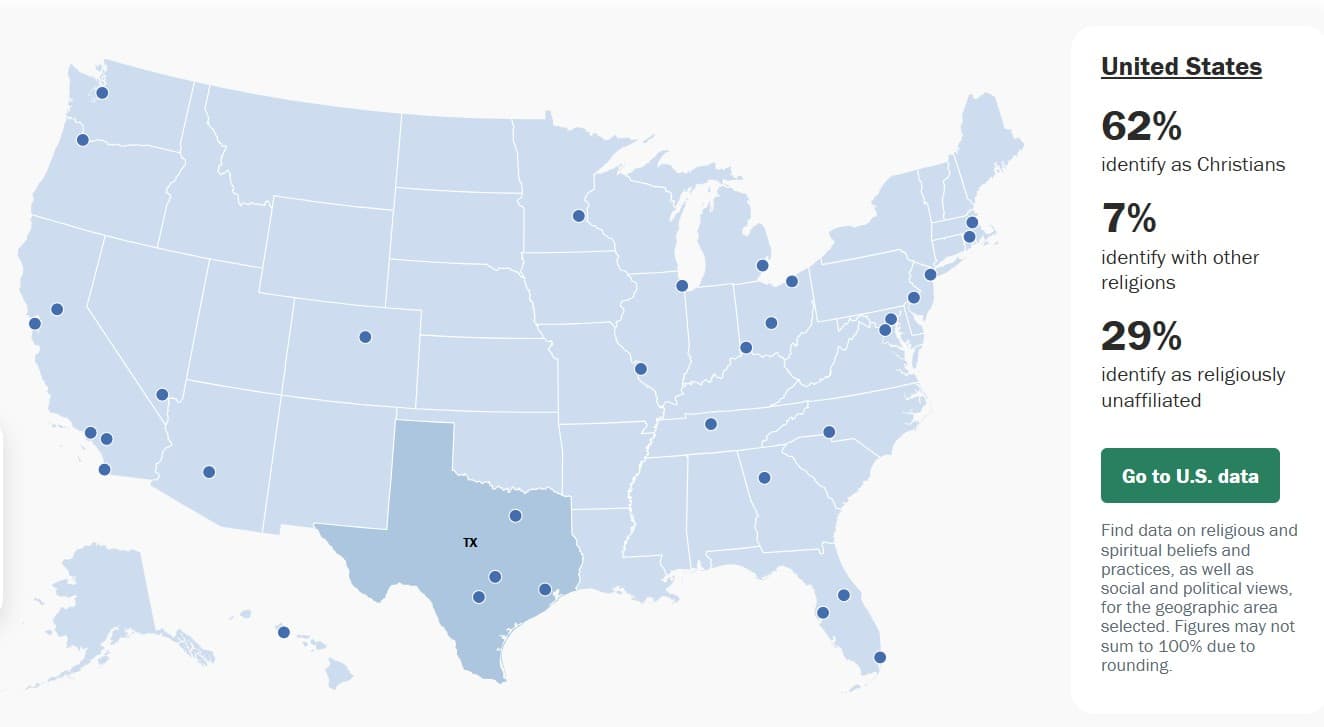
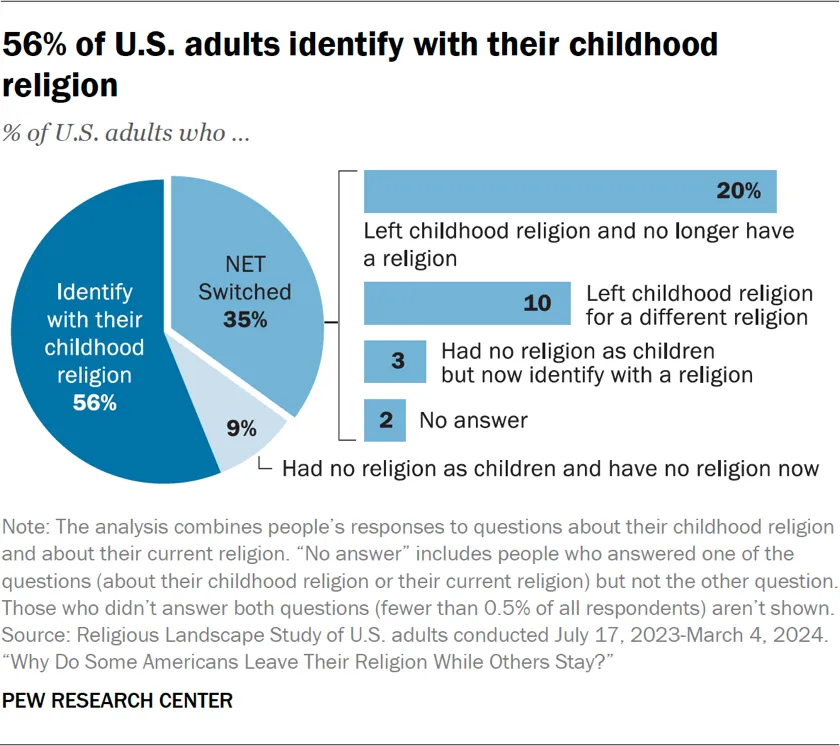
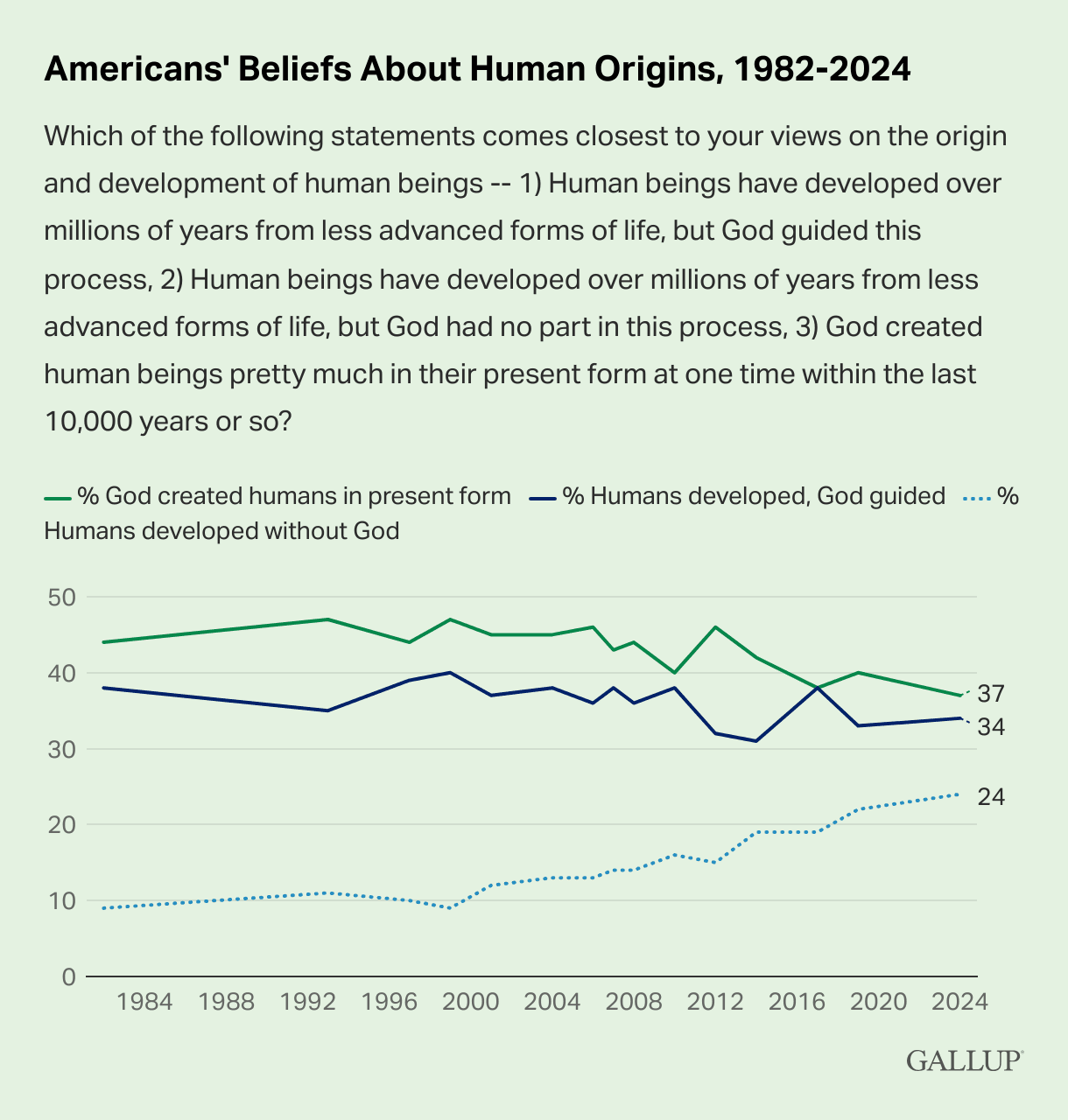
Posted by Kevin KearneyJan 735% of Americans have moved on from their childhood religionA new Pew Research analysis finds that most Americans still identify with their childhood religion, but 35% have switched or left entirely—often due to lost belief or drifting away. ZoomPew Research Centerhttps://www.pewresearch.org/religion/2025/12/15/why-do-some-americans-leave-their-religion-while-others-stay/
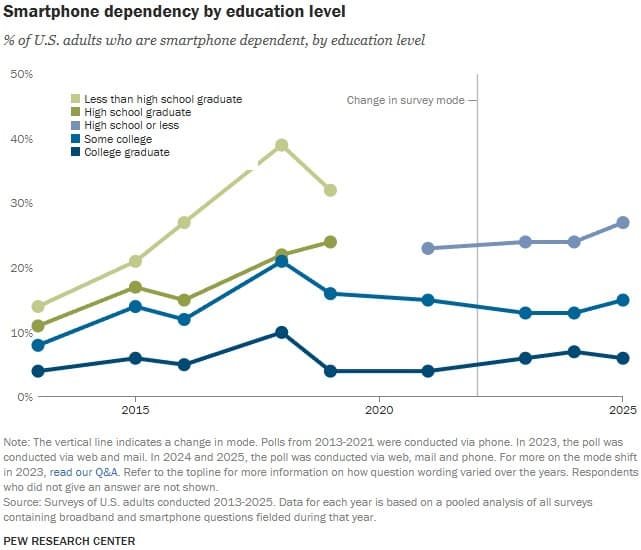
Posted by Marco Daniel MachadoApr 13As of 2025, about 16% of US adults are 'smartphone-only' internet usersDemographically, smartphone dependency is greatest among those below 30, Hispanics, Blacks, economically disadvantaged individuals, and those with less formal education. Home broadband adoption is at 78%, with rates highest among suburban residents. ZoomDemographics of Internet and Home Broadband Usage in the United StatesPew Research Centerhttps://www.pewresearch.org/internet/fact-sheet/mobile/
Posted by Marco Daniel MachadoApr 15As of 2025, about 16% of US adults are 'smartphone-only' internet usersDemographically, smartphone dependency is greatest among those below 30, Hispanics, Blacks, economically disadvantaged individuals, and those with less formal education. Home broadband adoption is at 78%, with rates highest among suburban residents.Pew Research Centerhttps://www.pewresearch.org/internet/fact-sheet/internet-broadband/
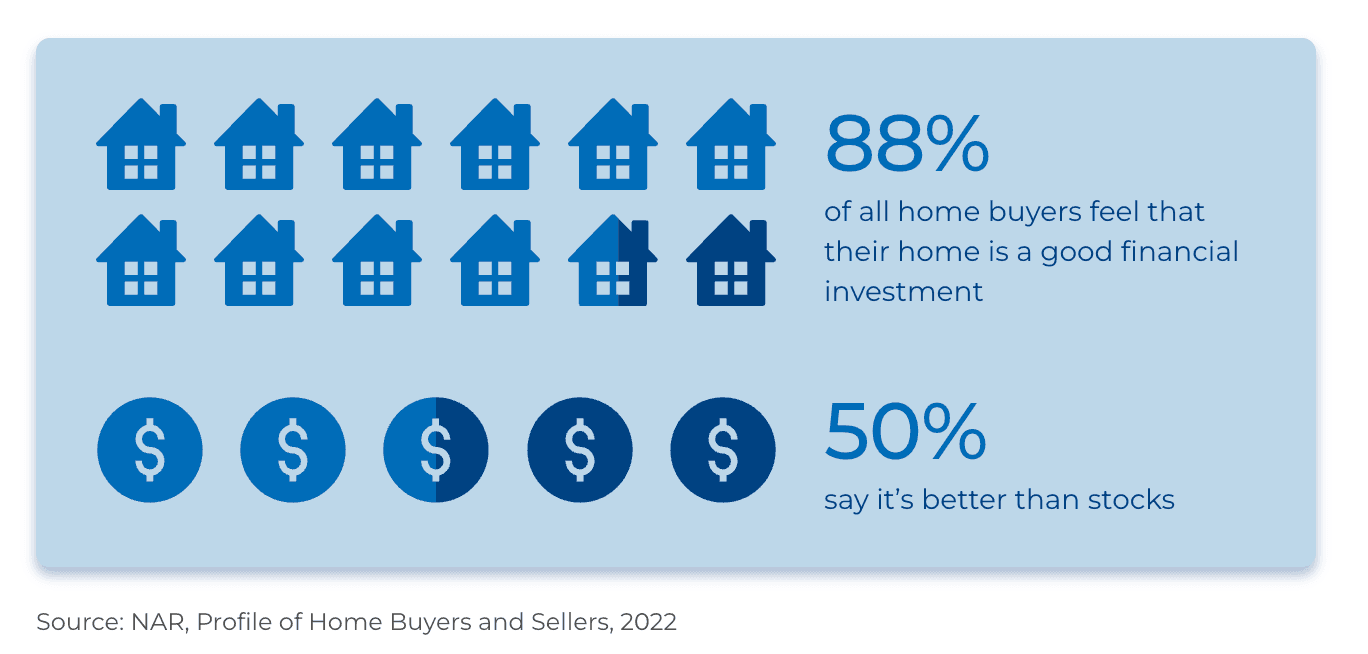
Posted by Phoebe BainAug 11About 88% of all homebuyers feel their home is a good investment.Show 3 more findings ZoomAbout 88% of all homebuyers feel their home is a good investmentCNNhttps://sponsorcontent.cnn.com/interactive/nar/benefits-of-home-ownership/
Posted by Kevin KearneySep 2, 2025Private schools are free to experiment with teaching styles Because they’re not beholden to national curricula, private school teachers can use different pedagogical approaches, like Harkness, which was developed at New Hampshire’s Phillips Exeter Academy. The method brings students to a large round oval table and encourages them to lead the lesson through inquiry. 3:36The Harkness Differencehttps://www.youtube.com/watch?v=189Miz-C6sU
Posted by Dina Fine MaronFeb 9Most Americans are now dying at home, reversing 20th century trendsFor most of the 21st and 20th centuries most Americans died in hospital settings. But in 2016, home-based deaths overtook hospitals; most Americans are now dying at home, likely fueled by individual preferences to die at home or to receive at-home palliative care.https://www.nejm.org/doi/10.1056/NEJMc1911892?url_ver=Z39.88-2003
Posted by Meher QazilbashMar 28, 2025How COVID-19 brought new investors into the marketWith fees removed from the equation and more time at home thanks to pandemic-related lockdowns, Americans who had never bought or sold stocks before started participating in the market. Charles Schwab dubs this cohort “Generation Investor” and notes individuals from all age ranges took part in this phenomenon. Study up here. ZoomMany retail investors started during Covid pandemic: Schwab surveyCNBChttps://www.cnbc.com/2021/04/08/a-large-chunk-of-the-retail-investing-crowd-got-their-start-during-the-pandemic-schwab-survey-shows.html