Posted by Meher QazilbashAug 9The First Continental Congress did not meet to discuss independence from BritainShow 3 more findings ZoomThe First Continental Congress — Carpenters’ Hallhttps://www.carpentershall.org/the-first-continental-congress
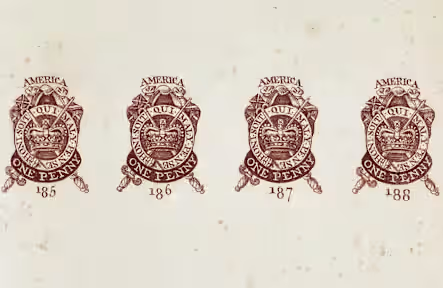
Posted by Teddy BurkhardtMar 18The Stamp Act of 1765 was a key stepping stone toward the American Revolution, igniting colonial resistance to British taxation.The reaction to the first direct tax on colonists prompted the second-ever colonial congress and a broad boycott of British goods. It also gave birth to the Declaration of Rights and Grievances, the congress's document articulating the "no taxation without representation" stance. The act's passage was a major stepping stone to revolution.Show 4 more findings 7:51How the Stamp Act Lit the Flame of the American Revolution | PBSPBShttps://www.youtube.com/watch?v=F_GPVxs9x3w
Posted by Jeremy CronigJun 23A letter drafted by a Boston town committee in 1772 helped unite the colonies behind independence.Show 4 more findings ZoomThe Letter That Helped Start a Revolution - JSTOR DailyJSTORhttps://daily.jstor.org/the-letter-that-helped-start-a-revolution/
Posted by Meher QazilbashJan 6Since 1776, the Declaration of Independence has served as a model for more than 100 nations and freedom organizations writing their own declarations.Show 3 more findingsEpisode 141: A Declaration in DraftBen Franklin's Worldhttps://open.spotify.com/episode/4HHqcG4o50SNcHGdOuseLF
Posted by Teddy BurkhardtMar 18The Stamp Act Congress made 'no taxation without representation' into a constitutional argumentThe 1765 gathering of 27 delegates from nine colonies at New York's Federal Hall produced the Declaration of Rights and Grievances, which asserted that colonists could only be taxed by their own elected representatives. The document codified the principle that would define the road to revolution. ZoomOn this day: “No taxation without representation!”National Constitution Centerhttps://constitutioncenter.org/blog/no-taxation-without-representation
Posted by Meher QazilbashApr 8, 2025Opposition to British taxes, regulation of trade was key to American independenceThe economic situation in the colonies formed the backbone of the central events of the Revolution. British war debts caused it to lay the first direct taxes on colonists, cease their westward expansion claims, and adhere to stringent trade regulations, leading to backlash and eventual separation. ZoomThe Economics of the American Revolutionary War – EH.nethttps://eh.net/encyclopedia/the-economics-of-the-american-revolutionary-war/
Posted by Meher QazilbashJan 6Congress actually voted to approve independence on July 2, 1776, leading many Founders to believe that would be the date Americans would one day celebrate.This video highlights lesser-known facts about the Declaration of Independence, including that Congress approved independence on July 2—leading many Founders to believe that would be the day Americans would celebrate their independence.Show 3 more findings 3:38What you might not know about the Declaration of Independence - Kenneth C. DavisTED-Edhttps://www.youtube.com/watch?v=LKJMWHCUoiw
Posted by Teddy BurkhardtMar 18Read the resolutions of the Stamp Act CongressAdopted October 19, 1765, the resolutions argued that taxation without colonial consent violated the British constitution, that admiralty courts without juries subverted English liberties, and that paying the tax in hard currency was practically impossible. Each grievance was framed not as rebellion but as a defense of rights the colonists already believed they possessed. ZoomResolutions of the Stamp Act Congresshttps://teachingamericanhistory.org/document/resolutions-of-the-stamp-act-congress-2/
Posted by Meher QazilbashJun 28, 2017The Declaration of Independence was not only a statement of principles but also an appeal for military allies that the struggling colonists needed to survive.Show 4 more findings ZoomAt Its Core, the Declaration of Independence Was a Plea for Help From Britain’s EnemiesSmithsonian Magazinehttps://www.smithsonianmag.com/history/its-core-declaration-independence-was-plea-help-britains-enemies-180963857/
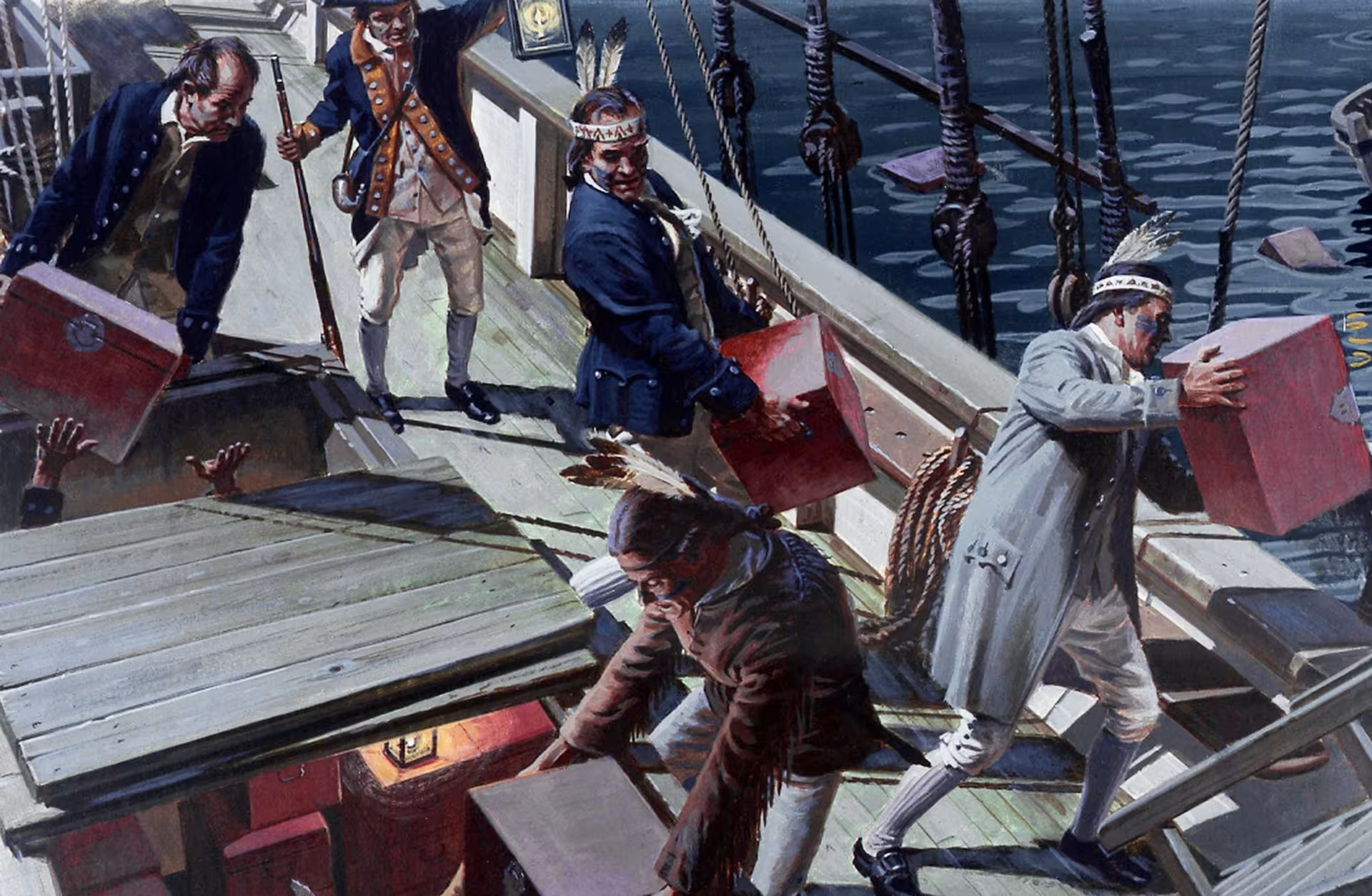
Posted by Jeremy CronigAug 9The Founding Fathers were divided in their reactions to the Boston Tea Party.Show 4 more findings ZoomWhy Some Founding Fathers Disapproved of the Boston Tea Party | HISTORYHISTORYhttps://www.history.com/articles/boston-tea-party-critics-ben-franklin
Posted by Jeremy CronigJan 9See the documents that shaped the Declaration before it was writtenThis Library of Congress collection comprises early arguments for Colonial rights, protests against British authority, draft constitutions, and multiple working drafts of the Declaration of Independence. It traces the ideas and language that preceded the final document adopted in 1776. ZoomLibrary of Congresshttps://www.loc.gov/exhibits/jefferson/jeffdec.html
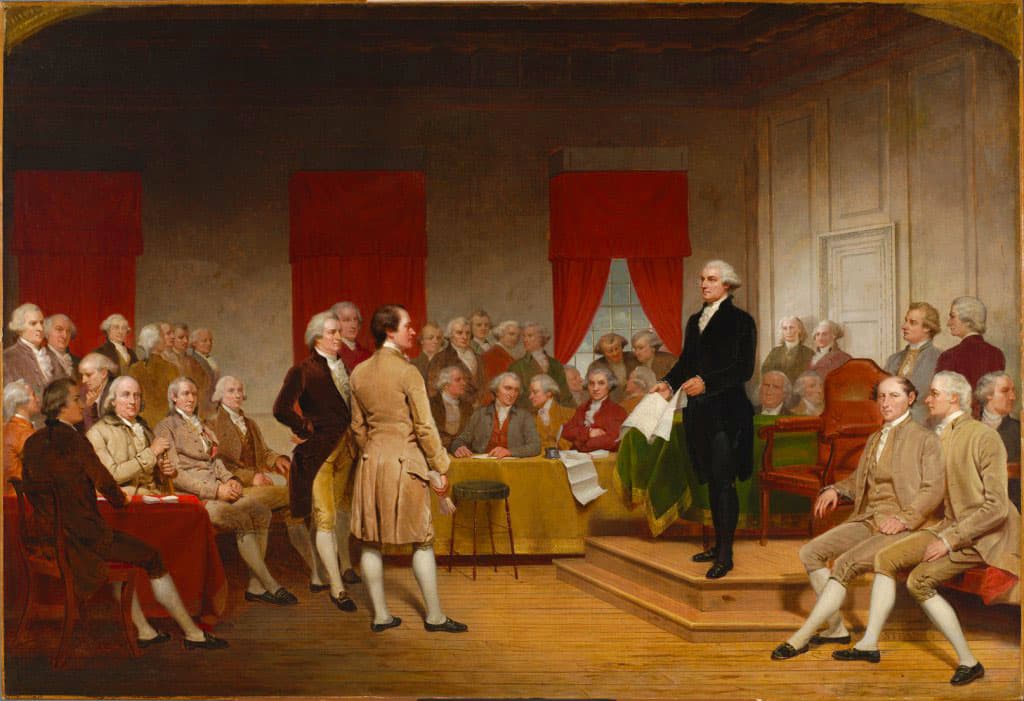
Posted by Teddy BurkhardtDec 10, 2024The 1787 Constitutional Convention was initially called to amend the Articles of ConfederationDelegates initially met in 1787 to amend the Articles of Confederation, but within weeks chose to redesign the government entirely. Months of intense debate over power and representation produced the compromises that shaped the Constitution. ZoomThe Constitution: How Did it Happen?National Archiveshttps://www.archives.gov/founding-docs/constitution/how-did-it-happen
Posted by Teddy BurkhardtDec 10, 2024The Articles of Confederation were the first governing documents of the United StatesDrafted in 1777 and ratified in 1781, the articles created a weak national government without the ability to tax or regulate commerce. This led to problems for the new nation, necessitating the Constitutional Convention in 1787. ZoomArticles of Confederation ‑ Weaknesses, Definition, Date | HISTORYhttps://www.history.com/topics/early-us/articles-of-confederation
Posted by Jeremy CronigFeb 11New York was a hotbed of early revolutionary activityIn the decade before independence, New York City saw Stamp Act riots, liberty pole confrontations, the 1770 Battle of Golden Hill, and defiance of the Quartering Act, and organized efforts to block and destroy taxed British tea.National Park Servicehttps://www.nps.gov/fost/blogs/the-early-rebellion-in-new-york.htm
Posted by Jeremy CronigJan 9July Fourth wasn't always a holiday, and its meaning has changed over time.Show 3 more findingshttps://open.spotify.com/episode/68ElSKAI7CtsDDnAOdfYOL?si=74b05b5694dd43fc
Posted by Teddy BurkhardtJun 30The Americans abandoned Philadelphia to the British in 1777.Show 2 more findingsThe Philadelphia Campaign: When Britain Took Over Ben Franklin's House • Key Battles of the Revolutionary Warhttps://open.spotify.com/episode/1K9aldadX6SpXdBwkHqpsR
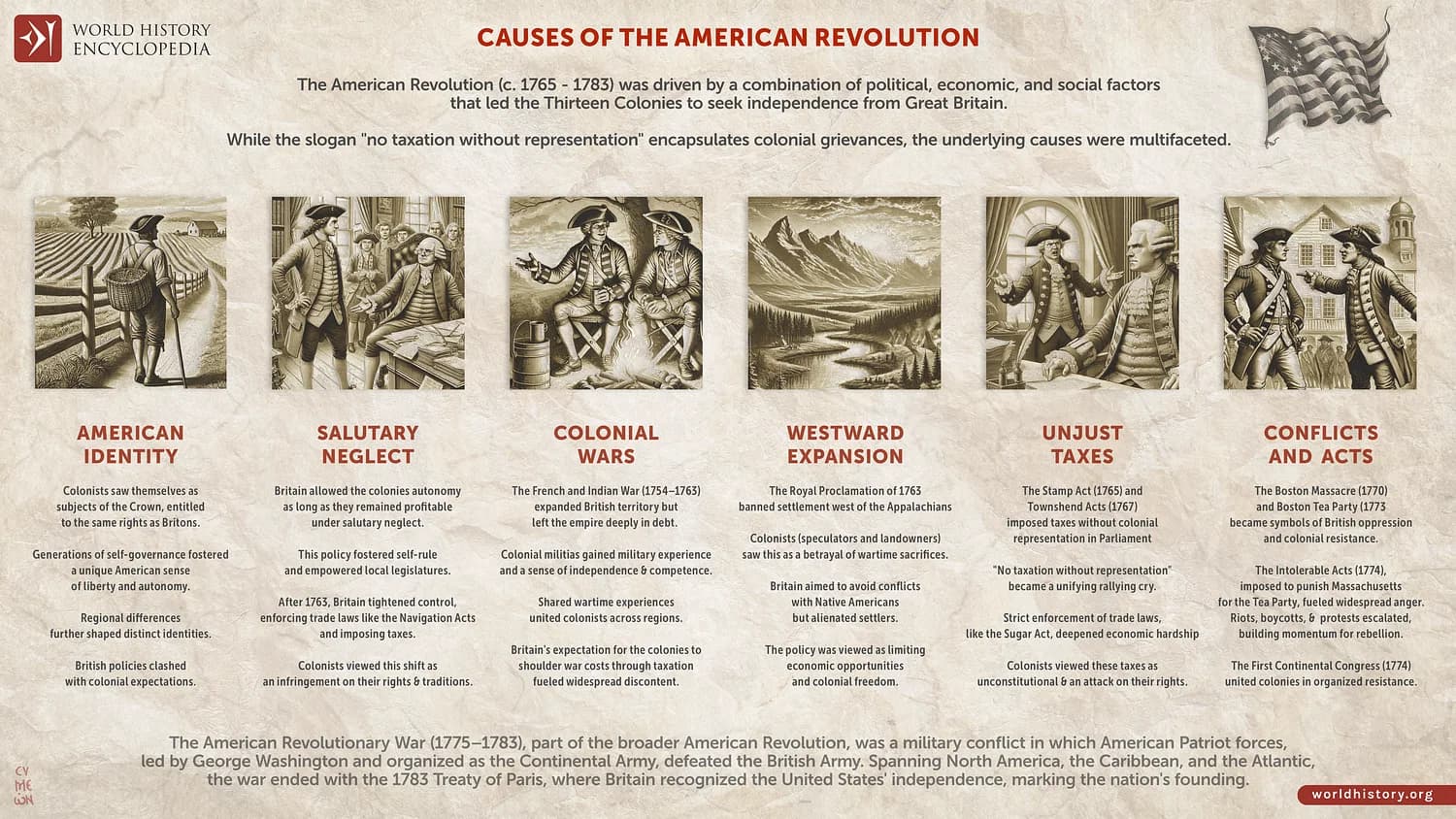
Posted by Meher QazilbashMar 23The causes of American rebellion were multifacetedBritish taxes on colonists to pay for the French and Indian War were just one element. Thousands of miles of separation between London and the Colonies, expanding territories, a distinct Colonial identity, and political conflicts combined to prompt the Revolution. ZoomAmerican RevolutionWorld History Encyclopediahttps://www.worldhistory.org/American_Revolution/
Posted by Meher QazilbashAug 26The Tariff Act of 1789 was one of America's first acts.Show 3 more findings Zoom1789: First Congress Provides for Customs Administrationhttps://www.cbp.gov/about/history/1789-first-congress-provides-customs-administration
Posted by Meher QazilbashApr 8, 2025Shays' rebellion pitted rebel veterans against the Revolution's leadersThe Revolutionary War led to independence and significant debt for most states. In 1786, a group of veterans and farmers from western Massachusetts protested against the state government’s increased taxes. Led by Daniel Shays, the group attempted to capture an armory in Springfield but failed. 2:51Shays' Rebellion: Revolt Against the Revolutionhttps://www.youtube.com/watch?v=CRUqhh1tDm4&ab_channel=AmericanBattlefieldTrust
Posted by Meher QazilbashJul 2, 2025The Declaration was also a list of grievancesThis article breaks down the Declaration’s 27 grievances against King George III, illustrating how they were intended not only to express colonial anger but also to justify rebellion and garner support abroad. ZoomThe Declaration of Independence Was Also a List of Grievances | HISTORYHISTORYhttps://www.history.com/articles/declaration-of-independence-grievances
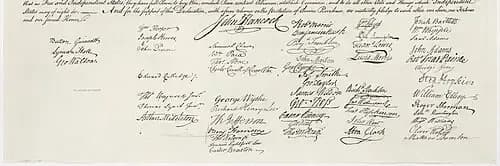
Posted by Meher QazilbashFeb 20Meet the 56 signers of the Declaration of Independence—most of whom didn't put pen to paper until August 2, 1776—and see their original signatures.This online exhibit from the Daughters of the American Revolution presents a visual slideshow of all 56 signers of the Declaration of Independence, pairing portraits and biographies with photographs of their handwritten signatures.Show 3 more findings ZoomSigners of the Declaration of Independencehttps://www.dar.org/archives/signers-declaration-independence
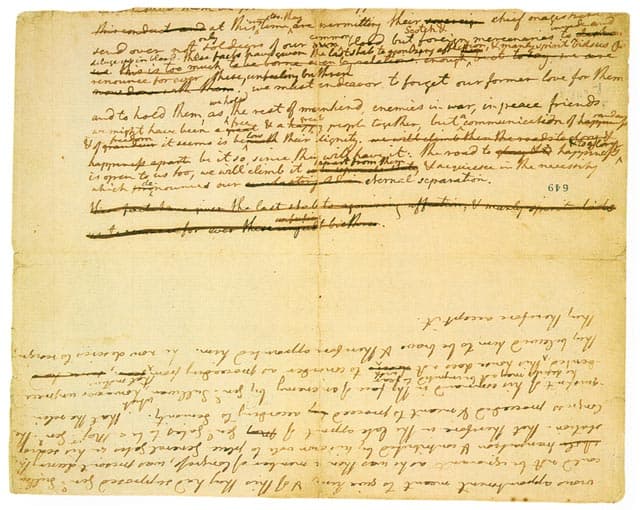
Posted by Jeremy CronigAug 26A section condemning slavery, originally written by Thomas Jefferson, was cut from the Declaration of Independence.Show 3 more findings ZoomDeleted Slavery Passage | Declaration of Independencehttps://www.thehenryford.org/collections/explore/articles/the-deleted-slavery-passage-from-the-declaration-of-independence
Posted by Jeremy CronigAug 12The Continental Army invaded Canada in an attempt to seize Montreal and Quebec City in 1775.Show 2 more findings 8:39Benedict Arnold and The Battle of Quebec | The American Revolution | PBShttps://www.youtube.com/watch?v=88LPNK6CJgk
Posted by Teddy BurkhardtAug 9The Sons of Liberty used radical tactics to resist British policies.Show 2 more findings ZoomWho Were the Sons of Liberty?HISTORYhttps://www.history.com/news/sons-of-liberty-members-causes
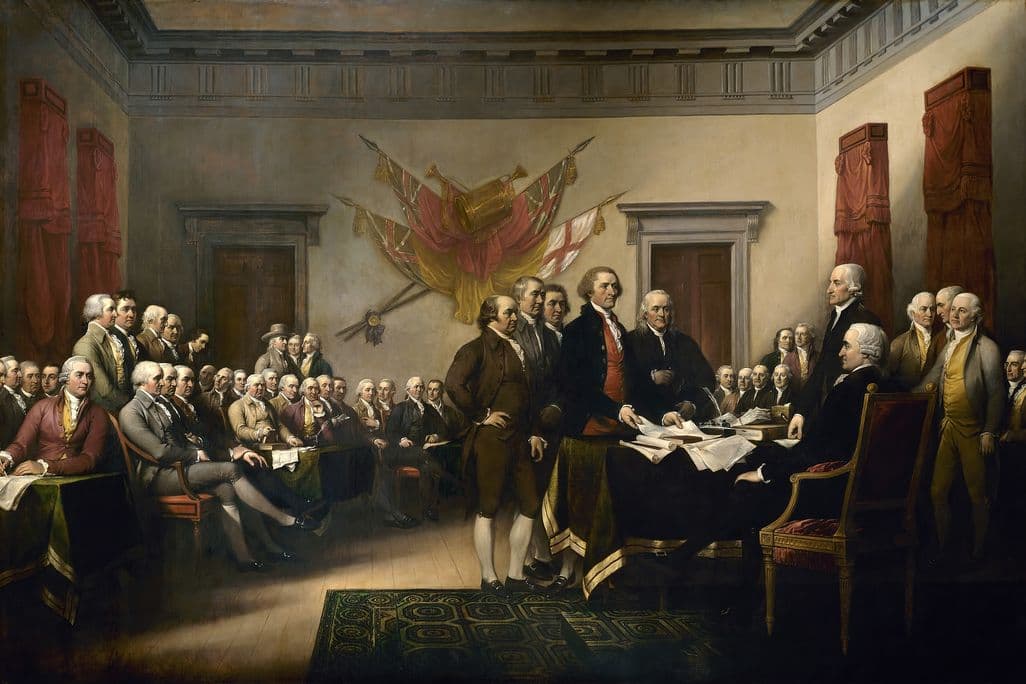
Posted by Teddy BurkhardtJan 8The Constitution was written in the same building where the Declaration of Independence was signedThe US Constitution was drafted in the Pennsylvania State House—the same building in Philadelphia where the Declaration of Independence was signed in 1776. Read this page from the National Constitution Center for other fast facts about the document.Fun Facts and ResourcesNational Constitution Centerhttps://constitutioncenter.org/education/classroom-resource-library/classroom/constitution-fast-facts
Posted by Meher QazilbashApr 8, 2025'No taxation without representation' was championed by British lawmaker William PittBritish parliamentarian William Pitt laid out the argument supporting “no taxation without representation,” a major feature of the colonial debate around the Stamp Act in 1765. Arguing taxes are valid, Pitt acknowledged they aren’t if those taxed don’t have representation in the body that passes the tax laws. ZoomAnalysis: On the Right to Tax America | EBSCOEBSCOhttps://www.ebsco.com/research-starters/history/analysis-right-tax-america
Posted by Jeremy CronigJun 29The first newspaper to report the Declaration of Independence was a German-language Philadelphia publication, simply because it was the only one that published on July 5.Show 4 more findings ZoomThe German-Language Newspaper That Got the Scoop on American IndependenceAtlas Obscurahttps://www.atlasobscura.com/articles/german-language-newspaper-declaration-independence-day-signing
Posted by Meher QazilbashJul 2, 2025See a timeline of the Declaration's creationThis National Archives timeline walks through the Declaration’s creation step by step—from early calls for independence to drafting, approval, and final signatures—highlighting the key moments that led to the Colonies’ break from Britain. ZoomCreating the Declaration: A TimelineNational Archiveshttps://www.archives.gov/founding-docs/timeline
Posted by Jeremy CronigAug 18The federal government's decision to pay off the states' Revolutionary War debts required a new tax, which sparked an armed rebellion. Show 4 more findings ZoomThe First Presidential Pardon Pitted Alexander Hamilton Against George WashingtonSmithsonian Magazinehttps://www.smithsonianmag.com/history/first-presidential-pardon-pitted-hamilton-against-george-washington-180964659/
Posted by Jeremy CronigMay 20Benjamin Franklin founded America's first lending library, the Library Company of Philadelphia, in 1731.Show 3 more findingsAbout LCP – The Library Company of PhiladelphiaLibrary Company of Philadelphiahttps://librarycompany.org/about-lcp/
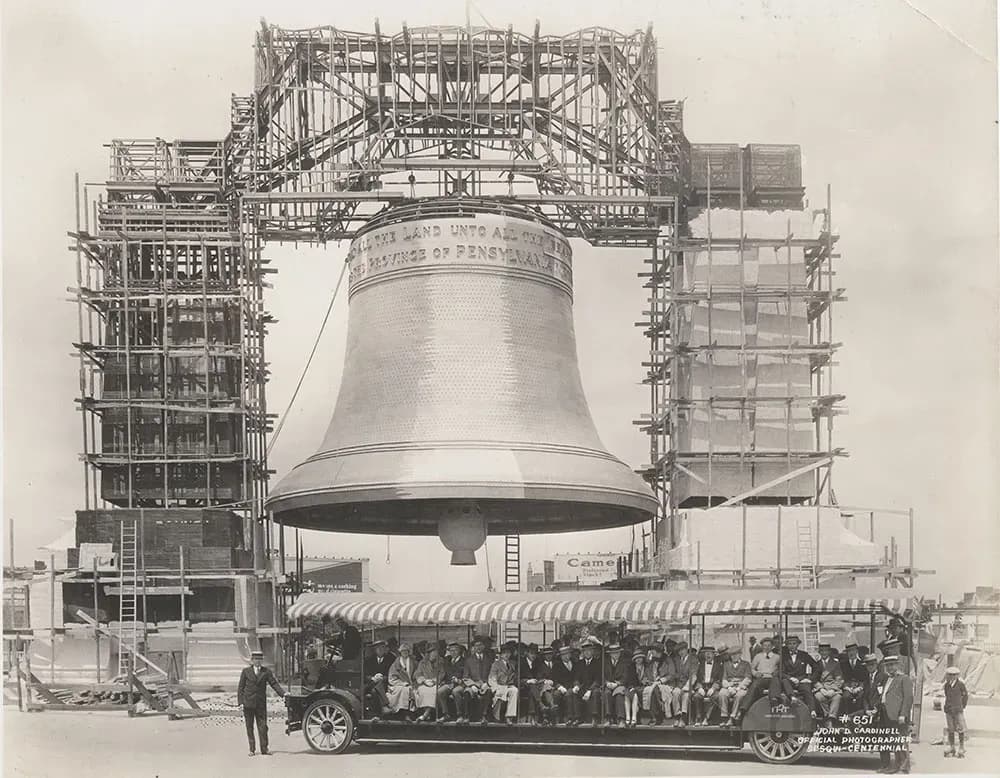
Posted by Kevin KearneyJun 27Celebrations for America's 150th birthday in 1926 were a poorly organized mess that nearly bankrupted the host city of Philadelphia.Show 4 more findings ZoomAmerica's 150th Birthday Celebration Was Deemed the Nation's 'Greatest Flop.' What Went Wrong With the Sesquicentennial?Smithsonian Magazinehttps://www.smithsonianmag.com/history/americas-150th-birthday-celebration-was-deemed-the-nations-greatest-flop-what-went-wrong-with-the-sesquicentennial-180988946/
Posted by August MoonMar 10After the Boston Tea Party, colonists switched to coffee, which became the main morning drink for revolutionaries.After the Boston Tea Party (1773), colonists boycotted tea and turned to coffee, with coffeehouses becoming hubs for revolutionary discussions. The stimulating import from the Caribbean helped shape the nascent American taste.Show 4 more findings 1:30Coffee & the Revolutionary War1440 Originalshttps://www.youtube.com/shorts/QmBYS0_wU-4
Posted by Teddy BurkhardtMar 18The Stamp Act's real purpose was protecting colonists from Native AmericansThe troops the act funded weren't left in America to guard against France, but to manage the aftermath of Pontiac's Rebellion and keep the peace between colonists and Indigenous nations. Some historians argue this means Native American resistance to British expansion indirectly triggered the tax that sparked the Revolution. ZoomThe History of the Stamp Act Shows How Indians Led to the American Revolutihttps://www.neh.gov/humanities/2015/julyaugust/feature/the-history-the-stamp-act-shows-how-indians-led-the-american-revo
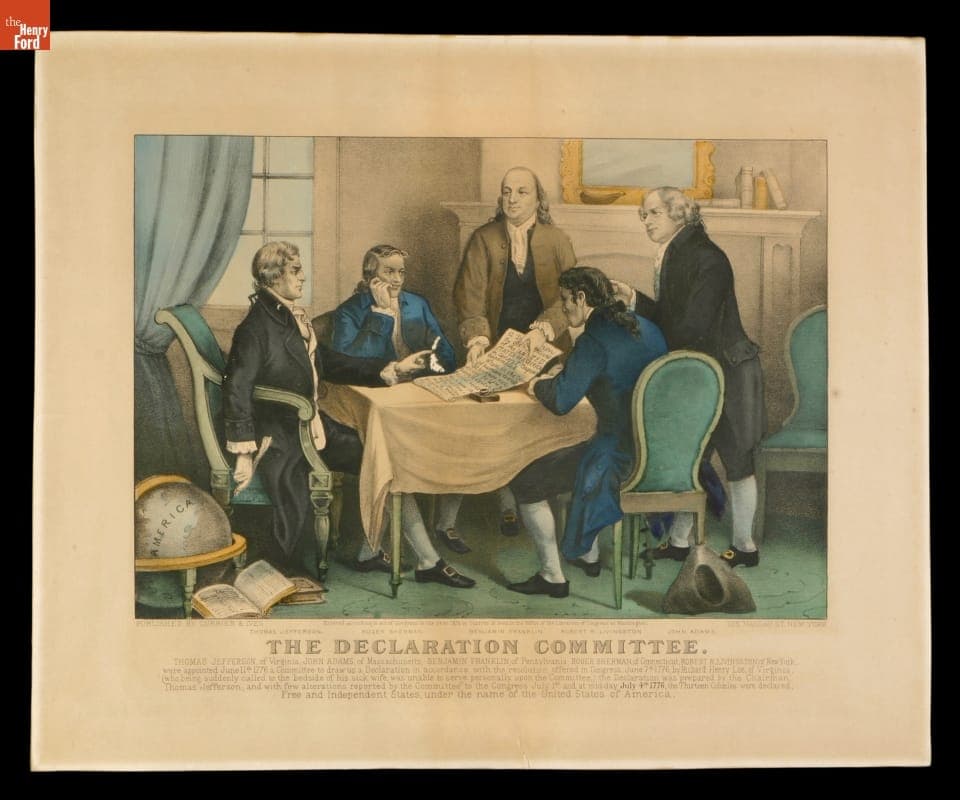
Posted by Meher QazilbashJun 18See how the Declaration evolved from draft to final textJohn Adams urged Congress to choose Thomas Jefferson to draft the Declaration because of his literary skill and low-profile reputation. Read Jefferson's initial draft, which included passages later removed, including a forceful denunciation of slavery. ZoomTranscript of Declaration of Independence (Rough Draft)https://www.monticello.org/the-declaration-of-independence/jefferson-and-the-declaration
Posted by Jeremy CronigMay 11Trial by jury was an important source of colonial resistance to British ruleColonial juries refused to convict Americans who violated British trade laws, and Britain's response, stripping away jury rights, became a central grievance of the Revolution. The Declaration of Independence explicitly cited the denial of the right to trial by jury as a charge against King George III.WVAJhttps://www.wvaj.org/?pg=TrialbyJuryAmericanRevolution
Posted by Jeremy CronigJan 19The Articles of Confederation were not a federal systemRatified in 1781, the Articles of Confederation left the states sovereign and independent, denied the national government power to tax or regulate commerce, and forced Congress to act through the states—exposing the limits of confederation and paving the way for US federalism.https://federalism.org/encyclopedia/no-topic/articles-of-confederation/
Posted by Kevin KearneyNov 4, 2025Revolutionary War reenactments have taken place for centuriesThe first known reenactment of the war occurred in 1778, while the war was still ongoing. A journal entry from a lieutenant colonel in the Continental Army remarked that soldiers had commemorated a “Glorious victory obtained over the British” at Saratoga with “a Grand sham fight.”You Have No Idea How Hard It Is to Be a ReenactorThe Atlantichttps://www.theatlantic.com/magazine/archive/2025/11/revolutionary-war-historical-reenactment/684317/
Posted by Jeremy CronigAug 26A fire in NYC that burned a fifth of the city in 1776 may have been started under orders from George Washington.Show 5 more findings ZoomDid George Washington Order Rebels to Burn New York City in 1776?Smithsonian Magazinehttps://www.smithsonianmag.com/history/did-george-washington-order-rebels-to-burn-new-york-city-in-1776-180982153/
Posted by Jeremy CronigJan 9A section condemning slavery was cut from the DeclarationThomas Jefferson included a passage in his original draft denouncing slavery. This explainer from the Henry Ford Museum explores why Congress removed it to preserve colonial unity and how that decision shaped the nation's earliest political compromises.https://www.thehenryford.org/explore/blog/the-deleted-slavery-passage-from-the-declaration-of-independence#:~:text=Included%20in%20this%20list%20was,Great%20Britain%20and%20the%20colonies
Posted by Jeremy CronigJun 22When the Treaty of Paris ended the Revolutionary War in 1783, British officials refused to pose for the portrait of the negotiations, leaving the painting partially unfinished.Show 3 more findings ZoomThe Maryland State House - The Peace Commissionershttps://msa.maryland.gov/msa/mdstatehouse/html/stairwellrm-treaty-of-paris-wall-peace-commissioners.html