Guess the year for real historical events that happened on this date
Updated daily, play a game guessing which year historical events occurred on today's date. You can also look through the archive to play the game for the 90 previous dates.
Weave together the many narratives of world history with our highly curated and expanding selection of diverse, fascinating resources designed to showcase the breadth and richness of Earth's story, from the earliest traces of human civilization to the dramatic developments of contemporary cultures.
Iranian Revolution, Ancient Rome, Nuclear Proliferation, Cuban Revolution,
Hours of research by our editors, distilled into minutes of clarity.
Updated daily, play a game guessing which year historical events occurred on today's date. You can also look through the archive to play the game for the 90 previous dates.
Ear, nose, and throat expert David Howard discusses how his research team extracts vocal folds from preserved human tissue, which allows them to model the deceased person's larynx. From there, they can create a synthetic voice based on the organ's geometry.
The great eighth-century BCE poet Homer's "Iliad" and "Odyssey" portray a great warrior culture based in large palaces around the Aegean Sea in the Mediterranean. Historians and archaeologists have long believed Homer's stories were based on the Mycenaean civilization, which flourished several centuries before his time.
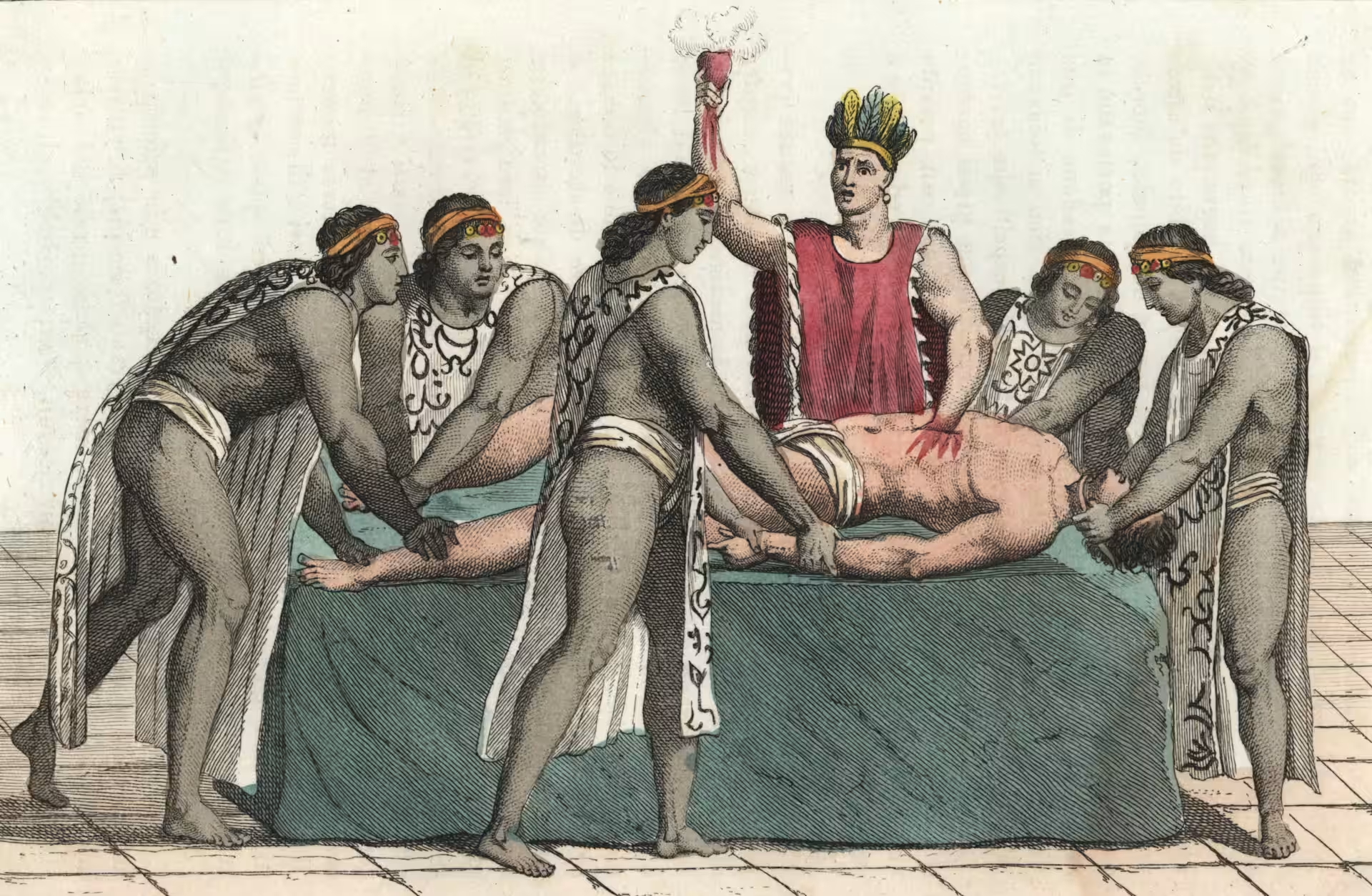
The Aztecs controlled a vast territory through military might and intimidation. One very key tactic of control was the ritual of human sacrifice. While an effective scare tactic, the ritual was also grounded in deeply held beliefs that the world was sustained by blood.
The Knights Templar sought to protect Christian pilgrims and expand their religion’s influence through might. The warrior monk organization formed after the First Crusade and were named after the fallen First Temple of King Solomon, out of which they were based—leading to the name “Templars.” This article describes the rise and fall of the monastic order.
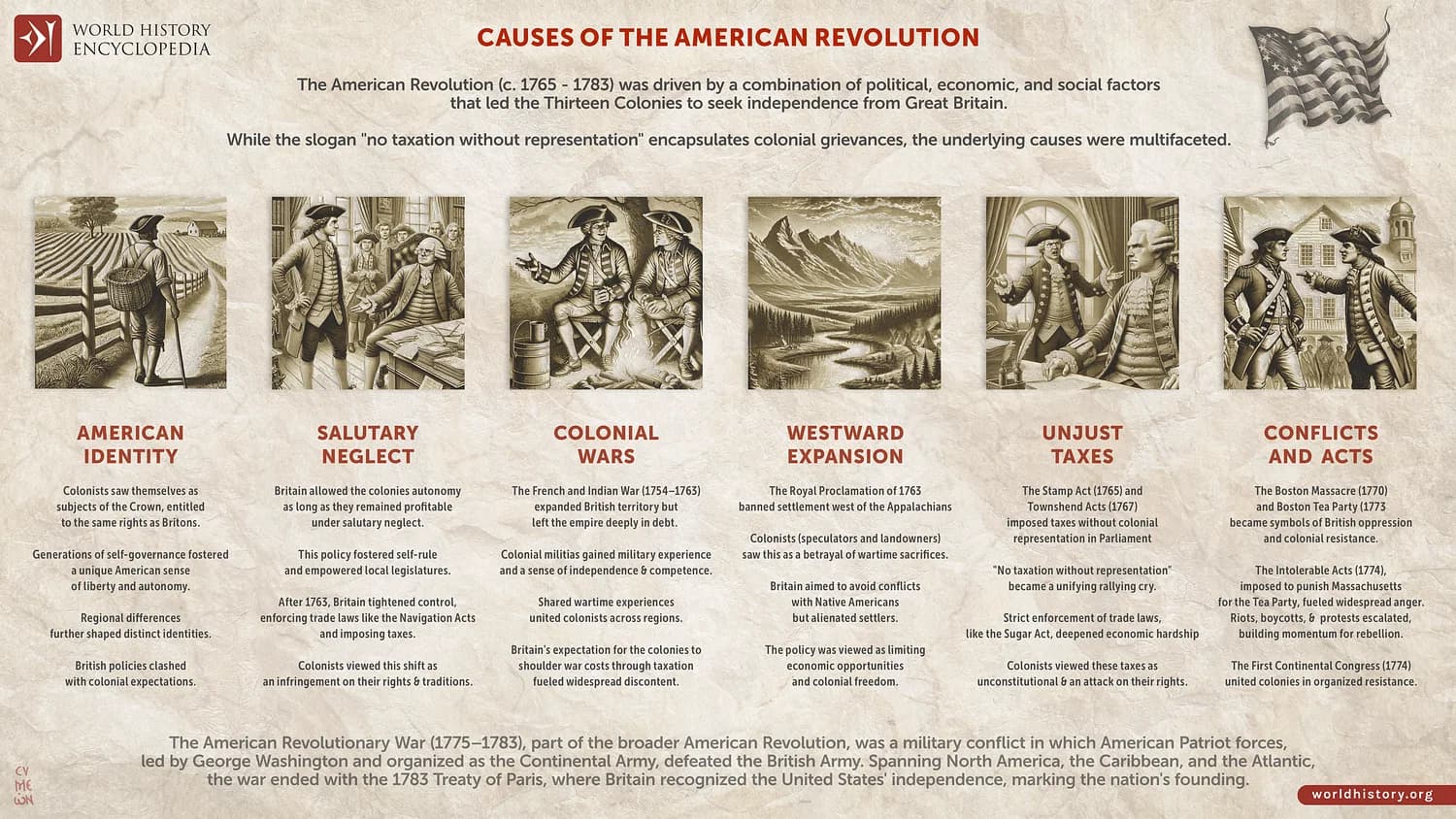
British taxes on colonists to pay for the French and Indian War were just one element. Thousands of miles of separation between London and the Colonies, expanding territories, a distinct Colonial identity, and political conflicts combined to prompt the Revolution.
This short animation shows how human beings managed to lug 30-ton stones over miles of prehistoric English countryside and stand them up The Stone Age engineering involved using giant wooden rollers and carving precisely interlocking tongue-and-groove joints to hold the heavy stones in place.
A short but informative TED-Ed video summarizing the most important aspects of Byzantine civilization: how it all started, why Constantinople was so special, a few remarkable Byzantine authors (including Princess Anna Comnena, historian of her father’s reign), the Ottoman conquest, and why don’t just call the Byzantines “Romans.”
Few gladiators survived to retirement, but those who did rarely left the arena behind. Many returned for high-pay exhibition bouts, trained new fighters, served as referees, or leveraged their fame into unexpected careers, including local politics.
This popular history podcast hosts a discussion about the legacy of the British Empire with guest Sathnam Sanghera, a journalist and author of the books "Empireland" and "Empireworld." The conversation contemplates the impact and lasting legacy of the Empire.
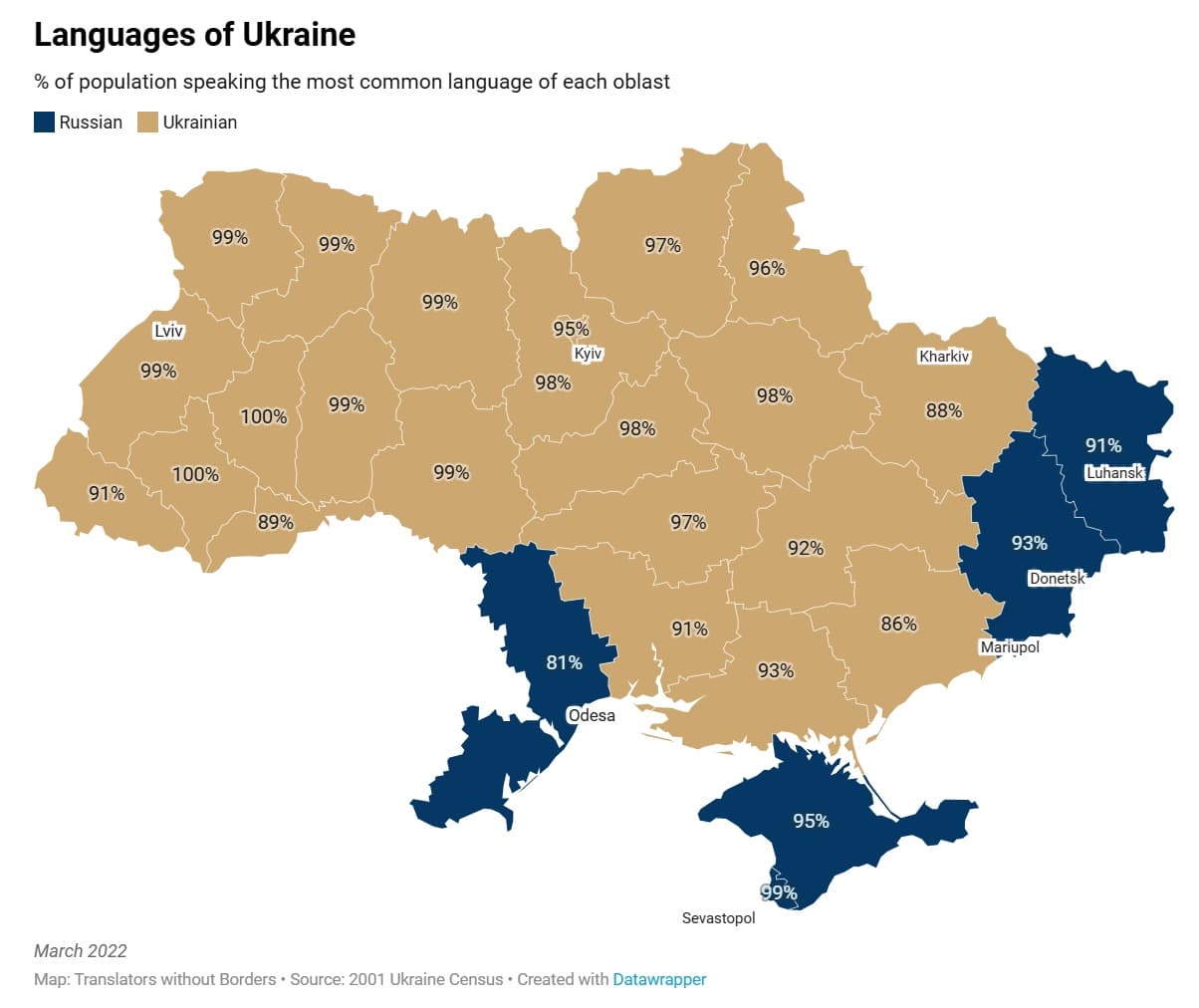
Ukraine's east and south—largely Russian-speaking—differ from the Ukrainian-speaking west and center. These geographic, linguistic, and cultural divides have become fault lines exploited by political and military conflict since 2014.