Nuclear Proliferation
Overview
Nuclear proliferation is the spread and increase of nuclear weapons and technology that has defined international security since the atomic era began in 1945. Due to their catastrophic effects—the ability to knock out entire cities—nuclear weapons posed an existential threat to the global order and arguably became a deterrent to war between major powers.
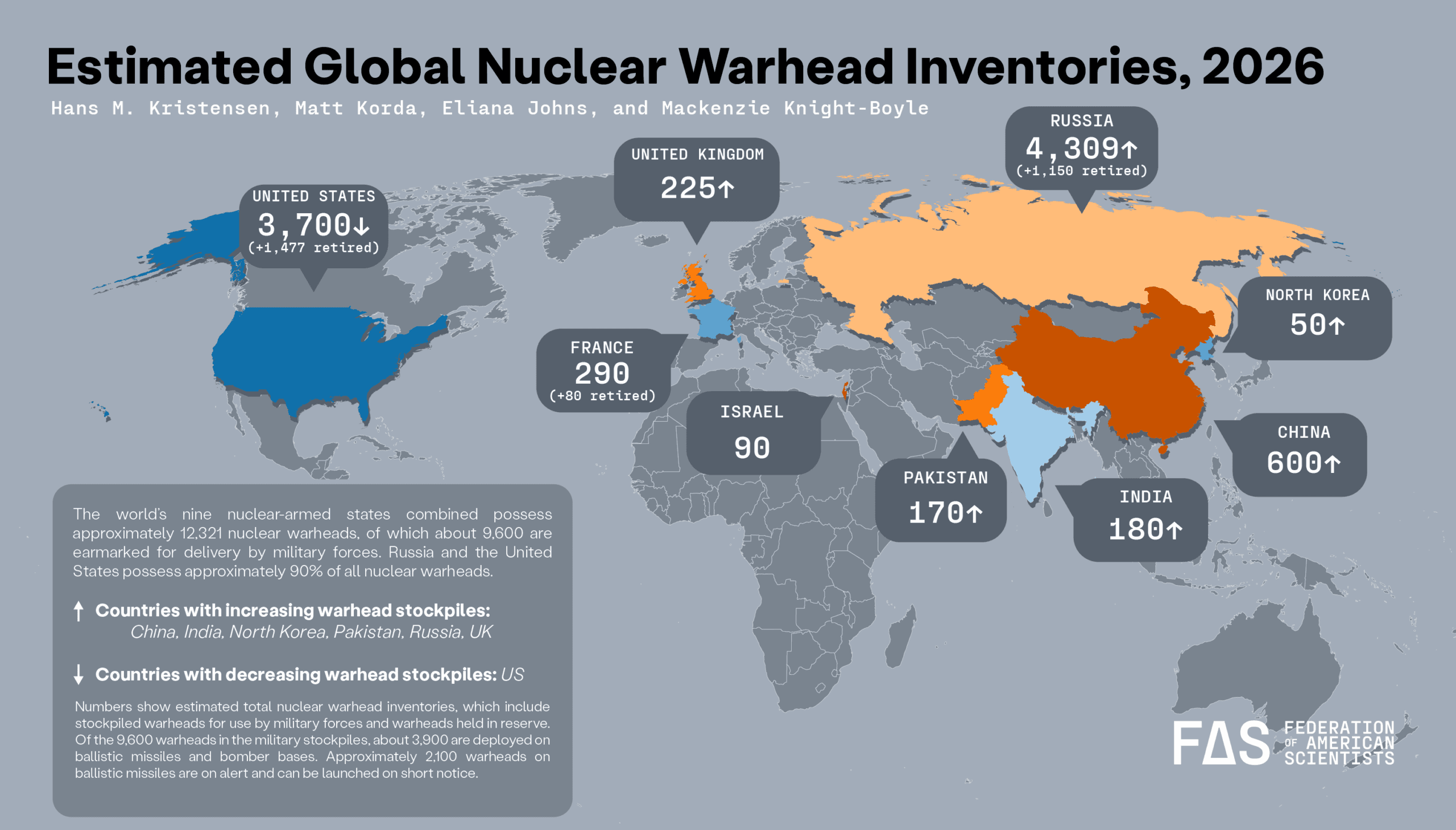
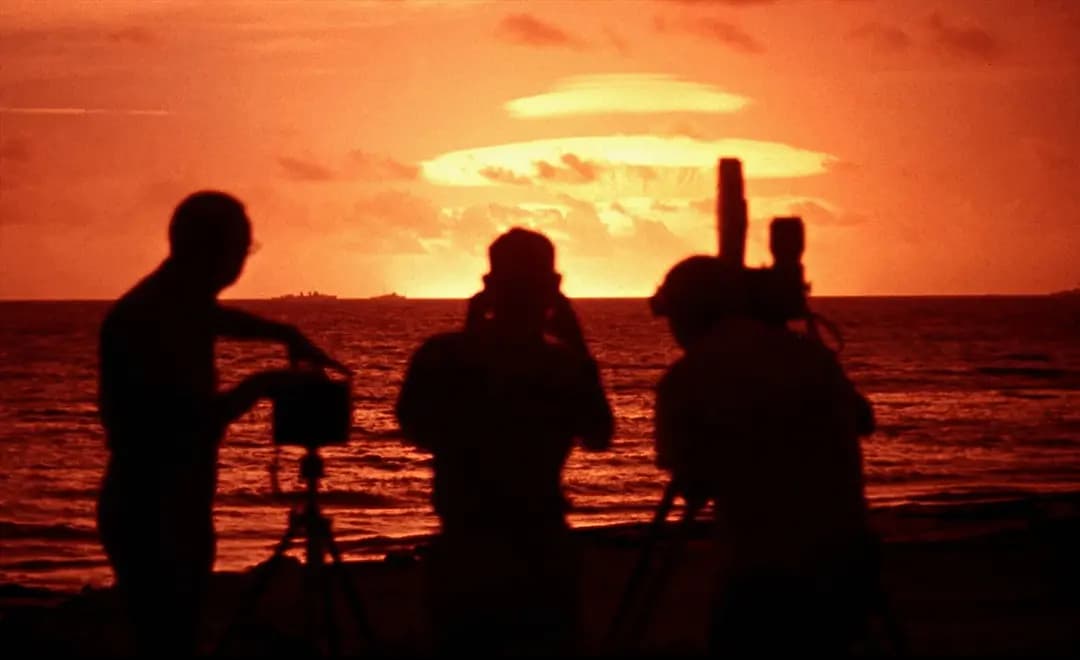
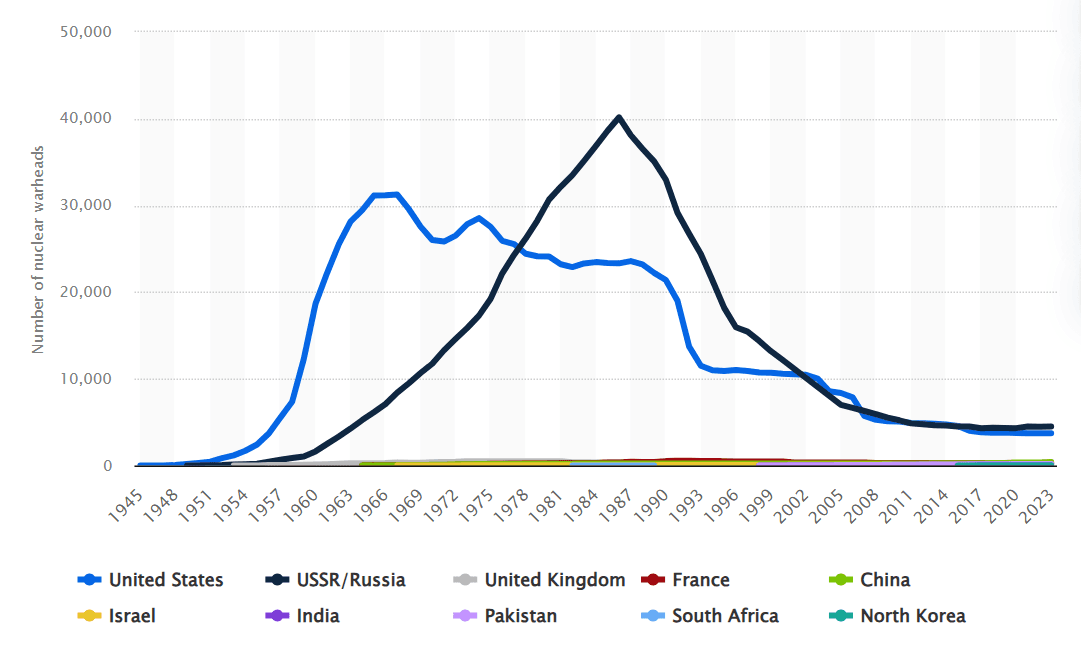
The nuclear weapons age began with the United States' Trinity test and the atomic bombings of Japan. The Soviet Union followed by detonating a nuclear bomb in 1949, sparking an intense arms race that peaked with global stockpiles of over 60,000 warheads in the mid-1980s. Today, nine states possess nuclear weapons, collectively maintaining over 12,000 warheads.
International efforts to curb proliferation, at their height in the 1980s, included the International Atomic Energy Agency, the Nuclear Non-Proliferation Treaty, and decades of US-Russia arms control agreements that reduced stockpiles and provided mutual transparency through on-site inspections and data sharing. However, worsening relations between Russia and the United States, China's rapid nuclear buildup, and allies' doubts about the reliability of American security commitments have raised the prospect of renewed arms races and further global proliferation.
1440 Findings
Hours of research by our editors, distilled into minutes of clarity.




Explore World History
Weave together the many narratives of world history with our highly curated and expanding selection of diverse, fascinating resources designed to showcase the breadth and richness of Earth's story, from the earliest traces of human civilization to the dramatic developments of contemporary cultures.