World History

Weave together the many narratives of world history with our highly curated and expanding selection of diverse, fascinating resources designed to showcase the breadth and richness of Earth's story, from the earliest traces of human civilization to the dramatic developments of contemporary cultures.

1440 Findings

Hours of research by our editors, distilled into minutes of clarity.

  • Why is rice so popular?

    From Spanish paella to West African jollof rice, rice is a staple in dishes across the world. This colorful animated video dives into the global expansion of rice, which contributes more than 20% of the calories consumed by humans each year. Learn about rice’s beginnings thousands of years ago, the environmental consequences of its popularity, and the potential for positive changes in the future.
  • An Egyptologist answers questions from the internet

    Professor of Egyptology and Archaeology Laurel Bestock answers your questions about ancient Egypt from X. What did ancient Egyptians sound like? Why is King Tut so enduringly popular? What ancient Egyptian medicine and tools do we still use in modern times?

  • English playwright Christopher Marlowe's violent and mysterious death

    According to an official coroner’s report, in 1593 a heated argument over payment for supper escalated into a physical struggle, during which Marlowe wounded a man named Ingram Frizer, who then fatally stabbed Marlowe above the right eye. Though we still don't have a definitive explanation for why Marlowe was killed, the true motive continues to be debated, with suspicions surrounding the official account. Read more here.

  • Apollo 17 marked humanity’s last presence on the Moon

    In 1972, Gene Cernan became the most recent person to walk on the Moon during Apollo 17. This video revisits why the mission flew, what it aimed to achieve, and includes archival footage and later interviews with lunar module pilot Harrison Schmitt.

  • Scientists are still confused how Machu Picchu was built

    Machu Picchu, the 15th-century Inca city high in the Andes, continues to fascinate experts with its mysteries. The methods used to transport and carve its massive stones—some weighing 15 tons—remain unclear. Theories range from hundreds of men dragging the stones to innovative techniques like using expanding wet wooden wedges for precision carving.

  • The story behind the iconic flag-raising photo on Iwo Jima (1945)

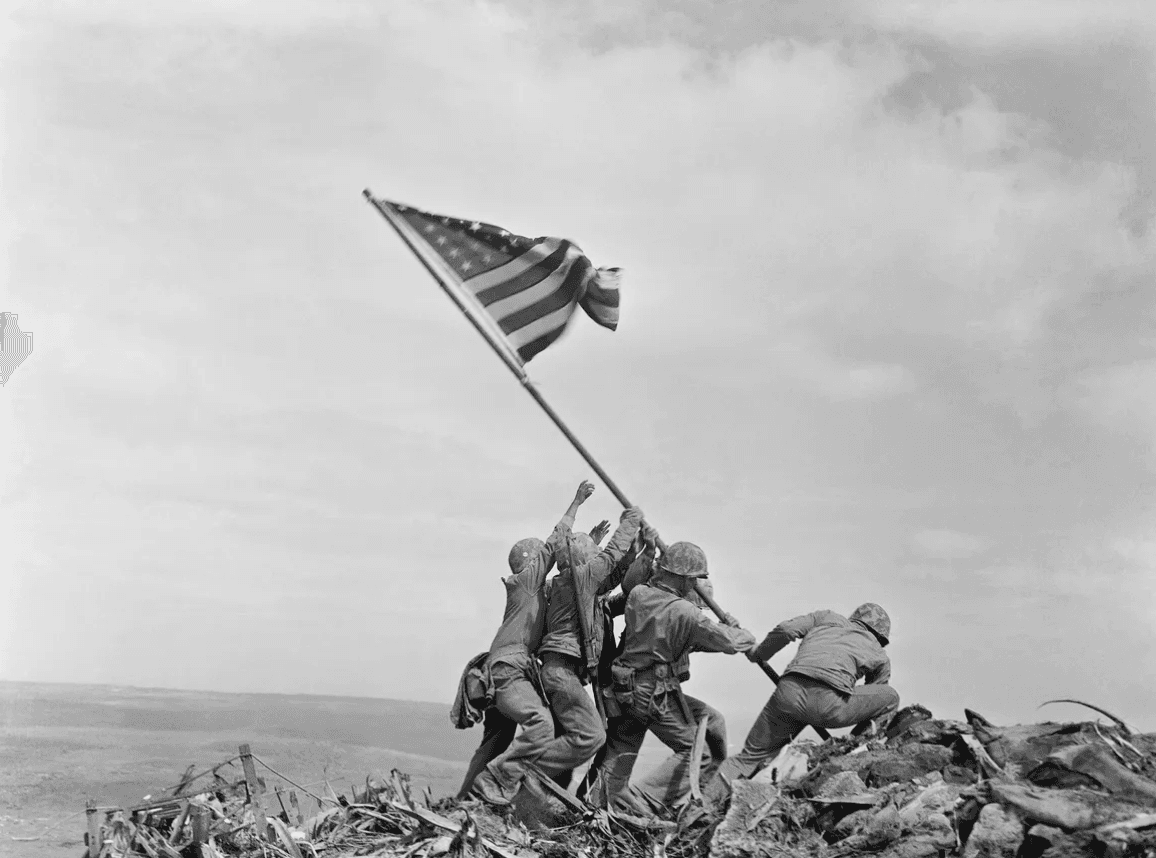
    The iconic image captured by AP photographer Joe Rosenthal went viral, as far as it could in the 1940s, showing six marines raise a flag atop Iwo Jima's extinct volcano Mount Suribachi. The shot was used for public relations by the military, and would later be shrouded by controversy when it was revealed it was the second flag-raising that day, inviting accusations it was staged.

Next page