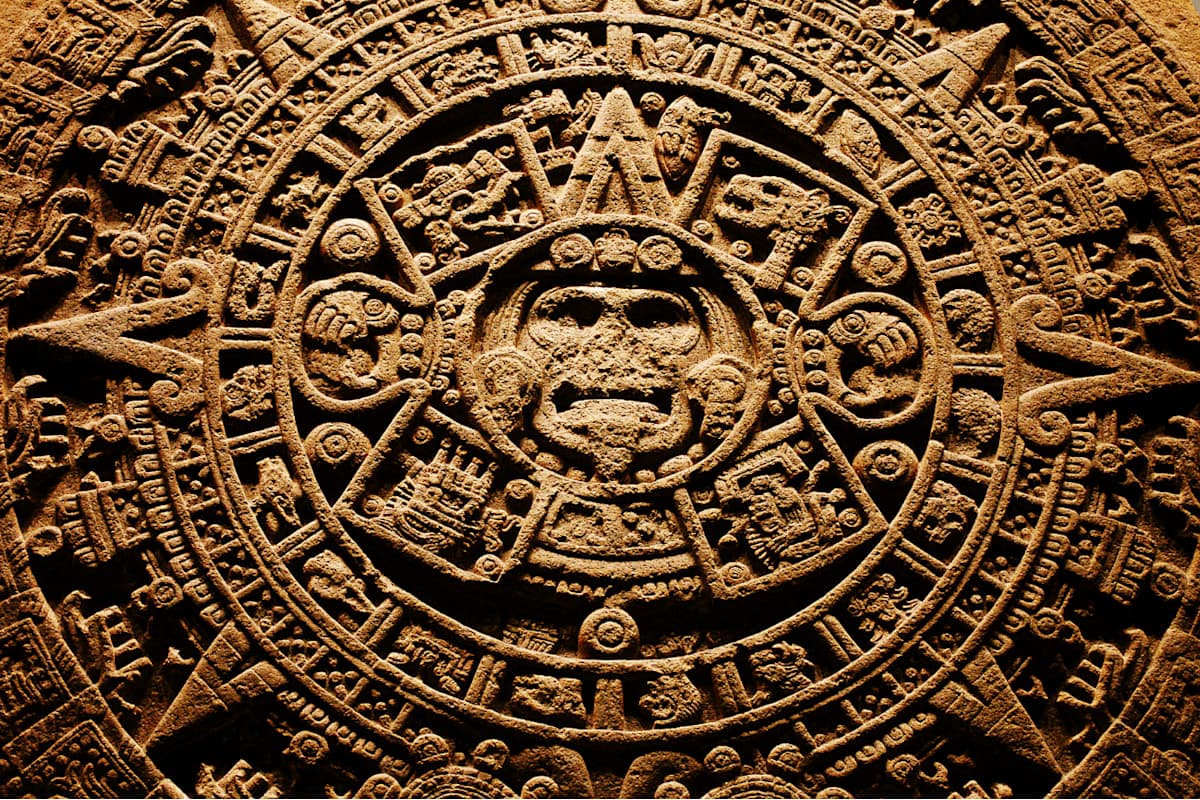
Can you save Britain from the Nazis by carefully sharing secrets with America?
Find out in this 20-minute interactive graphic novel based on true events from World War II.
Weave together the many narratives of world history with our highly curated and expanding selection of diverse, fascinating resources designed to showcase the breadth and richness of Earth's story, from the earliest traces of human civilization to the dramatic developments of contemporary cultures.
Hours of research by our editors, distilled into minutes of clarity.
Find out in this 20-minute interactive graphic novel based on true events from World War II.
To maintain secrecy, the US built three remote research facilities and entire “secret cities” to house thousands of workers and families. These communities—home to tens of thousands—were omitted from official maps until after World War II.
An image on Reddit envisions a 2021 BBC homepage from an uncollapsed Empire, featuring hypothetical crises in Zimbabwe, Northern Ireland, and Barbados, alongside upbeat coverage of tourism in “British Palestine”—a snapshot of how imperial news might look today.
While the wood is the same used in the 1903 flight, the muslin has been replaced twice. After laying forgotten in sheds, the vehicle eventually took on national importance. However, the Smithsonian Institution did not recognize it until the 1940s, after it spent time at the Science Museum in London.
NATO countries' main deterrent against aggression is their ability to respond with nuclear weapons. This video from "The Infographics Show" outlines the purpose of this nuclear arsenal, NATO’s strategy to prevent attacks, and its plans in the event of escalation toward nuclear war.
Americans first heard about the Chernobyl nuclear disaster two days after the event, once abnormal radiation was detected in nearby countries. This forced Soviet officials to acknowledge the catastrophe publicly for the first time a few days after it occurred.
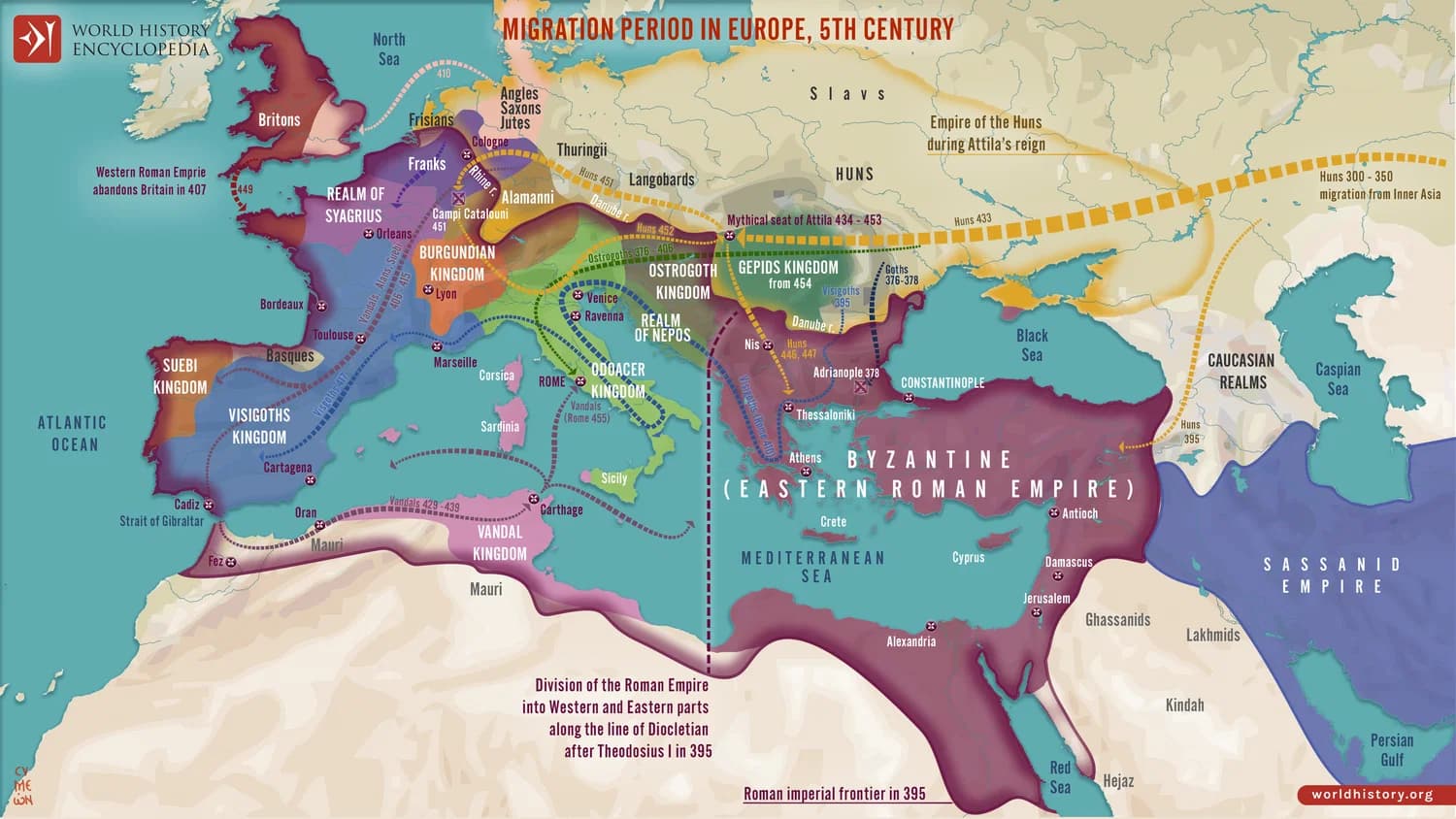
During the early Middle Ages (c. 300–700 CE), groups such as the Franks, Vandals, Visigoths, and Suebi migrated into former Roman territories. Their movements transformed European politics and culture while preserving many Roman traditions.
In "Liber Spectaculorum," Martial recounts the inaugural spectacles at the Colosseum, offering graphic depictions of staged executions—some modeled on Greek myths—that took place during the midday program.
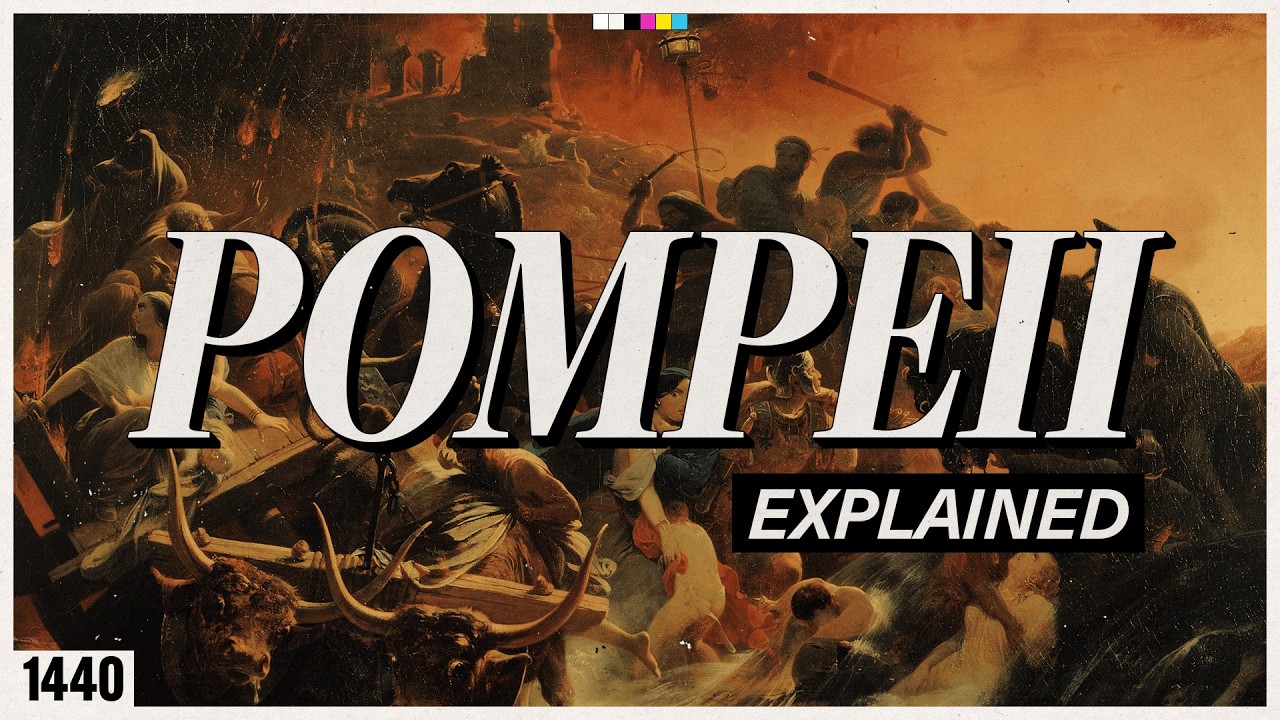
Buried under 20 feet of ash in 79 CE, Pompeii preserved villas, street-food shops, frescoes, and victims’ casts in extraordinary detail. Excavated from 1748, it offers a rare glimpse into Roman life, still overshadowed by the active Mount Vesuvius.
Researchers have uncovered how the Aztecs aligned their agricultural solar calendar with a symbolic 260-day ritual calendar, utilizing celestial tracking and monuments. Evidence from ruins and writings explains why their new year corresponded to February 23 on the Gregorian calendar.