Space

From roughly 60 miles above the Earth's surface to farther than light has traveled during the entire age of the universe, space has captured human imagination for millennia. Explore the final frontier with the best resources curated from across the internet.

1440 Findings

Hours of research by our editors, distilled into minutes of clarity.

  • Astrophysics

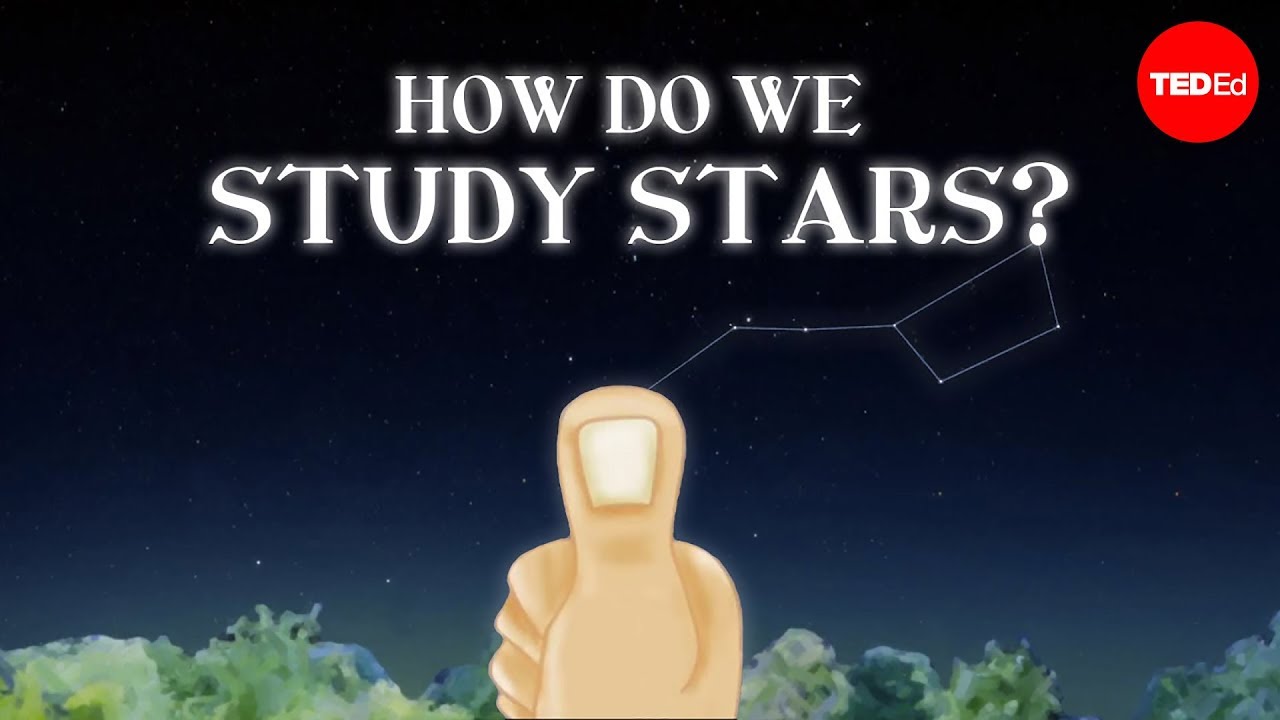
    How do scientists study far away stars?

    Astronomy is the only science that is purely observational: meaning, scientists can't study stars in a lab. Here's a breakdown of how modern researchers use new tools to understand objects billions of light years away. As it turns out, the rules of science allow us to identify, categorize, and experiment with phenomena light years away.
    Video

    How do scientists study far away stars?

  • SpaceX

    A quick guide to everything SpaceX

    SpaceX has single-handedly reignited commercial space exploration, with its reusable rockets, broadband satellite constellation, and plans to populate Mars. The company has gone from a mere idea in 2002 to the world's most well-known private space company. Learn the basics about this pivotal company with this quick guide from CNET.

  • Black Holes

    Explaining 'impossible' black holes

    When stars collapse, the black holes they form can have the mass of either 50 suns or over 120—but current models claim strongly that no black hole should have a mass that falls in between that range. But in 2019, gravitational wave observatories detected two within it: one at 66 solar masses, the other at 85. The discovery disrupted established science and left researchers questioning the Standard Model of physics.

  • Mars

    Did Mars ever look like Earth?

    Mars formed at the same time as the rest of the solar system, about 4.6 billion years ago. Today, Mars is a cold, dry world with a thin atmosphere. However, there is evidence that Mars was once much more habitable, covered in flowing rivers a large bodies of water. Scientists believe over time the planet lost its magnetic field, leading to the loss of atmosphere and ultimately the evaporation of water.

  • Space Tourism

    Imagining the best places to live on Mars

    Because conditions on Mars are pretty extreme for humanity, we tend not to think about living there, since everywhere on Mars feels a bit threatening. This imaginative essay uses current geographical knowledge of Mars to visualize what it would look like if humanity could alter its climate to make it widely habitable, a process known to sci-fi readers as terraforming. Given that transformation, where would the hottest neighborhoods be located?

  • Moon

    An oral history of the 1969 moon landing

    Twelve Central Illinois residents are asked to share their thoughts on where they were when the first people landed on the Moon. This almost one-hour program is a collaboration of Eastern Illinois University's Booth Library, the EIU Department of History, and WEIU, and it premiered at EIU's Booth Library, January 24, 2019.

    Video

    An oral history of the 1969 moon landing

  • Moon

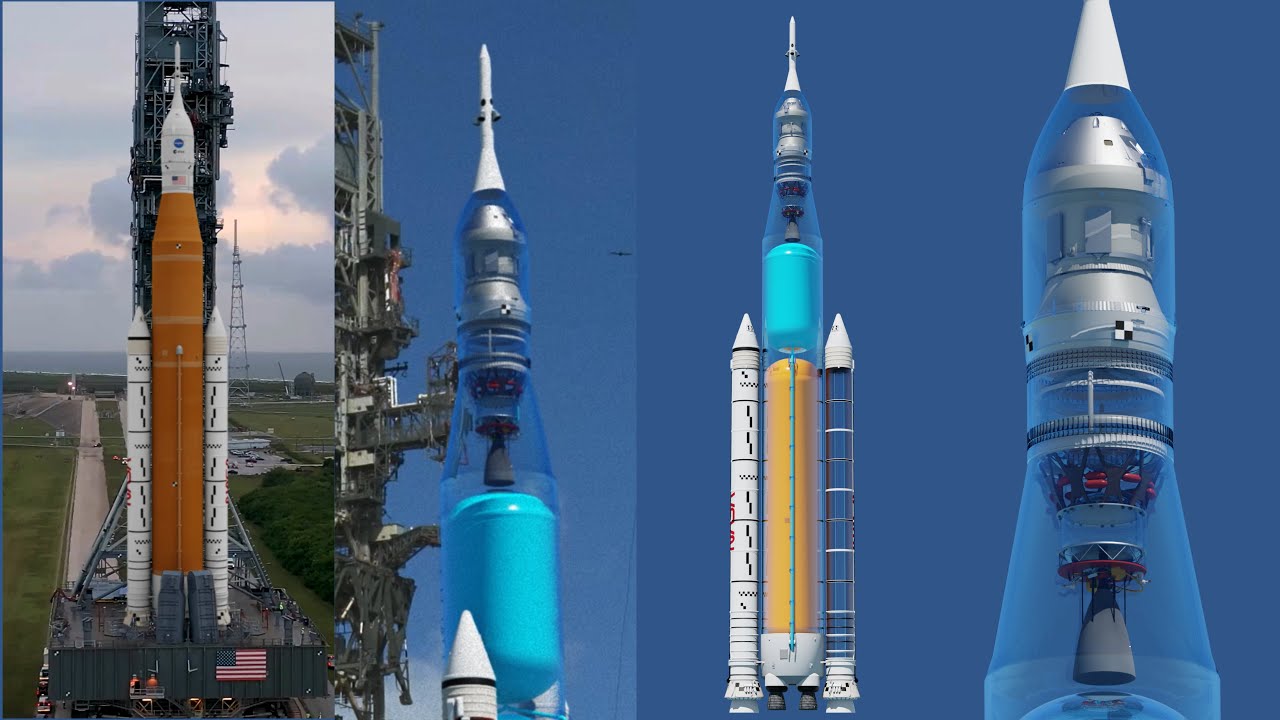
    The Space Launch System: NASA's most powerful rocket ever

    The Space Launch System is intended to be the most powerful rocket ever built by NASA. Possible missions include returning to the moon and perhaps even reaching Mars. This speculative and mostly silent video uses animation to explore the inner workings of the SLS, showing it launching and in space flight.

    Video

    The Space Launch System: NASA's most powerful rocket ever

  • Astronauts

    Mae Jemison, the first Black woman in space

    Astronaut Mae Jemison describes her journey from space-loving girl in Chicago to astronaut looking down on Chicago and thinking about her younger self in this two-minute video. Physician, engineer, educator, entrepreneur and the first woman of color in the world to go into space, Dr. Jemison was a NASA astronaut for six years.

    Video

    Mae Jemison, the first Black woman in space

Next page