Space

From roughly 60 miles above the Earth's surface to farther than light has traveled during the entire age of the universe, space has captured human imagination for millennia. Explore the final frontier with the best resources curated from across the internet.

1440 Findings

Hours of research by our editors, distilled into minutes of clarity.

  • Moon

    How NASA plans to build its first moon base

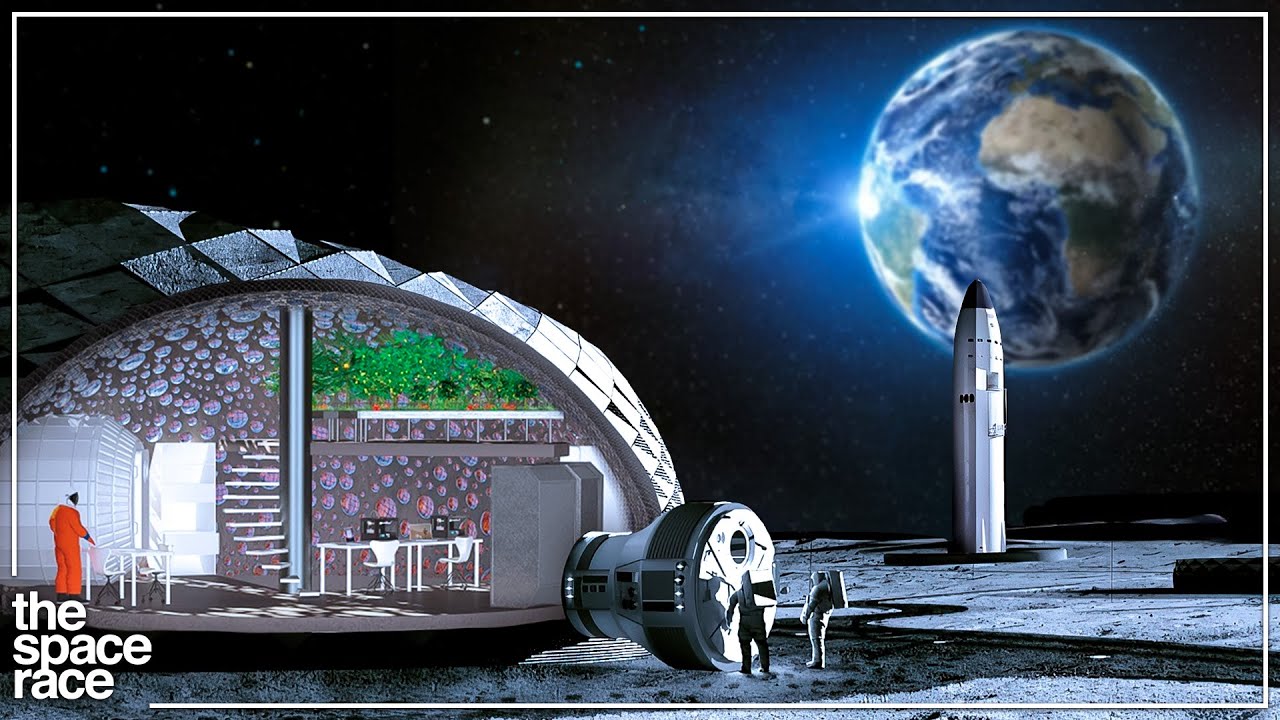
    NASA's Artemis mission plans to see humans return to the moon by 2025, with long-term plans to build the first lunar base on its surface. To begin, astronauts will dwell for days at a time in SpaceX's Starship, which is capable of landing and taking off again from the moon. Over time, NASA plans to harvest minerals from the lunar surface to construct an oxygen pipeline as well as the rest of the base. Watch this video to see a sophisticated, detailed description of NASA's plans for the base.

    Video

    How NASA plans to build its first moon base

  • Solar System

    A return to Uranus

    There's been only one mission to Uranus before—Voyager 2 passed by the ice giant in 1986 before heading off into interstellar space. NASA's recent planned itinerary for space missions lists Uranus as the highest priority over the next decade. The seventh planet is 20 times as far from the sun as Earth, and researchers say its study will shed light on how the outer half of the Solar System formed.

  • Astrophysics

    The rare exoplanets orbiting distant pulsars

    Pulsars are ridiculously volatile, massive, and super-dense. These objects are spread out around the universe, and their spinning magnetic fields blast out radioactive pulses. Rarely, some have planets orbiting them. There's not much hope for life there—pulsars emit regular deadly radiation—but they're still fascinating from a scientific perspective. This article further explores these amazing exoplanets.

  • Astrophysics

    How big is a supernova explosion?

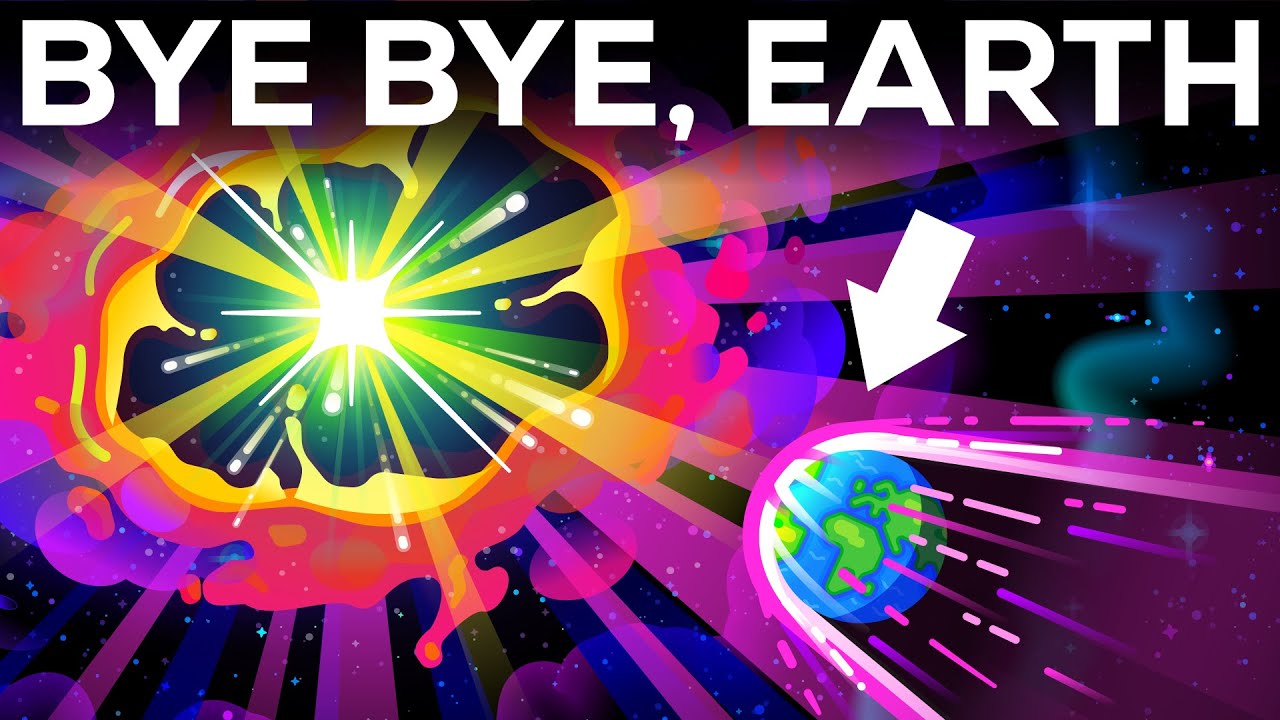
    Supernovas are the biggest explosions in the universe, often obliterating the area surrounding them. So what would happen if one exploded near Earth? If the sun went supernova it'd be like getting hit by a nuclear explosion every second for weeks. Of course, that's not happening anytime soon. This animated video shows how distance is the key factor, and how you shouldn't be worried.

    Video

    How big is a supernova explosion?

  • Astrophysics

    Ring galaxies, the rarest kind in the universe

    Galaxies come in different sizes, but when it comes to shapes there are just four kinds: spiral, elliptical, irregular, and the rarest kind, ring. Ring galaxies only form in the event of a small galaxy passing through a large one, but there's more to them that that. This page explores these rare and beautiful heavenly bodies.

Next page