Yoga
Overview
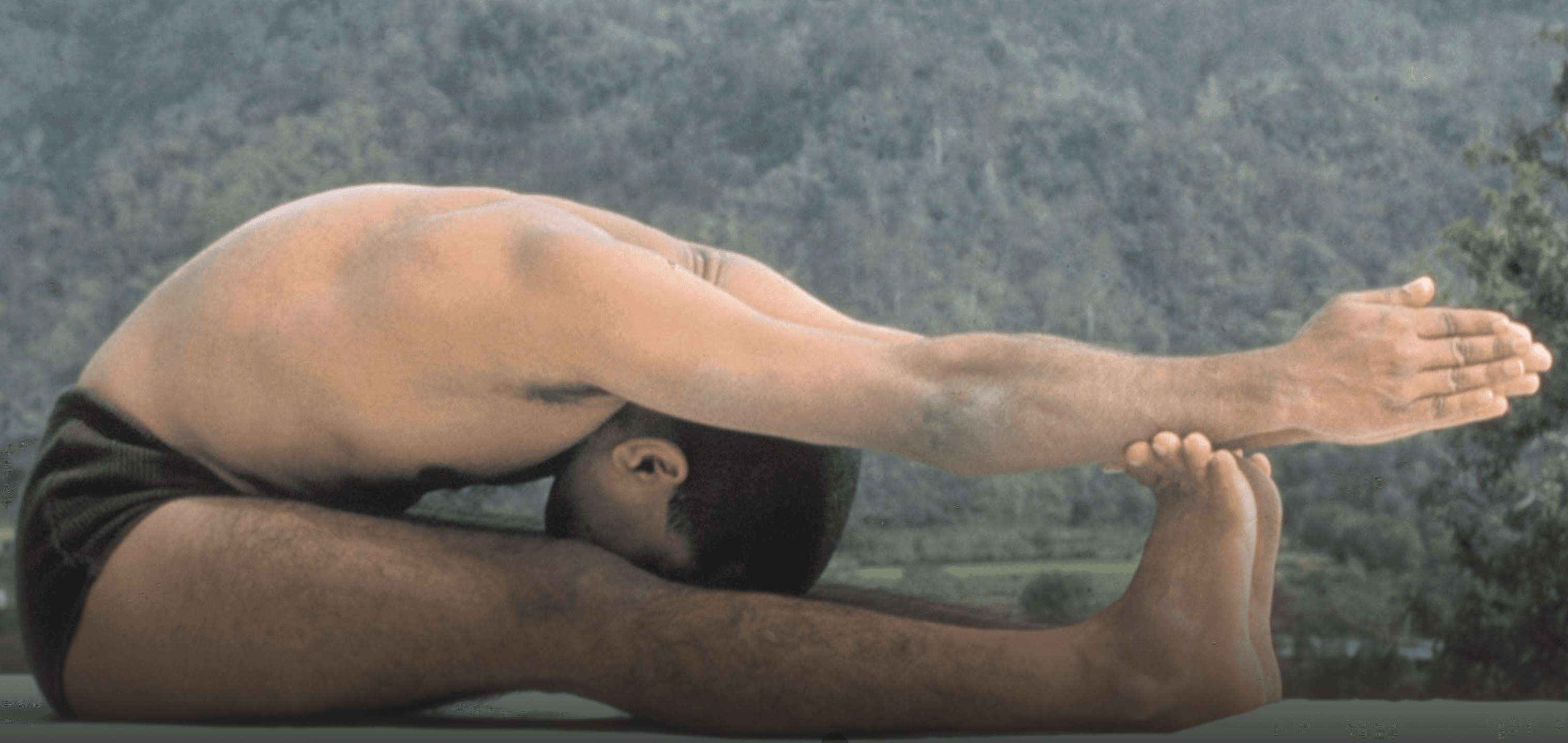
Yoga is a spiritual, mental, and physical practice that dates back to ancient India. Originally developed as a diverse set of spiritual and physical practices aimed at achieving higher consciousness, yoga is now primarily associated with exercise and mindfulness. In India, however, it remains a spiritual practice, a significant form of healthcare, and an expression of the country's soft power.
Yoga can be traced back to around 1500 BCE and was practiced by Hindus, Buddhists, Jains, and other various ethnic and religious groups. It gained Western popularity throughout the 20th century, thanks to traveling gurus, mass media, and a countercultural interest in Eastern spirituality.
Today, yoga is a popular form of exercise that's believed to have a positive effect on both mental and physical health. About one in six US adults practices yoga, with women twice as likely to take part in the activity as men. It's also popular with professional athletes, who find the practice enhances their performance.
1440 Findings
Hours of research by our editors, distilled into minutes of clarity.




Explore Society & Culture
Take a deep dive into the topics shaping our shared norms, values, and institutions. Art, music, and sports. Literature, architecture, and TV. Film, food, and philosophy. If it defines who we are as a society or how we express ourselves as a culture, then we're exploring it here.
Featured Topics
- Barbecue
- Beat Generation
- Bob Dylan
- Broadway
- Bruce Springsteen
- Burning Man
- The Burrito
- Country Music
- Dystopian Literature
- Flannery O’Connor
- Frank Lloyd Wright
- Girl Groups
- Hip-Hop
- James Beard Awards
- Memes
- National Football League
- National Parks
- Netflix
- Opera
- Rock 'N' Roll
- Salvador Dalí
- 'Saturday Night Live'
- Shakespeare
- 'The Star-Spangled Banner'
- Steven Spielberg
- Title IX
- True Crime
- Vacationing
- Walt Whitman