Stablecoins
Overview
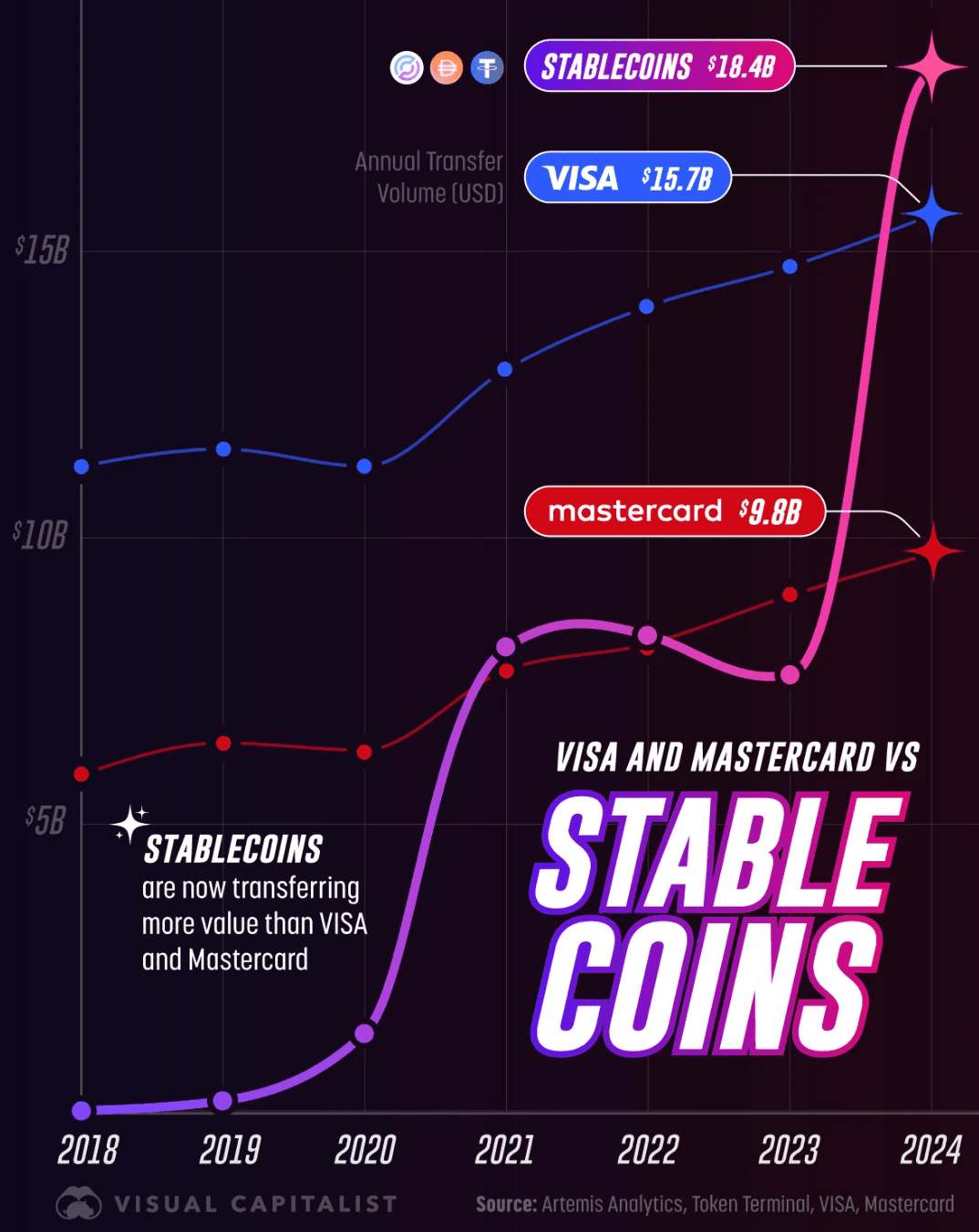
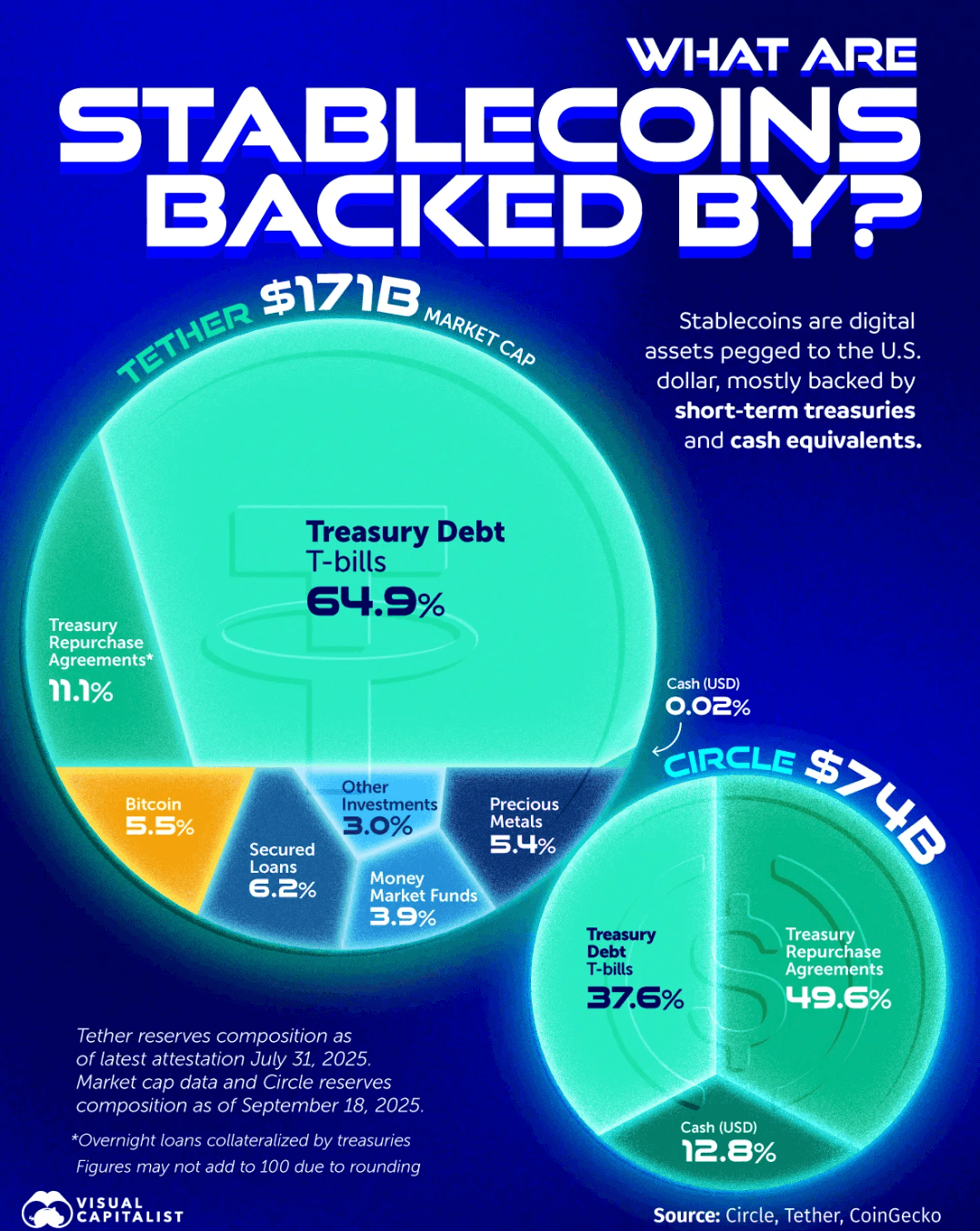
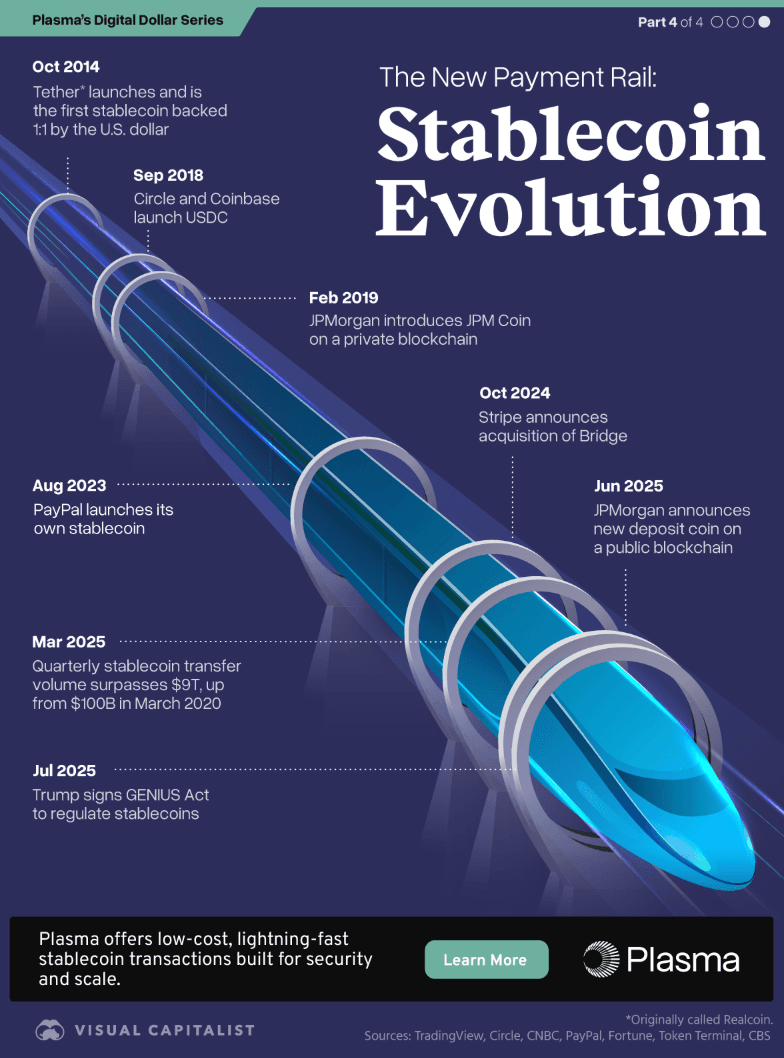
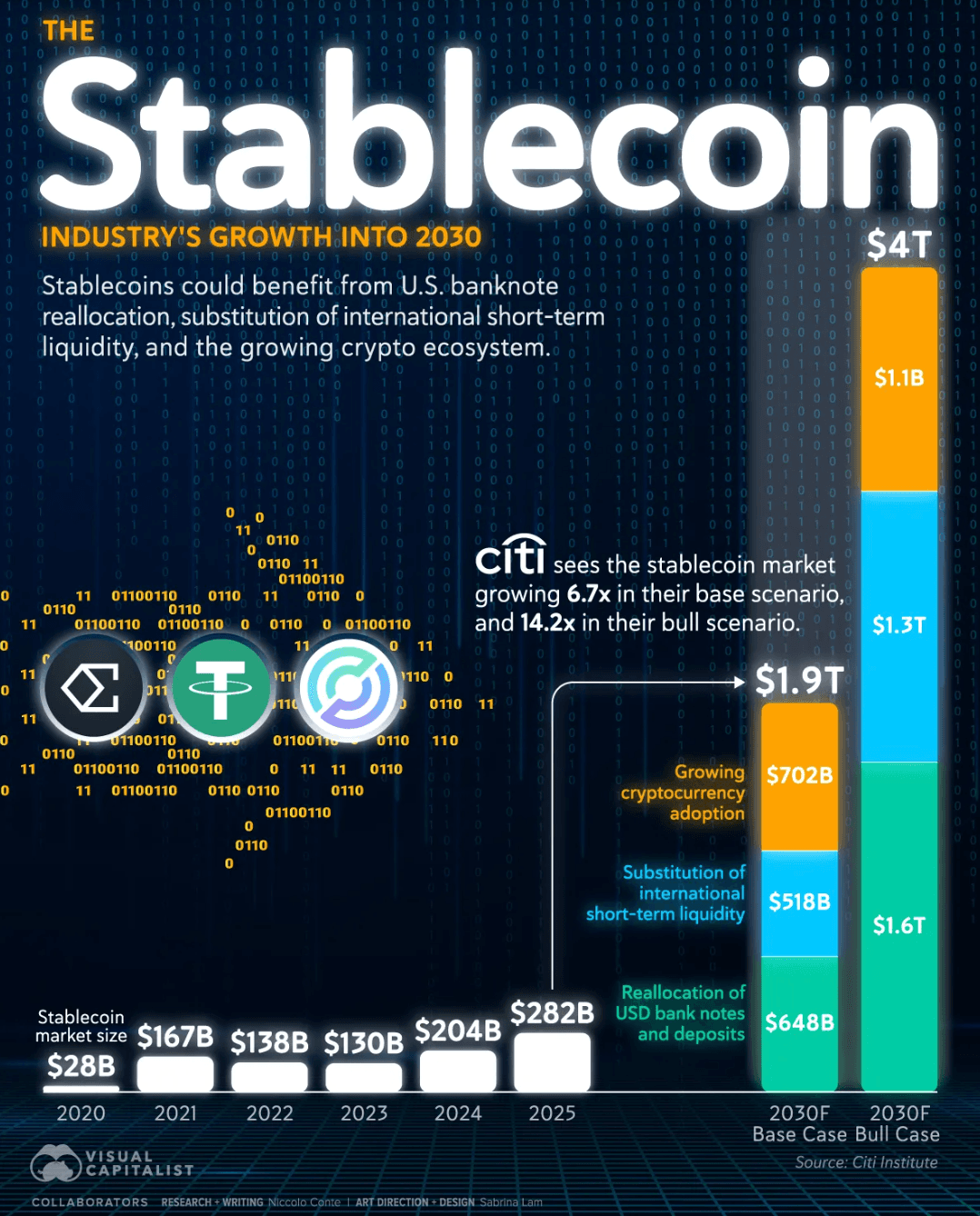
A stablecoin is a type of cryptocurrency created to remain stable in value. Specifically, a stablecoin's value is usually pegged to that of another asset, such as the US dollar. That way, it can maintain a fixed worth. For example, popular stablecoins like Tether (USDT) and USDC were designed so that one token would always equal roughly one US dollar.
Many see stablecoins as a place to park money during times of volatility—whether that's in the crypto markets themselves, or for people living in nations with unstable national currencies.
When stablecoins are pegged to a stable fiat currency like the US dollar, they offer a way to ensure one's funds remain valuable. Although less common, stablecoins can also be pegged to commodities like gold, or even other cryptocurrencies—the stablecoin DAI, for instance, is backed by ethereum.
Notably, stablecoins are actually considered tokens rather than coins. Tokens are built on top of an existing blockchain, rather than running on their own blockchain, the way a coin (like bitcoin) would.
1440 Findings
Hours of research by our editors, distilled into minutes of clarity.




Explore Business & Finance
The United States is home to more than 33 million businesses, the vast majority of which are small businesses, with millions being created (and others closing shop) every year. These businesses often rely on loans, provide the goods and services that keep the economy flowing, and sometimes even grow large enough to enter public markets or provide private investment opportunities. Explore key topics central to business and finance, from the role of the Federal Reserve to how initial public offerings work, how millions of American students finance higher education, and more.
Featured Topics
- 401(k)
- Amazon
- Bankruptcy
- Bitcoin
- Bonds
- Capital Gains
- College Tuition
- Consulting
- Creator Economy
- Credit Unions
- Federal Reserve
- Gig Economy
- Individual retirement accounts
- Inflation
- Initial Public Offerings
- Investment Banking
- Labor Unions
- Life Insurance
- Macy’s
- Minimum Wage
- Mutual Funds
- OpenAI
- Startups
- Stock Market
- Student Debt
- US Currency
- Venture Capital
- Wall Street
- Warren Buffett
- Y Combinator