Soviet Union
Overview
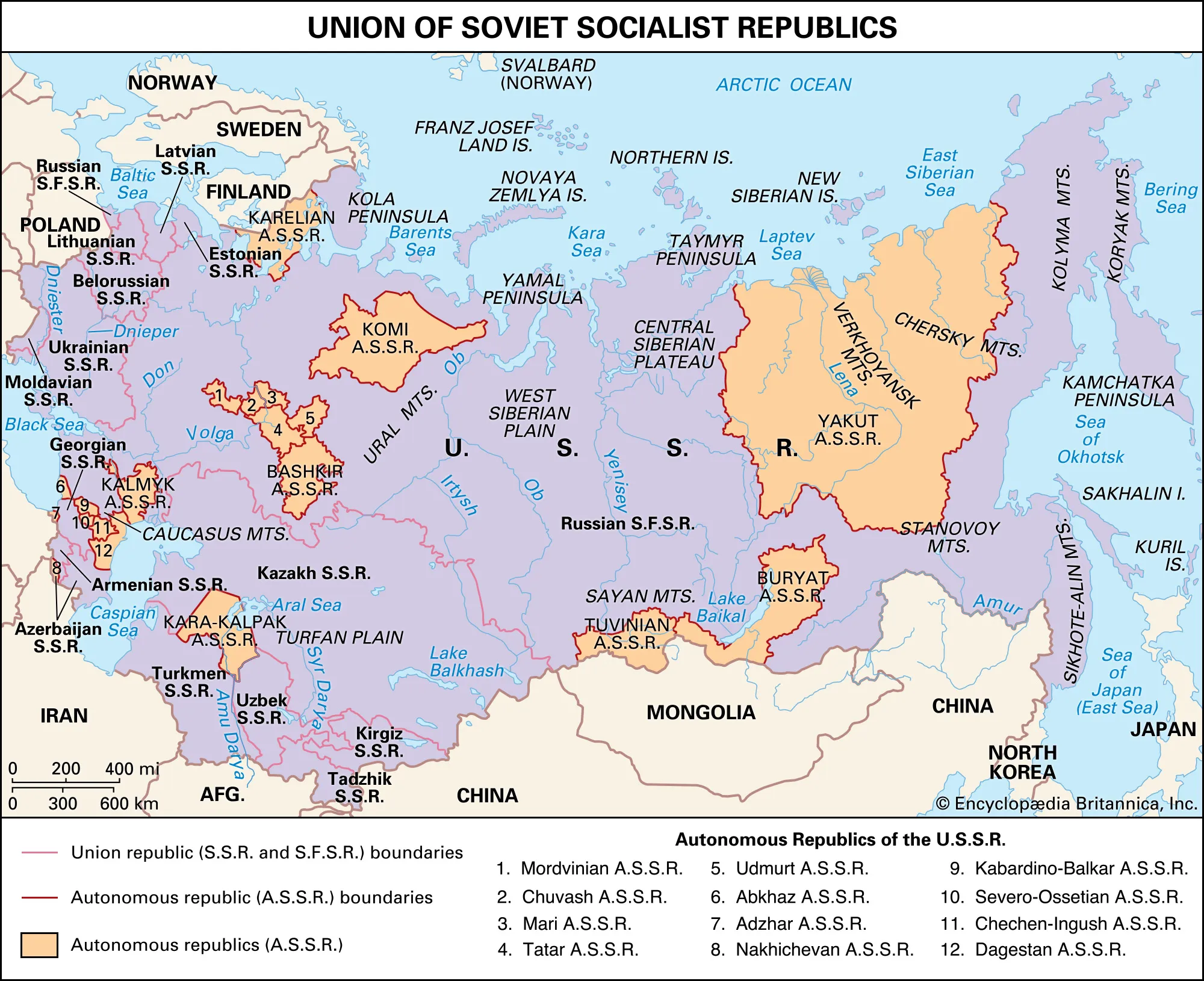
The Soviet Union—officially known as the Union of Soviet Socialist Republics—was a global superpower from 1922 until its collapse in 1991. At its height, it was the world’s largest country, spanning one-sixth of Earth’s landmass and home to nearly 300 million people from more than 100 nationalities.
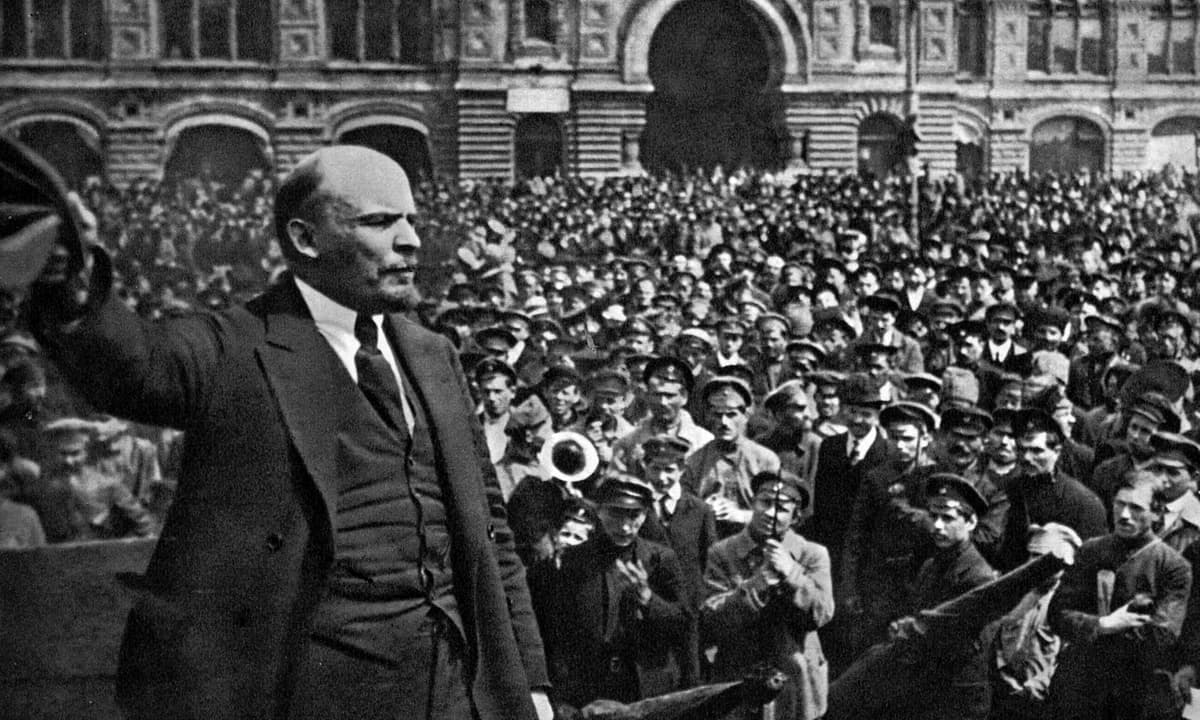
As the most consequential real-world test of Marxist governance, it shaped the century’s central ideological clash over whether Communism could rival capitalism. After fighting alongside the Allies in World War II, the USSR emerged as one of two dominant superpowers, entering a decades-long Cold War with the United States defined by proxy conflicts, nuclear brinkmanship, and competition for global influence.
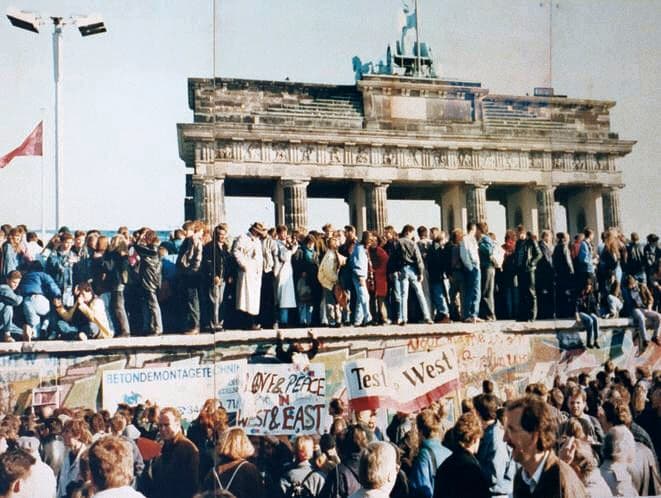
By the 1980s, economic stagnation and widespread shortages forced leader Mikhail Gorbachev to introduce glasnost and perestroika. The reforms weakened Communist control and accelerated nationalist movements. Protests spread, republics declared independence, and on December 25, 1991, the Soviet Union dissolved.
1440 Findings
Hours of research by our editors, distilled into minutes of clarity.





Explore World History
Weave together the many narratives of world history with our highly curated and expanding selection of diverse, fascinating resources designed to showcase the breadth and richness of Earth's story, from the earliest traces of human civilization to the dramatic developments of contemporary cultures.