Social Security
Overview
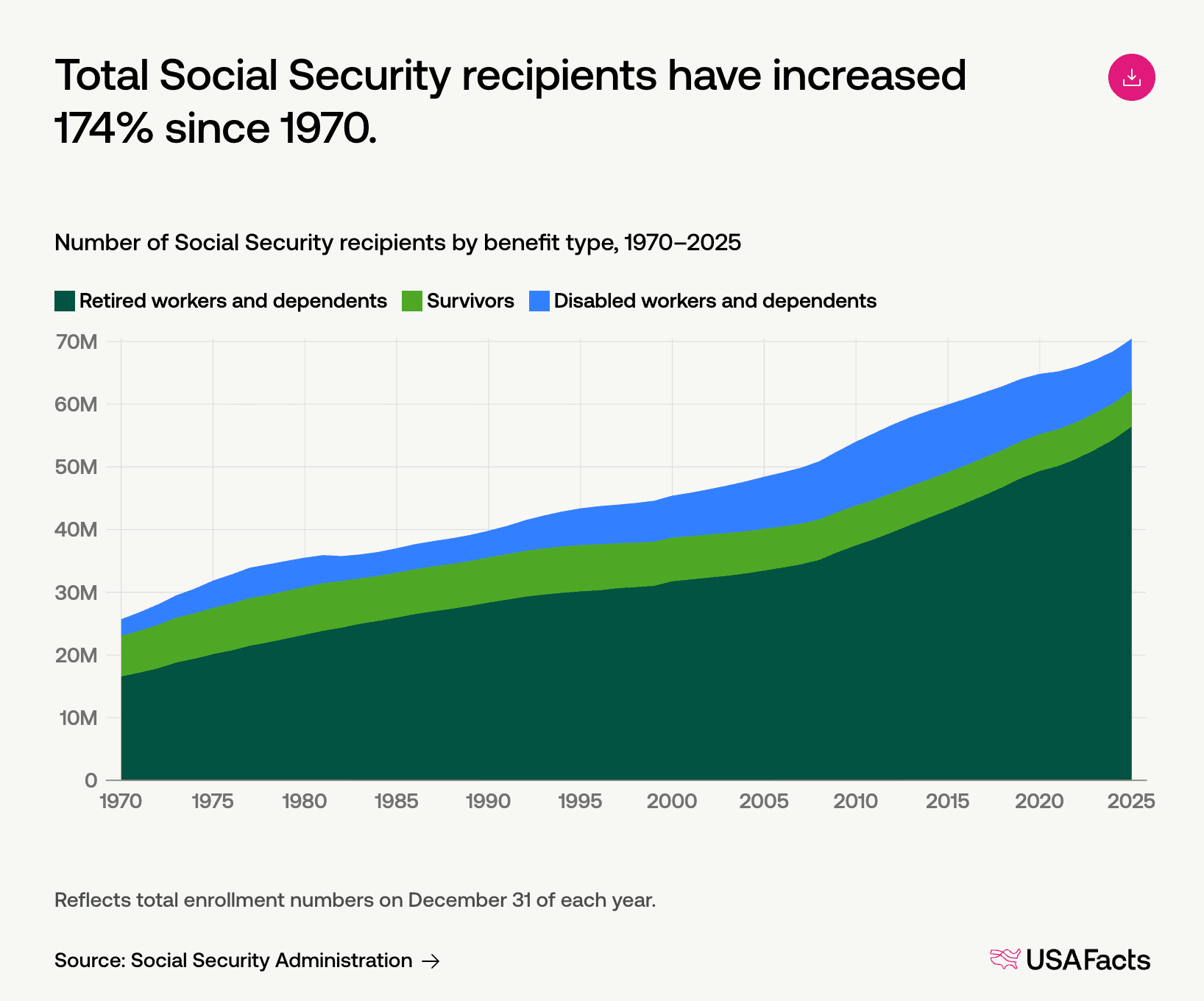
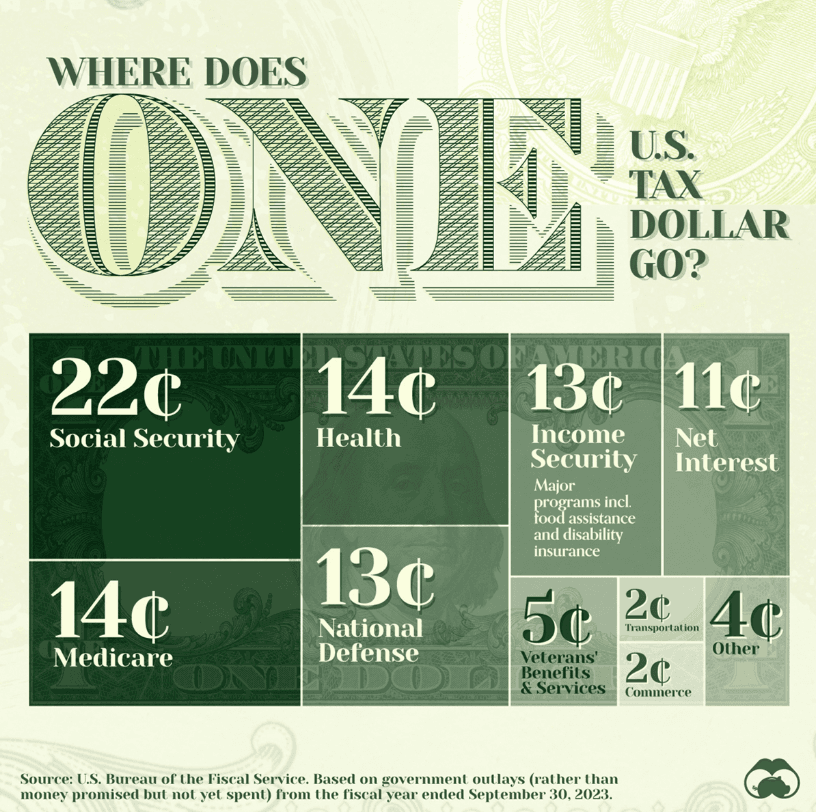
The US Social Security system is best known for providing income to the nation’s elderly population based on the amount of money they earned during their working years.
The Social Security Act of 1935 established the program amid the worsening poverty crisis that older Americans faced during the Great Depression. By 1934, more than half of those aged 65 and older lacked sufficient income to cover their basic living expenses.
Today, most US workers are familiar with seeing a percentage of their income deducted from their paychecks and contributed to the nation’s Social Security trust funds. Starting as early as age 62, those who have paid into Social Security for at least 10 years can begin receiving a monthly Social Security benefit.
But since 2010, Social Security hasn’t been able to collect enough money in taxes to cover what it’s paying out, leading to concerns about the program’s future.
1440 Findings
Hours of research by our editors, distilled into minutes of clarity.




-1.png&w=3840&q=75)
Explore Business & Finance
The United States is home to more than 33 million businesses, the vast majority of which are small businesses, with millions being created (and others closing shop) every year. These businesses often rely on loans, provide the goods and services that keep the economy flowing, and sometimes even grow large enough to enter public markets or provide private investment opportunities. Explore key topics central to business and finance, from the role of the Federal Reserve to how initial public offerings work, how millions of American students finance higher education, and more.
Featured Topics
- 401(k)
- Amazon
- Bankruptcy
- Bitcoin
- Bonds
- Capital Gains
- College Tuition
- Consulting
- Creator Economy
- Credit Unions
- Federal Reserve
- Gig Economy
- Individual retirement accounts
- Inflation
- Initial Public Offerings
- Investment Banking
- Labor Unions
- Life Insurance
- Macy’s
- Minimum Wage
- Mutual Funds
- OpenAI
- Startups
- Stock Market
- Student Debt
- US Currency
- Venture Capital
- Wall Street
- Warren Buffett
- Y Combinator