Nasdaq
Overview
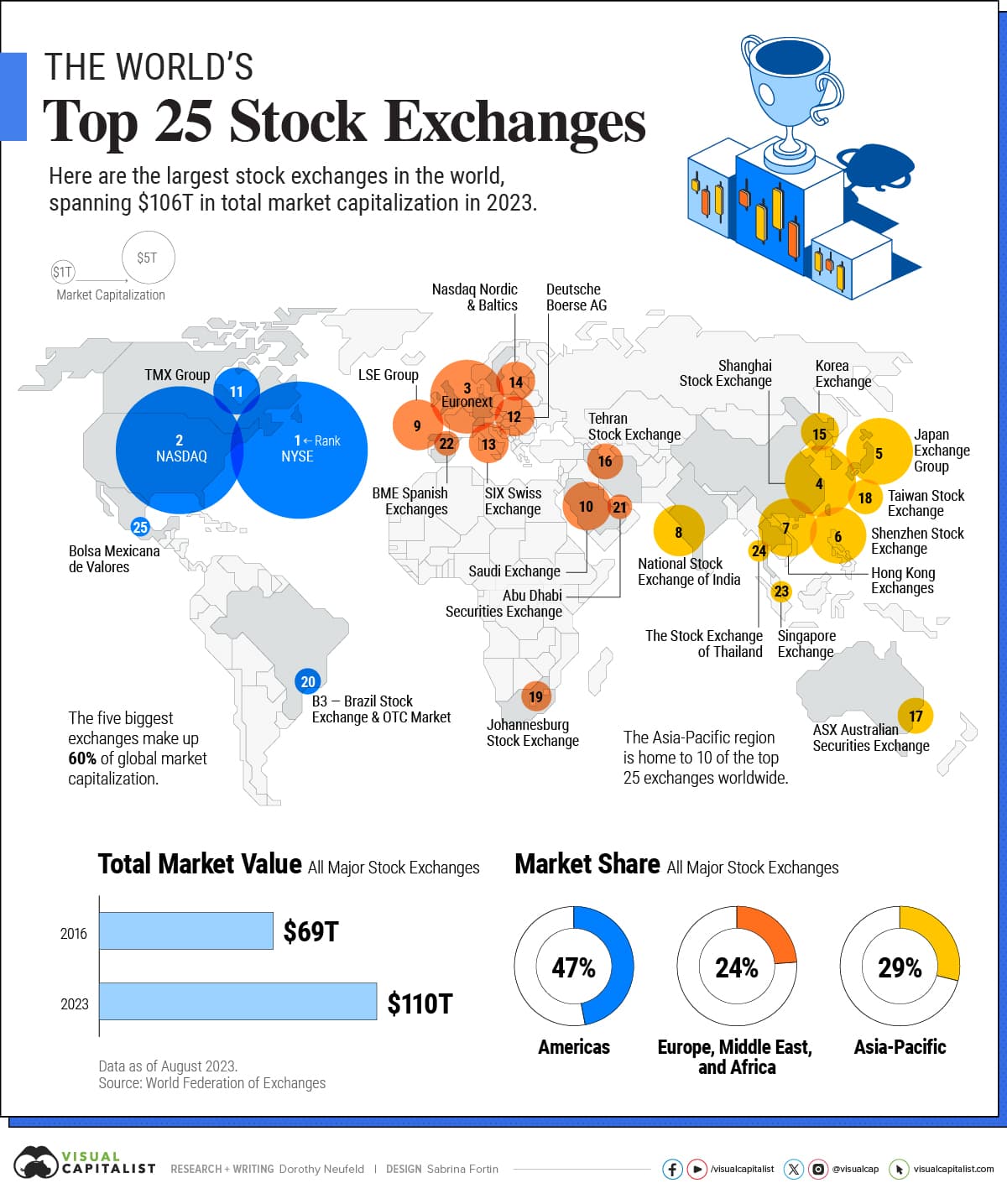
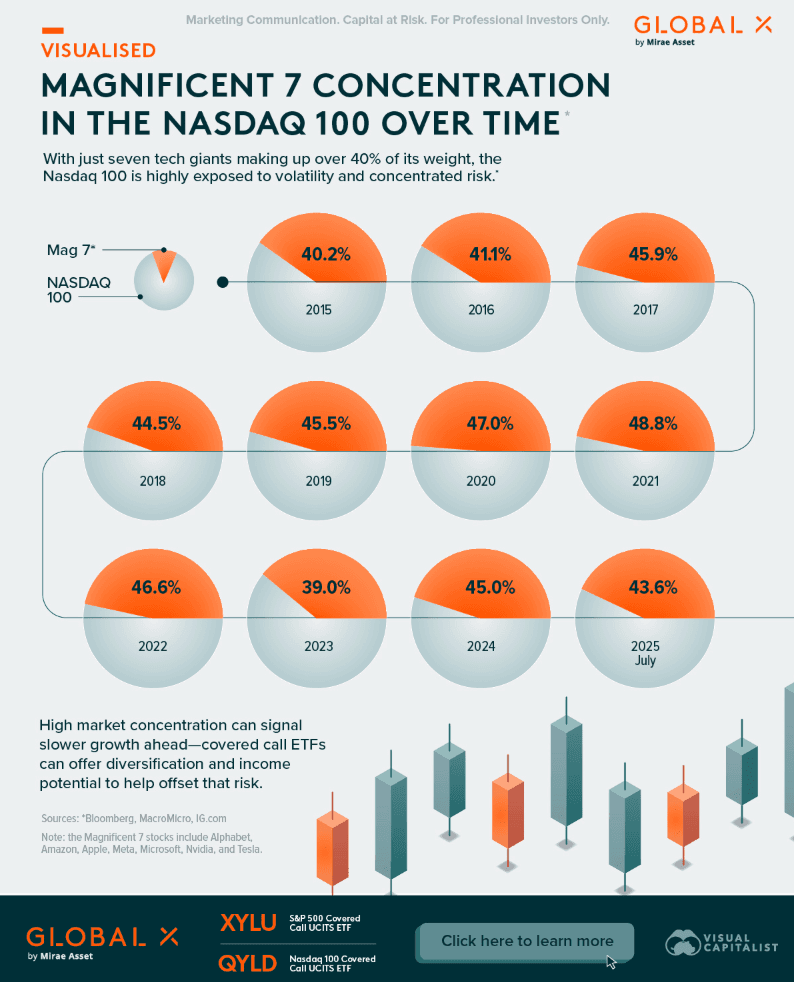
Typically sitting just behind the New York Stock Exchange in terms of market cap, the Nasdaq has historically been known as the world's second-largest stock exchange. It's best known as a high-tech alternative to the NYSE, listing top technology companies including Apple, Microsoft, and NVIDIA. Unlike the NYSE, the Nasdaq does not have a physical trading floor—everything is done electronically.
The Nasdaq became the first-ever electronic stock exchange when it launched in 1971, meaning that stock prices were displayed on screens for the first time rather than quoted exclusively by phone. The National Association of Securities Dealers built this "automated quotation system" in response to a study revealing the chaotic nature of finding out share prices. The name "Nasdaq" is an acronym for the "National Association of Securities Dealers Automated Quotation System."
A company might opt to go public on the Nasdaq rather than the NYSE for a variety of reasons, including a desire to be branded as a high-growth tech company, comparatively lower listing fees, and operating under a dealer-based model rather than an auction-based one.
1440 Findings
Hours of research by our editors, distilled into minutes of clarity.







Explore Business & Finance
The United States is home to more than 33 million businesses, the vast majority of which are small businesses, with millions being created (and others closing shop) every year. These businesses often rely on loans, provide the goods and services that keep the economy flowing, and sometimes even grow large enough to enter public markets or provide private investment opportunities. Explore key topics central to business and finance, from the role of the Federal Reserve to how initial public offerings work, how millions of American students finance higher education, and more.
Featured Topics
- 401(k)
- Amazon
- Bankruptcy
- Bitcoin
- Bonds
- Capital Gains
- College Tuition
- Consulting
- Creator Economy
- Credit Unions
- Federal Reserve
- Gig Economy
- Individual retirement accounts
- Inflation
- Initial Public Offerings
- Investment Banking
- Labor Unions
- Life Insurance
- Macy’s
- Minimum Wage
- Mutual Funds
- OpenAI
- Startups
- Stock Market
- Student Debt
- US Currency
- Venture Capital
- Wall Street
- Warren Buffett
- Y Combinator