Money Laundering
Overview
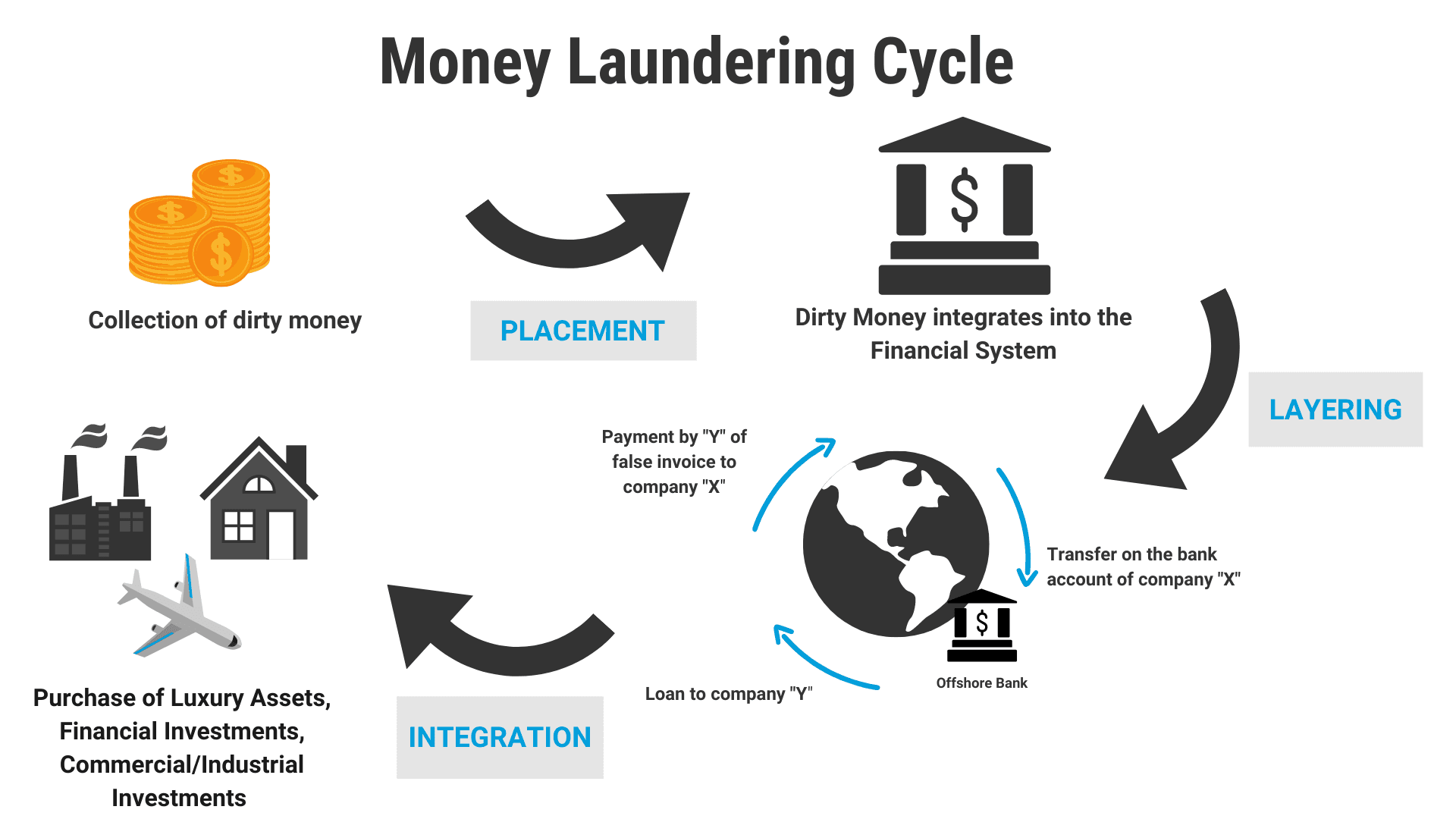
Frequently associated with drug and human trafficking rings, money laundering is the process of disguising or concealing the criminal origins of illegally obtained or "dirty" money so it can be used without detection. Criminals engaged in illegal trade rely on money laundering to cover their tracks and make their profits usable without being caught.
Specifically, money laundering involves moving dirty money around to disguise its origin: Some criminals open fake bank accounts before purchasing fine art or real estate with the dirty money, for instance.
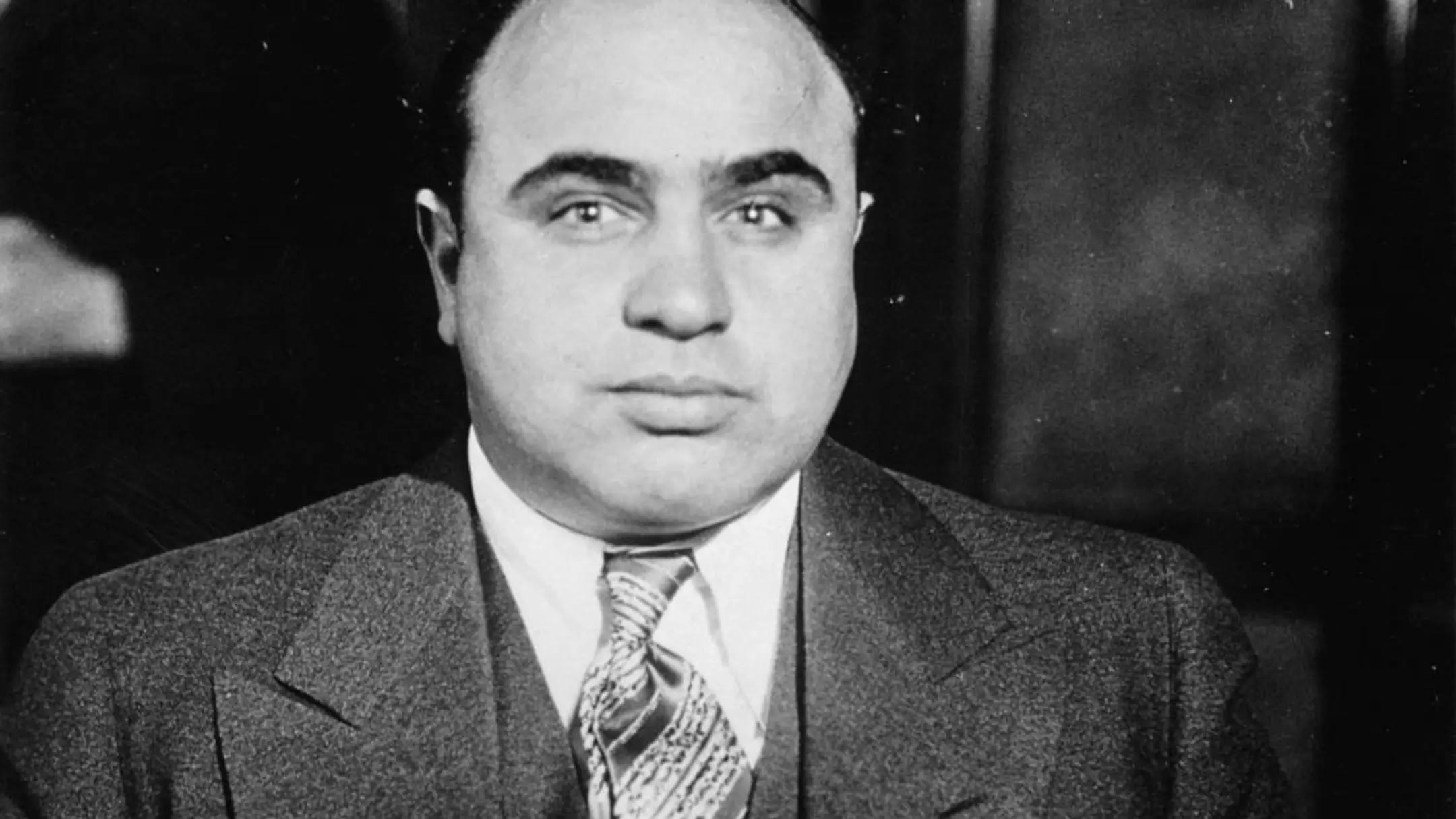
The practice of money laundering can be traced back roughly 2,000 years to Chinese merchants attempting to circumvent regional trading bans, but the term wasn't widely used until the 1970s after the Watergate scandal. Life magazine became one of the first media outlets to use the term "laundered" in reference to money in its 1967 article about American mobsters putting their profits from drug trafficking into secret accounts in the Bahamas to evade American tax laws.
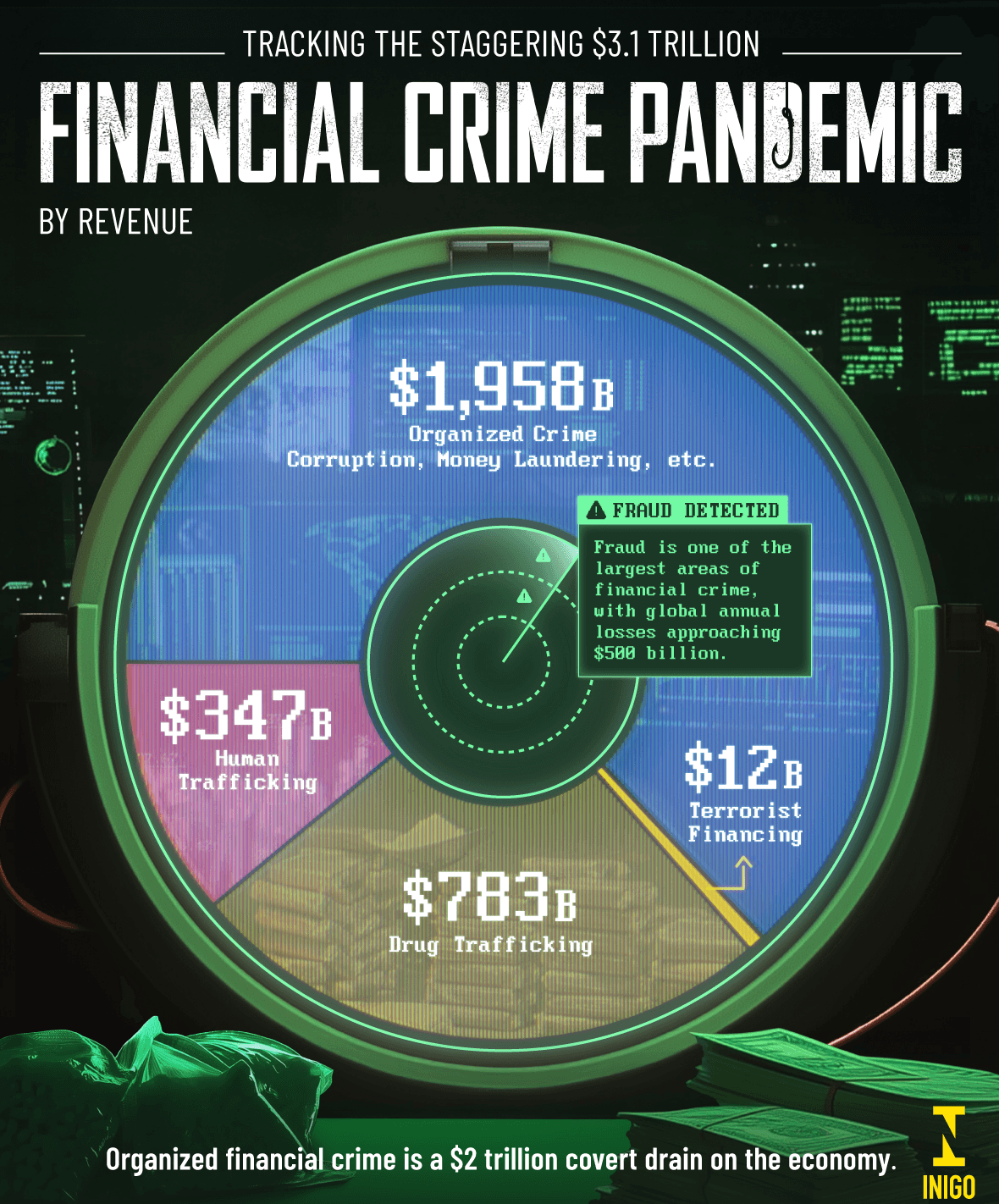
However, money laundering didn't become a federal crime in the United States until 1986. Today, the United Nations estimates that between $800B and $2T is laundered annually.
1440 Findings
Hours of research by our editors, distilled into minutes of clarity.



Explore Business & Finance
The United States is home to more than 33 million businesses, the vast majority of which are small businesses, with millions being created (and others closing shop) every year. These businesses often rely on loans, provide the goods and services that keep the economy flowing, and sometimes even grow large enough to enter public markets or provide private investment opportunities. Explore key topics central to business and finance, from the role of the Federal Reserve to how initial public offerings work, how millions of American students finance higher education, and more.
Featured Topics
- 401(k)
- Amazon
- Bankruptcy
- Bitcoin
- Bonds
- Capital Gains
- College Tuition
- Consulting
- Creator Economy
- Credit Unions
- Federal Reserve
- Gig Economy
- Individual retirement accounts
- Inflation
- Initial Public Offerings
- Investment Banking
- Labor Unions
- Life Insurance
- Macy’s
- Minimum Wage
- Mutual Funds
- OpenAI
- Startups
- Stock Market
- Student Debt
- US Currency
- Venture Capital
- Wall Street
- Warren Buffett
- Y Combinator