K-pop
Overview
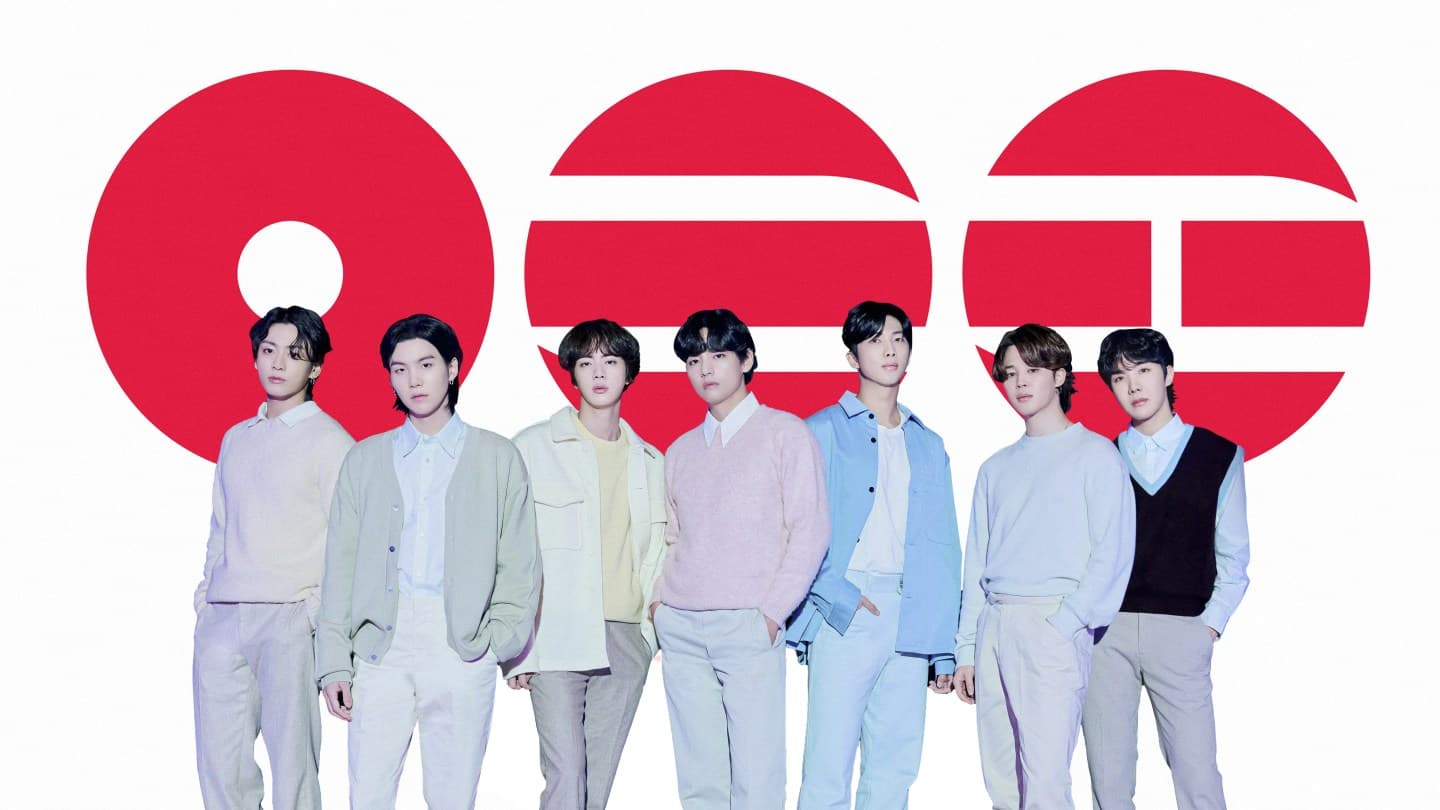
K-pop, an abbreviation for Korean pop music, is a global phenomenon that emerged in its modern form in the 1990s. Since then, K-pop idols have garnered large international fanbases, smashed industry records, and turned K-pop into a multibillion-dollar industry now valued at around $10B.
The beginning of K-pop as we know it is often traced to the debut of Seo Taiji and Boys. The movement continued to develop throughout the 2000s, and in 2012, "Gangnam Style" by rapper Psy became the first video to reach 1 billion views on YouTube. BTS, often called the world's biggest boyband, reportedly held a net worth of around $3.6B and accounted for 0.3% of South Korea's GDP before their recent military hiatus.
These milestones helped spread hallyu—a term that describes the global appetite for South Korean coolness, and opened the gates for K-pop and other cultural products from South Korea, like K-dramas, skincare, and barbecue.
1440 Findings
Hours of research by our editors, distilled into minutes of clarity.







Explore Society & Culture
Take a deep dive into the topics shaping our shared norms, values, and institutions. Art, music, and sports. Literature, architecture, and TV. Film, food, and philosophy. If it defines who we are as a society or how we express ourselves as a culture, then we're exploring it here.
Featured Topics
- Barbecue
- Beat Generation
- Bob Dylan
- Broadway
- Bruce Springsteen
- Burning Man
- The Burrito
- Country Music
- Dystopian Literature
- Flannery O’Connor
- Frank Lloyd Wright
- Girl Groups
- Hip-Hop
- James Beard Awards
- Memes
- National Football League
- National Parks
- Netflix
- Opera
- Rock 'N' Roll
- Salvador Dalí
- 'Saturday Night Live'
- Shakespeare
- 'The Star-Spangled Banner'
- Steven Spielberg
- Title IX
- True Crime
- Vacationing
- Walt Whitman