Hollywood
Overview
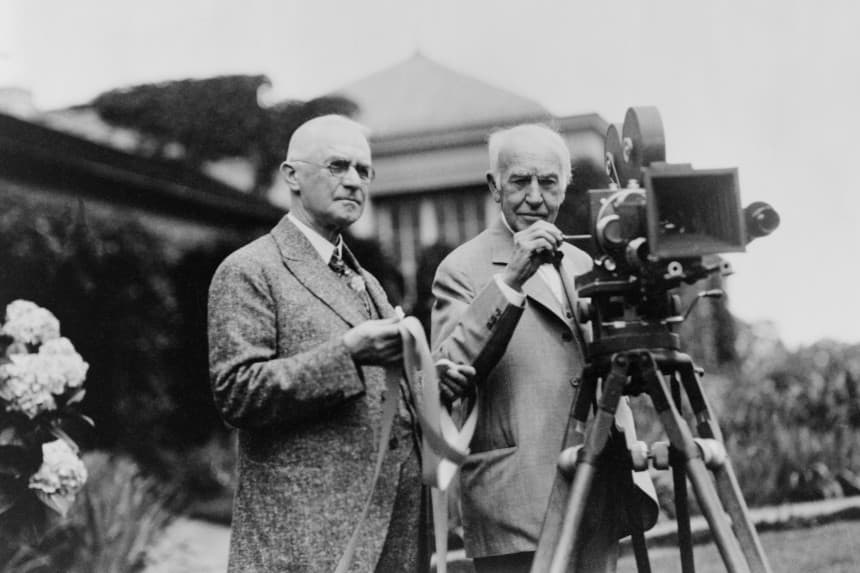
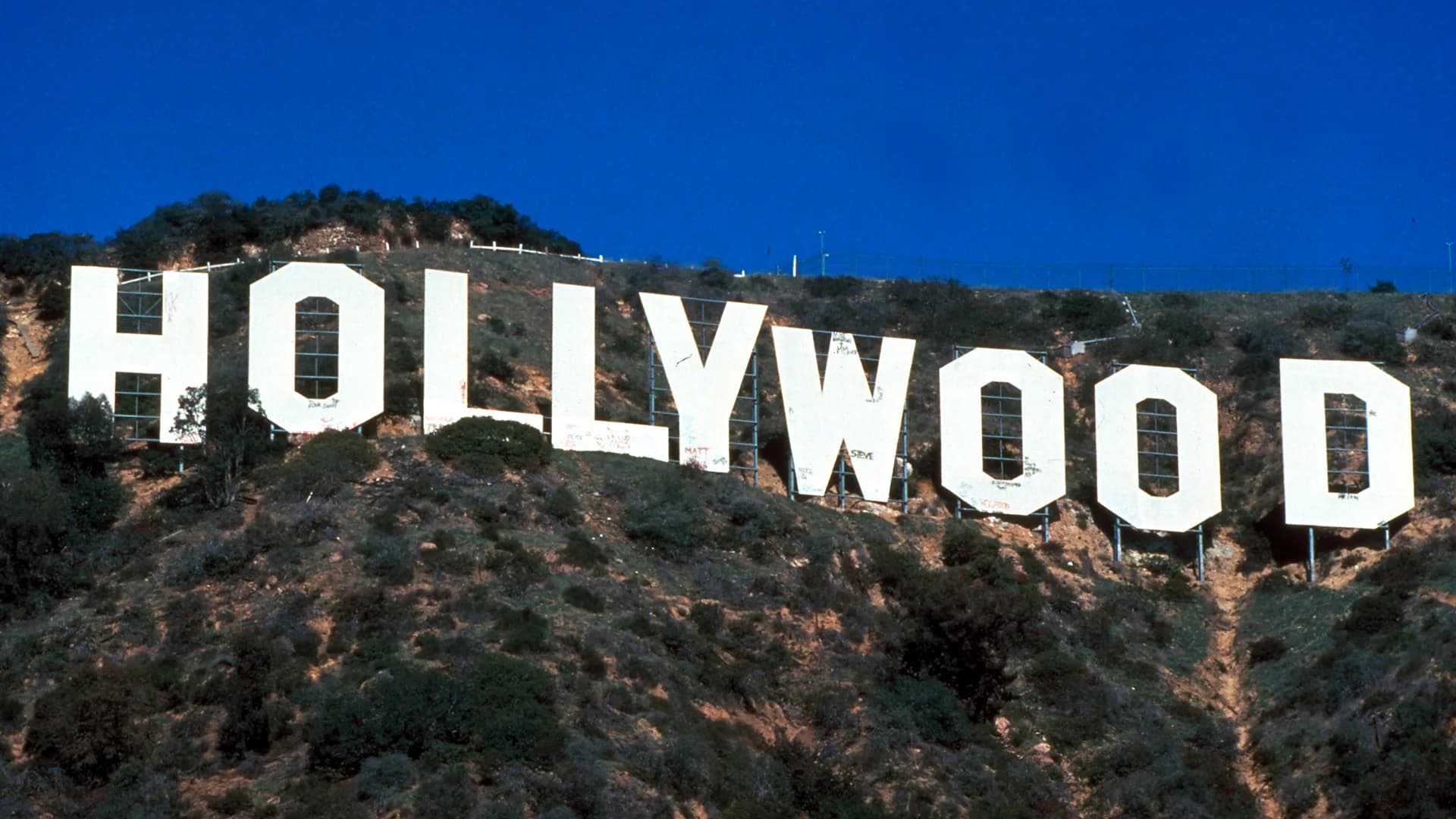
Hollywood was first registered with Los Angeles County in 1887 but didn't become a part of the city proper until 1910. On the East Coast, Thomas Edison was zealously defending his first motion picture camera patent. Edison's actions led filmmakers to consider California, where the weather was better and the lawsuits would be easier to avoid.
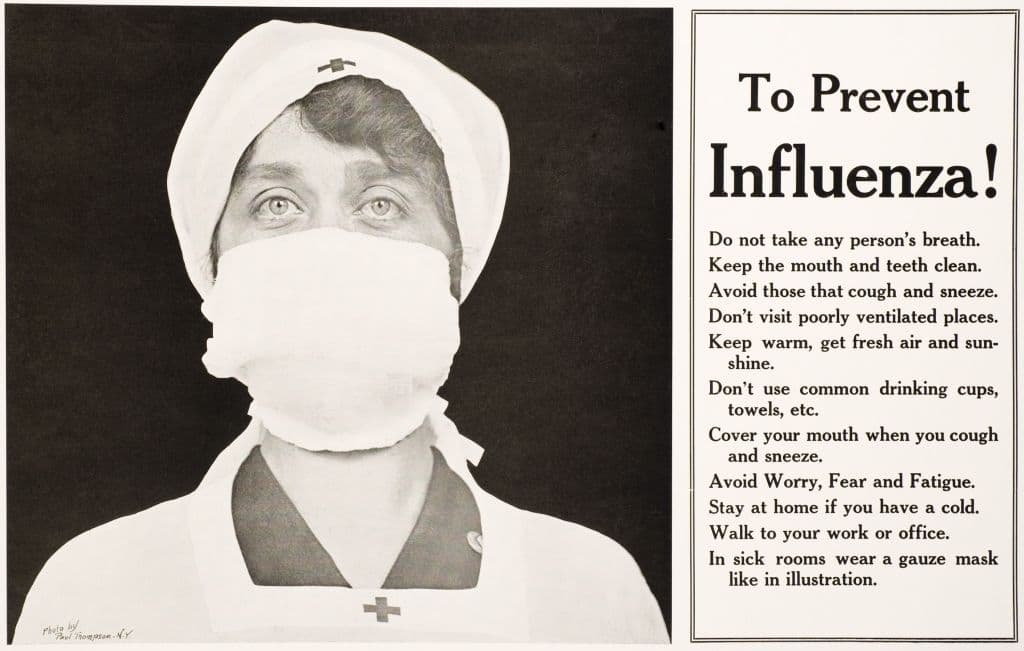
Los Angeles further cemented itself as the center of the film industry with its excellent management of the 1918 flu epidemic, which allowed Hollywood to recover faster than studios in other cities, like New York.
In its golden age, the industry was primarily controlled by vertically integrated studios that oversaw every aspect of film production, distribution, and exhibition, and had specific actors under contract for their projects. The Supreme Court eventually found this model to violate antitrust laws, paving the way for a revolution of independent filmmaking, which led to new storytelling methods that resonate with audiences today. In 2020, that landmark ruling was overturned.
1440 Findings
Hours of research by our editors, distilled into minutes of clarity.





Explore Society & Culture
Take a deep dive into the topics shaping our shared norms, values, and institutions. Art, music, and sports. Literature, architecture, and TV. Film, food, and philosophy. If it defines who we are as a society or how we express ourselves as a culture, then we're exploring it here.
Featured Topics
- Barbecue
- Beat Generation
- Bob Dylan
- Broadway
- Bruce Springsteen
- Burning Man
- The Burrito
- Country Music
- Dystopian Literature
- Flannery O’Connor
- Frank Lloyd Wright
- Girl Groups
- Hip-Hop
- James Beard Awards
- Memes
- National Football League
- National Parks
- Netflix
- Opera
- Rock 'N' Roll
- Salvador Dalí
- 'Saturday Night Live'
- Shakespeare
- 'The Star-Spangled Banner'
- Steven Spielberg
- Title IX
- True Crime
- Vacationing
- Walt Whitman