Hoaxes

Overview

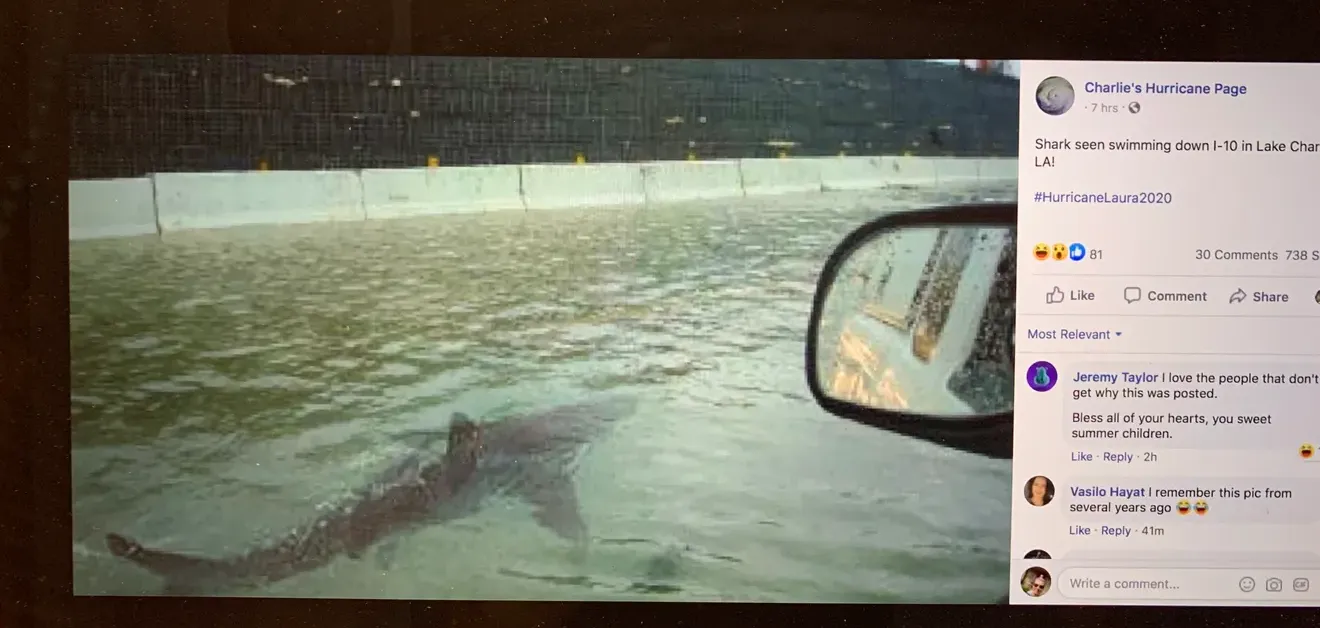
Hoaxes are deliberate cases of deception designed to trick an intended audience. While hoaxes have been around as long as humans have communicated, the digital world has allowed misinformation to spread faster and further than ever before. Social media created ideal conditions for pranks and false claims about celebrities, news events, and natural phenomena. In terms of impact, hoaxes can range from harmless pranks to seriously damaging incidents that erode public trust in a person or institution.

1440 Findings

Hours of research by our editors, distilled into minutes of clarity.

  • The Shed at Dulwich was a fake restaurant that became the top-rated eatery in London

    In 2017, freelance writer Oobah Butler conducted an experiment in which he created a website claiming that his south London garden shed offered a unique fine-dining experience. Butler asked friends to write glowing reviews on Tripadvisor, made the restaurant open only by appointment, and allured audiences with mystery. As a result, hordes of people called and emailed to make a reservation at a restaurant that didn't exist.

  • The creator of Sherlock Holmes published a book claiming fairies were real

    In 1917, two young girls took photos of one another appearing to interact with fairies and a gnome. Sir Arthur Conan Doyle, author of the Sherlock Holmes books and a fervent believer in spiritualism, published the photos in a magazine and asked the girls to recreate them, which they did. Conan Doyle went on to write a book about the fairies. In 1983, decades after his death, the girls admitted the photos had been faked.

  • Photographer William Mumler claimed to photograph ghosts

    Spirit photographer William Mumler rose to prominence during the spiritualist movement in the United States. His photographs engrossed and bewildered both believers and nonbelievers. Though Mumler was tried for fraud, his methods were never discovered.

Explore Human Interest

View All Human Interest