Halloween
Overview
Halloween is a holiday observed each year on October 31, primarily in the United States and Canada. It's based on the ancient Celtic festival of Samhain, which marked the shift from summer to winter and the belief that the boundary between the living and the dead was thin. Christianity later incorporated Samhain into the liturgical calendar as All Hallows’ Eve, which eventually became Halloween.
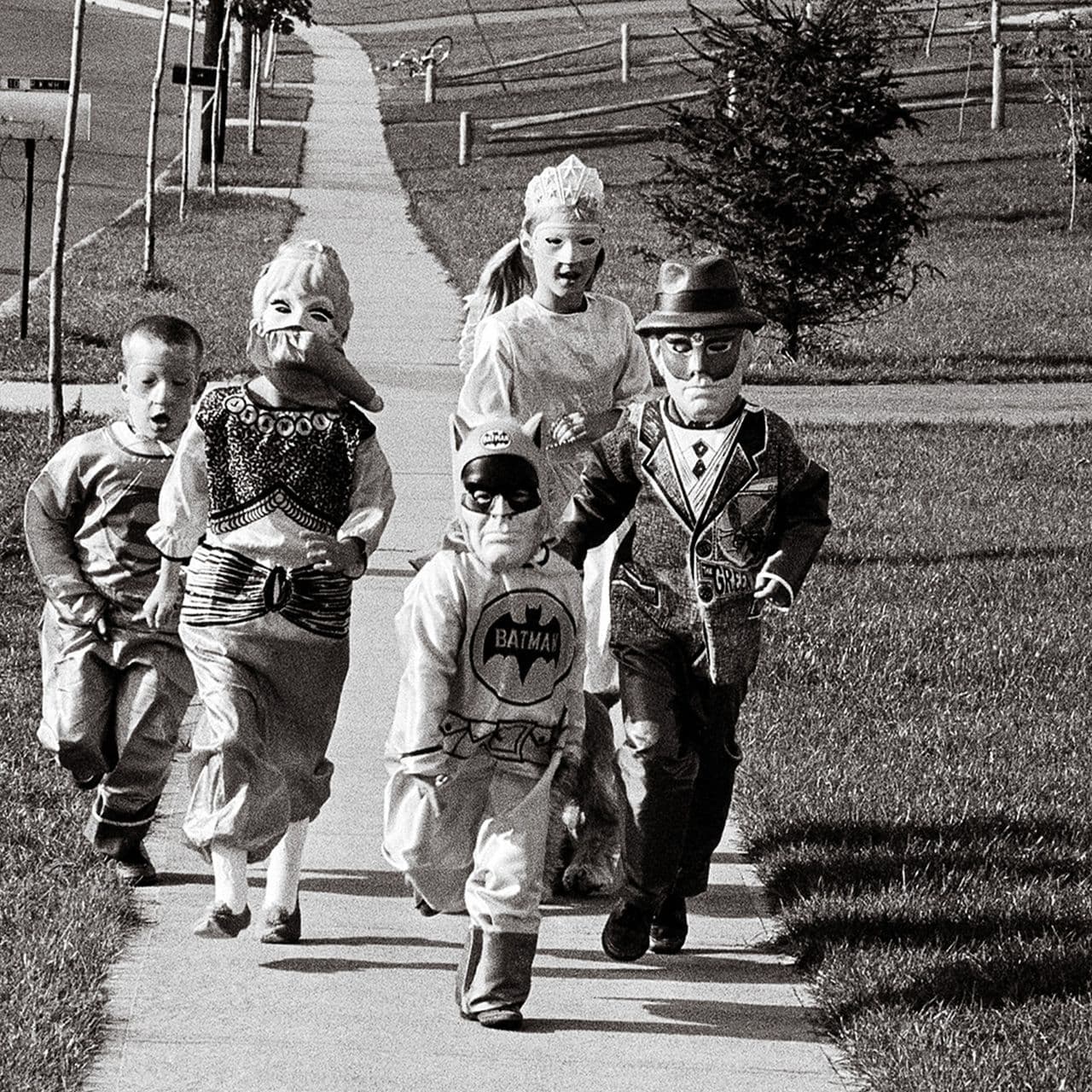
Irish and Scottish immigrants brought the holiday—and its many traditions—to the US in the 19th century. By the early 20th century, Halloween became associated with vandalism and pranks, prompting communities to create parades, haunted house tours, and town-sponsored trick-or-treating as structured alternatives.
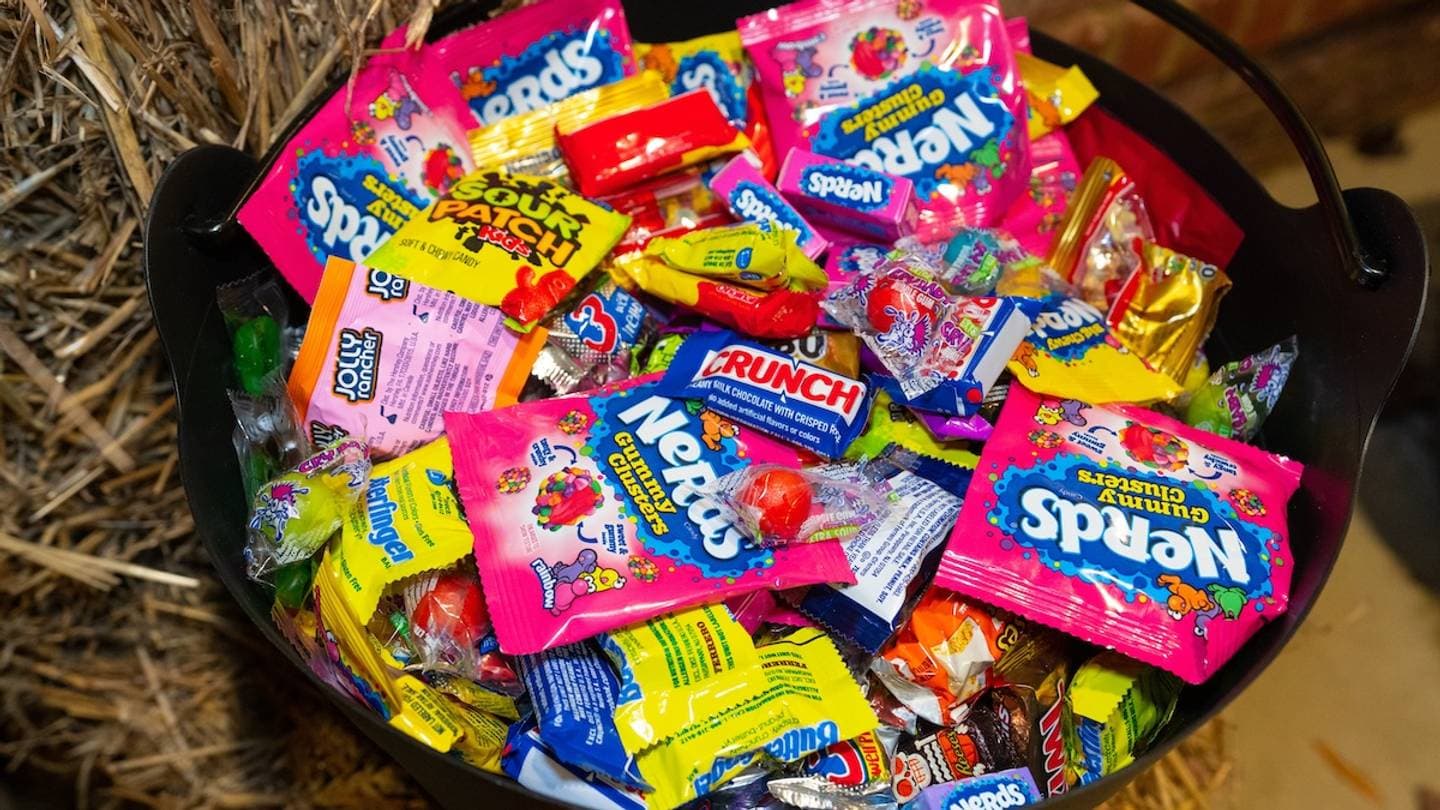
Halloween generates more than $13B in annual spending, driving industries from candy to haunted attractions, while also serving as a cultural event for both children and adults, who take part in costume parties, horror movie marathons, and more.
1440 Findings
Hours of research by our editors, distilled into minutes of clarity.







Explore Society & Culture
Take a deep dive into the topics shaping our shared norms, values, and institutions. Art, music, and sports. Literature, architecture, and TV. Film, food, and philosophy. If it defines who we are as a society or how we express ourselves as a culture, then we're exploring it here.
Featured Topics
- Barbecue
- Beat Generation
- Bob Dylan
- Broadway
- Bruce Springsteen
- Burning Man
- The Burrito
- Country Music
- Dystopian Literature
- Flannery O’Connor
- Frank Lloyd Wright
- Girl Groups
- Hip-Hop
- James Beard Awards
- Memes
- National Football League
- National Parks
- Netflix
- Opera
- Rock 'N' Roll
- Salvador Dalí
- 'Saturday Night Live'
- Shakespeare
- 'The Star-Spangled Banner'
- Steven Spielberg
- Title IX
- True Crime
- Vacationing
- Walt Whitman