Gross Domestic Product
Overview
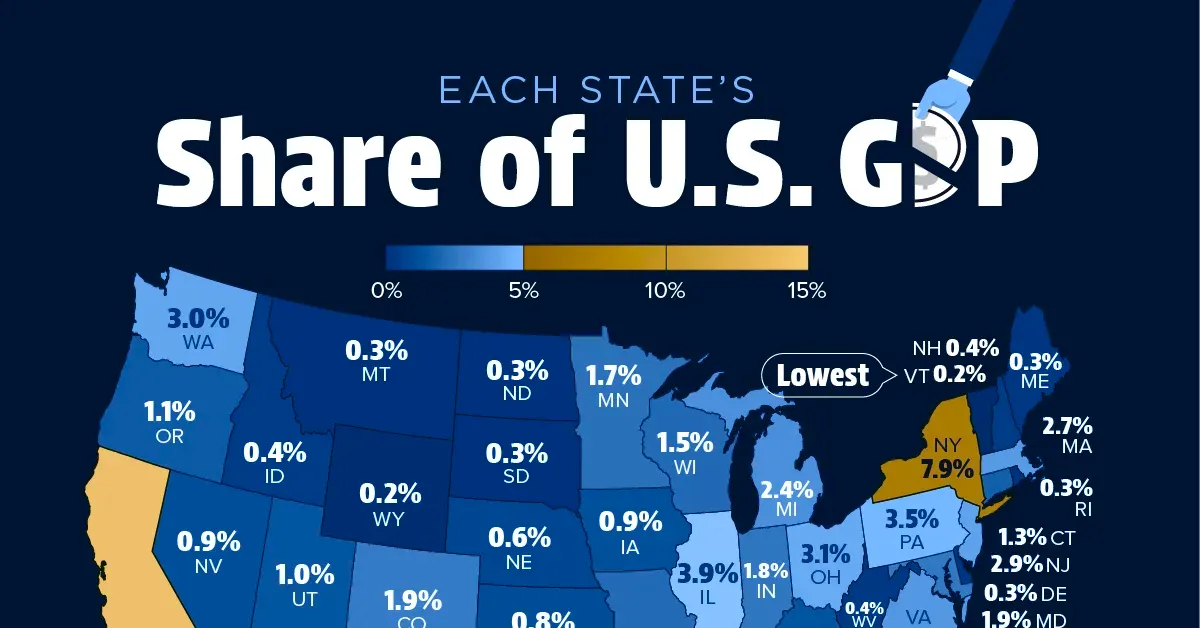
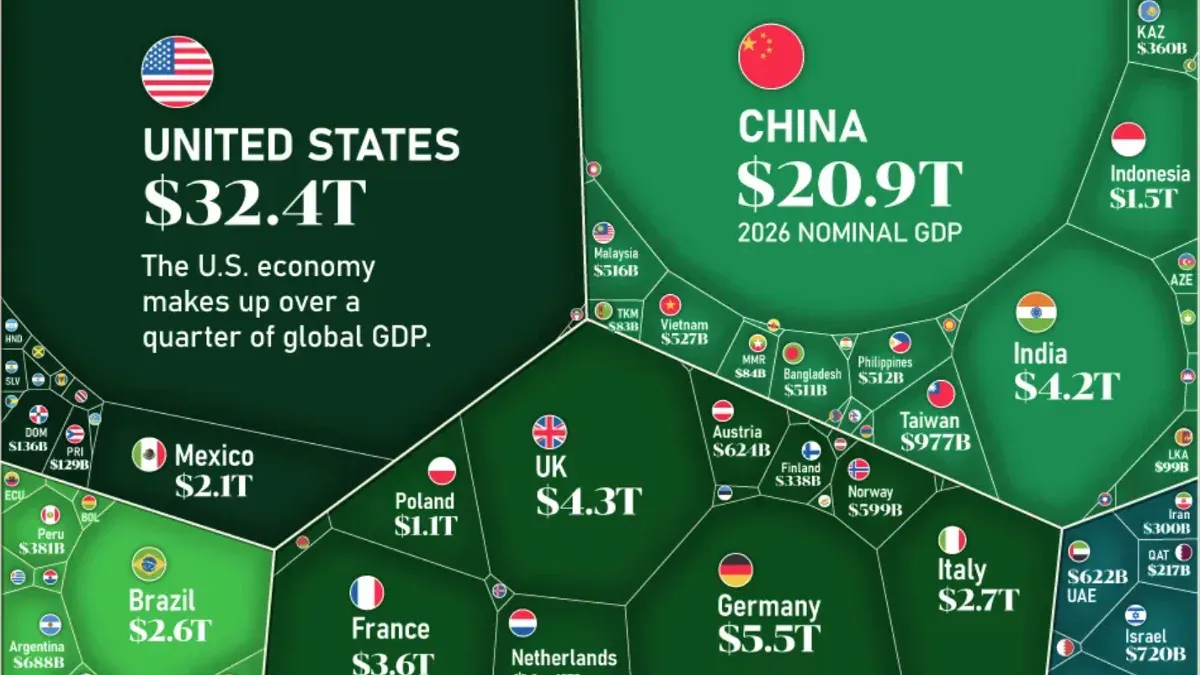
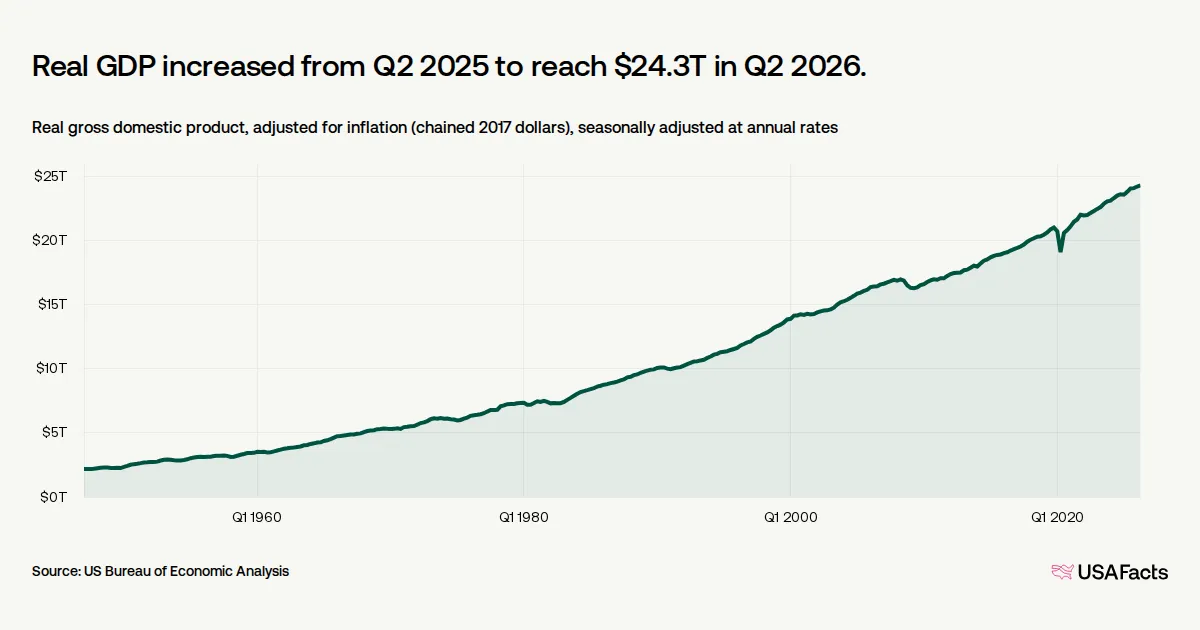
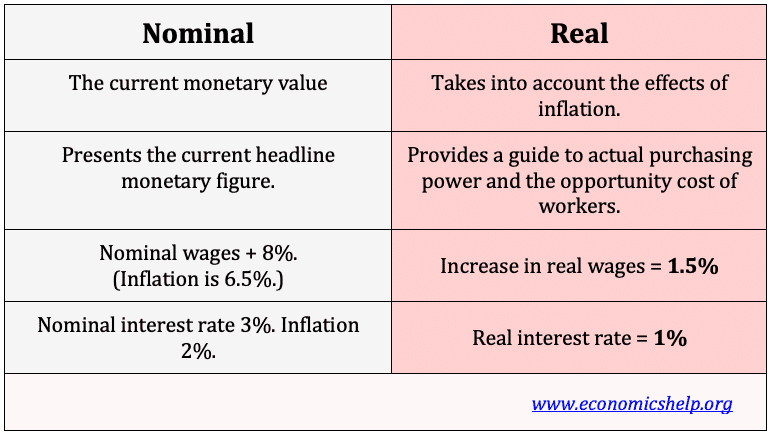
A core measure of a nation's total economic activity, gross domestic product, or GDP, represents the value of all final goods and services produced within a country's borders in a given year. Economists can calculate a country's aggregate economic activity by adding together its total consumer spending, business investment, government spending, and net exports. As of June 2026, the US' inflation-adjusted GDP was about $24.2T.
Since the concept was popularized by Nobel laureate Simon Kuznets in the 1930s, GDP has become one of the most important economic indicators in both domestic and international policy. Evaluating an economy's size can help policymakers understand its growth and compare it to that of other nations.
Although the formula used to calculate GDP is simple, each component accounts only for the final goods and services produced in a specific time frame (such as a quarter or a year). That means any intermediary goods used in a final product, such as tires on a new car, aren't included, with the idea being that the value of those tires is represented in the car's price.
Many economists are wary of relying too heavily on GDP to determine a nation's total economic health, as it doesn't reflect a country's standard of living or wealth distribution. GDP also excludes many meaningful aspects of an economy, such as environmental damage, unpaid labor, secondhand goods, and even much of the stock market.
1440 Findings
Hours of research by our editors, distilled into minutes of clarity.





Explore Business & Finance
The United States is home to more than 33 million businesses, the vast majority of which are small businesses, with millions being created (and others closing shop) every year. These businesses often rely on loans, provide the goods and services that keep the economy flowing, and sometimes even grow large enough to enter public markets or provide private investment opportunities. Explore key topics central to business and finance, from the role of the Federal Reserve to how initial public offerings work, how millions of American students finance higher education, and more.
Featured Topics
- 401(k)
- Amazon
- Bankruptcy
- Bitcoin
- Bonds
- Capital Gains
- College Tuition
- Consulting
- Creator Economy
- Credit Unions
- Federal Reserve
- Gig Economy
- Individual retirement accounts
- Inflation
- Initial Public Offerings
- Investment Banking
- Labor Unions
- Life Insurance
- Macy’s
- Minimum Wage
- Mutual Funds
- OpenAI
- Startups
- Stock Market
- Student Debt
- US Currency
- Venture Capital
- Wall Street
- Warren Buffett
- Y Combinator