Formula 1

Overview

Formula 1 cars are the world's fastest regulated road-course racing automobiles. F1 is the highest international level of open-wheel racing, with 10 teams of two drivers who compete in Grands Prix from March through December at circuits across five continents.

1440 Findings

Hours of research by our editors, distilled into minutes of clarity.

  • The cars were originally produced by European manufacturers like Alfa Romeo, Ferrari, and Maserati

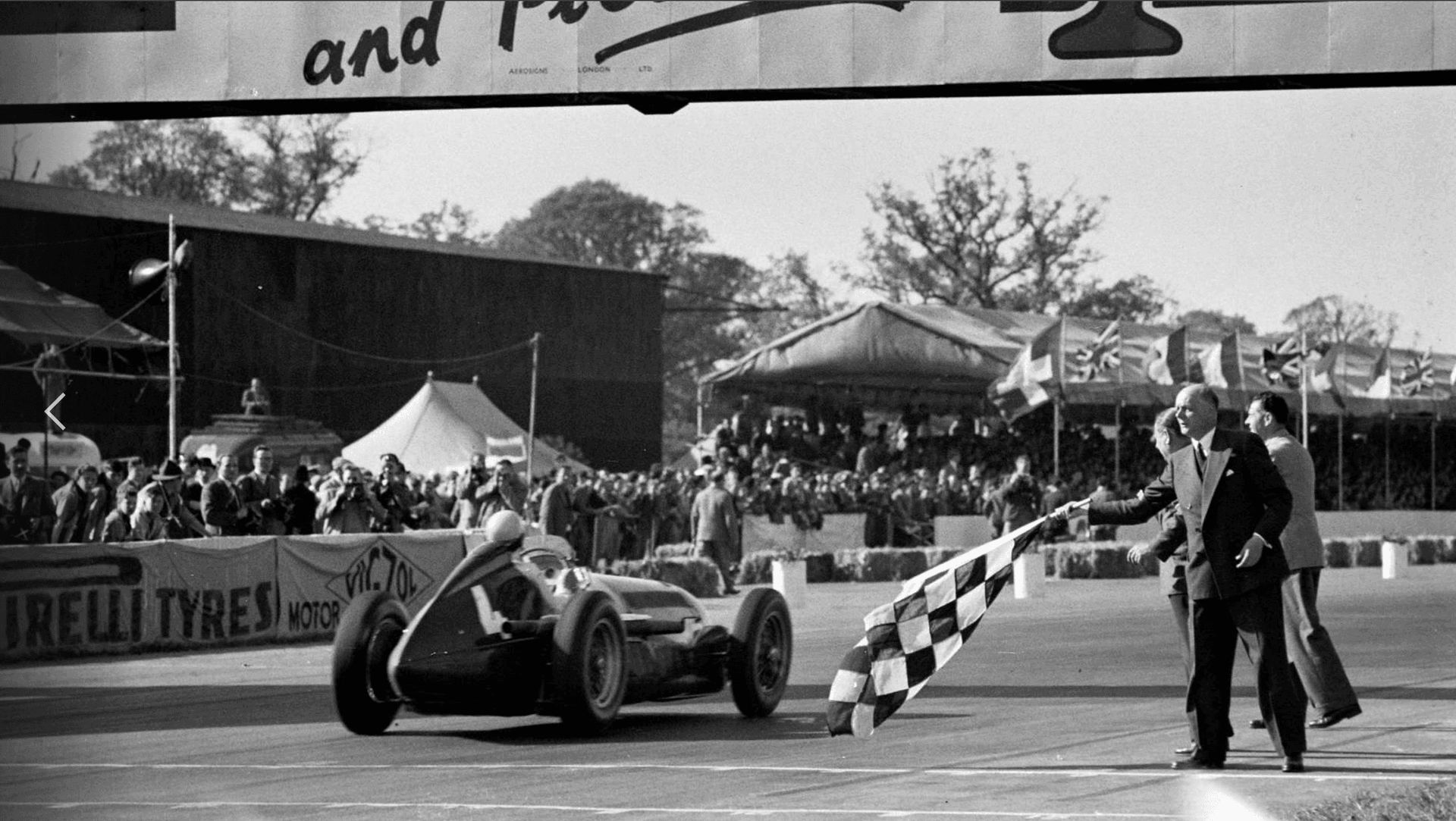
    Other than the four wheels and open top, the early Formula 1 cars have little in common with today’s machines. But the era has a rich history. Using historic video and photos, this hour-long documentary details the iconic drivers of the 1950s, the evolution of the premier teams, and how the era left its mark on the sport that’s still being felt today.

  • There were 12 on-track fatalities in the 1970s

    The decade found engineers pushing Formula 1 cars to their limits. The cars were faster than ever and drivers were taking bigger risks to win. Safety features, however, remained the same. With vintage footage and driver interviews, this Daily Fuel Up video explores some of the wildest crashes from the era and, importantly, what changes FIA made following the decade’s 12 driver deaths.

  • Every world champion in F1 history

    Over the last decade, Max Verstappen and Lewis Hamilton have dominated the winners podium, and their Red Bull Racing and Mercedes teams have taken every Constructors' Championship since 2010. But what team had the most championships in the 1950s? Who has the most Drivers' Championships in Formula 1's history? This article shows every Drivers' and Constructors' Champion since the start of Formula 1 in the 1950s.

  • F1 cars have evolved through the decades

    Formula 1 has continued to evolve since its first race in 1950. Early cars featured front-mounted engines, narrow tires, and speeds of up to 180 mph. In 1958, rear-engine designs, like the Cooper T43, improved handling and balance. The 1960s brought lightweight materials and wings, which enhanced stability by generating downforce. Ground effect designs of the 1970s revolutionized grip and cornering but were banned in 1982 due to safety concerns. By the 1990s, hybrid turbo engines and energy recovery systems emerged, improving performance. Today’s F1 cars integrate advanced aerodynamics and hybrid technology, reaching speeds of over 220 mph.

  • A 'halo' protects drivers

    After the 2015 death of driver Jules Bianchi, Formula 1 mandated that all cars include a protective barrier called a “halo.” This video breaks down how that measure saved the life of Romain Grosjean, who survived a horrific crash in 2020 at a race in Bahrain and later credited the halo as the reason for his survival.

  • A Netflix docuseries turned the sport into a national obsession

    Throughout much of its history, Formula 1 racing was a European sport that failed to ever find a major audience in the US. That changed with the “Drive to Survive,” the Netflix docuseries that premiered in 2019. This analysis from two communications professors unpacks how the series has successfully presented the sport for an American audience and cultivated a dedicated fanbase in the process.

Next page

Explore Society & Culture

Art, music, sports, entertainment, movies, and many other subjects—these elements define who we are as a society and how we express ourselves as a culture. Take a deep dive into the topics shaping our shared norms, values, institutions, and more.

View All Society & Culture