Easter
Overview
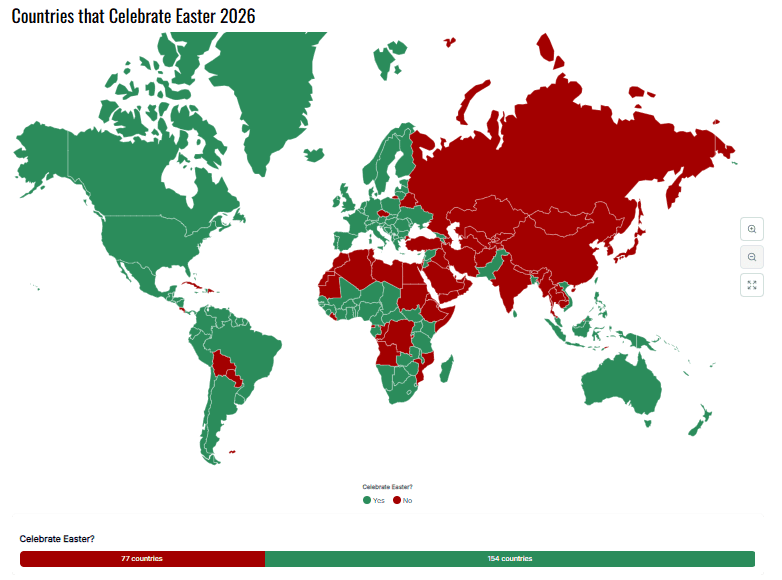
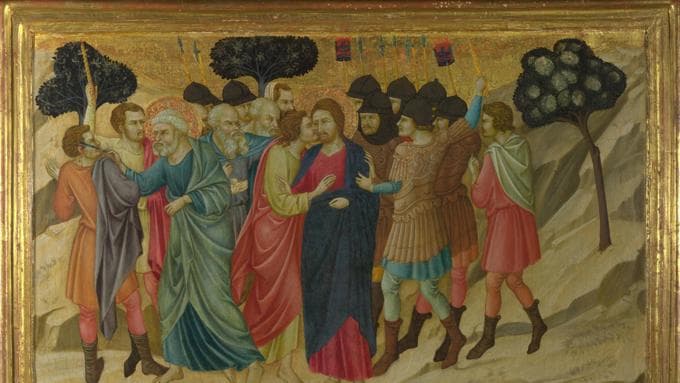
Easter is Christianity's most important holiday, a celebration of the death and resurrection of Jesus Christ, the first-century Judean man whom Christians believe was the incarnate Son of God. He was crucified by Roman soldiers outside Jerusalem. The holiday—observed by Christians in more than 95 countries, by roughly 2.4 billion people—culminates Holy Week, the stretch from Palm Sunday through Maundy (or Holy) Thursday and Good Friday. It concludes the 40-day period of fasting and penance that starts on Ash Wednesday, known as Lent (46 days if you count Sundays).
Theologians describe Easter as the fulfillment of the Jewish commemoration of Passover, when the enslaved Israelites were "passed over" in Egypt by the Angel of Death, who took the life of every firstborn son. Early Christians, like Paul, argued that this event prefigured—or anticipated—Jesus' death on the cross, whose sacrifice, they believe, saves everyone from sin and death. Paul argues that without the Resurrection, Christianity is false. On Easter, Christians believe Jesus is risen today, and that he calls everyone to similar eternal life.
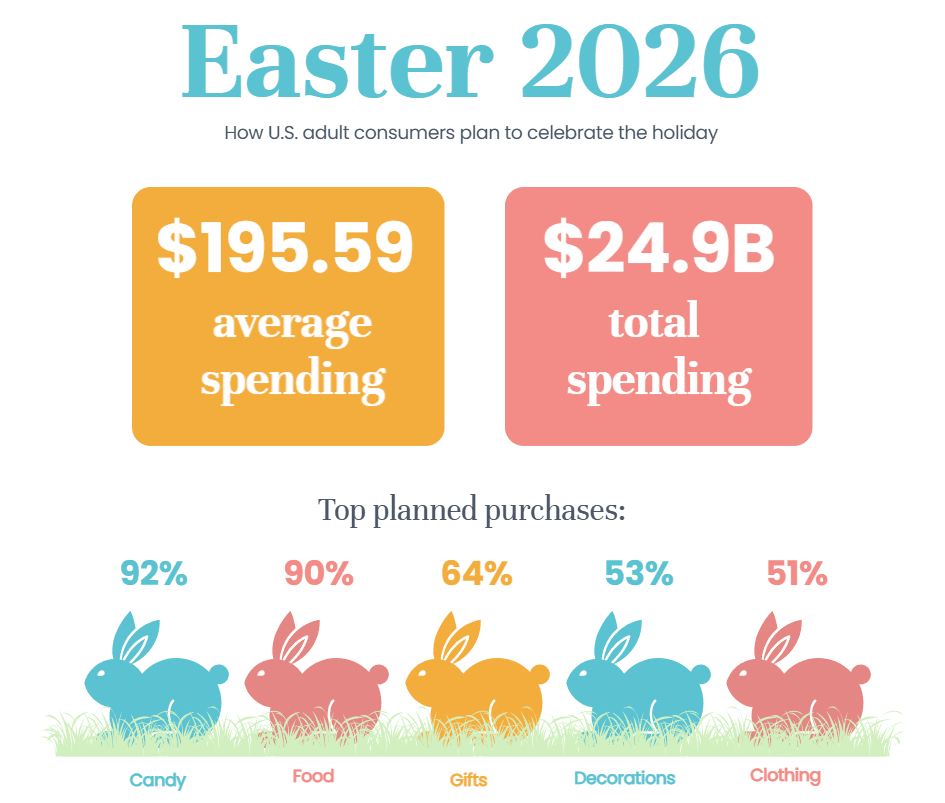
Easter eggs became associated with Easter after hens laid eggs during the Lenten fast, resulting in a surplus by Easter. German immigrants brought the tradition of the Easter Bunny in the 1700s. Today, Americans are projected to spend nearly $25B on Easter.
1440 Findings
Hours of research by our editors, distilled into minutes of clarity.





Explore Society & Culture
Take a deep dive into the topics shaping our shared norms, values, and institutions. Art, music, and sports. Literature, architecture, and TV. Film, food, and philosophy. If it defines who we are as a society or how we express ourselves as a culture, then we're exploring it here.
Featured Topics
- Barbecue
- Beat Generation
- Bob Dylan
- Broadway
- Bruce Springsteen
- Burning Man
- The Burrito
- Country Music
- Dystopian Literature
- Flannery O’Connor
- Frank Lloyd Wright
- Girl Groups
- Hip-Hop
- James Beard Awards
- Memes
- National Football League
- National Parks
- Netflix
- Opera
- Rock 'N' Roll
- Salvador Dalí
- 'Saturday Night Live'
- Shakespeare
- 'The Star-Spangled Banner'
- Steven Spielberg
- Title IX
- True Crime
- Vacationing
- Walt Whitman