Cuban Revolution
Overview
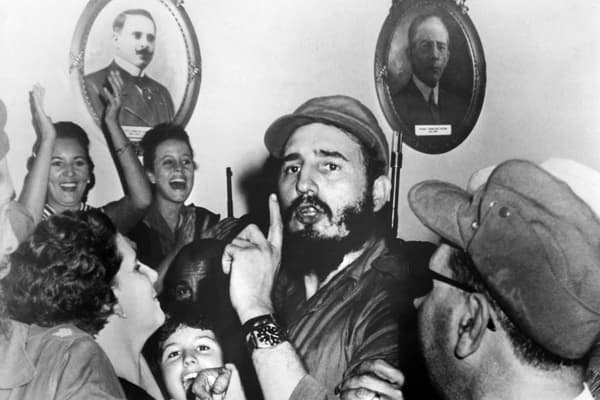
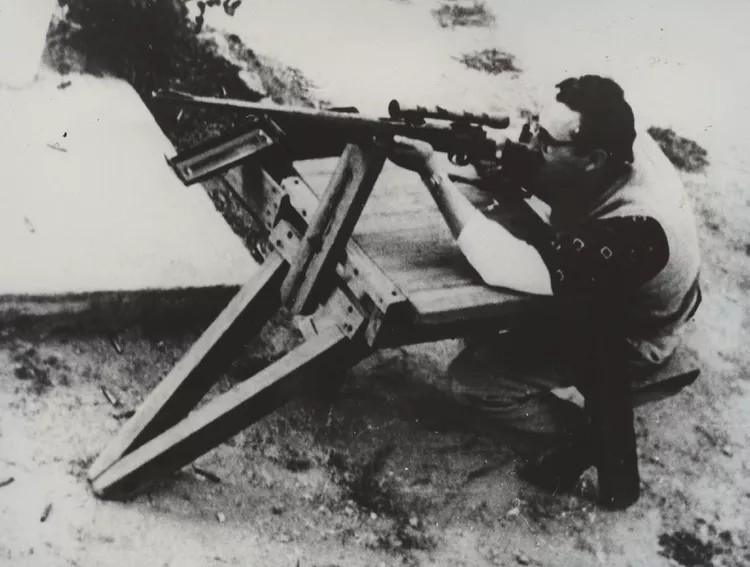
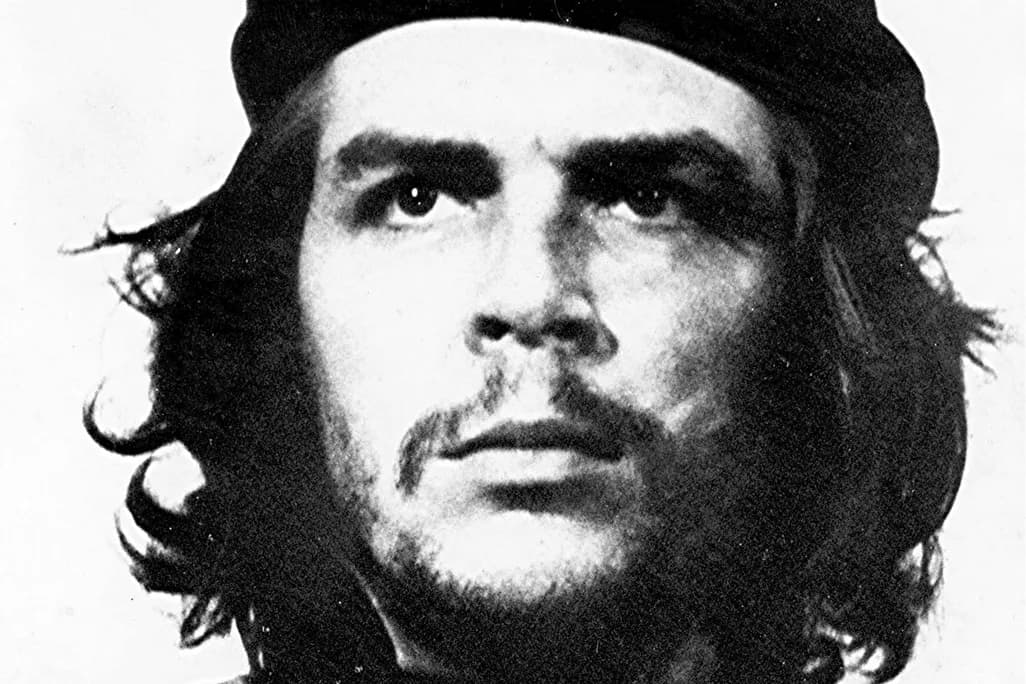
From 1953 to 1959, a small band of revolutionaries in Cuba, led by Fidel Castro and Ernesto “Che” Guevara, overthrew the dictatorship of Fulgencio Batista, establishing the first socialist state in the Western Hemisphere.
The Cuban Revolution profoundly upended the island’s political, social, cultural, and economic systems, reshaping global geopolitics and significantly altering Cuba’s relationship with its largest neighbor, the United States.
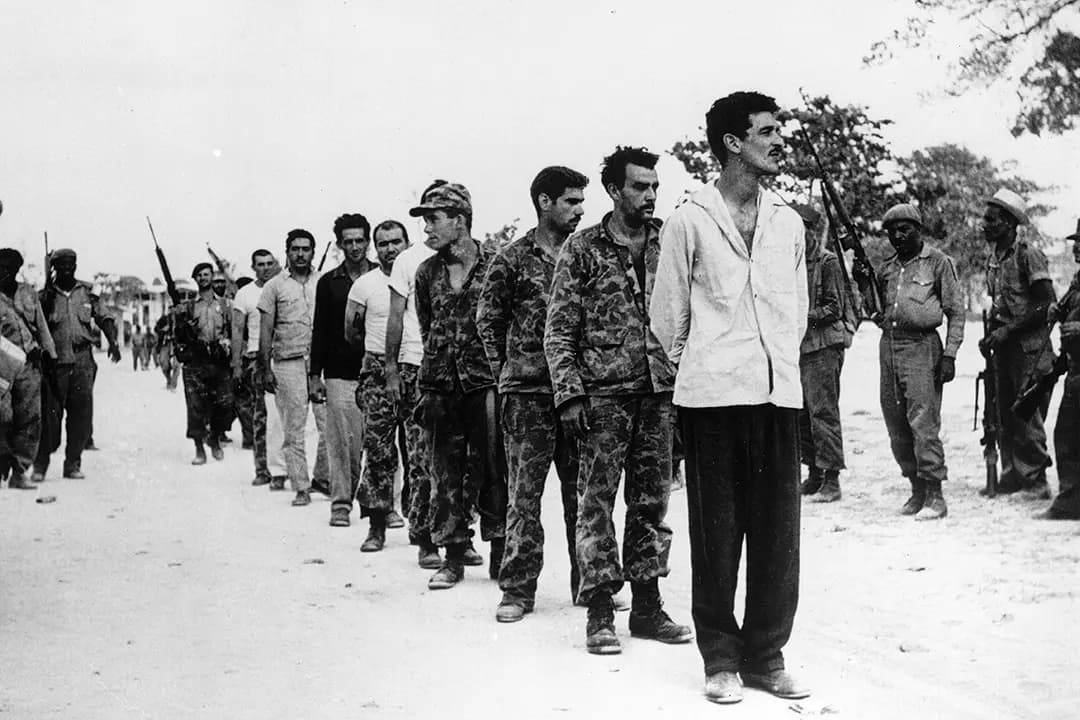
After Castro consolidated power and aligned Cuba with the Soviet Union, the US responded with assassination attempts, the failed Bay of Pigs invasion, and a sweeping economic embargo. Those confrontations deepened Cuba’s reliance on Moscow, culminating in the 1962 Cuban Missile Crisis, which brought the world to the brink of nuclear war.
Although the Cold War has ended, the revolution’s legacy continues to shape Cuba today. The country remains a one-party communist state, constrained by decades of US sanctions, the collapse of Soviet support, and recurring unrest driven by shortages, emigration, and limited political freedoms.
1440 Findings
Hours of research by our editors, distilled into minutes of clarity.




Explore World History
Weave together the many narratives of world history with our highly curated and expanding selection of diverse, fascinating resources designed to showcase the breadth and richness of Earth's story, from the earliest traces of human civilization to the dramatic developments of contemporary cultures.