Coffee
Overview
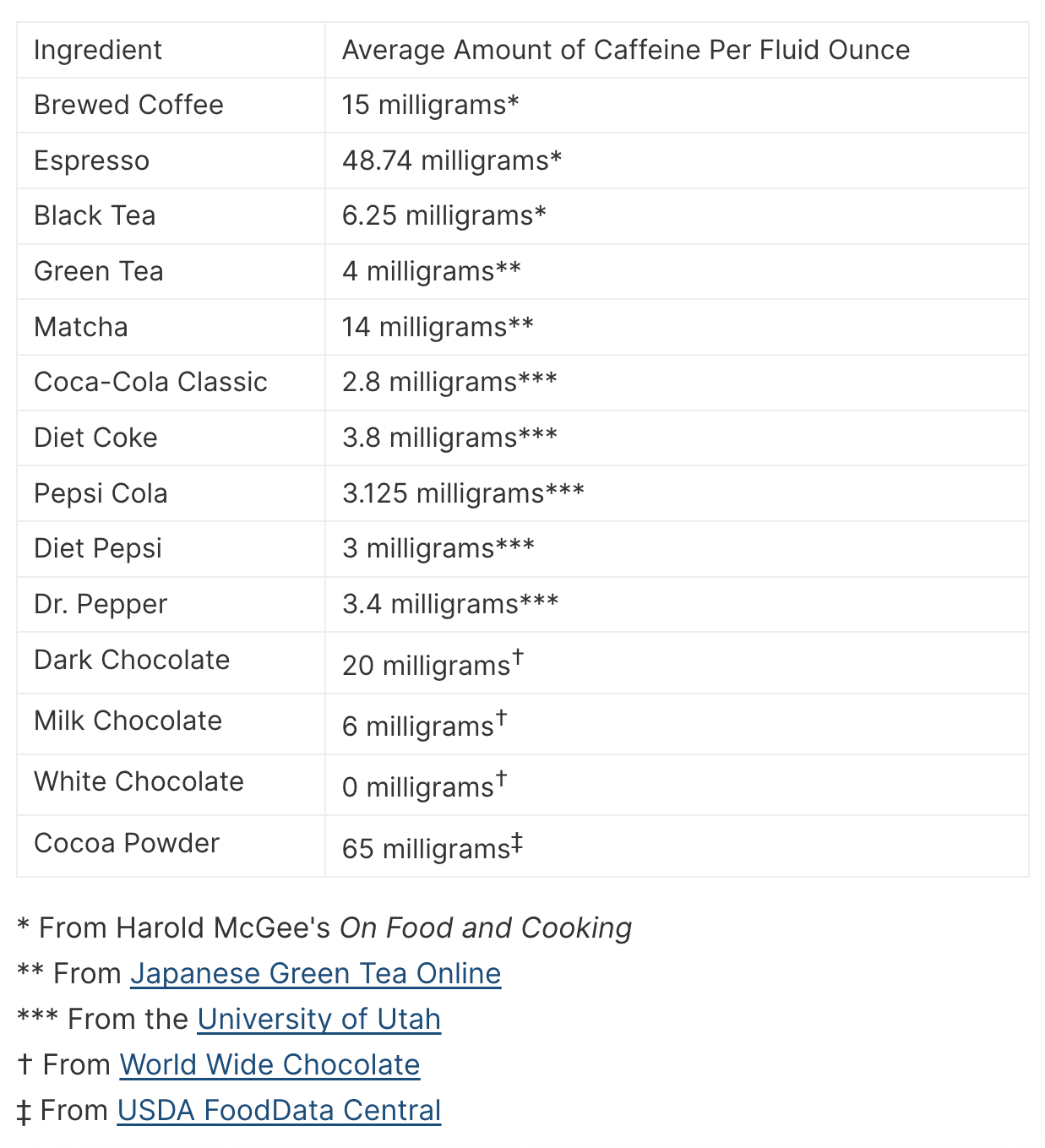
Coffee is one of the most popular beverages in the world, with more than 2.25 billion cups consumed every day. The beverage is made by brewing the roasted seeds of fruit from the coffea plant (also known as coffee beans) to produce caffeine, a stimulant that temporarily blocks receptors that cause us to feel tired and enables stimulants like dopamine to increase alertness and focus.
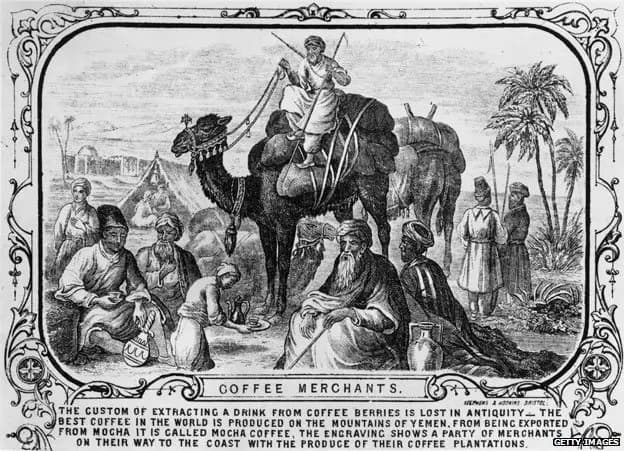
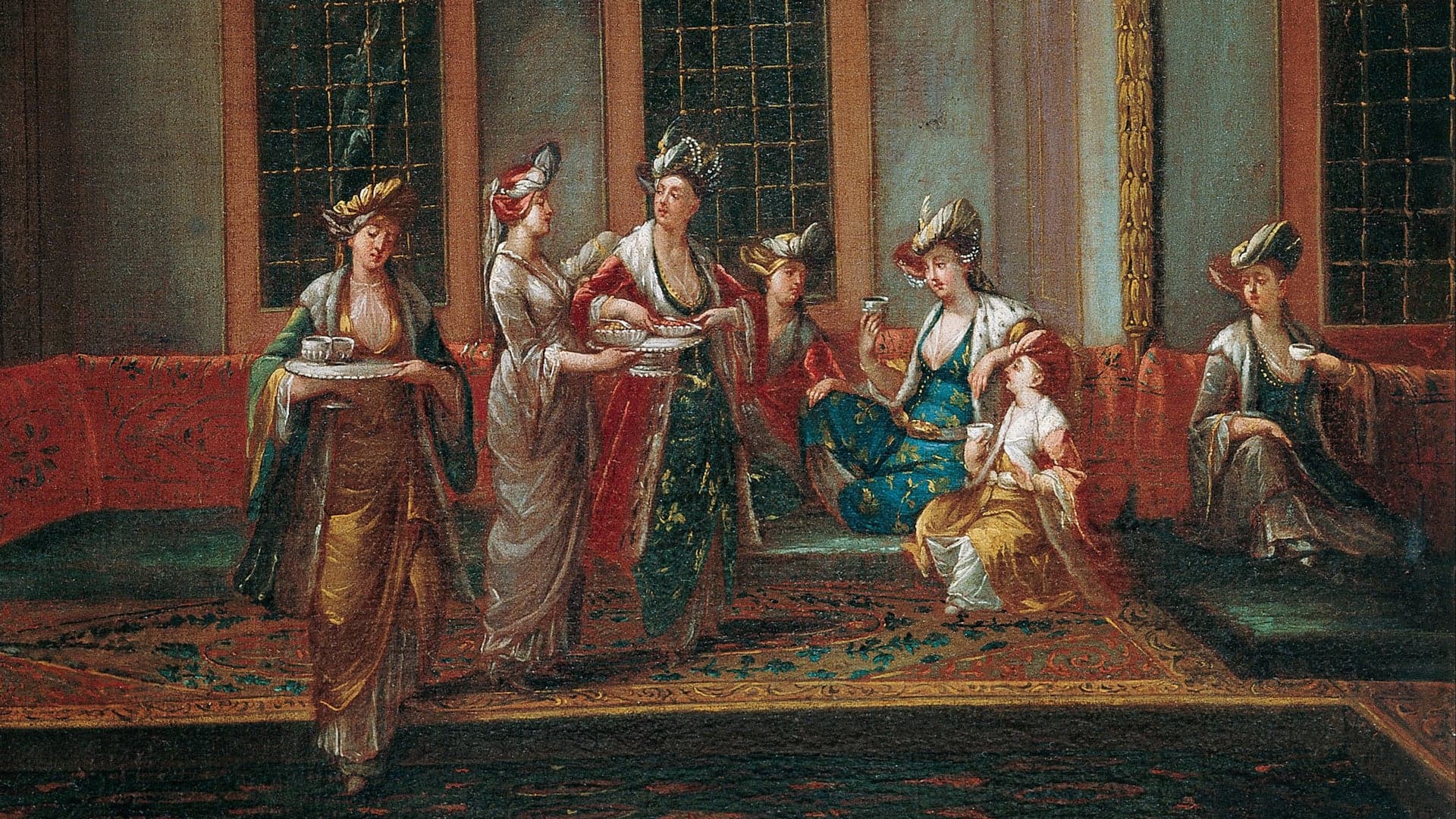
Coffee brewing likely originated in Ethiopia before spreading to the Arabian Peninsula through traders sometime in the 15th century, where it was first cultivated and used by Sufi mystics as a source of energy during lengthy, overnight religious rituals.
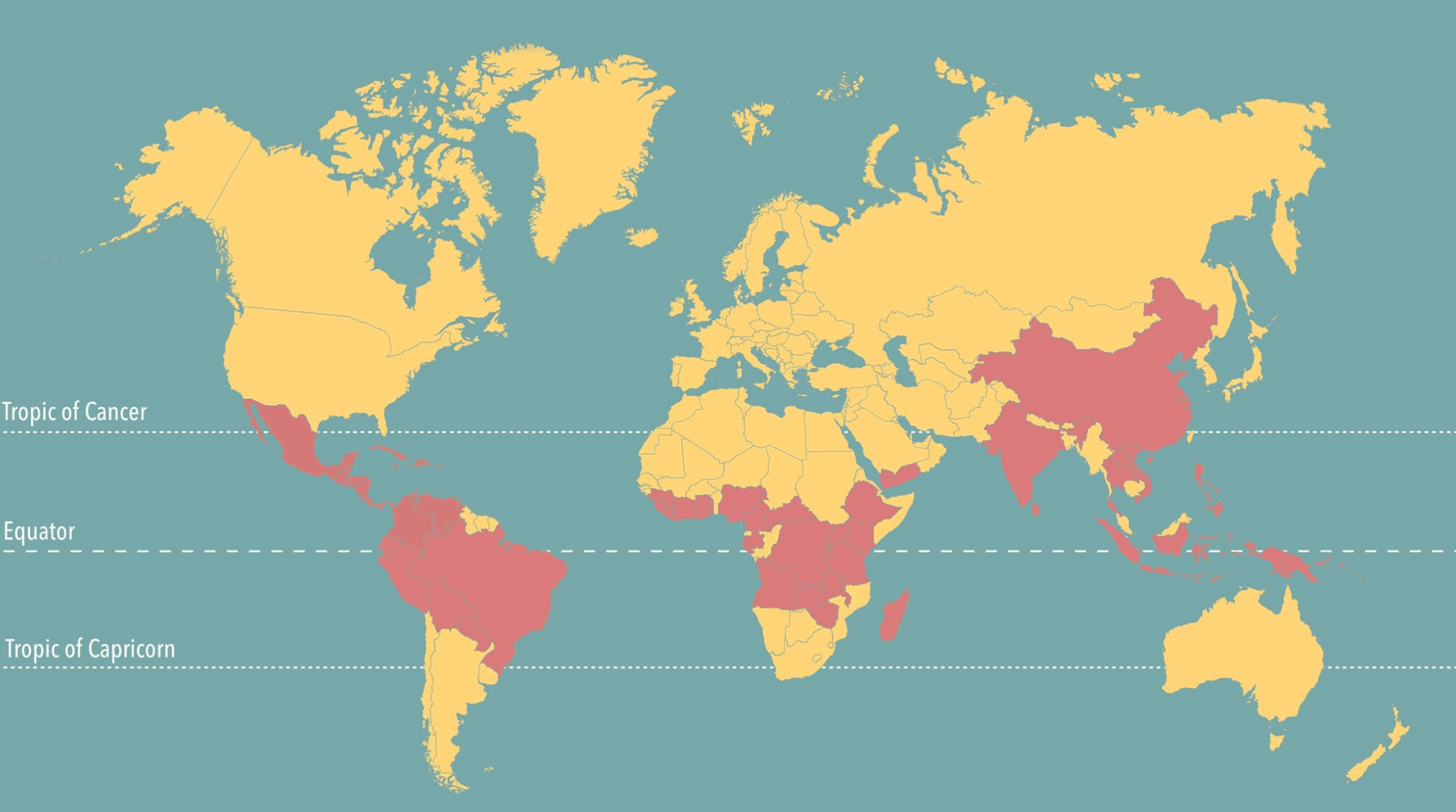
Coffee production in South America took off in the 1800s, with Brazil establishing itself as the largest global producer in the 1840s. Today, it grows more than one-third of the world's beans.
1440 Findings
Hours of research by our editors, distilled into minutes of clarity.








Explore Society & Culture
Take a deep dive into the topics shaping our shared norms, values, and institutions. Art, music, and sports. Literature, architecture, and TV. Film, food, and philosophy. If it defines who we are as a society or how we express ourselves as a culture, then we're exploring it here.
Featured Topics
- Barbecue
- Beat Generation
- Bob Dylan
- Broadway
- Bruce Springsteen
- Burning Man
- The Burrito
- Country Music
- Dystopian Literature
- Flannery O’Connor
- Frank Lloyd Wright
- Girl Groups
- Hip-Hop
- James Beard Awards
- Memes
- National Football League
- National Parks
- Netflix
- Opera
- Rock 'N' Roll
- Salvador Dalí
- 'Saturday Night Live'
- Shakespeare
- 'The Star-Spangled Banner'
- Steven Spielberg
- Title IX
- True Crime
- Vacationing
- Walt Whitman