Barbecue

Overview

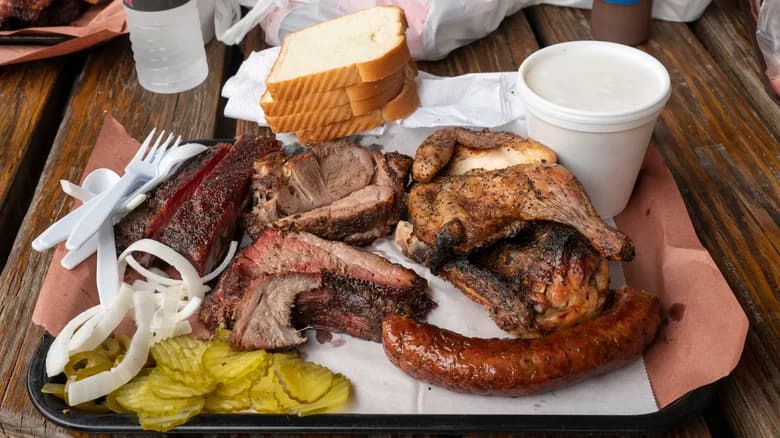
Barbecue is an umbrella term for several culinary methods that involve live fire or smoke to cook meat. It can involve direct or indirect heat techniques, with the exact method depending on the dish, the cook, and the cultural norm.

Resources

  • #International Styles

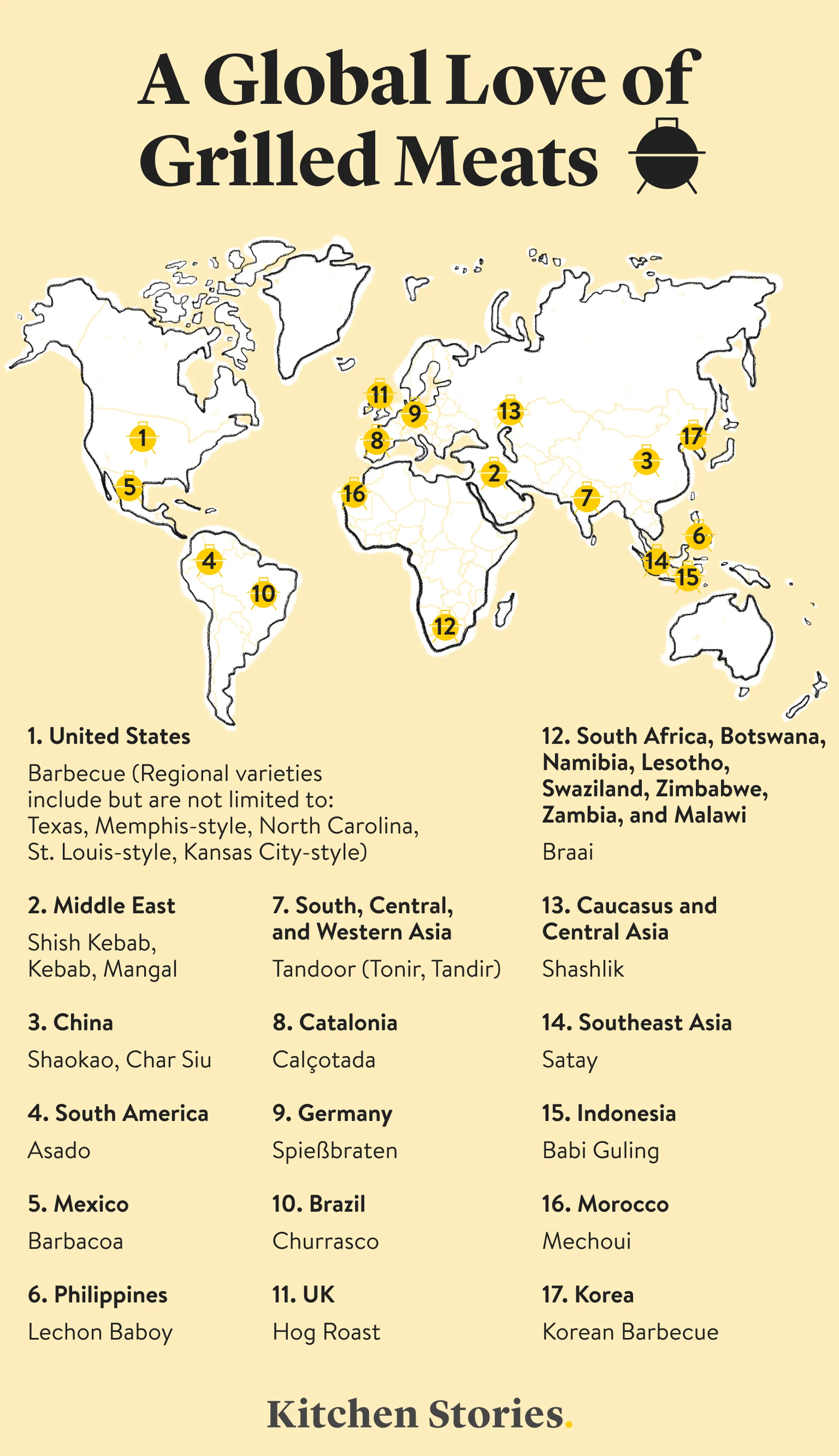
    Barbecue is a cooking style practiced across the globe

    How many ways are there to cook meat over a fire? Tons, it turns out. Every continent, barring Antarctica, has a local version (or versions) of barbecue. For instance, in Japan, it’s meat-laden skewers cooked over Japanese oak charcoal. Head down to Argentina, and you’ll find parillas—open-flame grills that impart a smoky char to the ingredients.

  • #International Styles

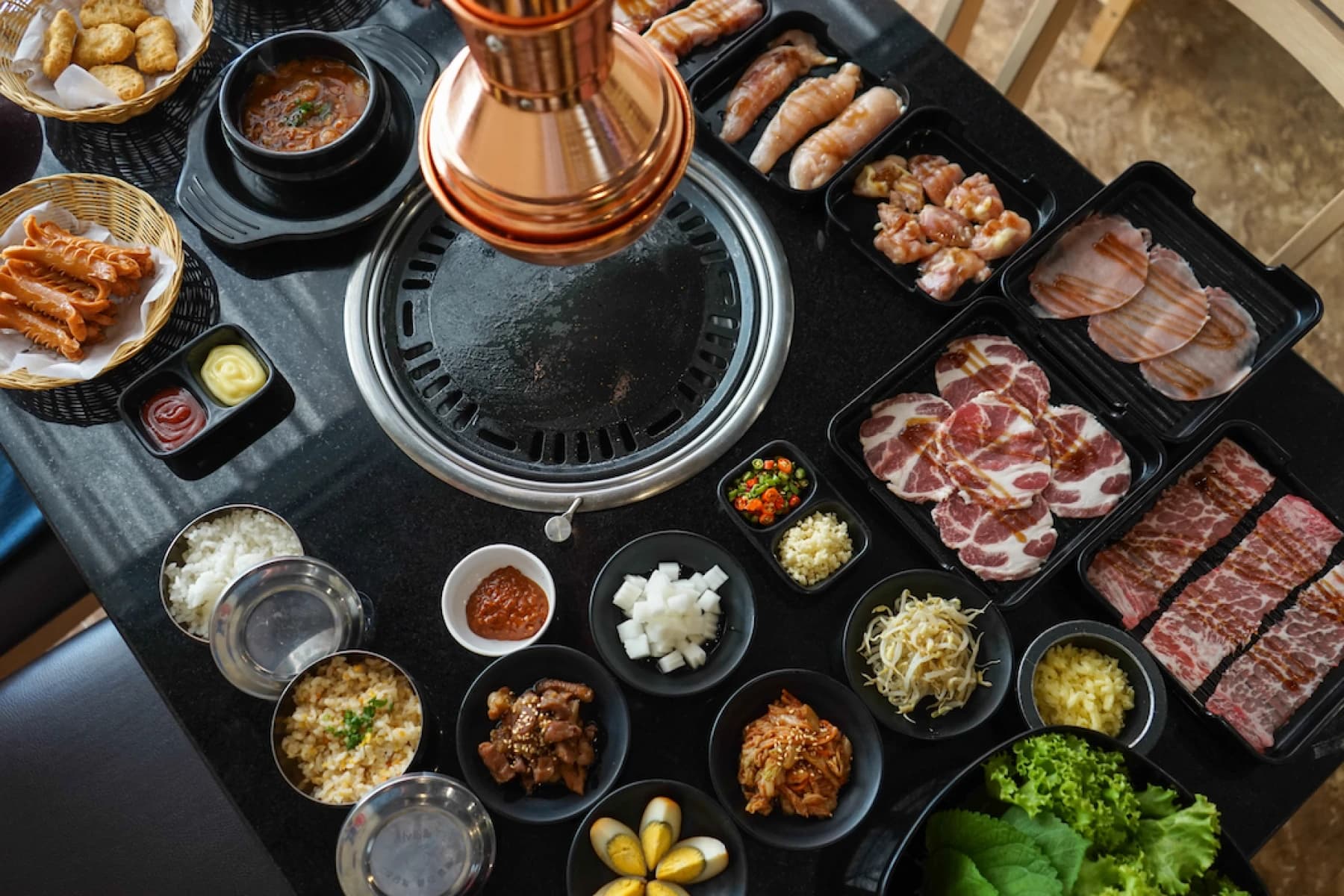
    Korean barbecue uses thin slices of marinated beef

    Korean food, and specifically Korean barbecue, jumped across the Pacific to become one of the fastest-growing international cuisines in the United States. In Korean restaurants, dishes like bulgogi (thin slices of marinated beef) are grilled at the table and accompanied by a wide variety of side dishes.

  • #How It Works

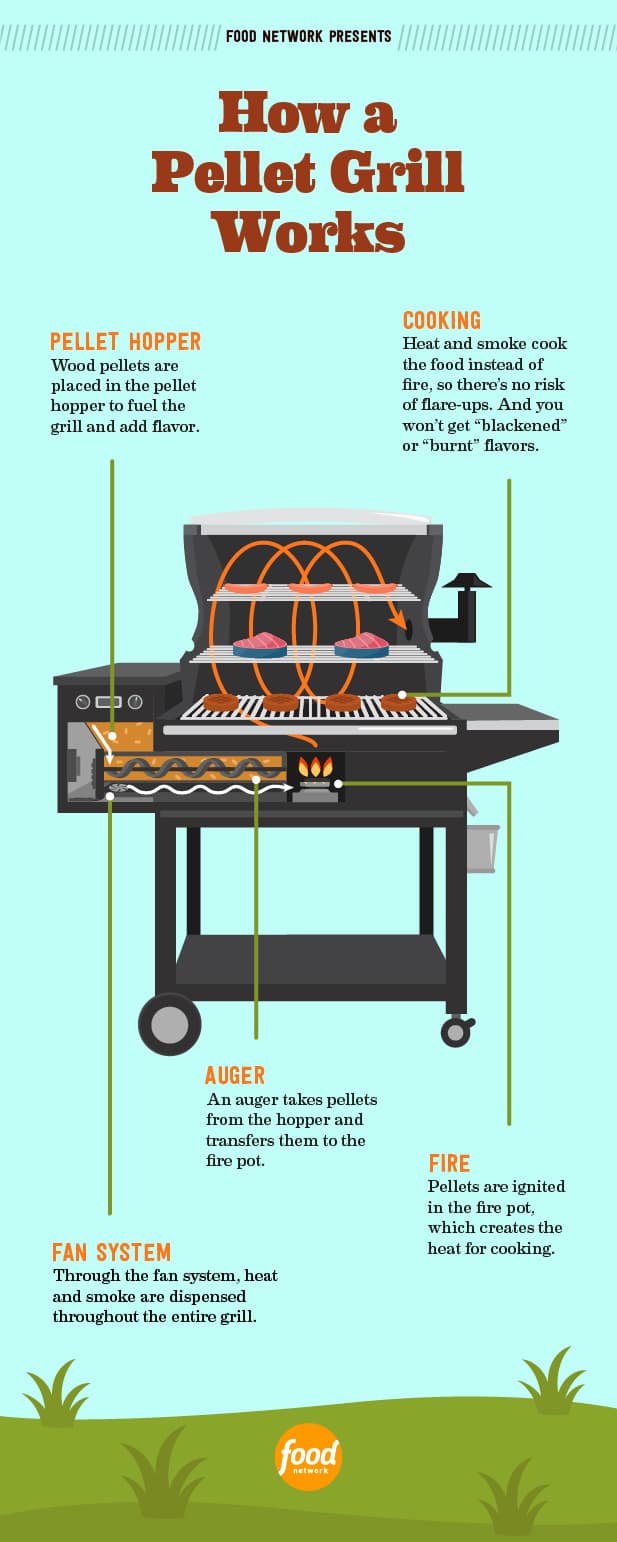
    Barbecue can be made with direct or indirect heat

    Direct heat, called “grilling” in the USA, involves quickly cooking ingredients directly over the heat source. It's usually used for hamburgers or Japanese yakitori skewers. Indirect heat, where the ingredients are placed adjacent to the flames to cook “low and slow,” is associated with American barbecue dishes like smoked brisket.

  • #American Styles

    Every regional American barbecue style, explored

    You've heard of Memphis-style barbecue, and may know the difference between Central and East Texas styles. But what about North Chicago barbecue versus South Chicago barbecue? Or Kentucky's preference for mutton? This lively video takes on every American barbecue style they could find, from Virginia to Hawai'i, in 15 minutes.

  • #American Styles

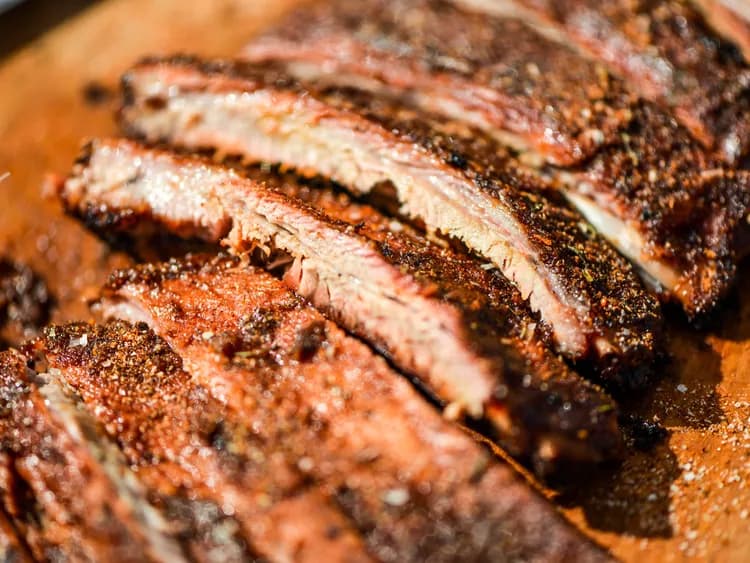
    Memphis-style barbecue emphasizes pork

    The cuisine's signature dish is dry-rubbed ribs. Before smoking, the meat gets a spice rub with paprika and chili powder. Some restaurants also offer their ribs “wet” (with sauce) or “muddy” (a mixture of sauce and rub).

  • #American Styles

    One food writer ranks the best barbecue in Texas every 4 years

    Barbecue is so big in Texas that Texas Monthly, one of the state's premier magazines, has its own barbecue editor. That man, Daniel Vaughn, is responsible for ranking the top 50 barbecue restaurants every four years. This short documentary profiles three of them, and shows what Vaughn considers when he's making his picks.

  • #American Styles

    Kansas City barbecue makes use of 'burnt ends'

    The Midwest city has its own delicious tradition, serving the double-smoked chunks of fatty brisket slathered in the region’s signature thick, sweet-and-spicy sauce.

  • #American Styles

    The South prefers the term 'cookout'

    A 2016 Eater poll showed that folks from the South generally prefer "cookout" to describe a backyard event centered around barbecued meat. In fact, that preference extends to much of the country, with 65% of Americans saying they prefer the term.

  • #History

    Kansas City is home to the first museum of barbecue

    America is home to several kinds of barbecue, leading one Kansas City food writer to open the world's first museum dedicated to the cuisine. The Museum of BBQ tells the story of the food's evolution through interactive exhibits, a sauce immersion room, and even a barbecue-themed playground.

Explore Society & Culture

Art, music, sports, entertainment, movies, and many other subjects—these elements define who we are as a society and how we express ourselves as a culture. Take a deep dive into the topics shaping our shared norms, values, institutions, and more.

View All Society & Culture