Back

Posted by

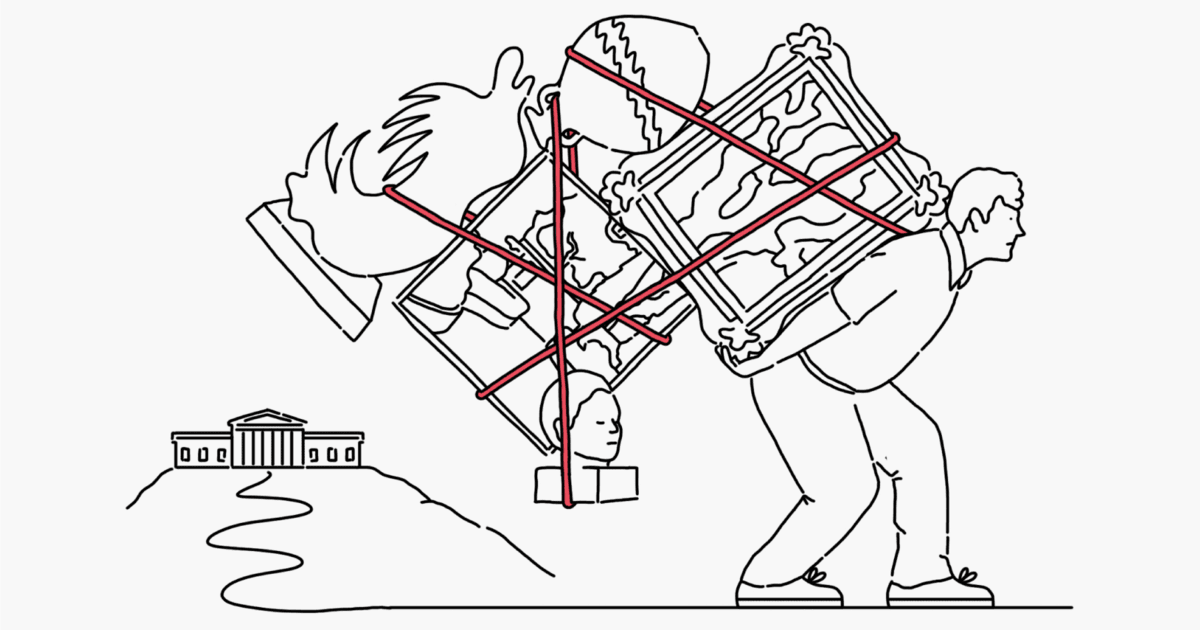
When a museum closes, it may need to sell or auction assets to pay off its debts, which can result in the breakup of valuable collections and the relocation of pieces to successor institutions and private collectors.
Findings

Additional insights we found via Artsy

  1. When a museum closes, its board must determine who owns the pieces in its collection, as they may be on loan or subject to restrictions, such as a prohibition on sale, particularly if the original owner has since died.

  2. After the closure of the Fresno Metropolitan Museum of Art and Science in 2010, over 3,200 pieces were auctioned or sold directly, with the museum's board of trustees having to balance paying creditors with the interests of various parties, such as a local tribe that purchased a set of Native American baskets.

  3. After the Higgins Armory Museum closed in 2013, the Worcester Art Museum was able to take on only a portion of the original collection, along with a $7.5M "dowry" to help cover the cost of creating the necessary gallery of arms and armor.

  4. In 2014, the Corcoran Gallery of Art donated many of its works to the National Gallery of Art and George Washington University took over the gallery's art school, breaking apart components of what was then Washington DC's oldest private art museum.

Similar Posts

Here’s what we found related to above. Click through to dive even deeper.

You've reached the end.