Romanticism
Overview
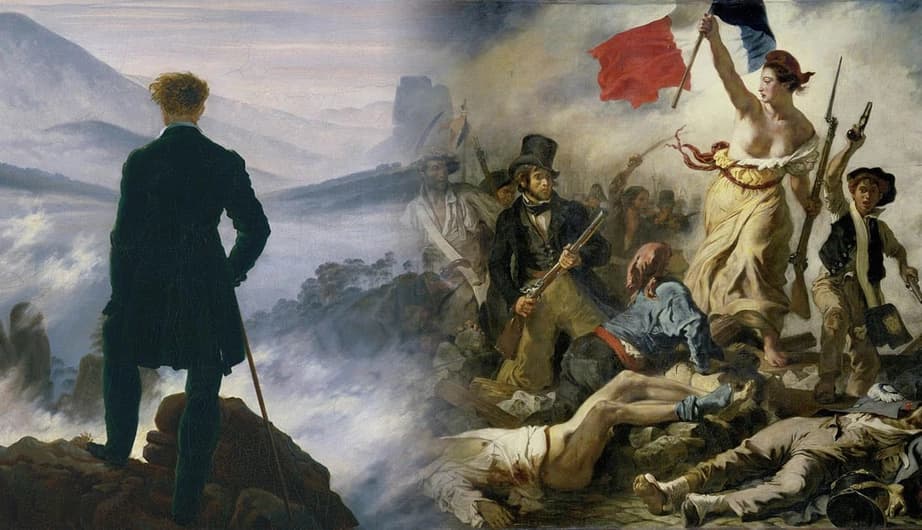
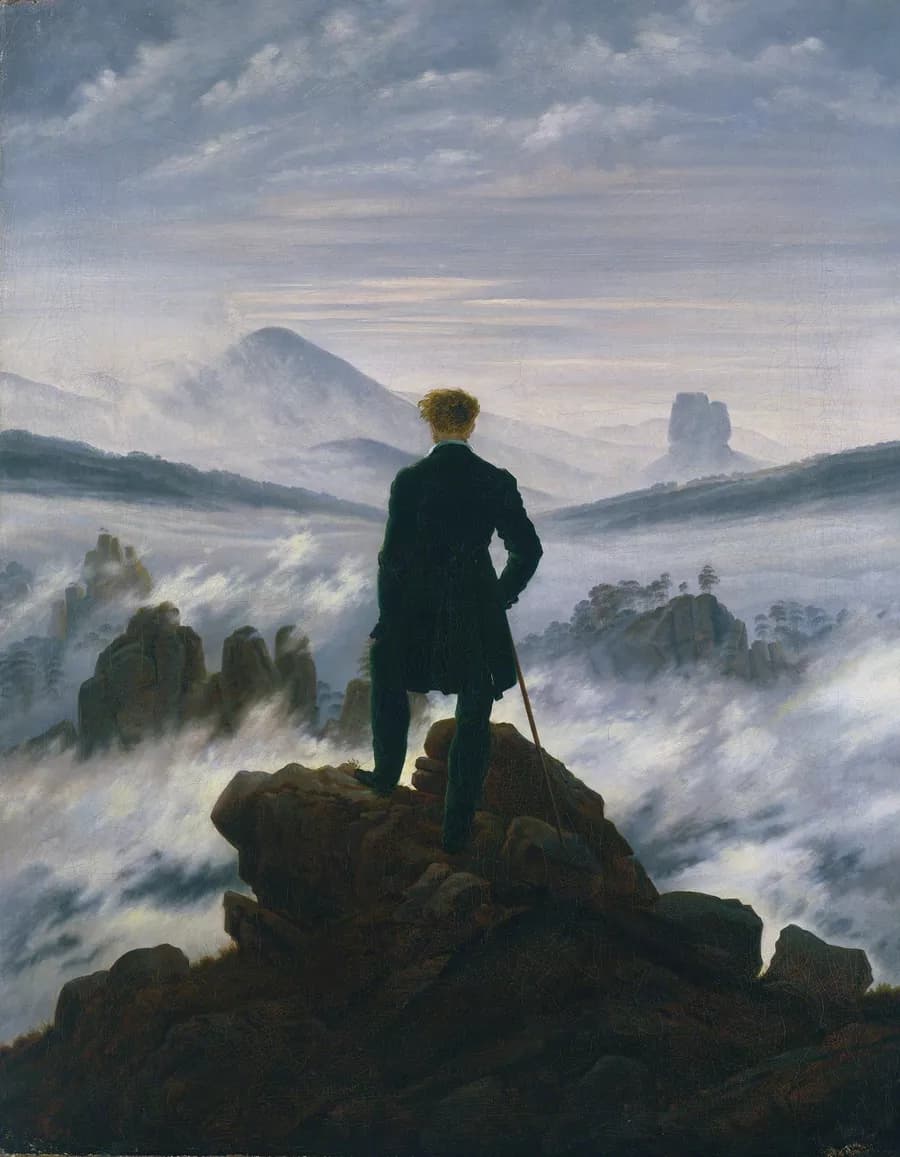
Romanticism is a creative movement that spanned literature, visual art, music, poetry, and architecture in the 18th and 19th centuries. Paintings by Eugène Delacroix and Caspar David Friedrich are among the movement's most well-known works, though writers and thinkers also contributed major works.
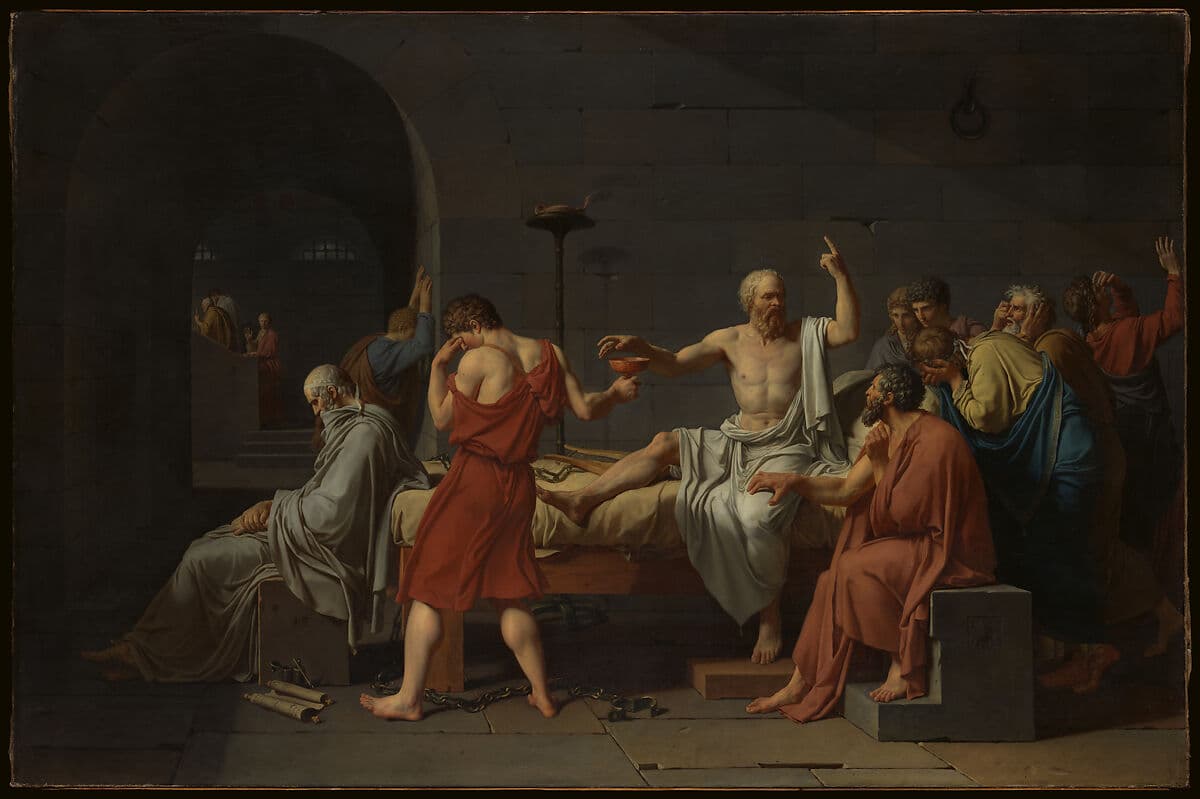
Romanticism encouraged the expression of emotion by exploring more complex areas of human psychology and using nonhuman subjects to embody intense feelings. The movement also centered on the artist's individual experiences rather than objective depictions of major historical events typical of neoclassical art.
The movement's emphasis on individualism and emotion redefined the role of the artist, and its ideas have endured or resurfaced throughout history in many disciplines. Romantic artists and their works became symbols of revolution, inspired other influential artists, and changed the landscape of art and literature.
1440 Findings
Hours of research by our editors, distilled into minutes of clarity.





Explore Society & Culture
Take a deep dive into the topics shaping our shared norms, values, and institutions. Art, music, and sports. Literature, architecture, and TV. Film, food, and philosophy. If it defines who we are as a society or how we express ourselves as a culture, then we're exploring it here.
Featured Topics
- Barbecue
- Beat Generation
- Bob Dylan
- Broadway
- Bruce Springsteen
- Burning Man
- The Burrito
- Country Music
- Dystopian Literature
- Flannery O’Connor
- Frank Lloyd Wright
- Girl Groups
- Hip-Hop
- James Beard Awards
- Memes
- National Football League
- National Parks
- Netflix
- Opera
- Rock 'N' Roll
- Salvador Dalí
- 'Saturday Night Live'
- Shakespeare
- 'The Star-Spangled Banner'
- Steven Spielberg
- Title IX
- True Crime
- Vacationing
- Walt Whitman