Space Tourism

1440 Findings

Hours of research by our editors, distilled into minutes of clarity.

  • Pinned

    The evolution of space tourism

    In 2001, a $20M ticket marked the start of space tourism. Since then, private companies have launched passengers beyond Earth—some briefly, others into orbit. This breakdown explores who’s flying, how much it costs, and why space travel is still far from an ordinary vacation.

    Video 1440 Original

    The evolution of space tourism

  • Why billionaires are racing to space

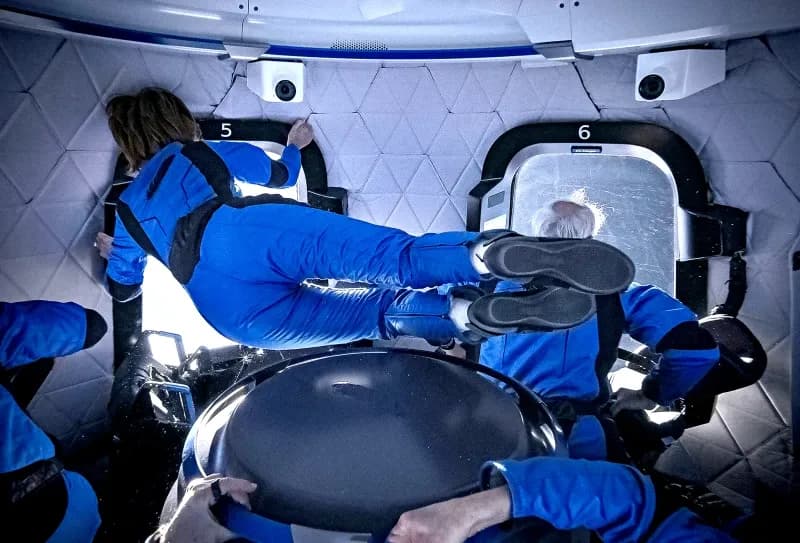
    Space isn’t just for astronauts anymore. For roughly $250K, a civilian can now ride a rocket to the edge of space—four minutes beyond the Kármán Line—before gliding gently back to Earth. The rocket? It lands itself. The tech? Funded by billionaires. Because this isn’t just a space race. It’s a race to shape the future of orbit, exploration, and who controls the skies above us.

    Video 1440 Original

    Why billionaires are racing to space

  • Paradigm-shifting in space: philosophy and the 'overview' effect

    Space philosopher Frank White has interviewed dozens of astronauts about their experiences, and one common theme stands out: a life-shifting perspective after viewing Earth from space. Identifying space tourism as one way to experience this "Overview Effect," White talks on NASA’s "Houston We Have a Podcast" about being inspired by Princeton physicist Gerard K. O'Neill's vision of a habitat in space for all people, not just scientists.

  • Voyager station: Earth’s first space hotel

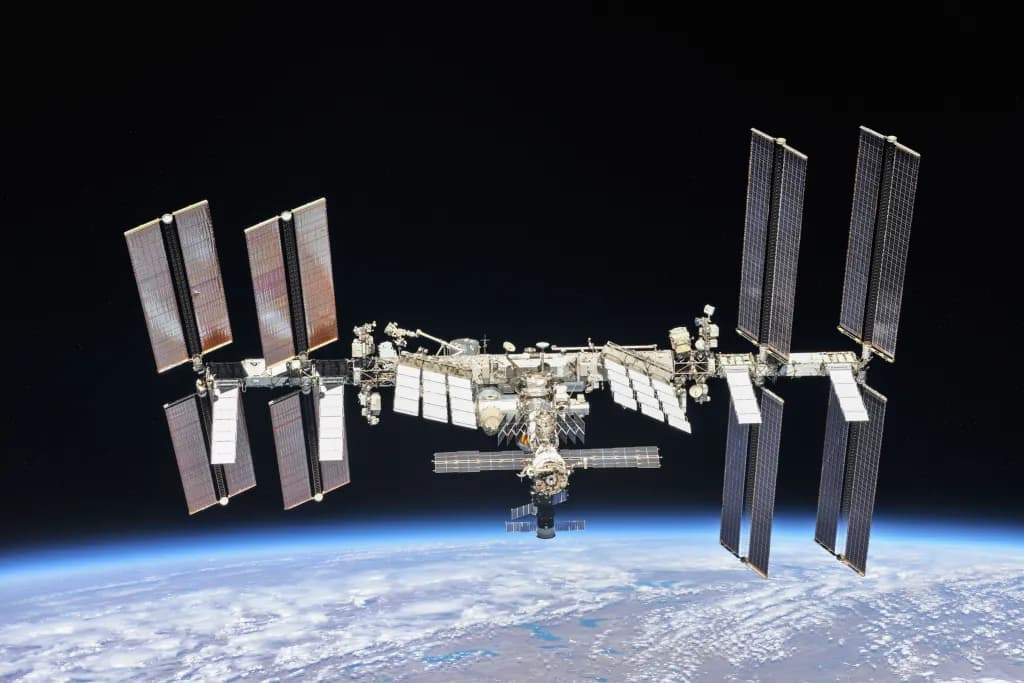
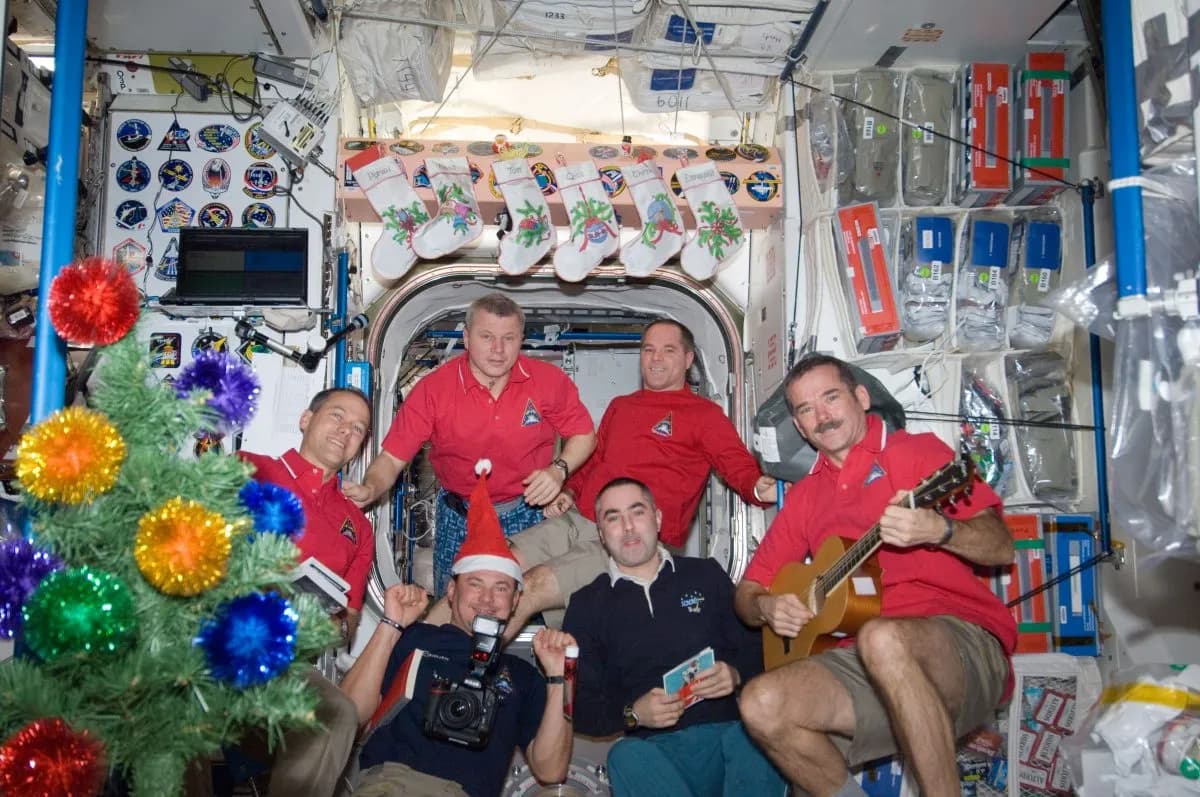
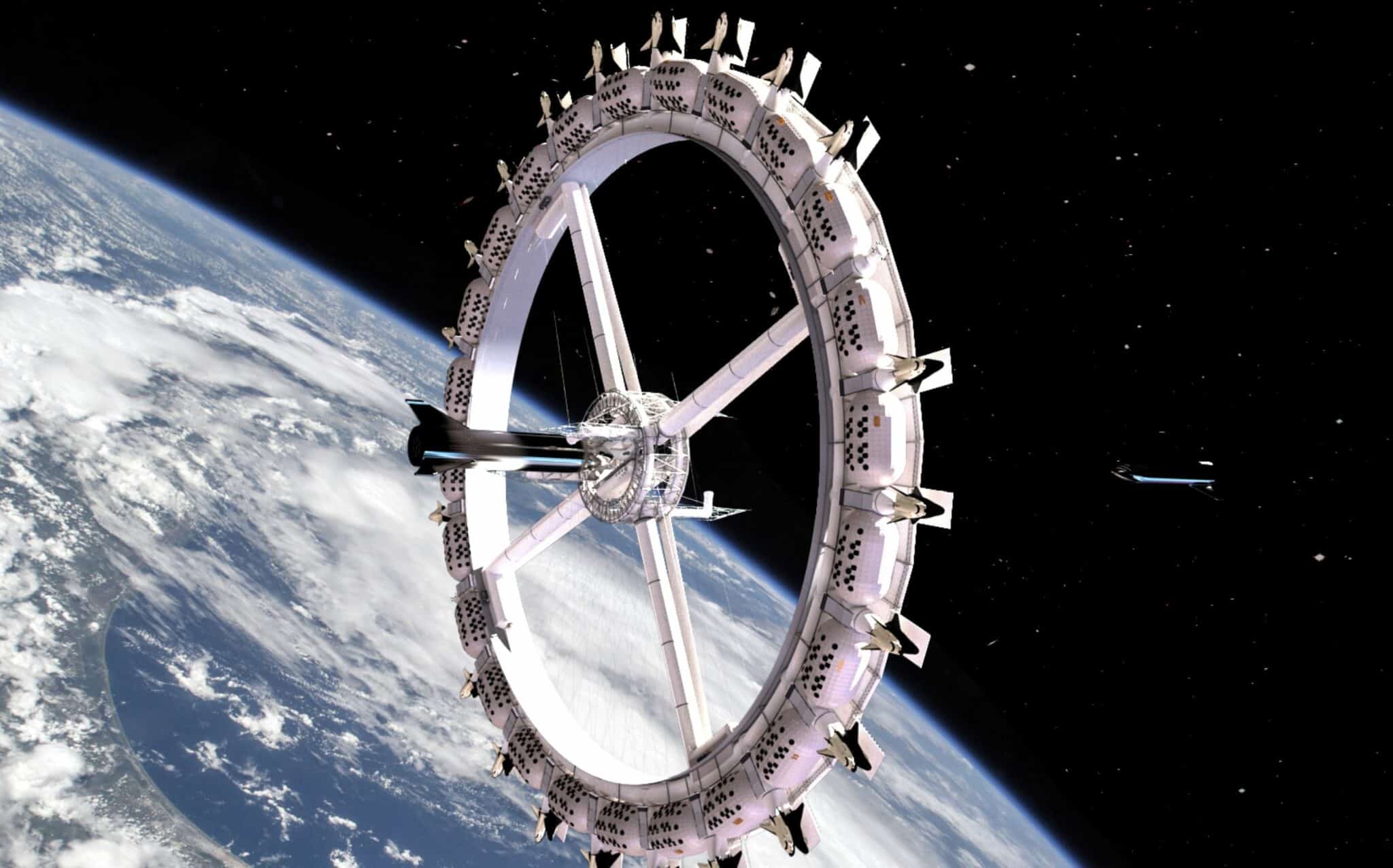
    While today’s orbital space stations can house a small number of astronauts and tourists in Low Earth Orbit, company Above Space has a more ambitious vision. Their plan for Voyager Station lists comfort as a top priority for an expected capacity of 400 guests. Find out how they plan to overcome the lack of gravity at Earth’s first anticipated space hotel, and the long list of amenities tourists can expect.

  • O’Neill cylinders: 20 miles of space habitat

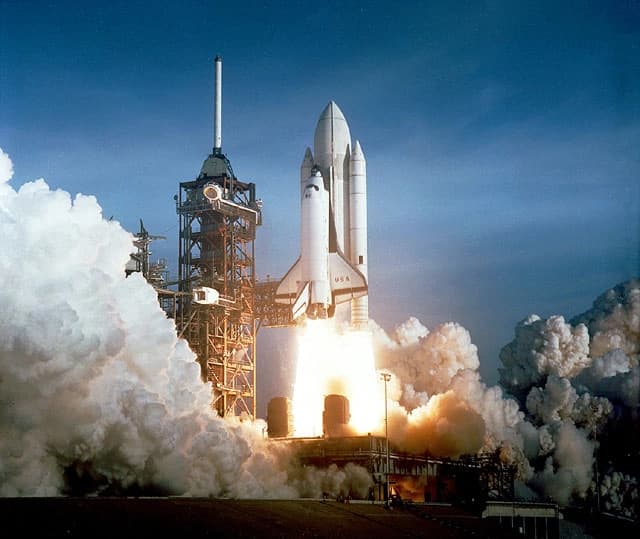
    Following NASA’s successful Apollo missions in the 1960s and 70s, ideas regarding the colonization of space gained popular attention. But for all the optimism, most ideas were either pure fantasy or fell short of mimicking the comfort of life on Earth. Enter 20-mile long O’Neill Cylinders. Check out paintings and detailed diagrams of Princeton physicist Gerard O’Neill’s 1974 vision of a better future for humanity in space.

  • Where does space begin?

    Sending an astronaut to space is a complex idea, even before asking: When do they get there? There’s no clear border between our blue blob and space, so how do we know someone has officially crossed the threshold between the two? This article breaks down the Karman line, the somewhat arbitrary divider between heaven and Earth.

  • The past, present, and future of space tourism

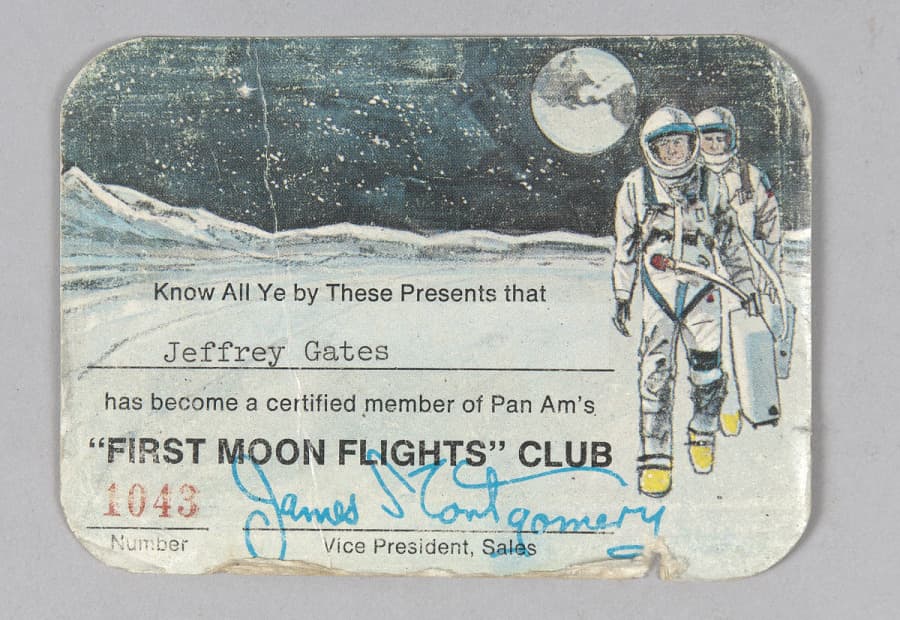
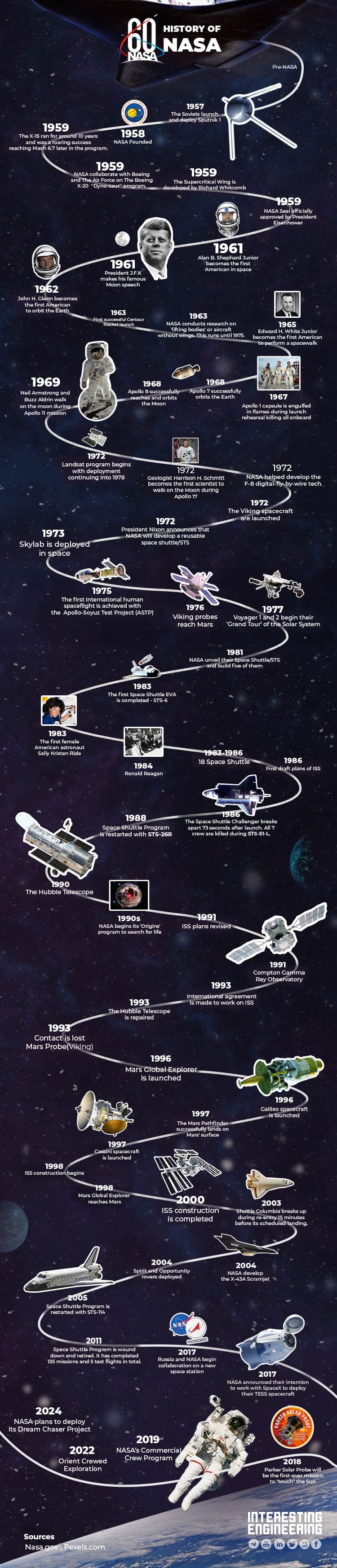
    The birth of space tourism can be traced back decades, enduring as an optimistic vision of the future even before the first humans landed on the moon. So how did we go from imagining the first commercial trips shuttling hundreds of regular citizens to the Moon in the 1960s to the first verified space tourist in 2001? Discover the past, present, and future of space tourism here.

  • SpaceX crew goes farthest into space since Apollo

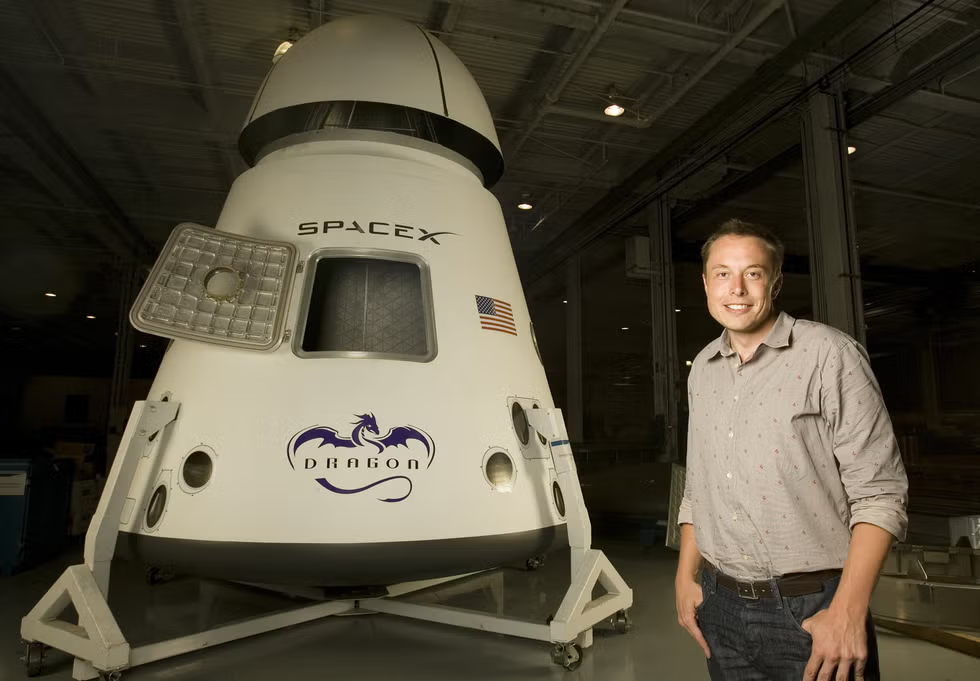
    SpaceX’s Crew Dragon capsule Resilience spent five days in Low Earth Orbit as part of the first of three planned missions under the name Polaris Dawn. From the cramped insides of the crew capsule to the vistas of Earth and open space beyond, this video follows the crew on their historic journey that took them farther away from our planet than anyone has been since the Apollo missions.

    Video

    SpaceX crew goes farthest into space since Apollo

  • The private space companies in a new space race

    Since the early 2020s, three major space tourism agencies have dominated the industry. However, they offer radically different experiences. This AFAR magazine article explains what separates Jeff Bezos’s Blue Origin, Richard Branson’s Virgin Galactic, and Elon Musk’s SpaceX. Complete with training regimens, price, and method, find out what it looks like to sign on for a trip of a lifetime with these agencies.

Explore Space

From roughly 60 miles above the Earth's surface to farther than light has traveled during the entire age of the universe, space has captured human imagination for millennia. Explore the final frontier with the best resources curated from across the internet.

View All Space