Overview

Yoga is a spiritual, mental, and physical practice that dates back to ancient India. Originally developed in ancient India as a diverse set of spiritual and physical practices aimed at achieving higher consciousness, yoga is now primarily associated with exercise and mindfulness. In India, however, it remains a spiritual practice, a significant form of healthcare, and an expression of the country’s soft power.

1440 Findings

Hours of research by our editors, distilled into minutes of clarity.

  • Traveling yogis spread the practice across the US

    After a 1923 Supreme Court decision ruled that Asians were ineligible for citizenship, many South Asian immigrants had relatively few job opportunities and began moving around the country teaching yoga and spirituality. At the time, yoga was viewed less as a physical practice and more as a mystical one, something many of the teachers embraced to attract students. South Asians regained the right to citizenship in 1946.

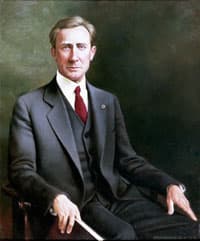
  • In 1927, Oklahoma’s governor was criticized for his associations with yoga

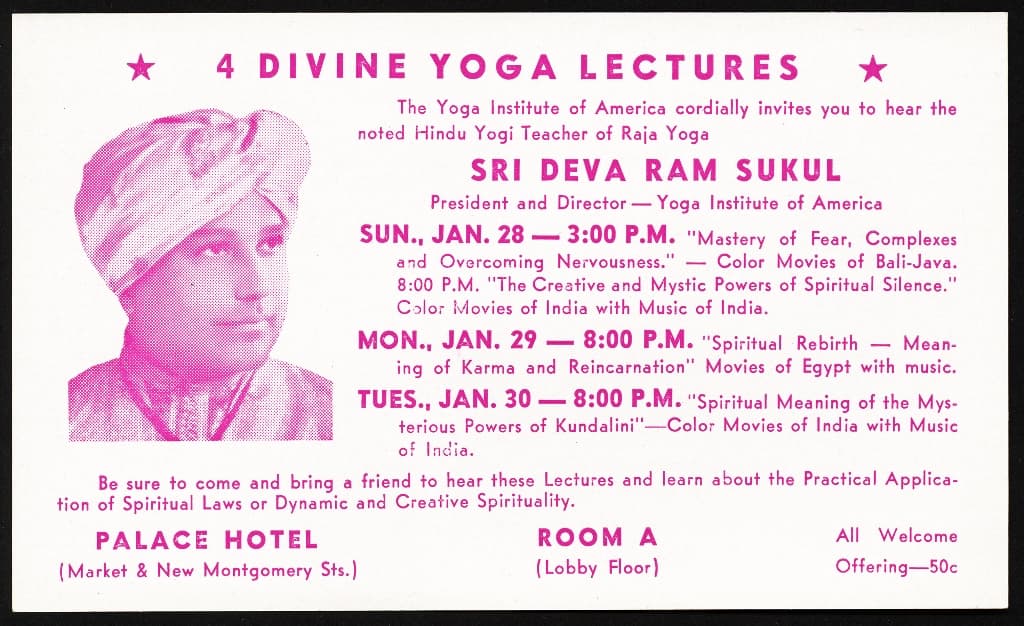
    Governor Henry Johnston was already dealing with criticism regarding his administration. When it was revealed that he'd attended a lecture on “Divine Yoga,” given by Deva Ram Sukul, a traveling guru, his opponents leaped at the opportunity to use Johnston's budding interest in non-Western traditions (and, in some cases, the occult) against him.

  • Richard Hittleman brought yoga to TV

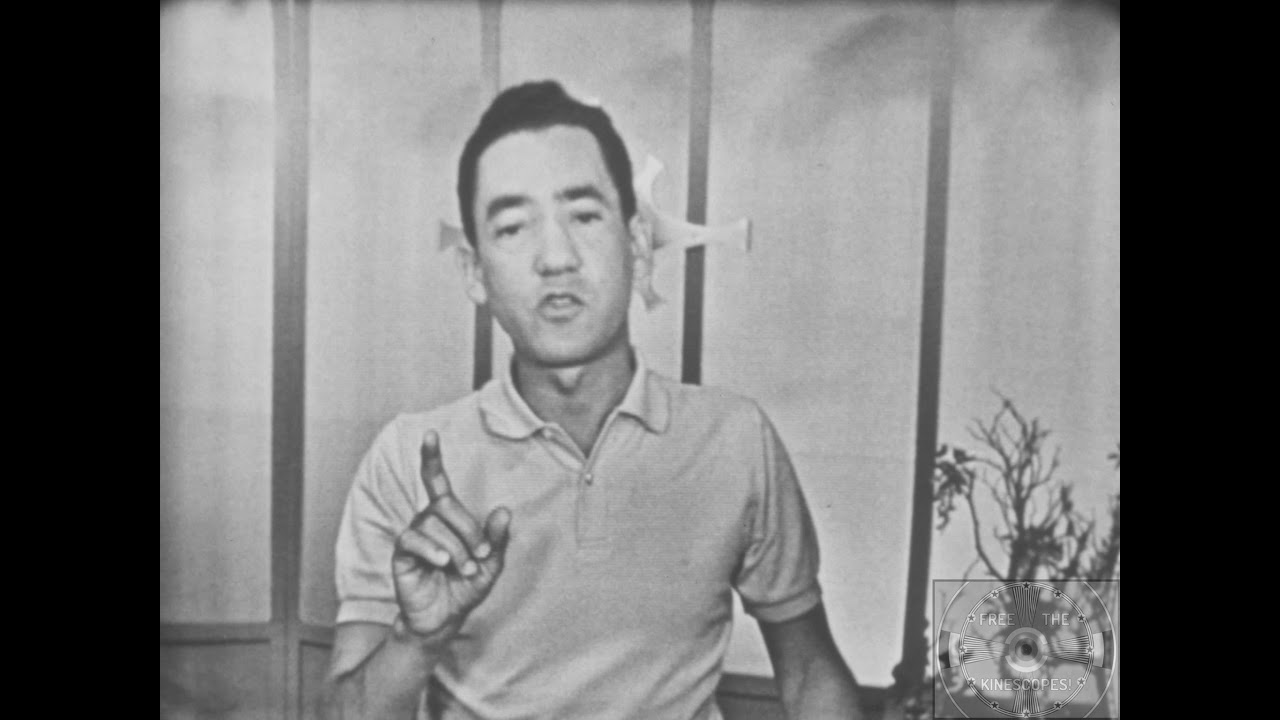
    “Yoga For Health” was a 1960s television show that sought to make yoga accessible for everyday Americans. Richard Hittleman, the show’s host, walked viewers through basic postures, introducing them to the practice’s therapeutic benefits. “We know that within us there’s great forces, and great power, and great beauty,” he says in this 1961 episode, “and the idea is to bring it out.”

    Yoga For Health, Episode 49 (KTTV, 1961)
    Video

    Yoga For Health, Episode 49 (KTTV, 1961)

  • BKS Iyengar emphasized yoga's physical aspect

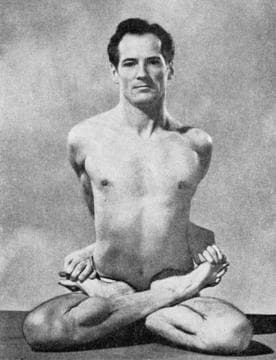
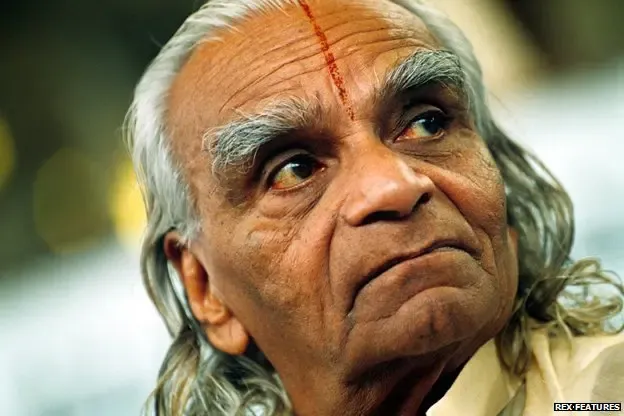
    The guru’s 1966 book “Light On Yoga” included detailed instructions for over 200 postures, presenting a version of yoga that emphasized it as a form of exercise with controlled breathing, believing that its physicality was the key to unlocking its spirituality. The book was the first mass-market manual to show the poses, furthering the Western impression that yoga was primarily about exercise.

  • The Beatles’ visit with Maharishi Mahesh Yogi helped inspire Western interest in Eastern spirituality

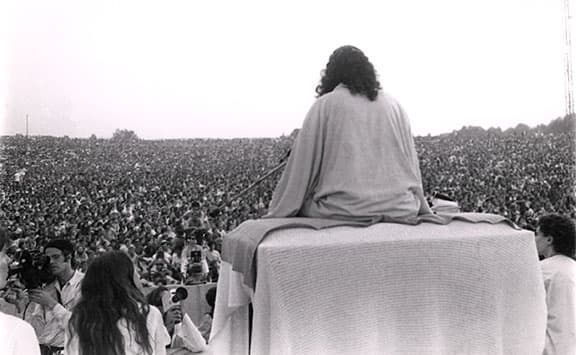
    The Fab Four met with the guru—the creator of Transcendental Meditation—in 1968 in Rishikesh, India. The band’s George Harrison and his wife had been interested in Indian culture for several years, but the meeting with Maharishi signified a meeting of Western popular culture with Eastern spirituality that would inspire the rising hippie movement.

    Rishikesh - Beatles With The Maharishi (1968)
    Video

    Rishikesh - Beatles With The Maharishi (1968)

  • Bikram Choudhury's abuse dismantled his yoga empire

    The guru popularized a form of hot yoga that followed a 26-point script. In the process, he became incredibly wealthy and ostentatious. In the early 2010s, formal accusations against him began, ranging from harassment to rape. He fled the US in 2017 to avoid paying his former lawyer a sexual harassment settlement. In the US, the "Bikram yoga" style has been divorced from its namesake but is still practiced, often as "hot yoga." Bikram still teaches yoga outside the country.

Next page

Explore Society & Culture

Art, music, sports, entertainment, movies, and many other subjects—these elements define who we are as a society and how we express ourselves as a culture. Take a deep dive into the topics shaping our shared norms, values, institutions, and more.

View All Society & Culture