Venture Capital
Overview
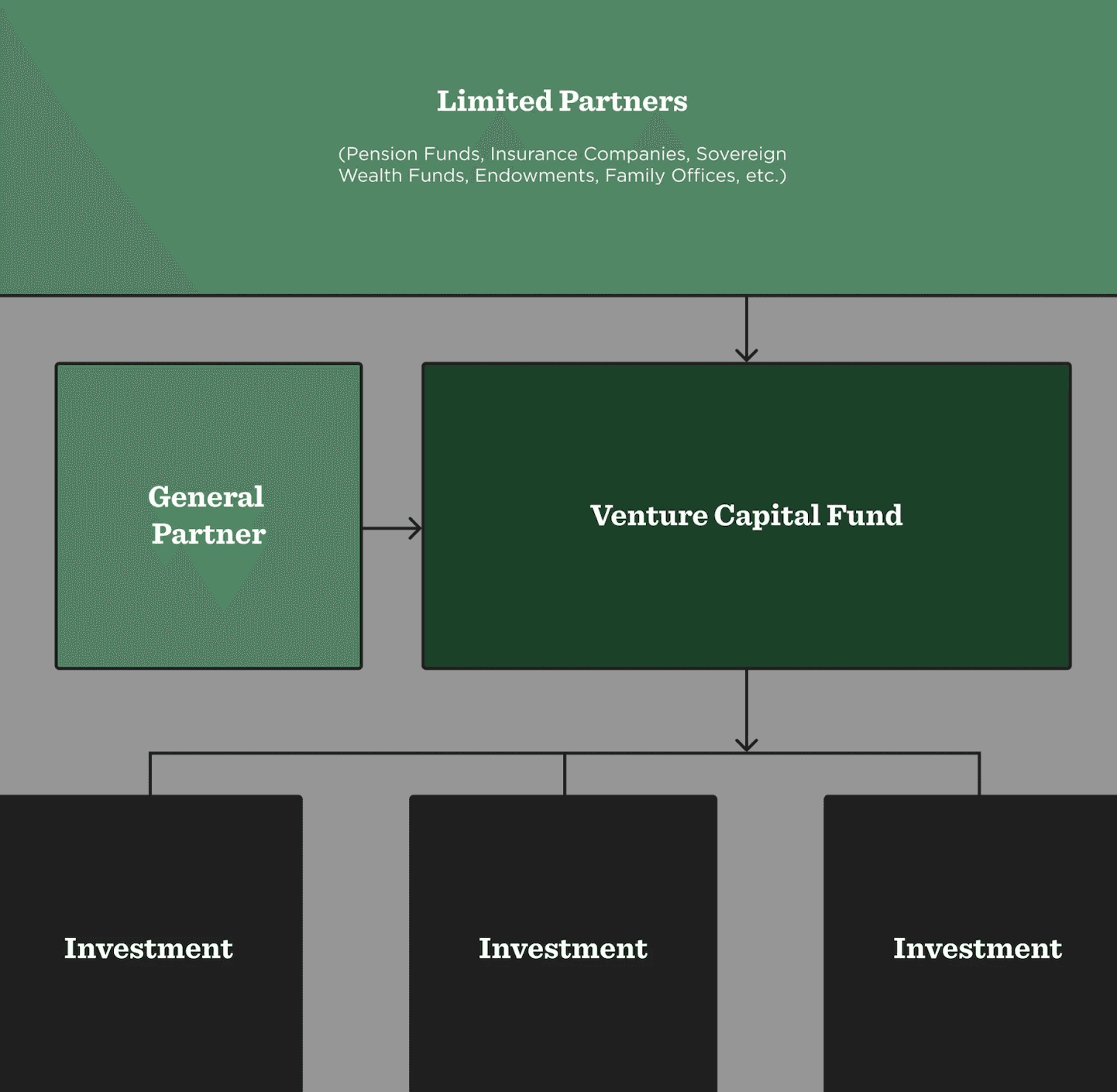
Venture capital is a form of investment that firms use to invest in startups and other emerging organizations with high growth potential. In other words, VC firms bet on companies with hopes that they’ll grow into larger corporate powerhouses.
Venture capital firms like Andreessen Horowitz, Sequoia Capital, and Kleiner Perkins are best known for helping fund some of the buzziest business movements of our time, from the cryptocurrency boom to the current AI craze. In 2023, US VC investments totaled roughly $170B, falling significantly from the roughly $242B invested in 2022.
These investments are considered highly risky. Roughly 75% of VC-backed companies will fail. That means the other portfolio companies need to provide significant returns to make up for all the companies that don’t yield returns.
1440 Findings
Hours of research by our editors, distilled into minutes of clarity.



Explore Business & Finance
The United States is home to more than 33 million businesses, the vast majority of which are small businesses, with millions being created (and others closing shop) every year. These businesses often rely on loans, provide the goods and services that keep the economy flowing, and sometimes even grow large enough to enter public markets or provide private investment opportunities. Explore key topics central to business and finance, from the role of the Federal Reserve to how initial public offerings work, how millions of American students finance higher education, and more.
Featured Topics
- 401(k)
- Amazon
- Bankruptcy
- Bitcoin
- Bonds
- Capital Gains
- College Tuition
- Consulting
- Creator Economy
- Credit Unions
- Federal Reserve
- Gig Economy
- Individual retirement accounts
- Inflation
- Initial Public Offerings
- Investment Banking
- Labor Unions
- Life Insurance
- Macy’s
- Minimum Wage
- Mutual Funds
- OpenAI
- Startups
- Stock Market
- Student Debt
- US Currency
- Venture Capital
- Wall Street
- Warren Buffett
- Y Combinator