The Novel

Overview

The novel is a literary form that features an extended, fictional prose narrative that typically runs at least 40,000 words. Fans of the novel argue that it is the epitome of literary expression because its unique form allows for empathy in a way that other genres and media do not.

1440 Findings

Hours of research by our editors, distilled into minutes of clarity.

  • Young readers are increasingly interested in graphic novels

    Sales for the form, which relies on illustration as much as text but otherwise follows the form of the novel, are up 69% among young school-aged children. The genre has many sophisticated, intellectual, and critically-acclaimed titles, though it's sometimes derided as a less serious form of literature. Still, studies find that young children who read graphic novels and comics report higher levels of affinity for reading.

  • The 21st-century novel is increasingly autofictional

    Although autofiction, a literary genre blending autobiography and fiction, has been around for millennia, it has become a popular mode in the 21st century. This extensive study of the genre—which analyzes works by Megan Boyle, Tao Lin, and others—argues that the form has become more prevalent because it mirrors the defining technology of the times: social media.

  • Is streaming the new novel?

    Ever since the rise of “prestige television” in the early 2000s, critics and viewers alike have argued that TV has replaced the novel by becoming the most significant storytelling medium, citing the cultural importance of shows like “The Sopranos,” “The Wire,” and “Succession.” This essay notes that streaming has strengthened that argument, turning episodes into chapters, and explains why this has been bad for storytelling in both forms.

  • Kurt Vonnegut sought to invert the 'shapes of stories'

    Kurt Vonnegut is among the most popular postmodernists, renowned for his humor and willingness to move between genres. This clip from a lecture on narrative is a perfect example of those tendencies, with Vonnegut diagramming typical story structures only to mock their predictability. It’s not only an enlightening look at the way stories are told—it’s also just good comedy.

  • Why Percival Everett decided to reimagine ‘Adventures of Huckleberry Finn’

    Percival Everett’s novel “James”—a retelling of Mark Twain’s “Adventures of Huckleberry Finn” by Jim, an escaped slave—was one of the most acclaimed books of 2024. In this interview, Everett explains why he decided to rework the classic American novel and why he felt it was necessary to infuse his own with a different voice.

  • Virginia Woolf admired 'The Tale of Genji'

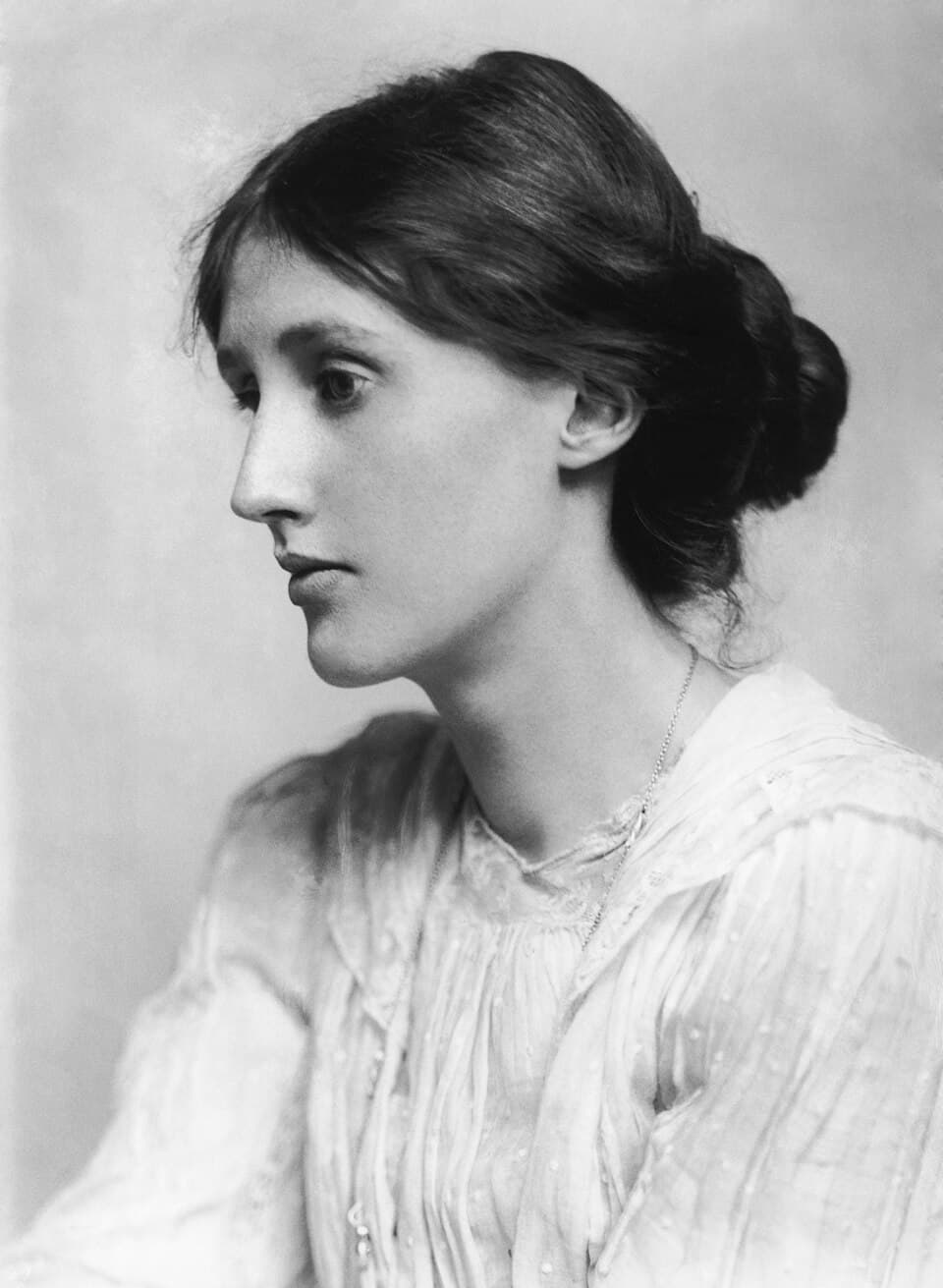
    Widely considered one of the defining voices of modernist literature, Virginia Woolf was known for her experiments with stream-of-consciousness narration, nonlinear storytelling, and psychologically complex characters. In a 1925 essay about Murasaki Shikibu’s “The Tale of Genji,” largely considered the world’s first novel, Woolf explains how Shikibu’s style captures the intricacies of living in ways only the novel can.

Next page

Explore Society & Culture

Art, music, sports, entertainment, movies, and many other subjects—these elements define who we are as a society and how we express ourselves as a culture. Take a deep dive into the topics shaping our shared norms, values, institutions, and more.

View All Society & Culture