The Novel

Overview

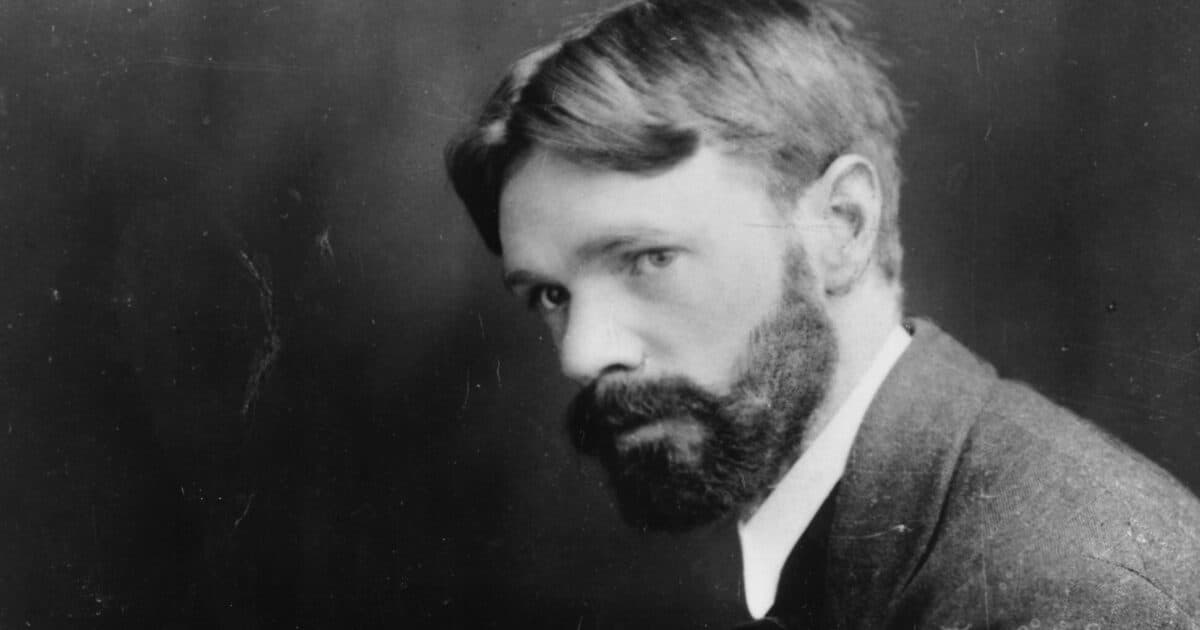
The novel is a literary form that features an extended, fictional prose narrative that typically runs at least 40,000 words. Fans of the novel argue that it is the epitome of literary expression because its unique form allows for empathy in a way that other genres and media do not.

1440 Findings

Hours of research by our editors, distilled into minutes of clarity.

  • Joyce's 'Ulysses' is among modernism's most famous novels

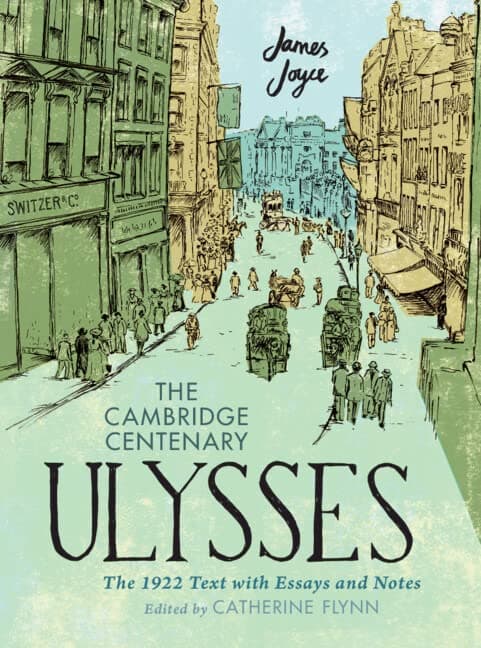
    James Joyce’s 1922 epic, “Ulysses,” might be the most intimidating of the modernist movement's many famous novels. It’s a lengthy tome and incredibly dense, written in a stream-of-consciousness style that many readers find impenetrable. Others, however, find it transcendent. This travelogue was written by a reporter traveling to Dublin for Bloomsday, the annual holiday celebrating the novel, who wants to understand why so many people are so drawn to something so esoteric.
  • Circulating libraries helped the novel's popularity surge

    As literacy rates began to rise in the 19th century, so did the demand for reading materials. The only problem? Newspapers and books weren’t cheap, and newly literate middle-class families struggled to afford literature. That changed when booksellers began offering small fees for patrons who decided to borrow rather than purchase books. This was eventually called a circulating library, an innovation that would satisfy the burgeoning readership of novels and increase literacy rates further.

  • Classifying the 'first novel' is tricky

    The question of what counts as the “first novel” doesn’t have a simple answer. This explainer looks at early contenders—from ancient Roman satire to Japan’s "Tale of Genji"—and how different cultures shaped the rise of long-form fiction.

    Video

    The first novel in history

  • Critics are still debating 'the great American novel'

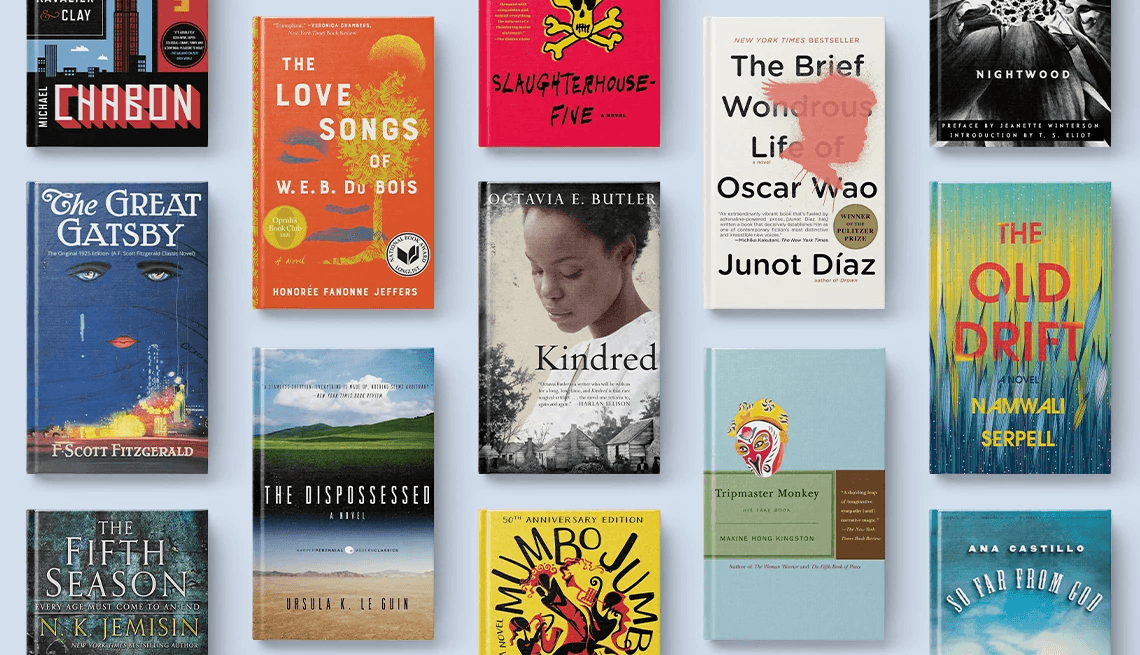
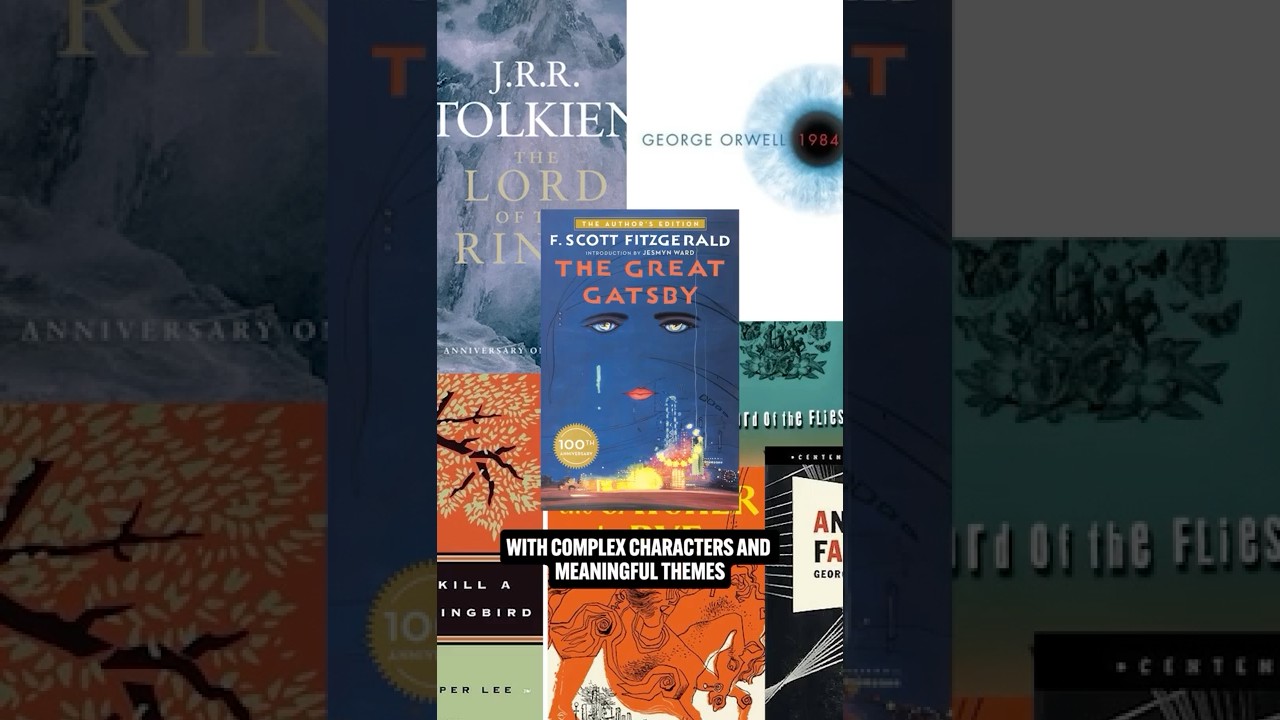
    The title has been bandied about since the 19th century, though its definition has only become more debated as time goes on. This list catalogs some of the texts critics have argued deserve the crown (like "The Great Gatsby," "To Kill a Mockingbird," and "Invisible Man") and, helpfully, includes those critics’ rationales. Think of it as your new “to read” list—or maybe just something to argue about at your next family gathering.

  • The novel broke new ground by offering realistic stories

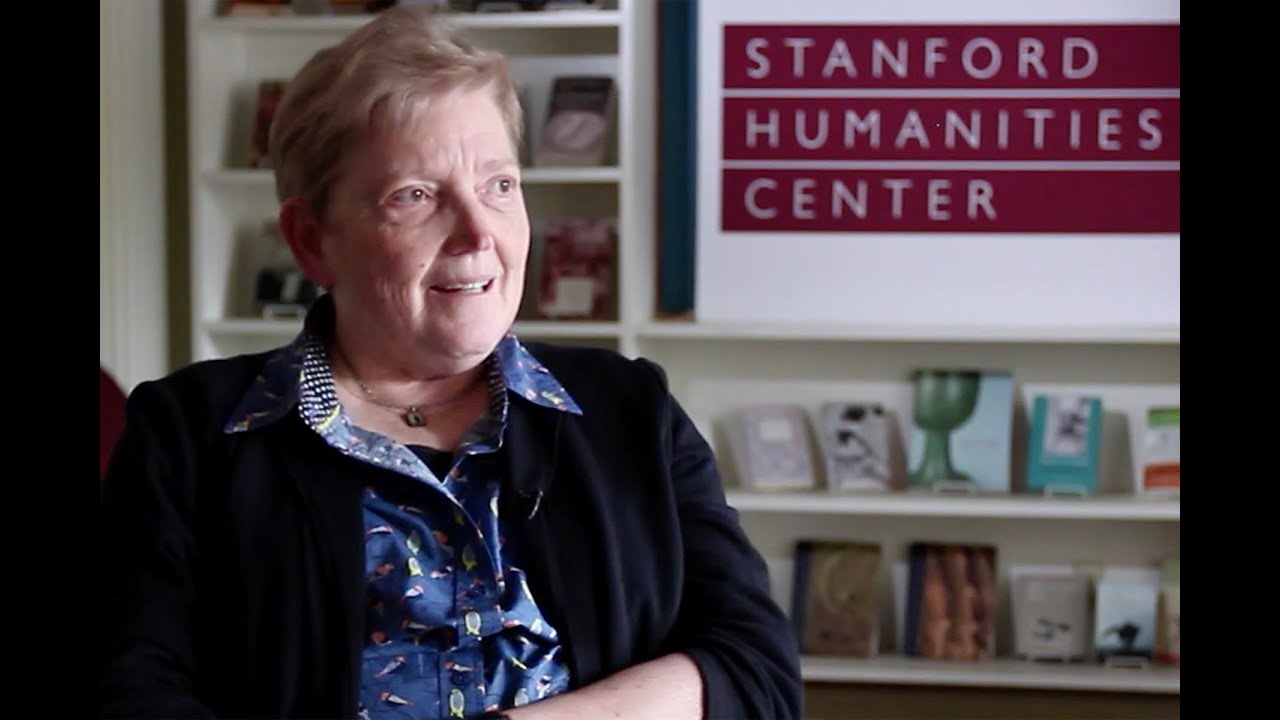
    In this brief interview, Terry Castle, an English professor at Stanford, explains the origins of the early British novel. Castle details how the novel was produced for a newly literate middle class interested in recognizable characters and stories “about life as they knew it” rather than Greek and Roman myths or medieval romances. She also explains why a newly enfranchised female demographic was attracted to the fiction of writers like Jane Austen and Virginia Woolf.

    Video

    A Stanford professor explains the origins of the novel

  • ‘Frankenstein’ is a classic horror novel

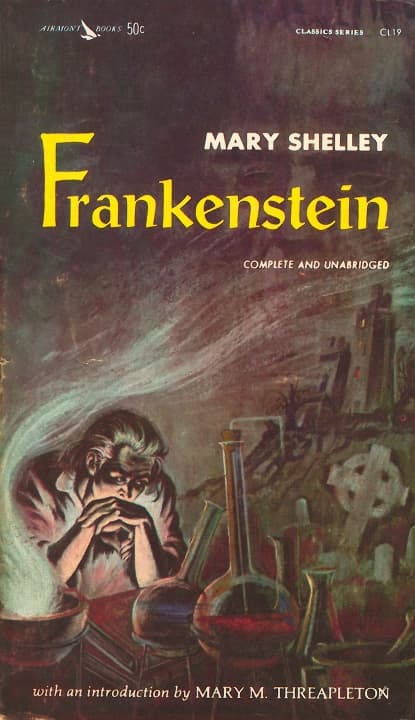
    Few novels have been as influential as Mary Shelley’s “Frankenstein.” The 1818 novel is considered the first science fiction novel and a cornerstone of the horror genre. The text has also been widely adapted for the screen and is responsible for at least two major archetypes: the creature and the mad scientist.

  • The 100 best Pulitzer-winning books

    No ranking is definitive, but this site compiled expert analysis with book sales and other factors to rank the best books to win the Pulitzer. The list is topped by Harper Lee’s “To Kill a Mockingbird” and includes fiction and nonfiction winners, providing a starred fan ranking and endorsements from experts and famous people.

Next page

Explore Society & Culture

Art, music, sports, entertainment, movies, and many other subjects—these elements define who we are as a society and how we express ourselves as a culture. Take a deep dive into the topics shaping our shared norms, values, institutions, and more.

View All Society & Culture