Stars

1440 Findings

Hours of research by our editors, distilled into minutes of clarity.

  • What the stars once meant to ordinary people

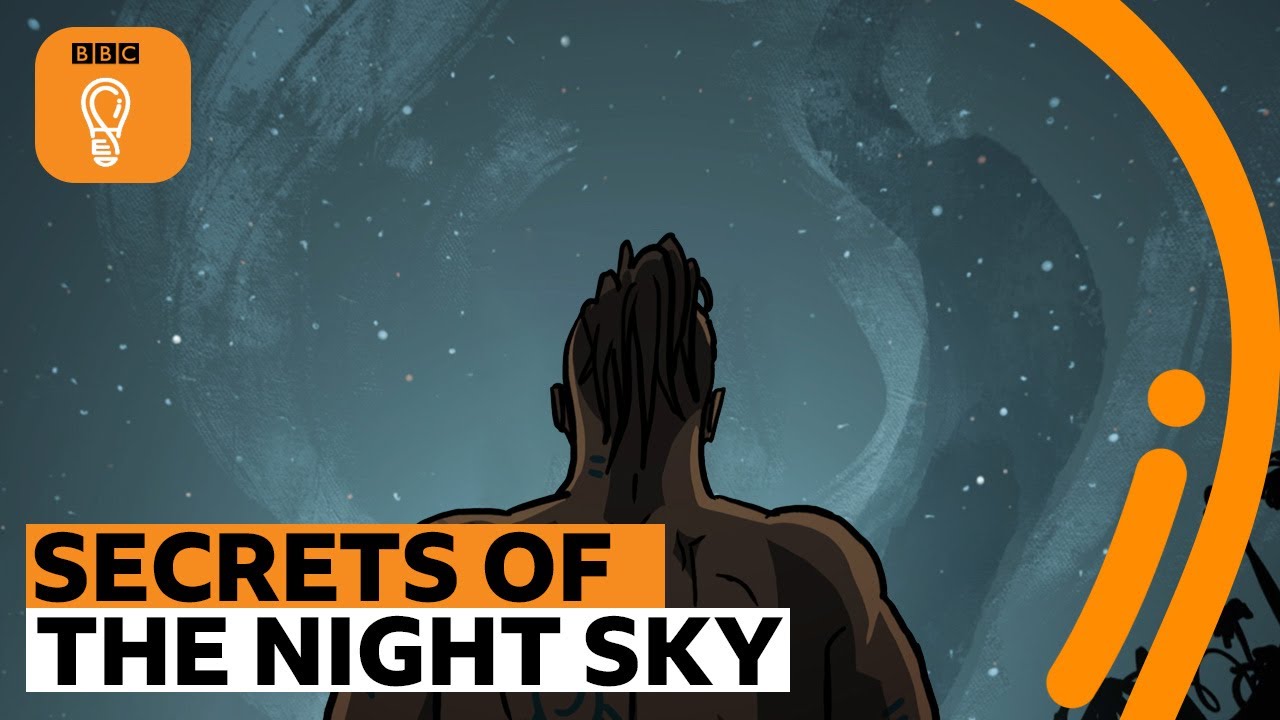
    The stars were a crucial aid for ordinary human beings in premodern societies, acting as regular timekeeping phenomena and celestial navigators. Today, light pollution and modern technology have rendered the stars a mere aesthetic delight for most of us, but their significance in history remains. Watch this brief video to learn how premodern humans used the stars for navigation, mathematics, and more.
    Video
    What the stars once meant to ordinary people

  • How do scientists study far away stars?

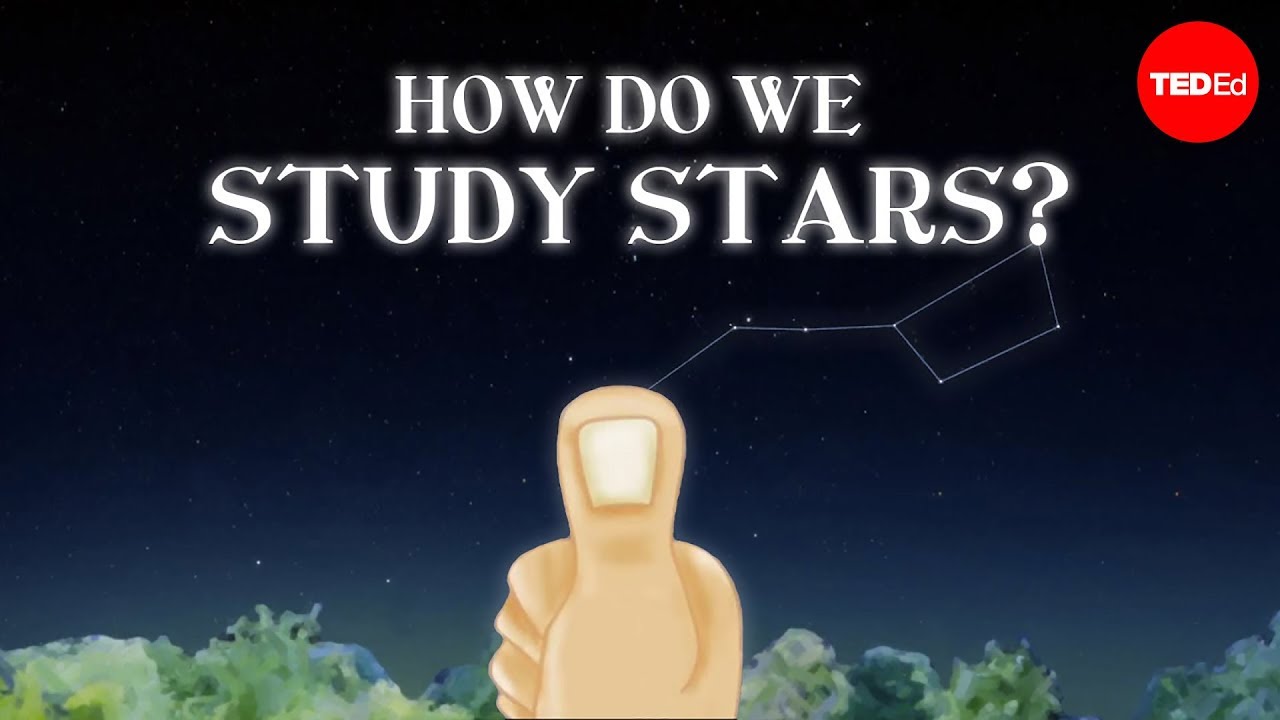
    Astronomy is the only science that is purely observational: meaning, scientists can't study stars in a lab. Here's a breakdown of how modern researchers use new tools to understand objects billions of light years away. As it turns out, the rules of science allow us to identify, categorize, and experiment with phenomena light years away.

    Video

    How do scientists study far away stars?

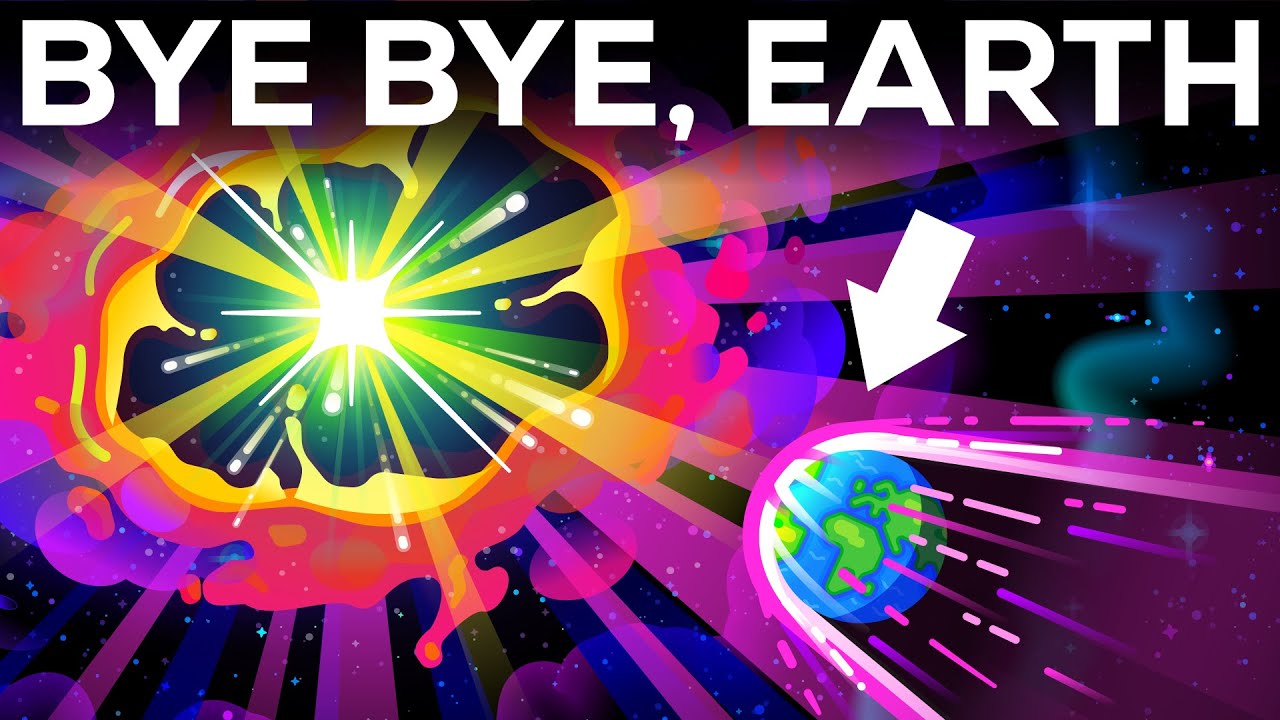
  • How big is a supernova explosion?

    Supernovas are the biggest explosions in the universe, often obliterating the area surrounding them. So what would happen if one exploded near Earth? If the sun went supernova it'd be like getting hit by a nuclear explosion every second for weeks. Of course, that's not happening anytime soon. This animated video shows how distance is the key factor, and how you shouldn't be worried.

    Video

    How big is a supernova explosion?

  • Ring galaxies, the rarest kind in the universe

    Galaxies come in different sizes, but when it comes to shapes there are just four kinds: spiral, elliptical, irregular, and the rarest kind, ring. Ring galaxies only form in the event of a small galaxy passing through a large one, but there's more to them that that. This page explores these rare and beautiful heavenly bodies.

  • See a dying star in different wavelengths

    The Crab Nebula is the remnants of a dying star that went supernova . First spotted a thousand years ago by Chinese and Japanese astronomers, and likely Native Americans as well. Its original bright light has long since faded, but you can see it in different light wavelengths through this interactive website.

  • What fuels the sun?

    The sun is our biggest source of heat and light, but how does this massive powerhouse continue to produce such amazing energy? Basically, it's a fusion reactor. At its core the sun produces all that solar energy through hydrogen fusing and converting into helium, over and over again. Learn more about the entire amazing and explosive process here.

  • What are the Pillars of Creation?

    The Pillars of Creation, recently photographed by the James Webb Space Telescope, are a gas-and-dust-filled space region 7,000 light years away where young stars are being born in the aftermath of a supernova. Learn why scientists say the formation has been long destroyed.

  • The cosmic dark ages: before stars existed

    The theories behind the Big Bang suggest the process of the universe beginning to the creation of stable, neutral atoms took just half a million years. But the transition from such atoms to star formation took surprisingly much longer, upwards of 100 million years. Why? This deep dive explores the science behind the unique physical composition of the so-called cosmic dark ages.

  • The most mysterious (known) star in the universe

    Something massive, with roughly 1,000 times the area of Earth, is blocking the light coming from a distant star known as KIC 8462852. One of astronomers' more intriguing theories: Alien technology. Discovered via NASA's Kepler space telescope and a...

    Video

    The most mysterious (known) star in the universe

Next page

Explore Space

From roughly 60 miles above the Earth's surface to farther than light has traveled during the entire age of the universe, space has captured human imagination for millennia. Explore the final frontier with the best resources curated from across the internet.

View All Space