Personal Finance

1440 Findings

Hours of research by our editors, distilled into minutes of clarity.

  • Addressing psychological barriers to building wealth

    Almost half of adults in the US report owning no investable assets. For many, the barrier to entry is the belief that investing is too complex for them to get involved. Consulting with a financial psychologist, this article addresses the cognitive bias that causes so many people to miss out on financial opportunities, and offers tips on how to get past the anxieties and just begin.

  • Should married couples combine finances?

    Millennials who live together are more likely to keep their finances separate than any previous generation. After all, as people get married later in life and enter marriage with more assets and financial independence, some argue that the traditional route is risky. But others point to research that suggests couples who combine their finances are still happier than those who don't. To learn more, watch this video.

    Video

    Should married couples combine finances?

  • Are hotels cheaper than Airbnbs?

    When Airbnb first became popular, it was seen as a cheaper alternative to staying at a hotel. But these days, depending on factors such as how many people you're traveling with and how long your trip is, Airbnb isn't always the less expensive option. To figure out which form of lodging might be cheaper for your next vacation, read this article.

  • Four popular budgeting strategies

    While budgeting is an individualized process, there are a few tried-and-true budgeting methods people interested in saving money or paying down debt tend to use. These methods include the envelope method—where people budget for things like rent, savings, and food by putting cash in various physical envelopes—the 50/20/30 method, and others. Read about four popular budgeting strategies in this article.

  • What is a dependent care FSA?

    Dependent care flexible spending accounts allow people who care for someone incapable of self-care to save pretax dollars to support the dependent person. However, there are stipulations. For instance, anyone seeking a dependent care FSA must be able to claim the individual as a dependent on their income taxes. Read more about dependent care FSAs here.

  • What is the 70-20-10 budget?

    The 70-20-10 budget rule dictates that people should spend 70% of their income on needs, 20% on savings, and 10% on wants. It's a new take on the 50-30-20 budget, which claims people should aim to spend 50% of their income on needs, 30% on wants, and 20% on savings. Learn more about this budgeting strategy by reading this article.

  • Here's why weddings are so expensive

    Anyone who has planned a wedding knows firsthand how shockingly expensive things like flowers or a live band can be. This article from the wedding experts at The Knot breaks down why, exactly, weddings cost so much. Plus, it explains the truth behind the so-called “wedding tax.” Read the article to learn more.

  • Inside the lives of HENRYs

    The acronym "HENRY" stands for "high earner, not rich yet." The phrase is becoming more popular as new census data shows that roughly 14% of US households bring in $200K or more per year. This article dives into the lives of a few HENRYs and explains the factors keeping them from increasing their respective net worths, from child care costs to rising housing prices. Read it here.

  • Everything you need to know about emergency funds

    The general rule of thumb for emergency funds is that you should have three to six months of living expenses saved—but what does that mean exactly? This article answers all your specific emergency fund questions, such as where you should put those emergency reserves, whether you should save three to six months of your full salary or just enough to cover three to six months of bills, and more. Read it here.

  • How Americans cover unexpected emergencies

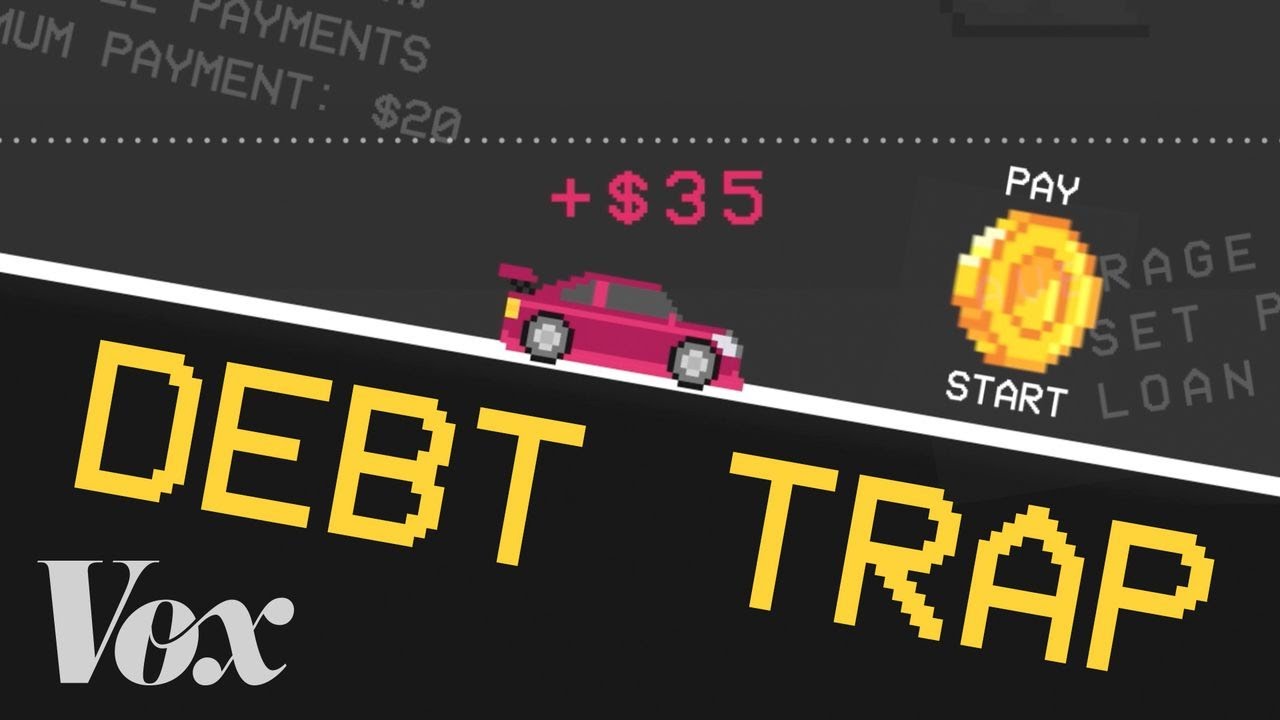
    A 2023 Federal Reserve survey found that a third of Americans don't have the cash they need to cover a $500 emergency. So what does the average American in this camp do when, say, their car breaks down? This video compares six of the most common ways Americans get money when they don't have it. Specifically, it focuses on the predatory nature of payday loans. Click here to watch.

    Video

    How Americans cover unexpected emergencies

Next page

Explore Business & Finance

The United States is home to more than 33 million businesses, the vast majority of which are small businesses, with millions being created (and others closing shop) every year. These businesses often rely on loans, provide the goods and services that keep the economy flowing, and sometimes even grow large enough to enter public markets or provide private investment opportunities. Explore key topics central to business and finance, from the role of the Federal Reserve to how initial public offerings work, how millions of American students finance higher education, and more.

View All Business & Finance