Performance Art

Overview

Performance art is art created through the actions of the artist, the viewers, or both. It is often exhibited live and typically designed to subvert normal assumptions about life and art. These artworks prioritize concepts over technical skill and differ from dance or theater by presenting their work as an art exhibit. They often incorporate spontaneity and improvisation rather than rehearsal and consistency.

1440 Findings

Hours of research by our editors, distilled into minutes of clarity.
  • Performance art, explained

    Performance art defies traditional boundaries, existing as a dynamic, live medium where the artist's actions—and sometimes the audience's—become the work itself. Emerging in the early 20th century with movements like Dadaism, performance art has continually evolved to provoke reflection and challenge cultural norms.

  • Performance art depends on the actions of the artist

    Part theater, part anarchy, part absurdism, performance art encompasses a whole range of media and genres. The short version is that it’s conceptual, often spontaneous art that is performed live. Performance art is inherently confrontational, challenging societal ideas of what constitutes “fine art,” making it an ideal vehicle for political and protest pieces. It’s closely related to other avant-garde movements like Dada and Futurism.

  • Zurich's Cabaret Voltaire was the epicenter of early performance art

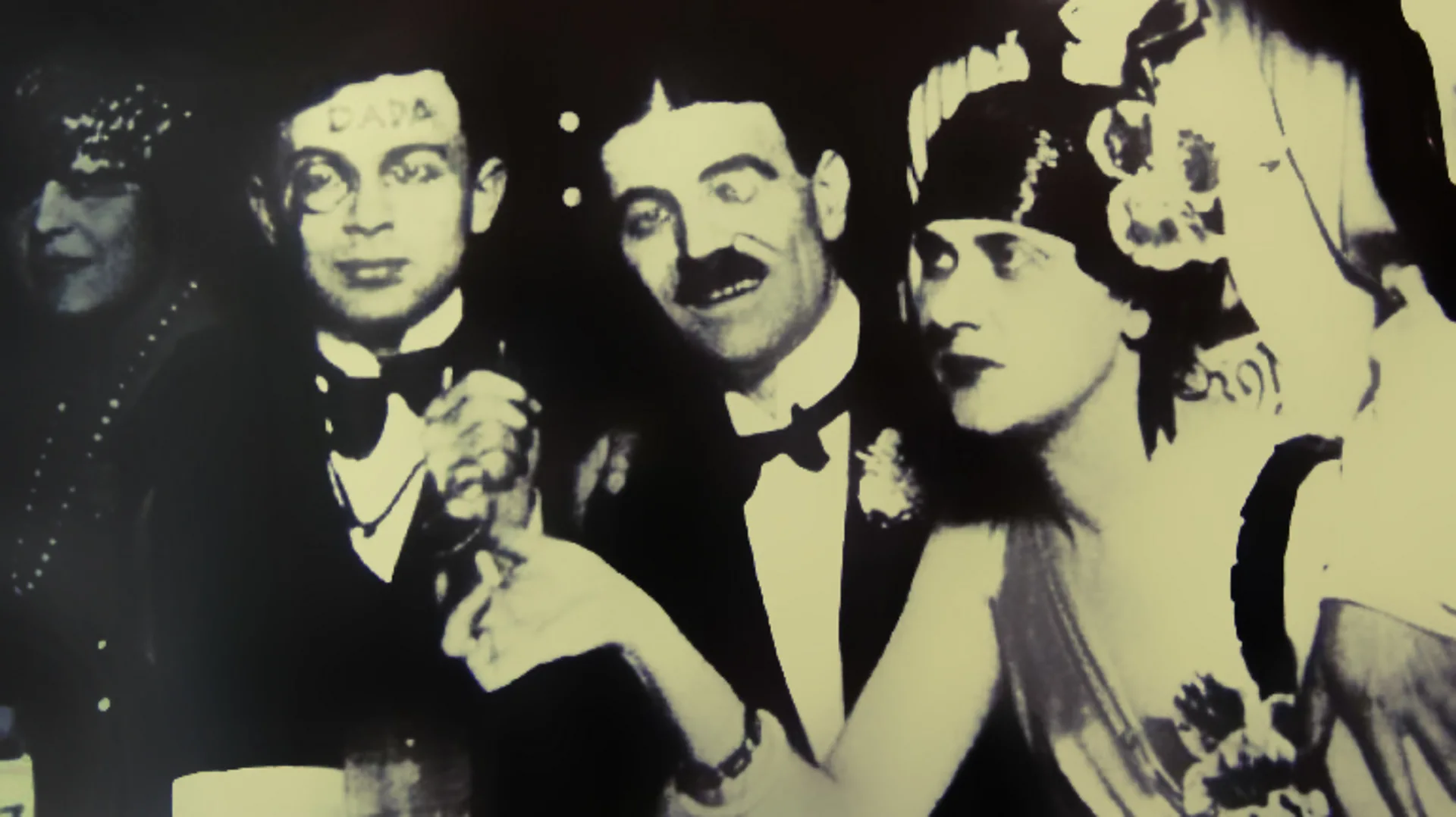
    In early 20th-century Zurich, one nightclub was the epicenter of avant-garde art and performance: Cabaret Voltaire. Night after night, crowds of artists, writers, philosophers, and others would gather to watch—or participate in—wild, unrehearsed performances that could include anything from sound poems to traditional folk dance. The atmosphere at Club Voltaire was the ideal breeding ground for outside art movements, and it is thought to be the birthplace of Dada, a precursor to performance art.

  • Gutai was performance art’s Japanese predecessor

    Works by the post-WWII Japanese artist collective Gutai are widely considered a precursor to Western performance art of the 1960s and 1970s. The word “Gutai” means “concrete” in Japanese, referring to the concrete ways the artists’ bodies were used to create their works. Gutai members like Kazuo Shiraga, who painted with his feet to express the movement of his process, are thought to have influenced later artists like Jackson Pollock.

  • Jackson Pollock and others developed 'action painting,' highlighting the creative process

    A subcategory of performance art, action painting emerged in 1945 as a way to capture a moment-by-moment view of the creative process through painting. For these pieces, the physical act of painting is as important as the finished product. This short explainer video covers the philosophy behind action painting, as well as exploring the works of several well-known action painters, including Jackson Pollock, Franz Kline, and Mark Rothko.

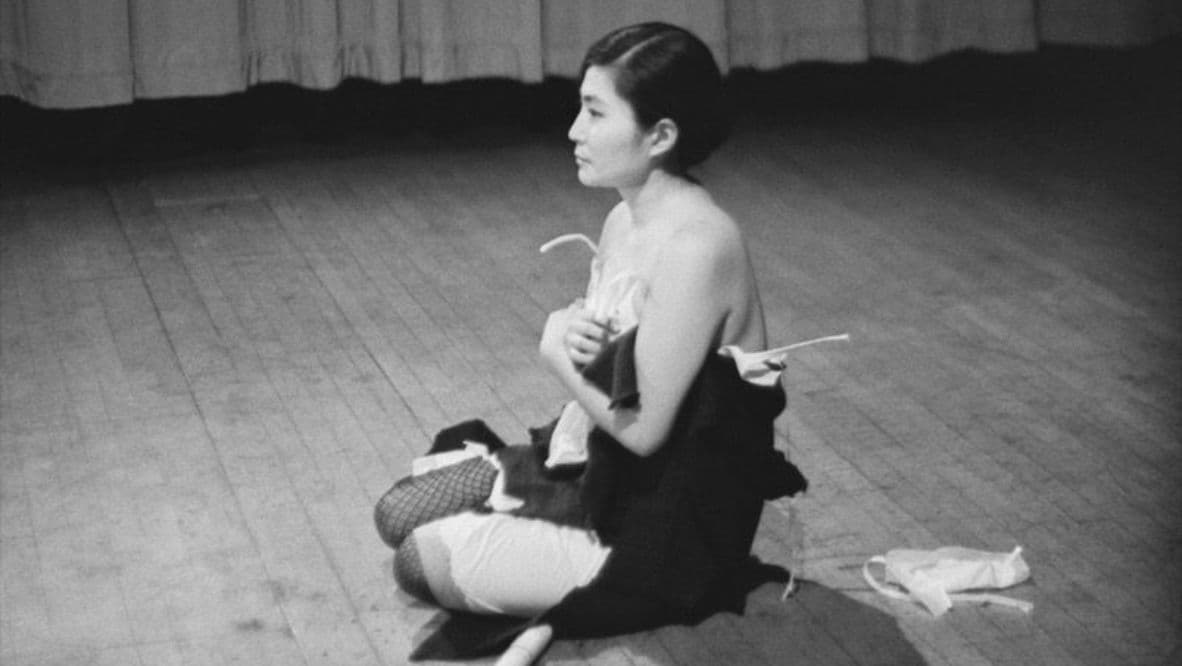
  • In 'Cut Piece,' Yoko Ono invited the audience to her clothes

    Much more than simply John Lennon’s partner, Yoko Ono is a prolific multimedia artist in her own right. Her 1964 performance "Cut Piece" invited audience members to come onstage and cut away pieces of her clothing. She described the piece as being about solidarity between women and the possibility for world peace, saying, “By not fighting, we show them that there's a whole world, which could exist by being peaceful.”

  • Endurance art strains and exhausts the body

    Artists like Marina Abramović are known for testing the limits of human endurance. Endurance art can involve carrying heavy objects or posing uncomfortably for long durations. (This resource contains some artistic depictions of violence.)

Explore Society & Culture

Art, music, sports, entertainment, movies, and many other subjects—these elements define who we are as a society and how we express ourselves as a culture. Take a deep dive into the topics shaping our shared norms, values, institutions, and more.

View All Society & Culture